Visiting the veterinarian with your cat is a vital aspect of maintaining their health and well-being. Proper preparation and understanding of the process can significantly reduce stress for both you and your feline companion. This guide aims to provide comprehensive insights and practical tips to make each vet visit a positive and stress-free experience.
From selecting the right carrier and preparing necessary items to handling your cat during transport and ensuring a smooth consultation, every step is designed to promote comfort and safety. By following these guidelines, pet owners can confidently navigate veterinary visits while fostering trust and good health for their cats.
Preparing for the Vet Visit
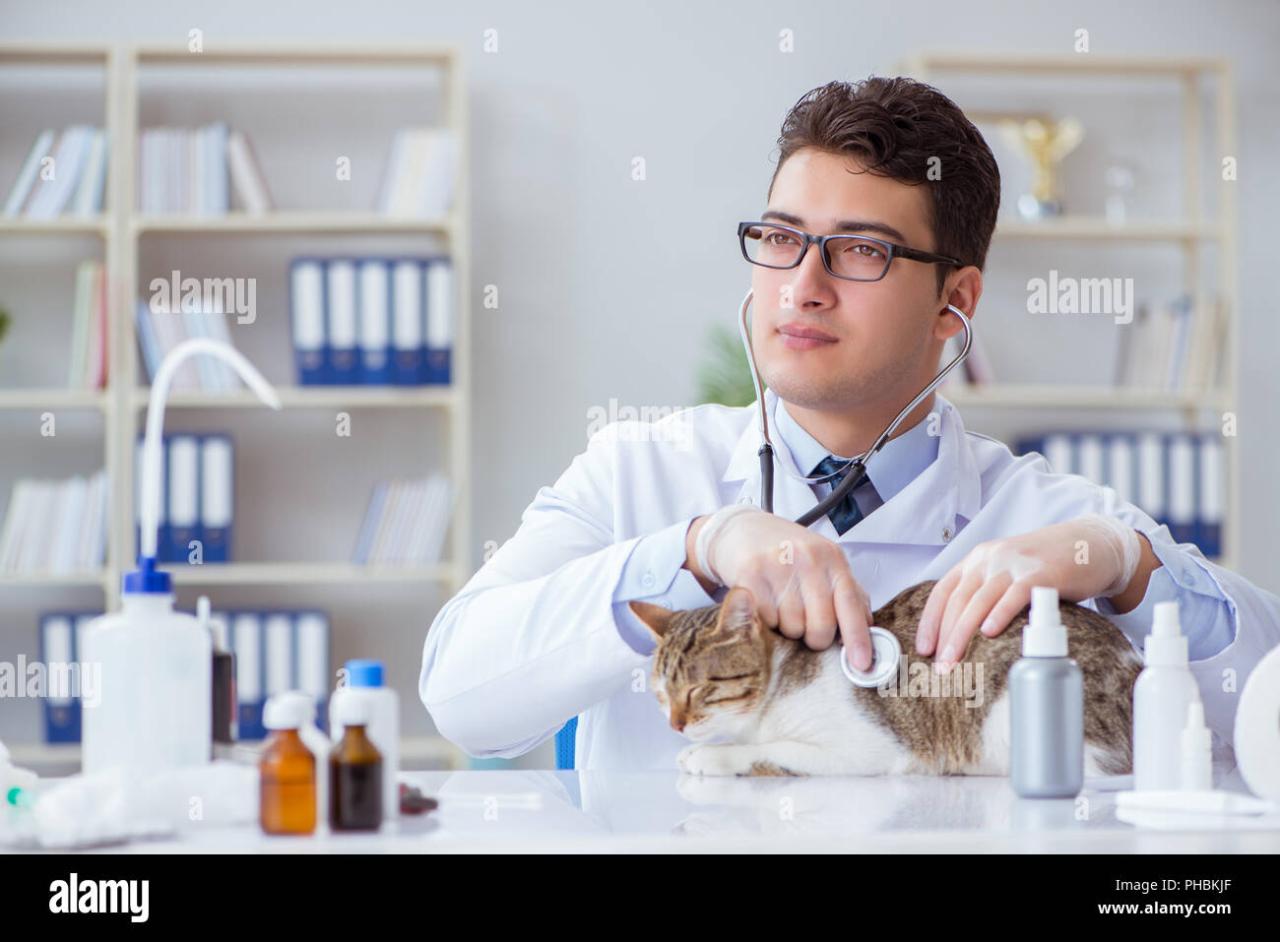
Ensuring your cat is well-prepared for a veterinary appointment can significantly reduce stress for both you and your feline companion. Proper preparation involves a combination of health assessments, gathering necessary items, and selecting the right carrier to ensure a smooth and safe visit. Taking these steps in advance helps to create a calm environment and facilitates a productive consultation with your veterinarian.Adequate preparation can prevent unnecessary anxiety, minimize delays, and ensure that your cat’s health needs are efficiently addressed.
From choosing an appropriate carrier to organizing essential documents, attention to detail can make the entire experience more manageable and less traumatic for your pet.
Choosing an Appropriate Carrier
Selecting the right carrier is a crucial step in preparing for a vet visit. The carrier must provide a secure, comfortable, and well-ventilated space for your cat to travel, helping to prevent escape and reduce stress during transport. Features such as sturdy construction, adequate size, and safety locks are vital considerations.When choosing a carrier, consider the following:
- Size and Comfort: The carrier should be spacious enough for your cat to stand, turn around, and lie down comfortably. For adult cats, a medium-sized carrier typically suffices, but larger or overweight cats may need a bigger model. Soft-sided carriers can be more comfortable and easier to carry, while hard-sided carriers offer better protection.
- Ventilation: Proper airflow is essential. Look for carriers with multiple ventilation holes or mesh panels that provide unrestricted airflow, ensuring your cat remains comfortable throughout the journey.
- Safety Features: Secure locking mechanisms prevent accidental opening during transit. A sturdy handle or shoulder strap can facilitate easy carrying, especially if you need to lift or maneuver the carrier in crowded spaces.
- Ease of Cleaning: Removable trays or washable fabric are advantageous for maintaining hygiene, particularly if your cat becomes anxious or has any accidents during travel.
A well-chosen carrier not only safeguards your cat but also encourages a positive association with travel, reducing fear over multiple trips.
Items to Bring to the Vet Visit
Bringing the appropriate items to your veterinary appointment ensures that the visit is comprehensive, efficient, and comfortable for your cat. Being well-prepared with all necessary materials can also facilitate better communication with your vet and provide useful information for ongoing health management.Consider the following checklist:
Medical Records: Bring your cat’s vaccination history, previous health records, and any recent test results. Digital copies stored on a device or printed documents are both acceptable, but having physical copies can be more convenient in some clinics.
- Identification Tags and Microchip Information: Ensure your cat wears a collar with up-to-date ID tags that include your contact information. If your cat has a microchip, bring the registration details to confirm identification if needed.
- Favorite Toys and Treats: Items that comfort your cat or serve as positive reinforcement can help reduce anxiety. Small, familiar toys or treats can be used to distract or reward your pet during examinations.
- Feeding and Medication Records: If your cat is on medication or special diets, bring these along or a list of current medications and feeding routines to inform the veterinarian’s recommendations.
- Cleaning Supplies: Wipes or tissues for quick clean-ups, as well as plastic bags for any waste, contribute to maintaining hygiene during the visit.
- Personal Items: Carry a towel or blanket that smells familiar, which can be placed in the carrier to provide comfort, especially if your cat tends to be anxious or nervous.
Being organized and prepared with these essential items ensures a smooth veterinary visit, allowing more time for the vet to focus on your cat’s health and welfare.
Traveling with Your Cat
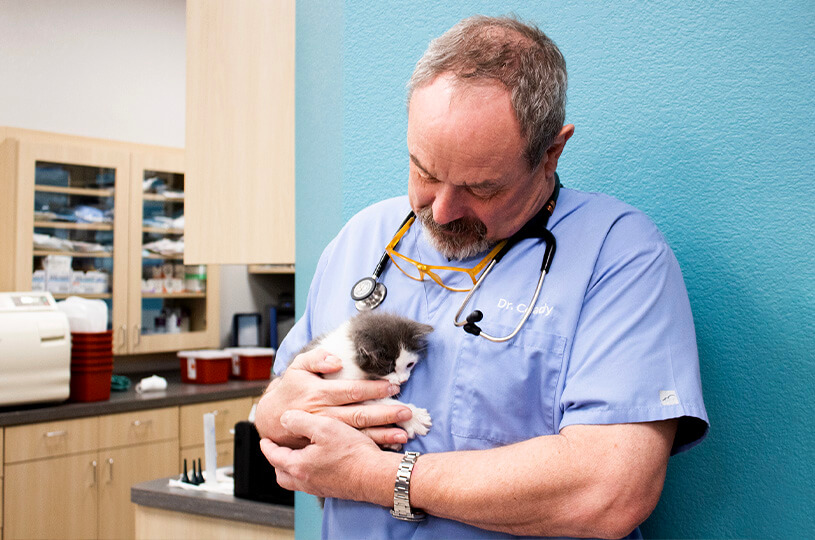
Transporting your feline companion safely and comfortably during vet visits is essential for their well-being and your peace of mind. Proper planning and understanding of suitable transportation methods can significantly reduce stress for both you and your cat, ensuring a smooth journey to the veterinarian’s office.Traveling with a cat requires careful consideration of the mode of transport, the comfort of your pet, and safety precautions.
Cats are creatures of habit and often find change stressful; thus, choosing the right method and preparing adequately can make all the difference. Whether driving, using public transportation, or walking, each option offers unique benefits and challenges that must be thoughtfully addressed.
Methods for Safely Transporting Your Cat
Visiting the Vet
Visiting the veterinarian is an essential aspect of maintaining your cat’s health and well-being. Understanding what to expect during the visit can help reduce stress for both you and your feline companion, ensuring the appointment is as smooth and productive as possible. Being prepared for the procedures and knowing how to introduce your cat to the vet environment can make a significant difference in the quality of care your pet receives.
The veterinary visit typically involves a series of steps designed to assess your cat’s overall health, diagnose any potential issues, and provide necessary treatments or preventive care. Familiarity with these procedures allows you to participate confidently and advocate effectively for your pet’s needs.
Procedures and Expectations During the Vet Visit
When you arrive at the veterinary clinic, your cat will first be greeted and briefly assessed by the staff. The initial reception process often includes recording your cat’s medical history, current symptoms, and any concerns you wish to discuss. This helps the veterinarian gain a comprehensive understanding of your cat’s health background.
During the examination, the veterinarian will perform a thorough physical assessment, which may include checking your cat’s eyes, ears, teeth, coat, weight, and vital signs such as temperature, heart rate, and respiration. Common tests performed during the visit can include:
- Fecal examinations for parasites
- Blood tests to evaluate organ function or detect infections
- Urinalysis for kidney function and hydration status
- Dental examinations or cleanings
In some cases, the veterinarian may recommend additional diagnostics, such as X-rays or ultrasound, especially if there are concerns about internal issues. It is important to stay calm and supportive during these procedures, as a relaxed environment can help your cat tolerate examinations more comfortably.
Introducing Your Cat to the Vet Environment
Properly introducing your cat to the veterinary setting can significantly reduce anxiety and help establish positive associations with the clinic. Start by acclimating your cat to the carrier well in advance of the appointment through regular practice, using treats and praise to create a safe and inviting space.
When arriving at the clinic, keep your cat confined in a secure carrier, allowing them to feel protected and minimizing stress. Speaking softly, offering gentle petting, and remaining calm yourself can help soothe your cat during the process. Once in the examination room, allow your feline friend to explore the environment at their own pace, avoiding sudden movements or loud noises.
Bringing familiar items, such as a favorite blanket or toy, can help comfort your cat during the visit. Consistent, gentle handling by the veterinary staff, along with your presence, fosters trust and encourages cooperation during examinations and procedures.
Questions to Discuss with Your Veterinarian
Engaging with your veterinarian through a list of pertinent questions ensures you gather comprehensive information about your cat’s health and wellness. These questions can help you understand your pet’s needs better and plan for ongoing care.
- What is the appropriate vaccination schedule for my cat’s age and lifestyle?
- Are there specific signs of illness I should watch for at home?
- What diet is best suited for my cat’s current health status?
- How often should I bring my cat in for health check-ups?
- Are there preventive treatments or supplements recommended for my cat?
- What are the options for dental care and how can I maintain my cat’s oral health?
- How can I address behavioral issues or stress-related problems?
- What should I do if my cat shows signs of pain or discomfort between visits?
Ensuring a Stress-Free Experience
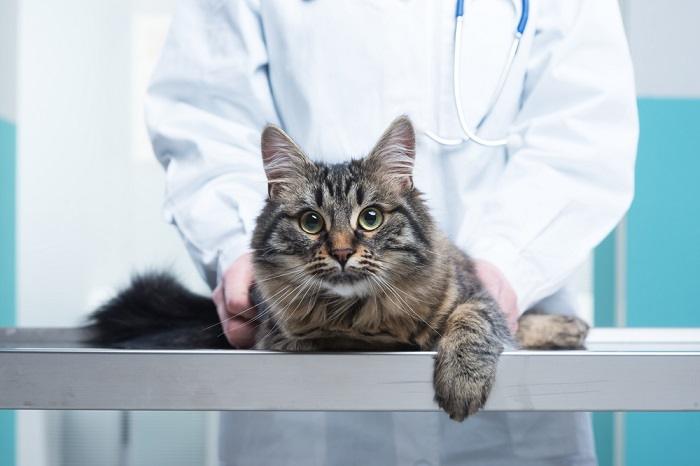
Visiting the veterinarian can be a challenging experience for cats, often leading to stress and anxiety. Implementing effective strategies to keep your feline friend calm not only makes the visit more comfortable but also facilitates thorough examinations and fosters a positive association with future vet visits. Creating a calm environment, employing soothing techniques, and providing post-visit comfort are essential components of ensuring your cat remains relaxed and cooperative throughout the process.A stress-free vet visit begins long before entering the clinic, involving environmental adjustments and gentle handling that prioritize your cat’s emotional well-being.
Recognizing signs of stress and responding with appropriate calming measures can significantly reduce anxiety. Additionally, reinforcing positive experiences after the appointment encourages your cat to view vet visits as less intimidating, promoting better cooperation in the future.
Strategies to Keep Your Cat Calm During the Visit
Maintaining a calm and reassuring environment is key to minimizing your cat’s stress during a veterinary appointment. Several practical strategies can be employed to achieve this:
- Environmental Adjustments: Choose a quiet, familiar space for preparing your cat for travel. Use calming scents, such as synthetic pheromones (e.g., Feliway), which mimic natural feline facial pheromones and have demonstrated effectiveness in reducing anxiety. Covering the carrier with a light cloth can also create a den-like atmosphere, providing a sense of security.
- Soothing Techniques: Speak softly and gently stroke your cat during transportation. Offering a favorite blanket or toy inside the carrier can provide comfort. Playing calming music or white noise during travel may additionally help soothe your feline companion.
Handling Your Cat During the Examination
Proper handling during the examination is essential to prevent unnecessary stress and ensure safety for both your cat and the veterinarian. Understanding how to recognize stress signals and employing gentle restraint techniques can facilitate a smoother process:
- Recognizing Stress Signals: Common signs include flattened ears, dilated pupils, tail twitching, growling, hissing, or struggling. Noting these cues allows you to communicate effectively with the veterinarian and adjust handling accordingly.
- Restraint Methods and Signal Recognition: Veterinarians typically use minimal restraint, combining gentle holding with positive reinforcement. As a pet owner, you can assist by supporting your cat’s body securely but softly, especially when examining sensitive areas. If your cat becomes overly distressed, alert the veterinary staff to take a break or employ calming techniques such as speaking in a reassuring tone or offering a comforting item.
Rewarding and Comforting Your Cat Post-Visit
Reinforcing positive associations after the vet appointment encourages your cat to remain calm during future visits. It is vital to provide comfort and rewards that acknowledge their cooperation:
- Immediate Comfort: Offer your cat favorite treats, tender petting, or playtime immediately after the visit. This reinforces a positive link between the vet experience and pleasant activities.
- Creating Positive Associations: Use gentle praise and soothing words to reassure your cat. Providing a cozy resting spot, such as a soft bed or blanket, can help them recover from any residual stress.
- Consistency and Routine: Maintaining a regular routine around vet visits, including familiar carrier placement and calming rituals, helps your cat build trust and predictability, which reduces anxiety over time.
Positive reinforcement and gentle handling are fundamental in transforming vet visits from stressful events into manageable, even rewarding experiences for your feline friends.
Post-Visit Care and Follow-Up
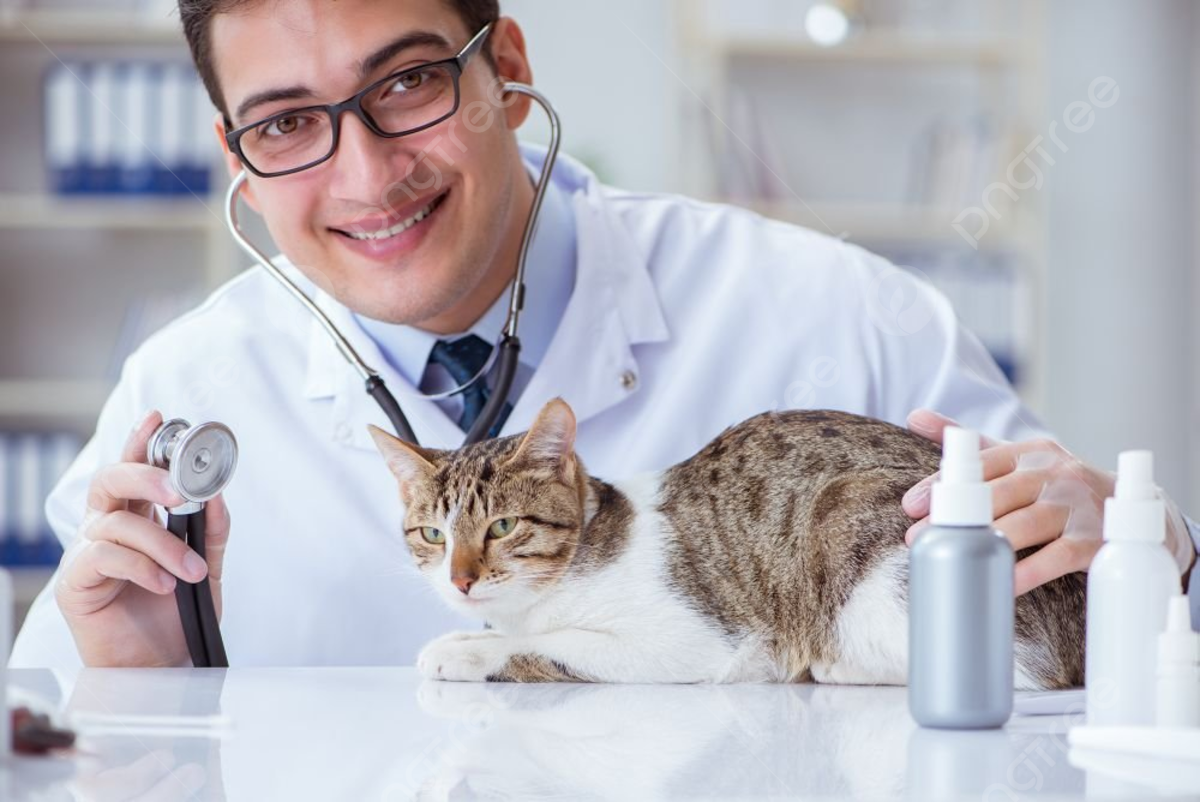
After visiting the veterinarian, proper post-visit care is essential to ensure your cat’s continued health and comfort. Monitoring your feline’s recovery and maintaining organized records aid in providing optimal ongoing care. Implementing precise medication administration and observing behavioral cues can prevent complications and facilitate communication with your vet during follow-up appointments.To support your cat’s healing process and detect any adverse reactions early, attentive observation of behavioral and physical signs is crucial.
This vigilance helps identify issues such as pain, discomfort, or emerging symptoms that may require prompt veterinary attention. Additionally, maintaining a well-organized system for storing veterinary records ensures that vital health information is accessible when needed, simplifying future consultations and treatments.
Monitoring Your Cat’s Health Post-Visit
The period following a veterinary appointment is critical for assessing your cat’s recovery and detecting any complications. Careful observation of your cat’s behavior and physical condition provides valuable insights into their wellbeing.It is important to watch for behavioral changes such as decreased activity, withdrawal, or signs of distress like vocalization or hiding. Physical signs to monitor include appetite levels, hydration status, wound healing, or any unusual discharges or swelling.
In cases where your cat has received medication, ensure they are tolerating it well and administering doses accurately. Keep a daily log of these observations, noting any deviations from their normal behavior, and communicate these findings to your veterinarian during follow-up visits to facilitate timely interventions.
Organizing and Storing Veterinary Records
Maintaining thorough and accessible veterinary records simplifies ongoing health management and ensures consistency in treatment. Proper organization allows for quick retrieval of critical information such as vaccination history, previous illnesses, medications prescribed, and details of prior procedures.Create a dedicated folder, either physical or digital, to store all veterinary documents. For physical records, use clear labels and binders with dividers for different categories like vaccinations, medications, and examination reports.
Digital records can be stored securely on a cloud platform or a dedicated computer, with scanned copies of documents and test results. Regularly update these records with new visits or treatments. This systematic approach minimizes the risk of missing important health information and supports seamless communication with different veterinary providers.
Administering Medications and Treatments
Administering prescribed medications or treatments requires careful attention to detail to ensure safety and efficacy. Your veterinarian may recommend oral medications, topical ointments, or injections, each requiring specific procedures.For oral medications, use patience and gentle methods, such as hiding pills in a small amount of soft food or a treat. Ensure the cat swallows the medication completely and follow the prescribed dosage schedule strictly.
For topical treatments, clean the affected area thoroughly before applying medication, and use gloves if recommended to avoid contamination. When administering injections, only do so if trained by your veterinarian, following aseptic techniques and precise dosage instructions to prevent infection or overdose.Always observe your cat closely after administering treatments for any adverse reactions, such as vomiting, lethargy, or allergic responses.
Keep a detailed record of medication times, doses given, and any side effects encountered. In case of difficulty administering medication, consult your veterinarian for alternative methods or assistance, ensuring your cat remains safe and comfortable throughout the treatment process.
Final Summary
In conclusion, a well-organized and thoughtful approach to visiting the vet can greatly enhance your cat’s health management journey. By preparing adequately, traveling safely, and engaging meaningfully during the appointment, you ensure your feline friend receives the best possible care. Remember, positive experiences during vet visits contribute to a healthier, happier life for your pet.