Establishing an effective cat feeding schedule is essential for ensuring your feline friend’s health and well-being. A well-organized routine not only simplifies daily caregiving but also promotes stability and comfort for your cat. By understanding the key components of scheduling, pet owners can foster better behavior, prevent dietary issues, and support their pet’s overall happiness.
This guide provides practical insights into setting up an appropriate feeding routine, determining optimal feeding frequency, selecting suitable portion sizes, and adjusting schedules for unique needs. Whether you’re caring for a kitten or a senior cat, implementing these strategies will help you maintain a balanced and effective feeding plan tailored to your cat’s specific requirements.
Overview of a Cat Feeding Schedule
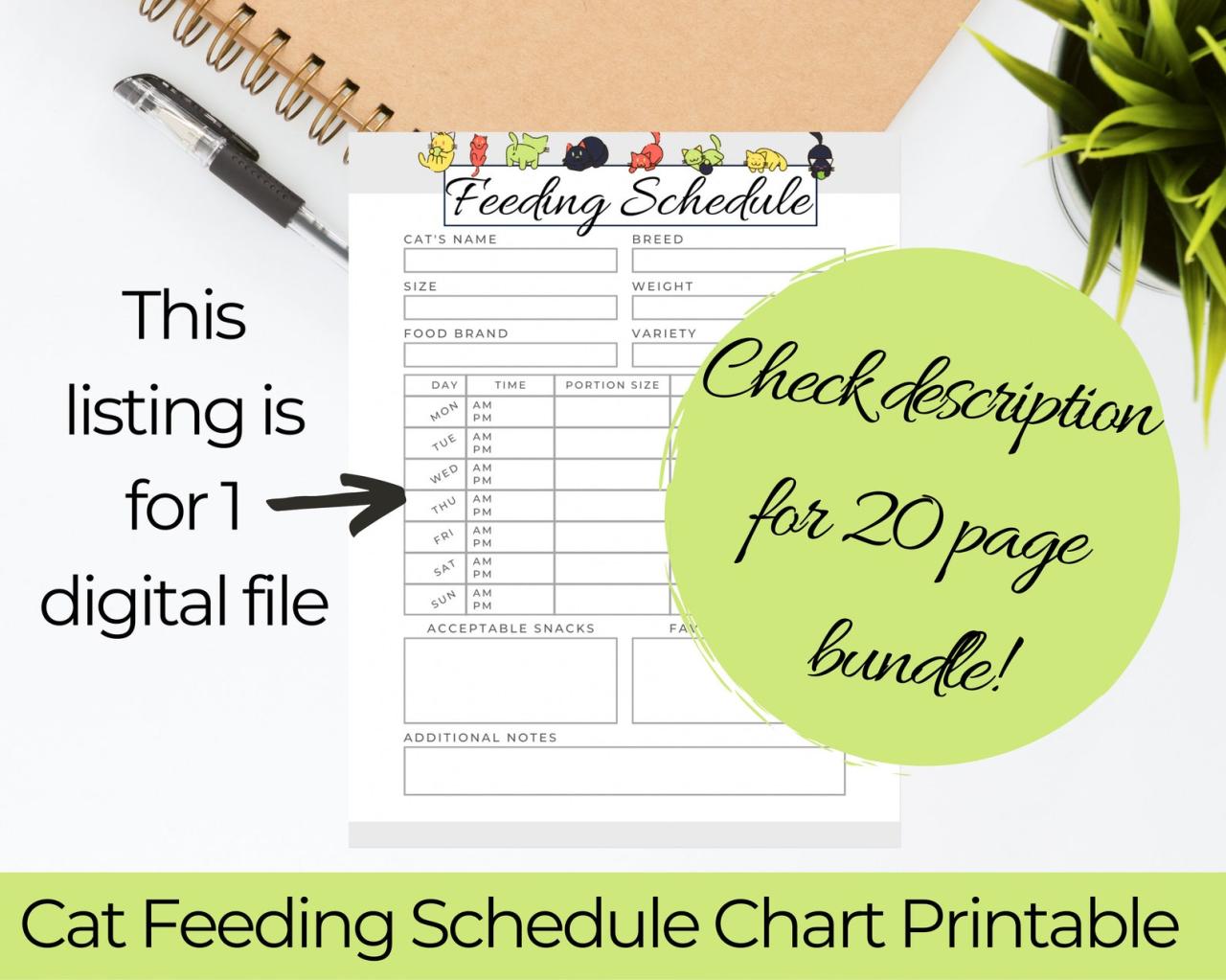
Establishing a consistent feeding routine for your cat is fundamental to maintaining their health, happiness, and overall well-being. A well-structured schedule not only ensures proper nutrition but also helps in monitoring your cat’s health and behavior over time. When feeding times are predictable, cats develop a sense of security and stability, which contributes positively to their daily routine.
A typical cat feeding schedule includes designated times for meals, appropriate portion sizes, and consideration of the cat’s age, weight, and activity level. This routine typically comprises one to three meals per day, with specific intervals that suit the cat’s digestive system. Consistency in feeding helps regulate their metabolism and prevents overeating or underfeeding, which can lead to weight issues or nutritional deficiencies.
The Components of a Daily Feeding Schedule
Creating an effective daily feeding schedule involves understanding key components that contribute to a balanced routine. These components help ensure your cat receives adequate nutrition and maintains a healthy lifestyle.
- Meal Times: Designate specific times during the day when your cat is fed. This predictability helps regulate their digestive system and minimizes stress around meal times. Many owners feed their cats twice daily, typically morning and evening, aligning with their natural hunting instincts.
- Portion Control: Determining appropriate meal portions based on the cat’s age, weight, and activity level is crucial. Overfeeding can lead to obesity, while underfeeding may cause nutritional deficiencies. Consult veterinarian guidelines or use feeding charts to establish suitable portion sizes.
- Type of Food: Incorporate a balanced mix of wet and dry food to meet hydration and nutritional needs. Consistency in the type of food provided helps prevent digestive issues and food sensitivities.
- Monitoring and Adjustments: Regularly review your cat’s response to the feeding schedule. Adjust portions or timing as needed, especially if your cat’s weight, activity level, or health status changes over time.
Benefits of a Regular Feeding Schedule
Adhering to a consistent feeding routine yields numerous benefits for your feline companion. It plays a vital role in supporting their physical health, emotional stability, and behavior pattern.
- Enhanced Digestion and Nutrient Absorption: Regular meal times facilitate optimal digestion and allow your cat’s body to efficiently absorb nutrients, promoting overall health.
- Weight Management: Consistent portions and timing help prevent overeating or underfeeding, reducing the risk of obesity or malnutrition.
- Behavioral Stability: Predictable routines lessen anxiety and reduce unwanted behaviors such as begging or food aggression, which often arise from irregular feeding times.
- Health Monitoring: Routine feeding enables easier observation of changes in appetite, weight, or behavior, which can be early indicators of health issues needing veterinary attention.
Implementing a structured feeding schedule is a proactive approach to fostering a healthy, happy, and well-adjusted feline companion.
Determining the Right Feeding Frequency
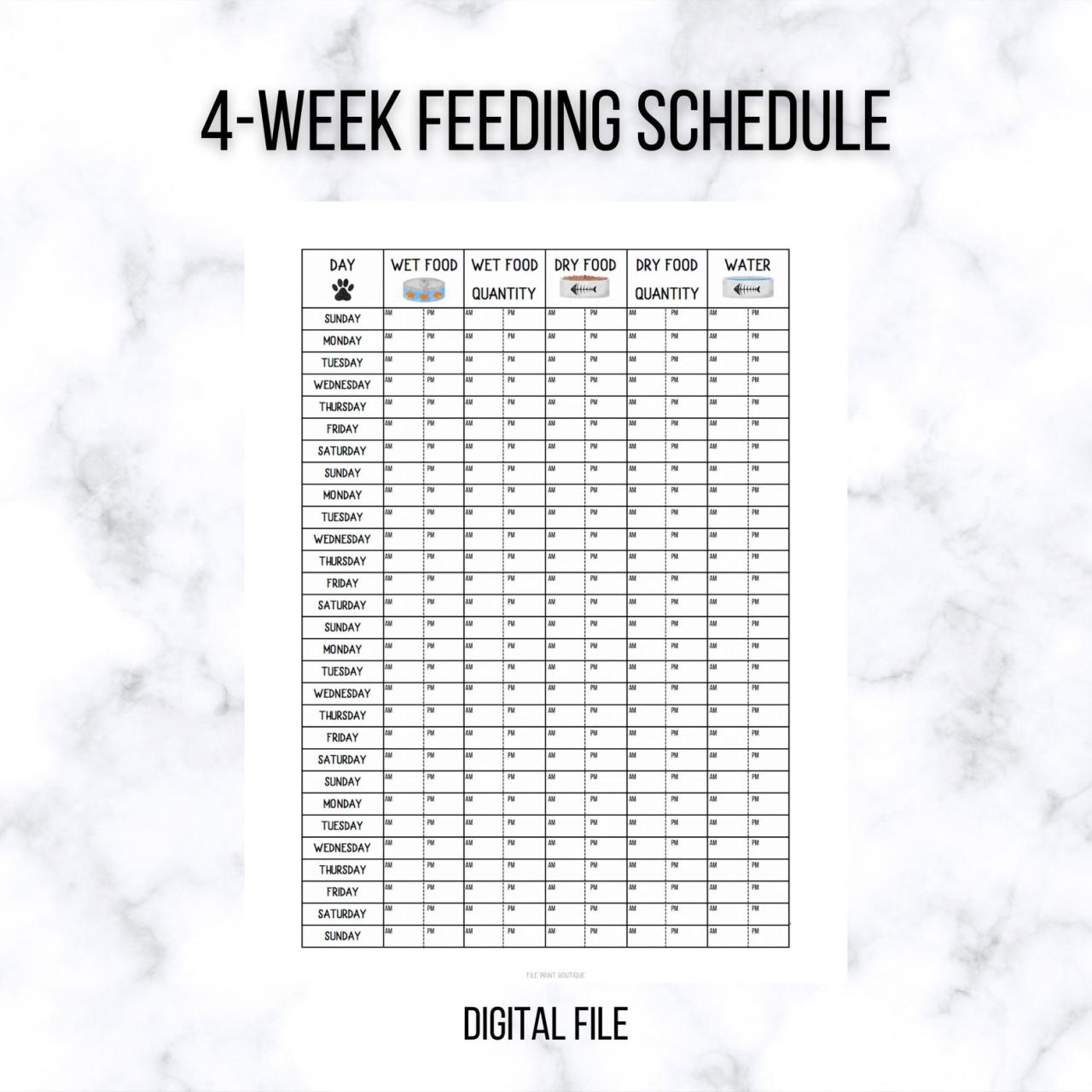
Establishing an appropriate feeding schedule is essential for maintaining your cat’s health, energy levels, and overall well-being. The ideal frequency depends on various factors, including age, breed, and any existing health conditions. By understanding these factors, pet owners can develop a feeding routine that promotes optimal nutrition and prevents common issues such as obesity or malnutrition.
Deciding how often to feed your cat involves assessing their specific needs and observing their behavior. Younger cats, for instance, typically require more frequent meals to support rapid growth and high energy expenditure, while senior cats may benefit from fewer, more substantial meals to aid digestion and manage health concerns. Breed characteristics can also influence feeding frequency, as some breeds have faster metabolisms or specific dietary requirements.
Consulting with a veterinarian can provide personalized guidance tailored to your cat’s individual health profile.
Feeding Frequencies for Different Life Stages
Below is a responsive table that compares typical feeding frequencies based on the age of the cat. These guidelines serve as a foundation, but individual needs may vary. Regular monitoring of your cat’s weight, activity level, and health status will help refine their feeding routine over time.
| Age Group | Recommended Meals Per Day | Portion Size |
|---|---|---|
| Kittens (up to 6 months) | 3-4 meals | Small, frequent portions to support growth and high energy needs |
| Adult Cats (1-7 years) | 2 meals | Portions adjusted to maintain ideal weight; typically 24-35 grams of dry food or equivalent per meal |
| Senior Cats (8+ years) | 1-2 meals | Moderate portions with potential supplementation for health conditions such as dental issues or obesity management |
Examples of common feeding routines employed by cat owners include:
- Feeding adult cats twice daily, morning and evening, with measured portions based on the cat’s weight and activity level.
- Providing multiple small meals throughout the day for kittens, often every 4-6 hours, to mimic natural hunting patterns and support growth.
- Adjusting feeding frequency for senior cats to one or two meals a day, with considerations for health issues like arthritis or reduced appetite, often supplemented with wet food or treats.
By tailoring the feeding frequency to your cat’s age, breed, and health, you can ensure they receive the proper nutrition needed to thrive at every stage of life. Regular consultation with veterinary professionals will further refine these routines and help address any specific dietary needs.
Selecting Appropriate Portion Sizes
Determining the correct portion size for your cat is a crucial step in maintaining its health, weight, and overall well-being. Proper portioning ensures your feline receives adequate nutrition without the risks associated with overfeeding or underfeeding. Factors such as your cat’s weight, activity level, age, and specific dietary needs all influence the ideal amount of food.
Accurate portion sizing requires a thoughtful approach that considers individual differences among cats. By understanding these influencing factors and following practical guidelines, cat owners can establish a balanced feeding routine that supports their pet’s health and prevents issues such as obesity or malnutrition.
Factors Influencing Portion Sizes
Portion sizes should be tailored based on multiple key factors to meet each cat’s unique requirements. These include:
- Body Weight: Heavier cats generally require larger portions to maintain their weight, while weight management might involve smaller, controlled servings.
- Activity Level: Highly active cats that engage in more play and exercise burn more calories and therefore need larger or more frequent meals. Conversely, less active or senior cats may require smaller portions to prevent excessive weight gain.
- Dietary Needs and Health Conditions: Cats with health issues such as obesity, diabetes, or kidney disease often need specialized diets with specific calorie counts and nutrient compositions. Consulting a veterinarian ensures these needs are accurately addressed.
- Life Stage: Kittens, adult cats, and seniors have differing nutritional requirements, affecting portion sizes. Kittens require more frequent and energy-dense feedings, while seniors may need smaller, more digestible portions.
Adjusting these factors appropriately helps create a personalized feeding plan that supports your cat’s health goals and lifestyle.
Guidelines for Calculating Daily Intake
To determine the optimal daily food intake, consider the following practical guidelines, which serve as a starting point and should be fine-tuned based on your cat’s response and veterinarian advice:
- Check the food packaging: Most commercial cat foods provide feeding guidelines based on weight and age, which can serve as an initial reference.
- Calculate the caloric needs: Use the formula:
Resting Energy Requirement (RER) = 70 x (body weight in kg)^0.75
. This provides an estimate of calories needed for maintenance.
- Adjust based on activity and health: Increase or decrease caloric intake depending on activity level, age, and health status.
- Divide into meals: Split the total daily amount into appropriate meal portions—commonly 2 to 3 feedings per day—to prevent overeating and promote digestion.
- Monitor and modify: Regularly observe your cat’s weight and body condition, adjusting portion sizes as needed to maintain a healthy weight.
Remember, consistency and regular assessment are key to ensuring your cat’s dietary needs are met effectively.
Sample Table of Portion Recommendations for Different Cat Sizes and Conditions
| Cat Size/Condition | Weight Range | Estimated Daily Calories | Portion Size per Meal (for 2 meals/day) | Notes |
|---|---|---|---|---|
| Small Adult Cat | 3-4 kg (6.6-8.8 lbs) | 180-220 kcal | 90-110 g of dry food or equivalent in wet food | Maintain healthy weight with standard activity levels |
| Average Adult Cat | 4-5 kg (8.8-11 lbs) | 220-270 kcal | 110-135 g of dry food or equivalent in wet food | Adjust for activity level or health conditions |
| Active or Larger Cat | 5-6 kg (11-13.2 lbs) | 270-330 kcal | 135-165 g of dry food or equivalent in wet food | Increased activity necessitates higher portions |
| Senior or Less Active Cat | 3-4 kg (6.6-8.8 lbs) | 150-200 kcal | 75-100 g of dry food or equivalent in wet food | Monitor for weight loss or gain, adjust accordingly |
| Cats with Special Dietary Needs | Varies | Based on veterinary recommendation | Follow specific diet plan | Consult veterinarian for tailored plan |
Choosing the Best Feeding Times
Establishing optimal feeding times for your cat is essential to promote healthy digestion, align with their natural behaviors, and maintain a consistent routine. Proper timing not only supports your cat’s physical health but also enhances their mental well-being by fostering predictability and security during mealtimes.
By carefully selecting feeding times, you can help replicate a cat’s innate hunting patterns, which typically involve multiple small hunts throughout the day. Understanding how to set these times can also accommodate your daily schedule and special circumstances, ensuring your feline friend’s nutritional needs are consistently met.
Aligning Feeding Times with Natural Hunting Instincts
Cats are crepuscular animals, meaning they are most active during dawn and dusk, and their hunting instincts are naturally aligned with these periods. Mimicking this behavior through scheduled feeding times can stimulate their natural predatory drives, providing mental stimulation and preventing boredom.
To establish optimal feeding times, observe your cat’s activity patterns and set meals during early morning and late evening hours. This approach encourages a more natural feeding rhythm, supporting digestive health and reducing the likelihood of overeating or begging during off-peak times.
Advantages of Morning and Evening Feeding Schedules
Choosing between morning and evening feeding schedules involves weighing the benefits each offers, depending on your lifestyle and your cat’s habits.
- Morning Feeding Advantages:
- Aligns with a cat’s natural hunting activity during dawn, promoting natural behaviors.
- Provides energy for the day, especially if your cat is active during daylight hours.
- Helps establish a routine that suits owners with busy daytime schedules.
- Evening Feeding Advantages:
- Matches the cat’s natural activity peaks during dusk, encouraging engagement.
- Allows for supervision during mealtime, ensuring your cat eats properly.
- Enables a calming period before bedtime, reducing nighttime disturbances caused by hunger.
Adjusting Feeding Times During Special Circumstances
Flexibility in feeding schedules is crucial when facing exceptional situations such as travel, illness, or changes in daily routines. Proper adjustments ensure your cat’s health and comfort are maintained without causing stress or disrupting their routine.
During travel, consider dividing the daily portion into smaller, more frequent feedings to minimize stress and mimic natural hunting behavior. Using timed feeders can help maintain consistency even when you’re away.
In cases of illness or recovery, consult your veterinarian to determine the most appropriate feeding schedule, which may involve smaller, more frequent meals to support digestion and recovery. Adjusting feeding times to accommodate medication schedules or reduced appetite ensures your cat remains nourished and comfortable during challenging times.
Types of Cat Food and Feeding Methods

Understanding the various types of cat food and the appropriate feeding methods is essential for maintaining your feline’s health, happiness, and well-being. Selecting the suitable diet and feeding approach can prevent nutritional deficiencies, obesity, and behavioral issues related to hunger or overfeeding. This section explores the common feeding options available, their respective advantages and disadvantages, and the best practices for scheduled versus free feeding.
Feeding Options for Cats
Owners have a range of choices when it comes to feeding their cats, each with specific benefits and considerations. The decision often depends on the cat’s age, health status, preferences, and the owner’s lifestyle. Understanding these options enables you to tailor a feeding plan that ensures your cat’s nutritional needs are met effectively and conveniently.
| Food Type | Benefits | Drawbacks | Serving Suggestions |
|---|---|---|---|
| Dry Kibble |
|
|
Serve in measured portions, typically once or twice daily, ensuring fresh water is always available. |
| Wet Food |
|
|
Serve portioned meals, usually twice daily, and store leftovers properly to prevent spoilage. |
| Raw Diet |
|
|
Serve freshly prepared, ensuring a balanced mix of muscle meat, organs, and bone; usually fed twice daily. |
| Mixed Feeding |
|
|
Combine dry kibble with wet food or raw diet, adjusting portions to meet daily caloric requirements and feeding schedules. |
Scheduled Feeding versus Free Feeding
Implementing an effective feeding method is fundamental for managing your cat’s health and behavior. Scheduled feeding involves providing meals at specific times, promoting routine, portion control, and weight management. Conversely, free feeding allows cats access to food throughout the day, which can suit certain lifestyles but may lead to overeating.
Scheduled feeding helps establish a predictable routine, which can reduce anxiety and prevent obesity. It also makes it easier to monitor individual intake and detect health issues early. Free feeding, while convenient, requires diligent portion control and regular monitoring to avoid overfeeding and associated health problems.
For scheduled feeding, set consistent meal times, typically twice or thrice daily, and measure portions accurately. Use timers or alarms as reminders. For free feeding, provide a measured amount of dry food in a designated dish, replenishing as needed, but always monitoring intake to prevent excess weight gain. Combining both methods—such as scheduled feeding of wet food and free access to dry kibble—can offer flexibility while maintaining control over the cat’s diet.
Creating a Feeding Routine Chart
Establishing a structured feeding routine is essential for maintaining your cat’s health and ensuring consistent energy levels throughout the day. A well-designed feeding routine chart helps streamline daily management, minimizes confusion, and supports your cat’s dietary needs. By organizing meal times, portion sizes, and meal types, you can foster a stable environment that promotes your feline’s well-being and simplifies your caregiving tasks.A feeding routine chart serves as a visual guide that consolidates all relevant feeding information in an easy-to-follow format.
It provides clarity on when and what to feed your cat, helping to prevent overfeeding, underfeeding, or missed meals. Creating such a chart allows you to monitor your cat’s eating habits over time, identify any changes in appetite, and make necessary adjustments to their diet or feeding schedule.
Designing a Weekly Feeding Chart with Time Slots and Meal Types
To develop an effective weekly feeding chart, consider incorporating specific time slots and meal types that align with your cat’s age, activity level, and dietary requirements. Consistency is key, so choose times that fit seamlessly into your daily routine, ensuring your cat receives regular and balanced nourishment.Begin by selecting appropriate time slots for each day of the week, such as morning, midday, and evening.
For example, feeding your cat at 7:00 AM, 12:00 PM, and 6:00 PM creates a predictable routine that your feline will adapt to comfortably. Assign specific meal types to each time slot, such as dry kibble, wet food, or treats, based on nutritional needs and preferences.Create a table with columns for day, time, meal type, and portion size. This structure allows for clear visualization and easy updates.
For instance, an entry might read: Monday | 7:00 AM | Wet Food | ½ Cup. Such detailed planning ensures that all aspects of your cat’s diet are accounted for and can be adjusted as needed.
Careful planning of portion sizes and meal types within your weekly chart ensures your cat’s dietary needs are consistently met while avoiding overfeeding or nutritional imbalance.
Examples of Effective Routine Charts to Streamline Feeding Management
Effective routine charts are tailored to your cat’s unique needs and daily schedule. They typically feature neatly organized tables that highlight the feeding times, meal types, and portion sizes for each day, making it easy to follow and update.For example, a straightforward chart might look like this:
| Day | Time | Meal Type | Portion Size |
|---|---|---|---|
| Monday | 7:00 AM | Wet Food | ½ Cup |
| Monday | 12:00 PM | Dry Kibble | ¼ Cup |
| Monday | 6:00 PM | Wet Food | ½ Cup |
| Tuesday | 7:00 AM | Wet Food | ½ Cup |
This organized approach helps prevent missed meals and ensures consistency. It also simplifies the process of adjusting portion sizes or meal types based on your cat’s changing needs or health conditions. The visual clarity of a well-structured chart promotes better discipline in feeding routines and makes it easier to communicate with pet sitters or family members, ensuring your cat’s diet remains uninterrupted regardless of who is caring for them.In summary, a thoughtfully crafted feeding routine chart is an invaluable tool to promote your cat’s health, facilitate routine management, and provide peace of mind, knowing that your feline friend’s dietary schedule is effectively maintained.
Monitoring and Adjusting the Feeding Schedule
Effective management of your cat’s feeding schedule requires ongoing observation and flexibility. Regularly monitoring your cat’s responses to their current feeding routine allows for timely adjustments that support their health, activity, and well-being. By systematically tracking their physical condition and behavior, you can ensure their dietary plan remains optimal as their needs evolve over time.
Adjusting the feeding schedule is a dynamic process that considers changes in health, activity levels, and weight. Employing a thoughtful approach to record-keeping and evaluation fosters a tailored feeding plan that promotes your cat’s longevity and happiness. This section Artikels practical procedures for observing your cat’s response, recording relevant data, and modifying their feeding regimen accordingly.
Observing a Cat’s Response to the Current Schedule
To ensure your cat is thriving under the existing feeding plan, it is essential to observe their physical and behavioral responses consistently. These observations help identify signs of overfeeding, underfeeding, or mismatched meal times that could impact their health or comfort.
Key indicators to monitor include:
- Changes in weight, either gain or loss, indicating a need to adjust portion sizes or feeding frequency.
- Alterations in activity levels, such as increased lethargy or hyperactivity, which can reflect nutritional imbalances.
- Eating behaviors, including refusals to eat, overeating, or begging for food outside scheduled times.
- Digestive health, noting issues like vomiting, diarrhea, or constipation.
- Overall demeanor, including signs of discomfort, irritability, or lethargy.
Consistent, attentive observation during and after meals provides valuable insights into how well the current schedule suits your cat’s needs. This ongoing process facilitates early detection of potential health issues and ensures timely intervention.
Recording Data for Evaluation
Systematic documentation enhances the accuracy of assessing your cat’s response to their feeding schedule. Maintaining detailed records allows you to identify patterns and make informed decisions about necessary adjustments.
Consider maintaining a dedicated diary or digital log that includes:
Cat’s weight, recorded weekly or bi-weekly using a reliable pet scale, to monitor trends over time.
Activity levels, noting any significant changes such as increased resting or hyperactive periods.
Health indicators, including stool consistency, vomiting episodes, or other gastrointestinal issues.
Behavioral observations, such as appetite fluctuations or signs of distress related to feeding times.
Using charts to visualize this data can reveal correlations between feeding times, portion sizes, and health outcomes. For example, a gradual weight increase might suggest overfeeding, prompting a review of portions and timing. Conversely, weight loss associated with decreased activity and appetite might indicate an underlying health concern requiring veterinary attention.
Modifying Feeding Times or Portions Based on Changes
Adapting your cat’s feeding schedule should be a responsive process, grounded in data and observations. When you notice significant changes in your cat’s health, behavior, or physical condition, consider adjusting their feeding plan accordingly.
For instance, if your cat begins to gain weight despite consistent portions, it may be necessary to reduce meal sizes or extend the interval between feedings. Alternatively, if your cat shows signs of increased activity or weight loss, increasing portions or providing more frequent meals might be beneficial, especially for growing kittens or senior cats with higher energy requirements.
In cases where health issues are suspected, such as gastrointestinal upset or weight fluctuations that do not stabilize, consulting with a veterinarian is advisable. They can recommend tailored modifications, which might include switching to a different type of food, adjusting portion sizes, or modifying feeding times to better suit your cat’s individual needs.
Always implement changes gradually, giving your cat time to adapt and monitoring their response closely. Consistent reevaluation ensures that the feeding schedule remains aligned with your cat’s evolving health and activity profile, fostering a balanced and supportive nutritional routine.
Handling Special Dietary Needs
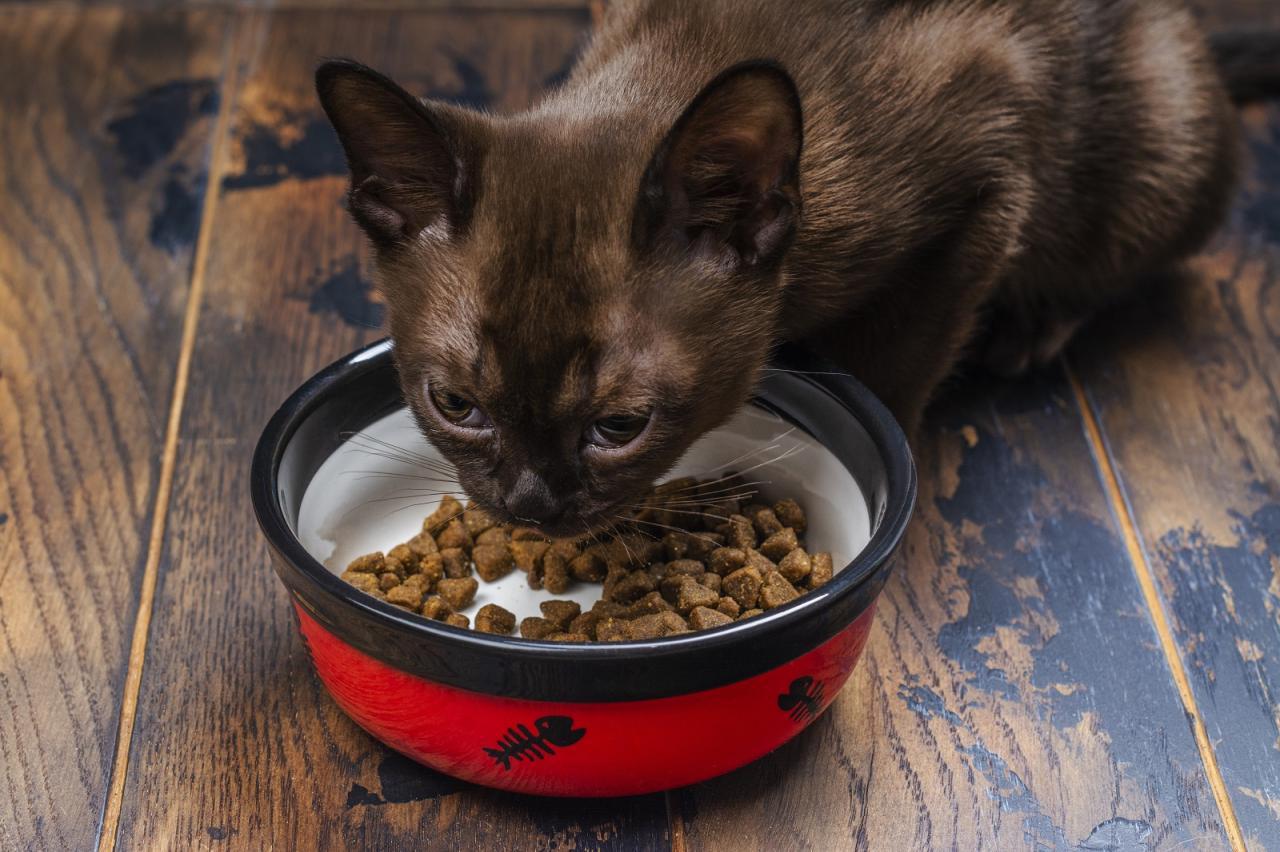
Proper management of cats with health issues or specific dietary requirements is essential to ensure their well-being and longevity. Cats with certain medical conditions or sensitivities require tailored feeding strategies, which can significantly improve their quality of life. Understanding how to adapt their diet and feeding routine plays a crucial role in supporting their health and managing their unique needs effectively.Managing cats with special dietary needs involves close collaboration with a veterinarian to develop an appropriate feeding plan.
It is vital to accurately diagnose the underlying health condition, such as renal disease, allergies, obesity, or diabetes, as each condition demands specific nutritional adjustments. Regular monitoring and adjustments to the diet can help mitigate symptoms and prevent complications. Additionally, ensuring consistent adherence to prescribed diets, avoiding treats or foods that may exacerbate health issues, and maintaining a calm feeding environment can contribute positively to their health outcomes.
Procedures for Managing Cats with Health Issues or Special Diets
Implementing a tailored feeding strategy requires systematic procedures:
- Obtain a comprehensive diagnosis from a licensed veterinarian to understand the specific health condition and dietary restrictions.
- Create a customized feeding plan that includes prescribed food types, portion sizes, and feeding frequency aligned with the cat’s health needs.
- Use measuring tools to ensure precise portion control, reducing the risk of overfeeding or underfeeding, especially critical for conditions like obesity or diabetes.
- Introduce new diets gradually, mixing them with the current food over several days to minimize gastrointestinal upset and ensure acceptance.
- Maintain detailed feeding records, noting any changes in appetite, stool quality, weight, or behavior to inform ongoing adjustments.
- Schedule regular veterinary check-ups to monitor health status and evaluate the effectiveness of the dietary plan.
Tips for Consulting with a Veterinarian to Tailor the Feeding Schedule
Effective communication with your veterinarian is key to designing an optimal feeding schedule for a cat with special dietary needs. Here are some essential tips:
- Prepare a detailed health history, including any previous illnesses, current medications, and behavioral observations.
- Discuss specific dietary goals based on the diagnosis, such as weight management, controlling blood sugar, or reducing allergies.
- Ask about recommended food brands, formulations, and any necessary supplements or additives.
- Seek guidance on appropriate portion sizes and feeding frequency tailored to your cat’s age, weight, and health condition.
- Request advice on monitoring tools, like weight charts or symptom diaries, to track progress effectively.
- Clarify any concerns regarding transitions to special diets, including tips for gradual changes and managing potential refusals.
Dietary Restrictions and Appropriate Feeding Adjustments
| Dietary Restriction | Impact on Feeding | Recommended Adjustments |
|---|---|---|
| Renal Disease | Requires low-protein, phosphorous, and sodium diets to reduce kidney workload. | Use renal-specific commercial diets, monitor protein intake, and adjust portion sizes as advised. |
| Diabetes Mellitus | Requires consistent carbohydrate intake to manage blood sugar levels. | Offer high-fiber, low-carb diets; feed at regular intervals; avoid treats high in sugars. |
| Food Allergies or Sensitivities | Elimination of allergens such as beef, grains, or certain proteins. | Select novel protein or hypoallergenic diets; avoid ingredients known to trigger reactions. |
| Obesity | Focuses on calorie control and balanced nutrition. | Reduce daily caloric intake; incorporate weight management formulas; increase activity levels. |
| Food Intolerances | Reaction to certain ingredients causing gastrointestinal upset or skin issues. | Identify and eliminate problematic ingredients; choose specialized diets free from those components. |
Always consult with a veterinarian before making significant dietary changes, especially for cats with health issues, to ensure safety and efficacy.
Concluding Remarks
In conclusion, a consistent and thoughtful feeding schedule is a cornerstone of responsible feline care. By monitoring your cat’s response and making necessary adjustments, you can ensure their diet remains nutritious and enjoyable. Proper planning and attention to detail will ultimately lead to a healthier, happier cat and a more harmonious relationship.