Understanding how to stop cat spraying is essential for maintaining harmony and cleanliness within your home. This behavior, often rooted in biological instincts or environmental stressors, can pose challenges for pet owners seeking peaceful coexistence with their feline companions. By delving into the causes and exploring practical solutions, owners can effectively address this issue and promote a healthier environment for their cats.
This comprehensive guide covers the underlying reasons behind spraying, preventive techniques, behavioral management, natural remedies, veterinary interventions, stress reduction strategies, and long-term monitoring to help you successfully curb this behavior and enhance your cat’s well-being.
Understanding Cat Spraying and Its Causes
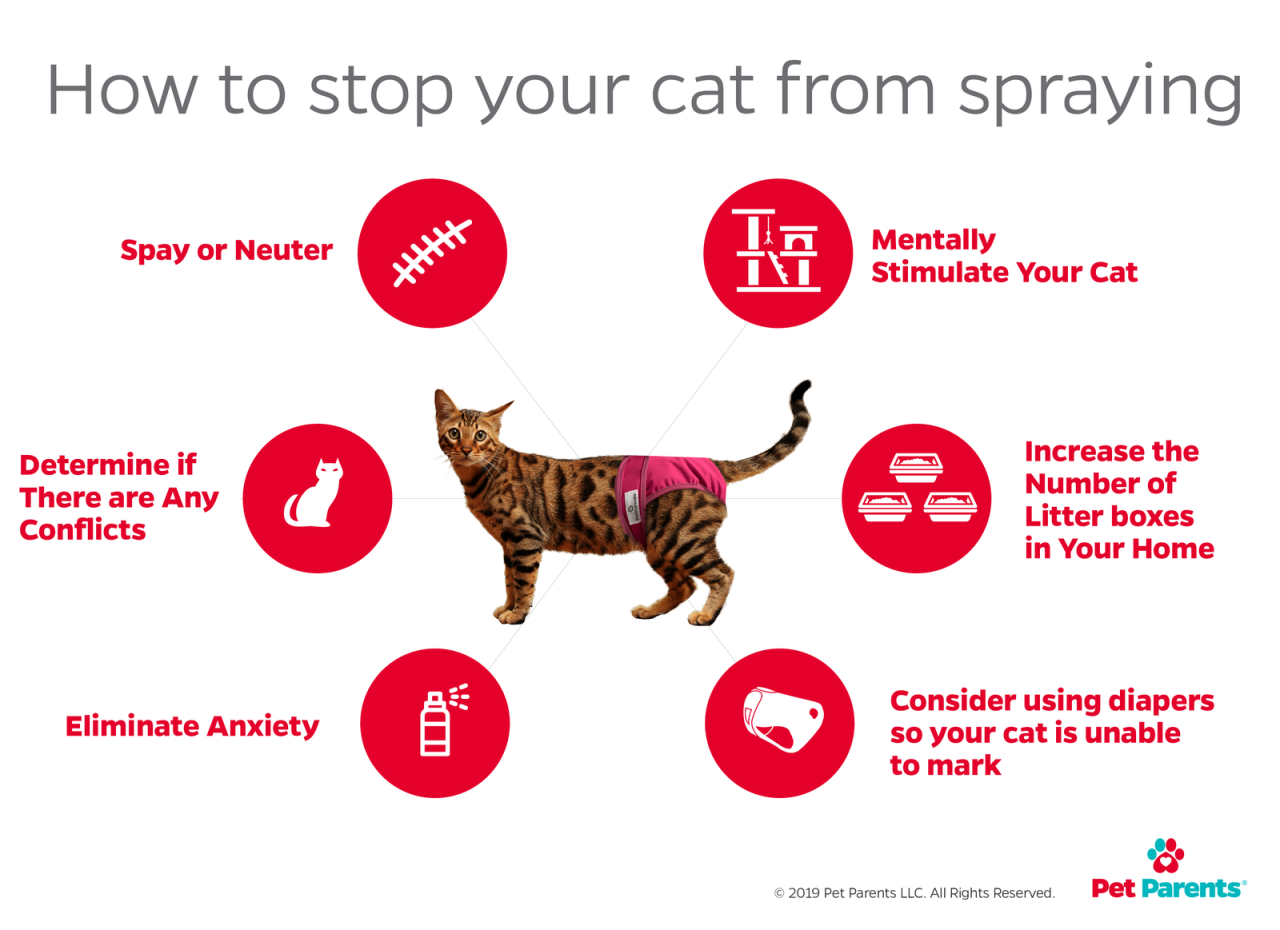
Cat spraying is a common behavioral issue that many pet owners encounter, often leading to confusion and concern. Gaining insight into the biological and behavioral foundations of this behavior is essential for effective management and resolution. Recognizing the underlying causes helps in distinguishing between normal territorial marking and stress-induced spraying, thereby guiding appropriate interventions.
Spraying involves a cat releasing a small amount of urine onto vertical surfaces, such as walls, furniture, or curtains. Unlike regular urination, which is for elimination, spraying primarily serves communication purposes. It is a natural behavior rooted in a cat’s instinct to communicate territory, reproductive status, or emotional state. Different triggers can activate this behavior, often influenced by environmental, social, or health factors.
Understanding these triggers and their contexts is key to addressing spraying effectively and compassionately.
Biological and Behavioral Reasons Behind Cat Spraying
Cat spraying is driven by a combination of biological instincts and behavioral responses. It primarily serves as a communication tool, conveying messages to other cats or expressing a cat’s emotional state. The underlying biological mechanisms involve hormonal influences, particularly testosterone in males and estrogen in females, which heighten territorial instincts, especially during reproductive periods.
Behaviorally, spraying functions as a method of marking territory, establishing dominance, or signaling reproductive readiness. This behavior is more prevalent among unneutered or unspayed cats, although it can persist in neutered/spayed cats due to learned habits or environmental triggers. The act of spraying is an innate survival strategy, inherited from wild ancestors, adapted to communicate between individuals without physical confrontation.
Common Triggers and Environmental Factors Leading to Spraying
Multiple triggers and environmental conditions can provoke spraying behavior in cats. These factors often relate to changes or stressors within their environment, which provoke territorial or emotional responses. Recognizing these triggers enables pet owners to modify conditions and reduce incidents of spraying.
Potential environmental triggers include:
- Presence of new animals, such as other cats or pets, that threaten established territory.
- Introduction of new household members or changes in routine that cause stress or uncertainty.
- Changes in living arrangements, such as moving homes or rearranging furniture.
- Access to outdoor areas where other cats may be present, leading to territorial disputes.
- Unclean litter boxes or inadequate sanitation, prompting cats to mark territory elsewhere.
- Low stimulation or boredom, leading cats to engage in marking behaviors for attention.
Environmental stressors can escalate spraying, especially in multi-cat households where territorial boundaries are challenged. Conversely, a stable, enriched environment often reduces the likelihood of spraying triggered by stress or territorial disputes.
Territorial Marking Versus Stress-Related Spraying
Understanding the distinction between territorial marking and stress-related spraying is crucial for targeted behavioral interventions. Both behaviors involve urine marking but are driven by different motivations and environmental contexts.
Territorial marking is a natural, instinctive behavior primarily aimed at establishing and defending a cat’s territory. It is more common in intact (unneutered/neutered) cats and often occurs in specific locations, such as doorways, windows, or corners. This type of spraying is generally predictable and occurs periodically, especially when the cat perceives a threat or the presence of rival cats.
“Territorial marking serves as a communication method to signal occupancy, status, or reproductive availability.”
In contrast, stress-related spraying is a response to emotional distress, anxiety, or environmental changes. It may occur suddenly, be more widespread across the home, and be accompanied by other signs of stress, such as hiding, excessive grooming, or vocalization. Stress-induced spraying often involves unneutered or newly introduced cats who feel threatened or insecure.
While territorial marking is a normal behavior that can be managed through environmental adjustments and neutering, stress-related spraying often requires addressing underlying emotional or social issues. Techniques such as environmental enrichment, increased social interaction, and, in some cases, veterinary behavioral therapy can be effective in reducing stress-related spraying behaviors.
Techniques for Preventing Cat Spraying

Preventing cat spraying requires a proactive approach to modify the environment, deter undesired marking behaviors, and promote a sense of security for your feline companion. Implementing effective strategies involves understanding environmental adjustments, using specific products, and enriching your cat’s surroundings to reduce stress and territorial motivations that lead to spraying. Consistency and patience in applying these techniques are key to achieving long-term success.
By creating a safe, engaging, and scent-controlled environment, pet owners can significantly decrease the likelihood of spraying behavior. This approach not only addresses the immediate issue but also supports your cat’s overall well-being, helping to foster a harmonious household.
Modifying the Environment to Reduce Spraying
Environmental modifications are fundamental in curbing cat spraying. These adjustments aim to minimize stressors, establish clear boundaries, and create a space where your cat feels secure. The following step-by-step guide Artikels the practical changes you can make:
- Identify and Remove Stress Triggers: Observe your cat’s behavior to spot sources of stress, such as unfamiliar visitors, loud noises, or other pets. Gradually introduce changes to reduce these triggers or provide safe spaces where your cat can retreat.
- Set Up Multiple Litter Boxes: Ensure that you have at least one litter box per cat, plus one extra, placed in quiet, accessible locations. Clean these boxes regularly to promote good hygiene and reduce frustration.
- Designate Cat-Friendly Areas: Create designated zones with comfortable bedding, scratching posts, and hiding spots. These areas foster a sense of security and reduce territorial stress that may lead to spraying.
- Limit Access to High-Value Marking Spots: Use barriers or deterrents to prevent access to furniture or corners frequently marked by spraying. Applying double-sided tape or furniture protectors can discourage marking on specific surfaces.
- Maintain a Consistent Routine: Feed, play, and interact with your cat at regular times. A predictable routine alleviates anxiety and helps your cat feel more in control of their environment.
Recommended Products and Their Purposes in Prevention
Introducing specific products can reinforce environmental modifications and provide additional support in preventing spraying. The table below summarizes some of the most effective items and their intended functions:
| Product | Purpose |
|---|---|
| Feliway Diffusers | Emit synthetic pheromones to mimic natural calming signals, reducing stress and territorial marking. |
| Cat Deterrent Sprays | Contain natural or synthetic scents that discourage cats from marking specific areas; often used on furniture or walls. |
| Scratching Posts and Pads | Provide appropriate surfaces for marking territory physically, diverting spraying behavior away from unwanted areas. |
| Enrichment Toys | Stimulate mental and physical activity, decreasing boredom and stress-related spraying tendencies. |
| Furniture Protectors | Durable covers or tapes that prevent marking on furniture, making it less attractive for spraying. |
Scent Masking and Environmental Enrichment to Deter Spraying
Utilizing scent masking techniques and environmental enrichment creates a more inviting and less stressful environment for your cat. These methods help to reduce the motivation to mark territory through spraying by addressing underlying anxiety and providing alternatives for natural behaviors.
Scent Masking: Employ calming sprays or diffusers that emit pheromones or neutral scents to diminish the appeal of previously marked areas. Regularly cleaning marked spots with enzymatic cleaners also removes residual scents that stimulate repeated spraying.
Environmental enrichment involves introducing stimulating objects and activities that fulfill your cat’s natural instincts, thus decreasing the need to mark territory. Examples include:
- Interactive toys that promote play and mental engagement
- Climbing trees or shelves to satisfy vertical exploration instincts
- Multiple scratching posts placed near high-traffic or marked areas
- Providing cozy hideouts and perches for resting and observation
These enhancements not only divert your cat’s attention from marking behaviors but also foster a sense of security and contentment, ultimately reducing the urge to spray.
Managing and Redirecting Spray Behavior
Effectively managing and redirecting a cat’s spraying behavior is essential for maintaining a harmonious environment and preventing future incidents. This process involves understanding how to safely guide your cat’s spraying tendencies towards more appropriate outlets, ensuring their well-being and reducing stress for both pet and owner. Proper techniques not only mitigate unwanted marking but also help reinforce positive behaviors and establish boundaries that are beneficial for long-term harmony.
Implementing successful strategies requires a combination of behavioral understanding and consistent training. It is important to approach this process with patience and a gentle demeanor, recognizing that spraying is often a response to environmental or emotional factors. By employing tailored techniques, pet owners can redirect spray behavior effectively while maintaining a trusting relationship with their feline companions.
Procedures for Safely Redirecting Spray Behavior
Redirecting a cat’s spraying onto appropriate areas involves a combination of environmental management, positive reinforcement, and behavioral cues. The goal is to create a space where the cat feels secure and has designated areas for marking or elimination, reducing the likelihood of spray incidents elsewhere.
Begin by observing where and when your cat is most likely to spray. Place scent-neutralizing cleaners on those spots to remove existing markers, then introduce designated areas such as a specific corner with a scratching post or cat tree, and encourage your cat to use these spaces. Use pheromone diffusers or sprays that mimic natural feline scent signals to create a calming environment and reinforce the desired behavior.
When your cat approaches or begins to spray in an undesired location, gently redirect their attention to the appropriate area. Use a soft voice, and reward them immediately with treats or praise when they use the correct spot. Consistency and patience are key to gradually modifying spray behavior and establishing new habits.
Effective Behavioral Modification Techniques
Incorporating behavioral modification techniques can significantly reduce spray incidents and promote positive habits. These methods focus on reinforcing desired behaviors and discouraging unwanted marking through consistent, humane practices.
- Positive Reinforcement: Reward the cat immediately when they use the appropriate area for marking or elimination. Use treats, praise, or petting to strengthen the association between the behavior and positive outcomes.
- Environmental Enrichment: Provide ample stimulation through toys, scratching posts, and interactive play sessions. An enriched environment reduces stress and territorial disputes that often lead to spraying.
- Stress Reduction: Use calming pheromone diffusers, maintain a predictable routine, and ensure the cat’s environment is secure and free from stressors such as unfamiliar animals or frequent visitors.
- Behavioral Cue Training: Use consistent commands or signals to indicate acceptable behavior. For example, a gentle sound or phrase can be used when the cat approaches an inappropriate spray spot, followed by redirecting to the proper area.
Preventative Measures Organized in a Table
Implementing preventative methods can drastically decrease the chances of spray behavior recurring. The following table summarizes various techniques, along with their advantages and potential drawbacks, aiding pet owners in selecting the most appropriate strategies for their situation.
| Method | Advantages | Disadvantages |
|---|---|---|
| Use of Synthetic Pheromone Diffusers | Creates a calming environment, reduces stress, discourages marking | Requires continuous use, may not be effective in severe cases |
| Environmental Enrichment | Reduces boredom and stress, promotes natural behaviors, discourages territorial marking | Requires investment in toys and accessories, ongoing engagement needed |
| Regular Cleaning of Marked Areas | Eliminates scent cues, discourages re-marking, keeps environment clean | Time-consuming, must be done thoroughly to be effective |
| Providing Multiple Litter Boxes and Scratching Posts | Reduces territorial conflicts, offers outlets for natural behaviors, minimizes stress | Needs space and ongoing maintenance, may require multiple installations |
| Neutering or Spaying | Significantly decreases hormonal-driven spraying, improves behavior | Involves veterinary procedure, not an immediate fix for all cases |
Proper management of spray behavior combines environmental adjustments, behavioral techniques, and preventative strategies, leading to a more harmonious and stress-free environment for both cats and their owners.
Natural and Home Remedies to Stop Spraying
Addressing cat spraying through natural and home remedies offers a gentle yet effective approach to modifying behavior without relying solely on commercial deterrents or medications. These remedies harness the power of herbs, essential oils, and simple household solutions to create an environment that discourages spraying while promoting a sense of security and well-being for your feline companion.
Implementing natural strategies can not only help reduce unwanted spraying but also improve the overall harmony within your home. When used consistently and correctly, these remedies serve as safe alternatives that respect your cat’s health and natural instincts.
Herbal Supplements and Natural Remedies
Many herbal supplements possess calming properties that can help reduce stress and territorial behaviors associated with spraying. Herbs such as valerian, chamomile, and lavender are known for their soothing effects on cats. These can be incorporated into your pet’s diet or used as herbal infusions to promote tranquility. Additionally, some natural remedies act as urinary tract health supporters, reducing discomfort that might trigger spraying behaviors.
Always consult a veterinarian before introducing herbal supplements to ensure they are appropriate and safe for your cat’s specific health needs.
Home-Based Deterrent Recipes and Application Methods
Creating effective deterrents at home involves simple, natural ingredients that have been proven to discourage spraying behaviors. These solutions are easy to prepare and can be applied in problem areas to serve as unpleasant scents or textures that cats tend to avoid. Consistent application of these remedies can help reshape your cat’s marking habits over time.
For example, a homemade spray made from diluted vinegar or citrus peels can be used to treat areas where spraying occurs. Cats typically dislike the strong scent of vinegar and citrus, making these effective deterrents when applied regularly. Additionally, placing non-scented, double-sided tape on furniture or surfaces can create a texture that discourages cats from marking their territory.
Note that these natural deterrents should be used alongside other behavioral strategies and environmental enrichment to maximize effectiveness.
Essential Oils and Herbs That May Help Reduce Spraying
Several essential oils and herbs have been recognized for their ability to reduce spraying behaviors by calming cats or masking areas with scents they find unappealing. When used appropriately, these natural options can serve as powerful tools in your cat’s behavioral management plan.
- Lavender: Known for its calming effects, lavender oil can be diffused in the home or diluted and applied to bedding or designated areas.
- Rosemary: Its strong scent can act as a natural repellent, discouraging cats from marking specific spots.
- Geranium: Used in diluted form, it can help reduce anxiety-related behaviors, including spraying.
- Citronella: Its citrus aroma can act as a deterrent, but care must be taken to avoid direct contact or ingestion by cats.
- Valerian: While primarily used as a calming supplement, valerian root can also be used in sachets or diffusers to promote relaxation and decrease territorial marking.
When utilizing essential oils, always ensure they are properly diluted and used in well-ventilated areas, as some oils can be toxic to cats if misused. Consulting with a veterinarian or a professional aromatherapist is recommended to customize your approach safely.
Medical and Veterinary Interventions
Addressing persistent cat spraying issues often requires integrating veterinary treatments into the overall management plan. Veterinary interventions can help identify underlying health or behavioral conditions contributing to spraying behavior and offer targeted solutions. Collaborating closely with a veterinarian ensures that the chosen approach is safe, effective, and tailored to the individual cat’s needs.
Veterinary treatments encompass a range of options, from diagnosing underlying medical issues to administering medications designed to modify behavior. Recognizing when professional intervention is necessary can significantly improve the chances of successfully resolving spraying problems and ensuring the well-being of the cat.
Veterinary Treatments for Spraying Issues
Veterinarians can perform comprehensive health assessments to rule out medical causes such as urinary tract infections, bladder stones, or hormonal imbalances that may manifest as spraying behavior. Treating any underlying health conditions is paramount before implementing behavioral modifications.
In cases where health issues are ruled out, the veterinarian may recommend specific behavioral interventions or medications to address the spraying. These treatments are often combined with environmental management strategies for optimal results.
Consulting a veterinarian becomes essential if a cat’s spraying behavior suddenly changes, persists despite behavioral interventions, or is accompanied by signs of distress or illness. Early veterinary involvement can prevent worsening of the behavior and improve the cat’s overall health.
Medication Options and Descriptions
The use of medication should always be supervised by a qualified veterinarian, as it involves assessing the specific needs of the cat and monitoring potential side effects. Below is a table summarizing common medication options used to manage spraying behavior:
| Medication | Description | Usage | Important Considerations |
|---|---|---|---|
| Fluoxetine (Reconcile, Prozac) | A selective serotonin reuptake inhibitor (SSRI) that helps regulate mood and reduce anxiety, which can contribute to spraying. | Administered orally, usually daily, for several weeks to observe behavioral changes. | Requires veterinary supervision; may cause side effects such as decreased appetite or lethargy. |
| Clomipramine (Anafranil) | A tricyclic antidepressant effective in decreasing anxiety-related spraying behaviors. | Prescribed as oral tablets; dosage depends on the cat’s weight and health status. | Monitoring for cardiac issues or side effects like gastrointestinal upset is necessary. |
| Sertaline | An SSRI similar to fluoxetine, used off-label for behavioral issues including spraying. | Typically given orally; dosage varies based on individual response. | Potential interactions with other medications; requires veterinarian oversight. |
| Hormonal Treatments (e.g., Megestrol Acetate) | Used to balance hormonal levels in cases related to reproductive behaviors. | Administered via injections or oral medications. | Associated with significant side effects such as diabetes and mammary tumors; use with caution and under veterinary guidance. |
Note: Medication should be part of a comprehensive treatment plan, including environmental modifications and behavioral training, to maximize success and minimize potential adverse effects.
Addressing Stress and Anxiety in Cats

Managing stress and anxiety is a vital component in reducing and preventing cat spraying behavior. Cats are sensitive creatures whose emotional well-being directly influences their actions, including territorial marking. Recognizing the signs of stress and implementing effective strategies can help create a calmer environment that discourages spraying and promotes overall health and happiness.
Understanding the sources of stress within the household and establishing a stable, soothing environment can significantly diminish anxiety-driven spraying. It involves observing your cat’s behavior carefully and making thoughtful adjustments to their surroundings and routine. Additionally, when concerns arise from significant changes or new introductions, employing specific techniques can ease the transition and prevent stress-related spraying episodes.
Identifying Stress Factors in the Household
Recognizing stress triggers in your home is the first step in addressing anxiety in your cat. Common factors include disruptions in routine, loud noises, conflicts with other pets, changes in the environment, or even a lack of stimulation. Some cats may show subtle signs of stress, such as hiding, excessive grooming, or changes in appetite, while others may exhibit spray marking as a direct response to their discomfort.
Keeping a close eye on your cat’s behavior and noting any recent household changes can help pinpoint specific sources of stress. If your cat begins spraying more frequently or exhibits other signs of anxiety, it is beneficial to consider the possible triggers and address them proactively.
Calming Strategies and Environmental Adjustments
Implementing calming strategies and modifying the living environment can substantially reduce stress levels in cats. These measures not only diminish anxiety but also foster a sense of security that discourages territorial marking.
- Provide Safe Spaces: Create quiet, comfortable areas where your cat can retreat and relax. Elevated perches, cozy beds, or tucked-away corners with soft bedding serve as effective refuges.
- Use Pheromone Diffusers: Synthetic feline pheromones, such as Feliway diffusers, mimic natural calming signals and have been shown to decrease spraying and anxiety.
- Maintain a Consistent Routine: Feeding, playtime, and interaction should occur at regular times to give your cat predictability and security.
- Offer Enrichment and Play: Engage your cat with interactive toys, scratching posts, and environmental enrichment to reduce boredom and stress-induced behaviors.
- Reduce Household Noise and Disruptions: Minimize loud sounds and sudden movements, especially during sensitive times, to prevent startling your cat.
Environmental stability and consistent routines are fundamental in reducing feline stress, thus decreasing territory-marking behaviors like spraying.
Introducing New Pets or Changes to Minimize Stress-Related Spraying
Transitions such as adding a new pet, moving to a new home, or significant household changes can provoke stress and trigger spraying in cats. Implementing careful procedures can ease these transitions, helping to maintain harmony and prevent territorial marking.
- Gradual Introductions: Introduce new pets slowly, starting with scent exchanges and supervised interactions. Use barriers or separate spaces initially, allowing your cat to become accustomed to the new presence at their own pace.
- Maintain Routine and Environment: Keep your cat’s daily routine consistent despite changes. Re-establish familiar furniture, bedding, and feeding schedules to provide stability.
- Designate Personal Spaces: Allocate specific areas for each pet to minimize competition and territorial disputes. Providing multiple litter boxes and feeding stations can also reduce stress.
- Offer Reassurance and Attention: Spend extra quality time with your cat during transitions. Gentle play, petting, and speaking softly can foster trust and reduce anxiety.
- Use Calming Products: Consider employing pheromone sprays or diffusers in the areas where the new pet is introduced to promote a calm environment.
Patience and gradual acclimatization are key to preventing stress-induced spraying when household changes occur. Recognizing your cat’s emotional needs and responding with gentle, consistent care can greatly ease their adjustment process.
Long-term Solutions and Monitoring
Maintaining a spray-free environment requires ongoing commitment and diligent management. Implementing consistent monitoring practices and adapting strategies over time are crucial to ensure that your cat remains comfortable and free from spraying behaviors. By establishing effective tracking systems and maintaining a proactive approach, you can sustain a peaceful household and address any emerging issues promptly.Effective long-term management involves regularly observing your cat’s behavior, recording incidents, and evaluating the success of your current strategies.
This continuous process helps identify patterns, triggers, or changes in your cat’s environment that may influence spraying. Consistent monitoring allows for timely interventions and adjustments, ensuring that the solutions you implement remain effective and relevant to your cat’s evolving needs.
Tracking Spraying Incidents and Evaluating Progress
Accurate documentation of spraying behavior is essential to assess the effectiveness of your intervention methods over time. Keeping detailed records provides insights into patterns, frequency, and potential triggers, enabling more targeted approaches.
- Maintain a behavior journal to log each incident, noting the date, time, location, and circumstances surrounding the spray. This helps identify patterns related to specific triggers such as new household members or changes in routine.
- Use a calendar or digital app to track incidents over days or weeks, facilitating the recognition of trends or improvements.
- Assess the frequency of spraying before and after implementing new techniques or remedies to measure progress objectively.
- Consider taking photographs or making sketches of marked areas to visually track changes or reductions in spraying over time.
Strategies for Maintaining a Spray-Free Environment
Creating a sustainable environment involves consistent practices and environmental modifications that discourage spraying behavior and promote your cat’s well-being.
To preserve a spray-free household, it is vital to implement ongoing environmental management and behavioral reinforcement strategies. These include maintaining clean and attractive litter boxes, providing ample vertical and horizontal spaces for exploration, and ensuring your cat’s territorial needs are met through enrichment.
- Regularly clean and deodorize spray-marked areas using enzymatic cleaners that effectively break down odor molecules, preventing your cat from returning to the same spot.
- Maintain a stable environment by avoiding sudden changes or introducing new pets or household members without gradual integration, reducing stress-induced spraying.
- Continue providing enrichment activities such as toys, scratching posts, and interactive play to reduce boredom and territorial stress.
- Reinforce positive behaviors by offering treats or praise when your cat remains calm and avoids spraying in previously problematic areas.
- Use pheromone diffusers or sprays periodically to promote a sense of security and reduce anxiety-related spraying.
Periodic Review and Adaptation of Strategies
Long-term success depends on the flexibility to adapt your approach based on ongoing observations. Regularly reviewing your records and evaluating the effectiveness of your methods ensures you remain responsive to your cat’s evolving needs.
> “Persistent monitoring and willingness to adapt strategies are key components in achieving and maintaining a spray-free environment for your cat.”
Schedule periodic reviews—monthly or quarterly—to analyze your documented incidents and assess whether current techniques are effective. If improvements plateau or spraying resumes, consider revising your behavioral management plan, consulting your veterinarian, or exploring new environmental modifications. Staying proactive and attentive ensures long-term success in preventing spray marking and fostering a harmonious home.
Ending Remarks
In conclusion, addressing cat spraying requires a multifaceted approach that combines environmental modifications, behavioral techniques, natural remedies, and professional veterinary advice. By implementing these strategies consistently, you can create a stress-free, harmonious space for your feline friends while minimizing unwanted spraying. Patience and observation are key to achieving lasting success in managing this behavior effectively.