Learning how to spay a cat is an essential step in responsible pet ownership, contributing to the health and well-being of feline companions while helping control the feline population. This procedure, rooted in veterinary science and animal welfare, has evolved significantly over time, addressing common misconceptions and emphasizing its benefits. Understanding the process from preparation to recovery ensures both the safety of the cat and peace of mind for the owner.
In this comprehensive guide, we explore the importance of spaying, detailed preparation steps, the surgical procedure itself, as well as postoperative care and potential risks. By gaining insight into each phase, pet owners can make informed decisions and support their cats through a safe and smooth recovery.
Introduction to Spaying Cats
Spaying cats is a vital veterinary procedure that offers numerous benefits for both individual animals and the broader community. It involves surgically removing the ovaries and often the uterus, rendering the cat unable to reproduce. This procedure not only helps prevent unwanted litters, contributing significantly to population control, but also promotes better health and longevity for feline companions.
Historically, the concept of sterilizing animals dates back thousands of years, with ancient civilizations practicing rudimentary forms of animal castration and spaying. Modern veterinary medicine has evolved to refine these techniques, making them safer and more effective. Today, spaying is recognized worldwide as a standard component of responsible pet ownership, supported by veterinary associations and animal welfare organizations. It has become a cornerstone for managing feral populations and reducing the number of stray animals suffering from health issues or malnutrition.
Common Misconceptions and Myths About Spaying Cats
Despite widespread understanding of the benefits, several misconceptions persist about spaying cats, often leading to reluctance among pet owners. Clarifying these myths helps promote informed decisions and responsible feline care.
- Myth: Spaying causes weight gain and laziness in cats.
While some cats may experience slight weight changes post-surgery, this is primarily due to altered activity levels or diet, not the procedure itself. Proper nutrition and regular play can help maintain a healthy weight.
- Myth: Spaying alters a cat’s personality negatively.
Spaying does not change a cat’s personality. It can, in fact, reduce behaviors associated with mating instincts, such as yowling or aggression, leading to a calmer demeanor.
- Myth: Spaying is unnecessary if a cat is kept indoors.
Even indoor cats can benefit from spaying, as it prevents accidental pregnancies and reduces the risk of certain health issues, such as mammary tumors and ovarian cysts.
- Myth: Spaying is a painful and risky procedure.
Modern veterinary techniques ensure that spaying is performed under anesthesia with appropriate pain management. The procedure is generally safe, with minimal risks when conducted by qualified professionals.
Understanding these facts helps dispel misconceptions and encourages pet owners to consider spaying as a responsible and beneficial choice for their feline companions. It also underscores the importance of consulting with veterinary professionals to address any concerns and to ensure the procedure is done safely and humanely.
Preparing for the Spay Procedure

Proper preparation before a cat’s spay surgery is crucial in ensuring a smooth operation and a swift recovery. This phase involves both physical and mental readiness, selecting qualified veterinary care, organizing necessary supplies, and conducting health assessments to confirm that the cat is fit for anesthesia and surgery.
Attention to detail during the preparatory steps can reduce stress for both the pet and owner, minimize the risk of complications, and support optimal post-operative healing.
Physical and Mental Preparation of the Cat
Preparing a cat physically and mentally involves creating a calm environment, ensuring the animal is healthy, and minimizing anxiety prior to scheduled surgery. It is essential to start with a gentle approach to reduce stress and foster a sense of security.
- Maintain a consistent routine in the days leading up to the surgery to prevent unnecessary stress.
- Keep the cat indoors to limit exposure to potential hazards and reduce travel-related anxiety.
- Provide a quiet, comfortable space where the cat can rest peacefully before the procedure.
- Avoid feeding the cat approximately 8-12 hours before surgery to minimize the risk of vomiting during anesthesia, as recommended by most veterinary protocols.
- Ensure access to fresh water until the pre-surgical fasting period begins.
Mentally, the goal is to keep the cat as calm as possible. Using pheromone diffusers, such as Feliway, can help create a soothing atmosphere. Gentle petting and familiar items like a blanket or bedding can also alleviate anxiety.
Choosing a Qualified Veterinarian or Surgical Clinic
Selecting a reputable veterinarian or surgical facility is fundamental to ensuring your cat receives high-quality care. Look for clinics with experienced veterinary surgeons, proper accreditation, and positive client testimonials. Transparency regarding their sterilization procedures and post-operative care is also essential.
- Verify the clinic’s licensing and accreditation from recognized veterinary associations.
- Review reviews and seek recommendations from other pet owners or local animal rescue groups.
- Ensure the clinic has appropriate surgical facilities, including sterilization protocols and emergency equipment.
- Confirm the availability of preoperative assessments and postoperative support services.
Preoperative Checklist of Supplies and Care
Preparing a checklist ensures all necessary items and care steps are accounted for, reducing last-minute stress and ensuring comprehensive readiness for the procedure.
| Item | Purpose | Specifications / Quantity | Notes |
|---|---|---|---|
| Surgical gown and gloves | Maintains sterile environment | Multiple sets for surgical team | Disposable or sterilizable |
| Monitoring equipment (e.g., ECG, pulse oximeter) | Tracks vital signs during surgery | As per veterinary clinic standards | Ensure proper calibration |
| Preoperative fasting supplies | Enforce fasting period | Fasting guidelines for 8-12 hours | Remove food but provide water until fasting begins |
| Postoperative pain medications | Manage pain after surgery | As prescribed by veterinarian | Follow dosage instructions carefully |
Health Checks and Blood Tests Prior to Surgery
Assessing your cat’s health through comprehensive checks and laboratory tests helps identify any underlying conditions that might complicate anesthesia or surgery. Such evaluations are vital for minimizing risks and ensuring a safe procedure.
- Complete physical examination to detect signs of illness, infection, or underlying health issues.
- Blood tests, including a complete blood count (CBC) and biochemistry profile, to evaluate organ function, blood clotting ability, and overall health status.
- Assessment for infectious diseases, such as feline immunodeficiency virus (FIV) or feline leukemia virus (FeLV), especially in cats with unknown health histories.
- If indicated, additional diagnostics like chest X-rays or ultrasound may be performed to evaluate internal organs.
Performing these health checks allows veterinarians to tailor anesthesia protocols, administer necessary preoperative treatments, and plan for post-surgical care effectively.
The Spaying Procedure

The spaying procedure, also known as ovariohysterectomy, is a common surgical intervention performed to sterilize female cats. It involves the removal of the ovaries and the uterus to prevent reproduction and reduce the risk of certain health issues. This procedure requires meticulous preparation, precision during surgery, and careful management of anesthesia to ensure the safety and comfort of the feline patient.
Understanding each step of the process provides clarity on how veterinarians execute this essential operation effectively and humanely.
During spaying, the veterinarian follows a structured sequence that begins with anesthesia administration, proceeds through the surgical incision and removal of reproductive organs, and concludes with incision closure. Each phase is critical to minimize risks, promote swift recovery, and guarantee a successful sterilization. The following description offers an in-depth look into the step-by-step process, complemented by anatomical references, to elucidate how this procedure is performed with precision and care.
Preparation and Anesthesia Administration
Prior to the surgical procedure, the cat is carefully prepared to ensure optimal conditions for surgery. The veterinarian confirms the animal’s health status, verifies fasting status, and administers preoperative medications as needed. Anesthesia is then induced to ensure the cat remains unconscious and pain-free throughout the operation. This typically involves the administration of injectable agents such as ketamine combined with sedatives, or inhalant anesthetics like isoflurane administered through a mask or endotracheal tube.
Once anesthesia is established, the cat is intubated to secure the airway and connected to a ventilator if necessary. Continuous monitoring of vital signs—including heart rate, respiratory rate, oxygen saturation, and body temperature—is maintained. An analgesic is administered to manage pain effectively during and after the procedure. Proper anesthesia management is essential for minimizing stress, preventing intraoperative awareness, and ensuring smooth recovery.
Surgical Incision and Exposure of Reproductive Organs
The surgeon then proceeds with the incision, which is typically made along the midline of the abdomen, just below the umbilicus. The skin and underlying tissues are carefully cut through using sterile instruments, exposing the abdominal cavity. The surgeon gently retracts the muscles and peritoneal layers to visualize the reproductive organs.
In an anatomical diagram of feline reproductive organs, the ovaries are small, oval-shaped structures located near the kidneys, connected to the uterine horns—tubes that extend from the ovaries to the uterine body. The uterus itself resembles a Y-shaped structure with two uterine horns extending from the uterine body, which is situated centrally in the abdominal cavity. The surgeon carefully identifies these structures, ensuring minimal trauma to surrounding tissues.
Ovary Removal and Uterine Management
The core step of spaying involves the removal of the ovaries and often the entire uterine structure. Using fine surgical tools, the veterinarian ligates the blood vessels supplying the ovaries to prevent hemorrhage. The ovaries are then carefully excised at their base, ensuring complete removal to prevent any residual ovarian tissue.
Next, the uterine horns are transected at their attachments and ligated similarly to prevent bleeding. The removal of both ovaries and uterine horns eradicates the feline’s reproductive capacity and significantly reduces the risk of reproductive diseases such as pyometra and ovarian tumors. The surgeon meticulously inspects the surgical site for bleeding, ensuring hemostasis before closing the incision.
Surgical Closure and Anesthesia Management
Once all reproductive tissues are removed, the surgeon irrigates the abdominal cavity to clear any debris and ensures bleeding is controlled. The muscles and peritoneal layers are sutured using absorbable sutures, followed by skin closure with sutures, staples, or tissue adhesive, depending on the veterinarian’s preference.
Throughout the procedure, anesthesia is continuously monitored, and adjustments are made as needed to maintain its depth. The duration of the spaying typically ranges from 20 to 45 minutes, depending on the cat’s size, age, and the complexity of the procedure. Post-operation, the cat is gradually weaned off anesthesia, monitored closely during recovery, and provided with pain management and supportive care to facilitate healing.
Postoperative Care and Recovery

Proper postoperative care is essential to ensure a smooth recovery for your cat following spaying surgery. This phase involves attentive wound care, managing activity levels, and monitoring for any signs of complications. Providing a calm and comfortable environment helps facilitate healing and reduces stress for the feline patient.
Effective postoperative management minimizes discomfort and supports tissue healing. It also allows pet owners to identify early warning signs of potential issues, ensuring prompt veterinary intervention if necessary. Understanding the key aspects of recovery helps ensure your cat returns to full health swiftly and safely.
Wound Care and Activity Restrictions
Maintaining the surgical site clean and protected is crucial during the initial healing period. Typically, your veterinarian will recommend keeping your cat indoors and confined to a small, quiet space to prevent excessive movement or jumping, which could disrupt sutures or cause bleeding. The incision should be monitored daily for swelling, redness, or discharge, which could indicate infection or wound dehiscence.
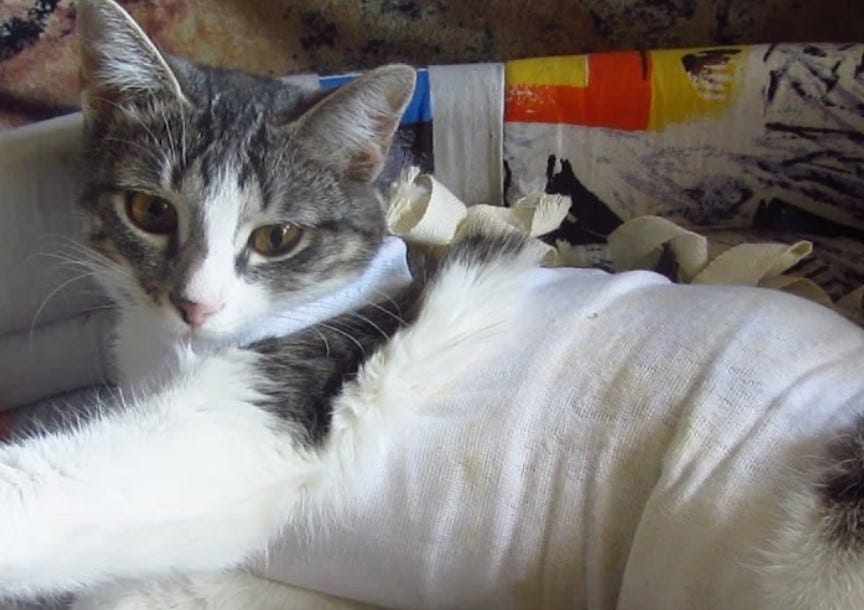
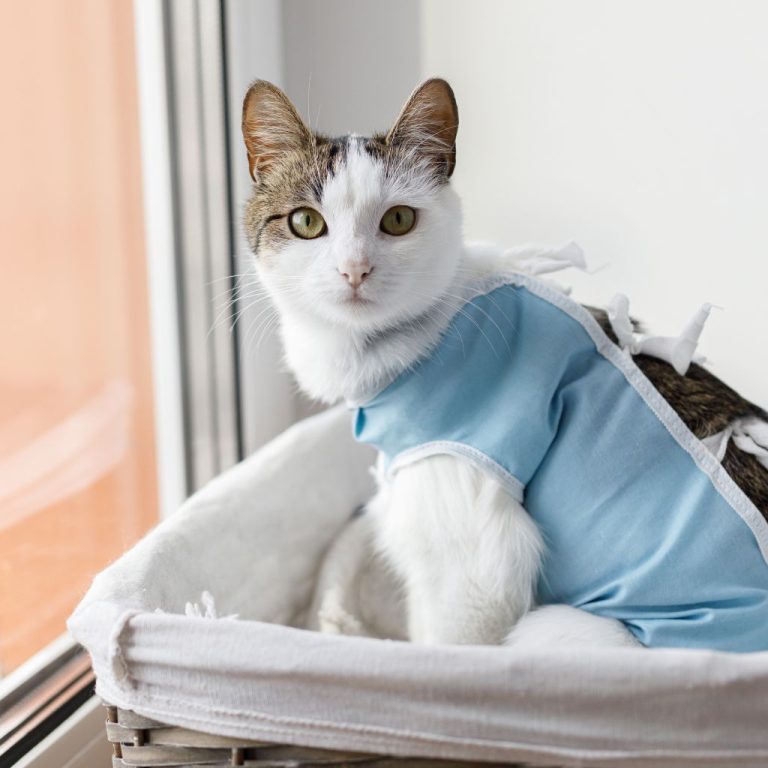
Prevent licking or scratching of the surgical site by using an Elizabethan collar (e-collar) or similar device. Avoid bathing your cat until the veterinarian confirms that the wound has healed adequately. Administer prescribed medications as directed, including pain relief and antibiotics, to promote comfort and prevent infection.
Restrict vigorous activity, including jumping or running, for at least 10 to 14 days post-surgery. Restrictions should be tailored based on the veterinarian’s assessment and the individual cat’s healing progress. Observing your cat closely during this period is vital to catch any early signs of distress or complications.
Signs Indicating Normal Recovery versus Complications
Recognizing the difference between normal recovery signs and potential complications enables timely intervention. The following list helps pet owners distinguish these aspects:
- Normal Recovery Signs: Gradual decrease in swelling or redness around the surgical site, mild discomfort or soreness, normal appetite, energy levels returning to baseline, and wound healing with no unusual discharge.
- Signs of Possible Complications: Excessive swelling, persistent or increasing redness, foul-smelling discharge, bleeding from the incision, lethargy, loss of appetite beyond the initial postoperative period, vomiting, or signs of pain such as vocalization or agitation. Any swelling or swelling that becomes hard or tender warrants veterinary evaluation.
Postoperative Care Schedule
Implementing a structured care routine helps ensure consistent monitoring and management during recovery. The following table offers an example of a postoperative care schedule with recommended activities, timing, precautions, and notes:
| Activities | Timing | Precautions | Notes |
|---|---|---|---|
| Check incision site | Daily, morning and evening | Look for redness, swelling, discharge | Use gentle handling, avoid touching sutures directly |
| Administer medications | As prescribed, usually twice daily | Follow veterinary instructions carefully | Use a syringe or pill pocket for easier administration |
| Limit activity | First 10-14 days post-surgery | Prevent jumping, running, vigorous play | Provide a quiet, confined space |
| Provide comfort and supervision | Throughout recovery | Avoid leaving the cat unsupervised for long periods | Maintain a calm environment to reduce stress |
Pain Management and Medication Administration
Controlling pain after spaying surgery is fundamental to ensuring your cat’s comfort and promoting healing. Veterinarians typically prescribe analgesics, such as non-steroidal anti-inflammatory drugs (NSAIDs) or opioids, depending on the individual case. It is vital to administer medications exactly as directed, using appropriate dosing schedules to prevent under- or over-medication.
Many cats respond well to oral medications mixed with food or given directly via syringe, which minimizes stress during administration. Observe your cat closely for signs of pain, such as vocalization, restlessness, or hiding behaviors. If your cat shows persistent discomfort or adverse reactions to medications, contact your veterinarian promptly. Proper pain management not only enhances recovery but also reduces the risk of stress-induced complications, supporting overall well-being during this recovery phase.
Risks and Complications
While spaying is a routine and generally safe surgical procedure, it is essential for pet owners and veterinary professionals to be aware of potential risks and complications that can arise during or after the operation. Recognizing these issues early and understanding how to mitigate them can significantly improve the outcome and ensure the well-being of the cat.
Potential complications from spaying can range from minor to severe. Proper surgical technique, vigilant postoperative care, and prompt veterinary attention are key in minimizing these risks. Being informed about the common complications allows caregivers to respond appropriately and seek timely intervention if necessary.
Common Risks During and After Spaying
Understanding the possible risks associated with spaying helps in preparing for and managing potential issues. Although most cats recover without incident, some may experience complications that require medical attention.
- Infection: Surgical sites can become infected if bacteria enter the wound, leading to redness, swelling, discharge, or foul odor. Proper aseptic technique during surgery and wound care at home are critical to reduce this risk.
- Bleeding: Excessive bleeding during or after surgery can occur, especially if blood vessels are not adequately secured or if the cat has a bleeding disorder. Monitoring the incision site and overall health is vital to detect early signs of hemorrhage.
- Adhesions: Internal scar tissue may form, potentially causing discomfort or bowel obstruction in rare cases. Ensuring gentle handling of tissues during surgery and minimizing tissue trauma can help prevent this.
- Reactions to Anesthesia: Adverse reactions to anesthetic agents can include respiratory issues, irregular heart rhythms, or allergic responses. Preoperative assessment and anesthetic monitoring are essential to mitigate these risks.
Steps to Take if Adverse Signs Are Observed
Early detection and prompt response are fundamental when signs of complications appear. Pet owners should be vigilant during the recovery period and know when to seek veterinary assistance.
- Persistent or Severe Bleeding: Apply pressure to the incision site with a clean cloth. If bleeding continues unabated, contact the veterinarian immediately.
- Signs of Infection: Look for redness, swelling, warmth, pus, or foul odor around the wound. Fever or lethargy may also indicate infection.
- Excessive Swelling or Discharge: Significant swelling or abnormal discharge warrants veterinary evaluation to prevent complications.
- Behavioral Changes: Continuous vomiting, difficulty breathing, or unresponsiveness should be treated as urgent and require immediate veterinary attention.
- Prolonged Pain or Discomfort: If pain persists beyond the prescribed pain management period, consult the veterinarian for appropriate intervention.
Importance of Follow-Up Veterinary Visits
Follow-up visits are crucial to ensure proper healing and to monitor for any delayed or hidden complications. A veterinarian can assess the surgical site, remove sutures if necessary, and provide additional guidance on care and activity restrictions.
Regular check-ups also allow for early detection of issues such as infections or internal adhesions that may not be immediately apparent to the pet owner. Maintaining open communication with the veterinary team enhances recovery outcomes and helps ensure the long-term health of the cat.
Ethical and Welfare Considerations
Spaying cats is a significant aspect of responsible pet ownership and animal welfare. It not only helps control the population of stray and feral cats but also promotes healthier, longer lives for individual animals. Ethical considerations surrounding spaying are rooted in the desire to prevent suffering caused by unwanted litters and overpopulation, which can lead to neglect, abandonment, and euthanasia of surplus animals.
Ensuring the welfare of cats through humane population management reflects a commitment to compassionate stewardship of animal life and community health.
Alternative methods such as contraception or neutering offer additional options for managing feline populations; however, they each have distinct implications for animal welfare and ethical considerations. Comparing these approaches helps highlight the importance of spaying as a long-term, effective solution aligned with humane principles. Community cat management programs exemplify how coordinated efforts incorporating spaying can lead to sustainable and ethical outcomes, reducing the burden of feral populations while improving the quality of life for free-roaming cats and the communities they inhabit.
Ethical Guidelines for Responsible Pet Ownership Related to Spaying
The following guidelines serve as a foundation for ethical responsibility in pet ownership, emphasizing the importance of spaying and overall animal welfare:
- Prioritize spaying or neutering all pet cats to prevent unwanted litters and reduce overpopulation.
- Ensure timely access to veterinary care for spaying procedures, considering the animal’s health and well-being.
- Educate pet owners about the health, behavioral, and environmental benefits of spaying and responsible breeding practices.
- Support community programs that facilitate affordable or free spaying services, especially in underserved areas.
- Adopt a compassionate approach to stray and feral cats by promoting trap-neuter-return (TNR) programs to manage populations ethically and sustainably.
- Respect the intrinsic value of all animals, making decisions that prioritize their health and welfare over convenience or aesthetic preferences.
- Maintain accountability and transparency in pet breeding, ensuring that animals are bred responsibly and with consideration for their future well-being.
Community Cat Management Programs and Their Impact
Community cat management initiatives, particularly trap-neuter-return (TNR), exemplify effective and humane strategies for controlling feral cat populations. These programs involve trapping stray and feral cats, spaying or neutering them, and then returning them to their original environment. By doing so, communities address the root causes of overpopulation, reducing the number of cats suffering from starvation, disease, and exposure to harsh environmental conditions.
Successful examples include programs in cities like San Francisco and Toronto, where coordinated efforts have resulted in significant declines in feral populations and improved community health. These initiatives also foster community engagement and awareness, encouraging responsible pet ownership and humane treatment. The ethical advantage of TNR and similar programs lies in their focus on reducing suffering and promoting coexistence between humans and cats, rather than euthanasia or abandonment.
Last Word
In conclusion, spaying a cat is a critical aspect of responsible pet care that benefits individual cats, communities, and animal welfare as a whole. Proper preparation, understanding the procedure, and attentive postoperative care are vital to ensure a successful outcome. Empowered with knowledge, pet owners can confidently undertake this important responsibility, fostering healthier and happier feline companions for years to come.