Understanding how to prevent cat hairballs is essential for maintaining your feline friend’s health and comfort. Hairballs are a common issue many cat owners face, but with the right knowledge and strategies, you can significantly reduce their occurrence and improve your cat’s well-being. Delving into dietary habits, grooming routines, and environmental adjustments provides a comprehensive approach to managing this natural yet sometimes problematic phenomenon.
By implementing effective grooming techniques, choosing the appropriate diet, and creating a stress-free environment, you can help your cat shed less fur and minimize hairball formation. Recognizing early signs and understanding the various solutions available ensures you are well-equipped to support your pet’s health proactively and comfortably.
Understanding Cat Hairballs
Hairballs are a common occurrence in cats, especially those with long or dense fur. While often considered a normal aspect of feline grooming, excessive hairball formation can signal underlying health issues or grooming habits that need attention. Recognizing how hairballs form and identifying their signs can help pet owners better manage their cats’ well-being and prevent potential complications.
Hairballs develop through a natural process where cats repeatedly groom themselves, ingesting loose or shed fur along the way. Over time, this ingested hair accumulates in the stomach, forming a compact mass. Cats often attempt to expel these hairballs through vomiting, which is their body’s way of clearing the accumulated hair. However, frequent or large hairballs can lead to discomfort, nutritional issues, or more serious gastrointestinal problems if not properly addressed.
Formation Process of Hairballs in Cats
The formation of hairballs involves a combination of grooming behavior, hair shedding, and digestive processes. Cats instinctively groom themselves to keep their fur clean and free of parasites. During grooming, they use their tongue, which has tiny, hook-like structures called papillae, to gather loose hair, dirt, and oil from their coat. This loose hair is then swallowed. In most cases, the ingested hair passes harmlessly through the digestive tract and is excreted in the feces.
When the amount of swallowed hair exceeds the digestive system’s capacity to process it, the hair begins to accumulate in the stomach, forming a compact mass. The cat’s body recognizes this as a foreign object, prompting it to vomit in an attempt to expel the hairball. This process is a natural reflex and usually not a cause for concern if it occurs infrequently and in small amounts.
Signs and Symptoms of Hairball Problems
Awareness of the signs indicating problematic hairball buildup is essential for timely intervention. Not all hairball episodes are cause for alarm, but persistent symptoms may indicate underlying health issues or the need for preventative measures.
Common signs include:
- Frequent or prolonged vomiting episodes, often containing hair or a partially digested mass
- Difficulty or reluctance to eat, sometimes accompanied by decreased appetite
- Lethargy or decreased activity levels
- Constipation or difficulty passing stool, which may be linked to hairball blockage
- Hacking or retching without producing a hairball
Monitoring these signs helps in identifying when hairball issues may be developing into more serious health concerns. Recurrent vomiting or symptoms like loss of appetite and lethargy warrant a consultation with a veterinarian to rule out obstruction or other gastrointestinal problems.
Health Risks of Frequent Hairball Occurrences
While occasional hairballs are a normal aspect of feline grooming, frequent or severe hairball episodes can pose health risks. These include both immediate discomfort and potential long-term complications that require medical attention.
Health risks associated with persistent hairball problems include:
| Risk | Description |
|---|---|
| Intestinal Blockage | Large hairballs can obstruct the gastrointestinal tract, leading to vomiting, constipation, abdominal pain, and, in severe cases, life-threatening complications. A veterinarian may need to intervene surgically if natural passage is not possible. |
| Malnutrition and Dehydration | Frequent vomiting and reduced food intake can lead to nutritional deficiencies and dehydration, weakening the cat’s overall health and immune response. |
| Chronic Gastrointestinal Irritation | Repeated hairball regurgitation may cause inflammation of the esophagus and stomach lining, resulting in discomfort, difficulty swallowing, or further digestive problems. |
| Underlying Health Conditions | Excessive hairball formation may be symptomatic of other health issues such as allergies, skin conditions, or digestive disorders that require comprehensive diagnosis and management. |
Proactive management of hairball formation can significantly reduce these risks, promoting a healthier and more comfortable life for your feline companion.
Dietary Strategies to Prevent Hairballs
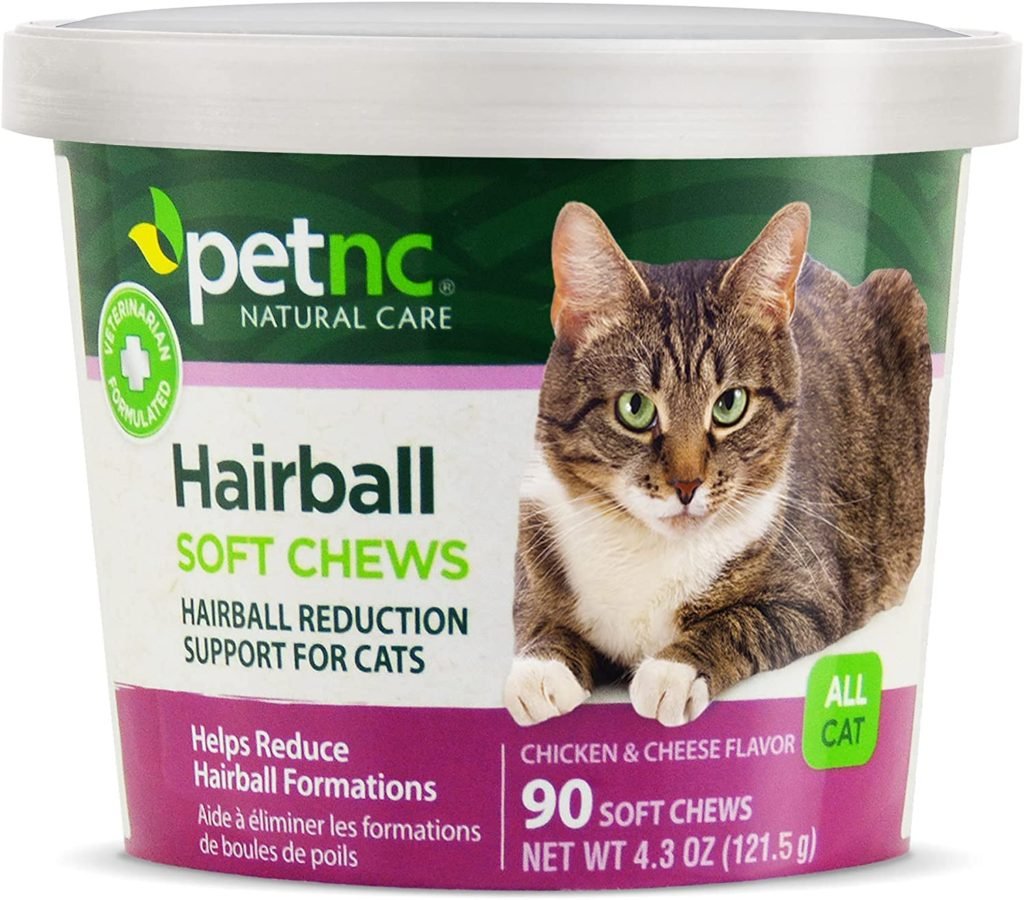
Implementing appropriate dietary strategies is a crucial component in managing and preventing the formation of hairballs in cats. Proper nutrition not only supports overall health but also specifically aids in reducing hair ingestion and facilitating smoother hair passage through the gastrointestinal tract. Selecting the right foods and supplements can make a significant difference in maintaining a clean and comfortable digestive system for your feline companions.
Nutrition plays a vital role in maintaining healthy skin and coat, minimizing excessive hair shedding, and promoting effective hairball elimination. The inclusion of specialized diets and natural supplements can help cats shed less hair and process ingested hair more efficiently, thereby decreasing the frequency and severity of hairball episodes.
Hairball-Reducing Diets and Nutritional Supplements
This section Artikels a comprehensive list of dietary options and supplements formulated to combat hairball formation. These products are designed to support digestion, improve coat health, and facilitate hair passage.
- High-Fiber Cat Foods: These formulas contain increased dietary fiber, which helps bind hair in the digestive tract, encouraging its passage and reducing hairball buildup.
- Hairball Control Canned and Dry Foods: Commercially available diets specifically marketed as hairball control often include added fibers, omega-3 and omega-6 fatty acids, and other nutrients to promote healthy skin and coat while aiding digestion.
- Natural Supplements: Products such as canned pumpkin, bran, or psyllium husk can be added to the diet to increase fiber intake naturally and support regular bowel movements.
- Omega Fatty Acid Supplements: Fish oil or flaxseed oil supplements contribute to a healthy coat, reducing excessive shedding that can lead to hair ingestion.
- Enzymatic Supplements: Digestive enzyme supplements help improve nutrient absorption and digestion, which can reduce hair ingestion and subsequent hairball formation.
Comparison of Hairball Control Foods
Understanding the differences between various diets can help pet owners make informed choices tailored to their cats’ specific needs. The table below compares popular hairball control foods based on key features.
| Product | Type | Fiber Content | Additional Key Ingredients | Targeted Benefits |
|---|---|---|---|---|
| Royal Canin Hairball Care | Dry/Canned | High (around 8-10%) | Omega-3 fatty acids, antioxidants | Reduces hairball formation, supports skin health |
| Hill’s Science Diet Adult Hairball Control | Dry/Canned | Moderate (around 6-8%) | Vitamin E, omega fatty acids | Promotes healthy coat, manages hair ingestion |
| Blue Buffalo Hairball Control | Dry | High (approximately 9%) | Sweet potatoes, flaxseed, fish oil | Reduces hairballs, improves coat condition |
| Natural Balance L.I.D. Hairball Formula | Dry | Moderate (about 7%) | Limited ingredients, added fiber | Digestive support, hairball reduction |
The Role of High-Fiber Ingredients in Managing Hairball Formation
High-fiber ingredients are fundamental in managing hairball formation because they influence the digestive process in several beneficial ways. Dietary fiber absorbs water, increasing stool bulk and softening feces, which facilitates smoother and more regular bowel movements. This process helps in flushing ingested hair through the gastrointestinal tract more efficiently, decreasing the likelihood of hairball accumulation in the stomach.
“An increase in dietary fiber can reduce the incidence of hairballs by up to 50%, especially when combined with a balanced diet and proper grooming.”
Sources of high fiber in cat diets include natural ingredients like beet pulp, pumpkin, psyllium husk, and cellulose. These fibers are classified as soluble or insoluble; soluble fibers form a gel-like substance that aids in stool passage, while insoluble fibers add bulk, stimulating intestinal motility. The combination of both types ensures optimal digestive health and reduces the risk of hairball formation.
Properly formulated high-fiber diets are particularly beneficial for long-haired breeds or cats with excessive grooming habits, who are more prone to ingesting significant amounts of hair.
Grooming Techniques for Hairball Prevention
Regular grooming plays a vital role in minimizing the formation of hairballs in cats. Effective grooming not only reduces the amount of loose fur that your feline sheds but also promotes a healthier coat and skin. Establishing a consistent grooming routine tailored to your cat’s breed and coat type can significantly contribute to hairball prevention and overall well-being.
Proper grooming involves selecting suitable tools and following an organized routine that ensures your cat’s comfort and safety. By integrating these practices into your daily or weekly care schedule, you can effectively manage loose fur, reduce ingestion, and support your cat’s digestive health.
Step-by-Step Procedures for Regular Brushing and Combing
Implementing a structured grooming routine requires patience and attentiveness. Follow these steps to ensure your cat remains comfortable and the grooming process is effective:
- Choose a calm, quiet environment to help your cat feel secure during grooming sessions.
- Begin by gently petting your cat to assess coat condition and identify areas with mats or excessive loose fur.
- Introduce the grooming tool gradually, allowing your cat to sniff and become accustomed to its presence.
- Start brushing or combing in the direction of hair growth with gentle, smooth motions. For long-haired cats, divide the coat into sections to ensure thorough coverage.
- Pay special attention to areas prone to matting, such as behind the ears, under the chin, and along the back of the legs.
- Use a soft-bristled brush for sensitive or short-haired cats, and a slicker brush or wide-tooth comb for long-haired breeds.
- Regularly check for signs of discomfort or skin irritation and adjust your technique accordingly.
- End the session with praise and treats to reinforce positive associations with grooming.
Best Grooming Tools for Different Cat Breeds and Coat Types
Selecting the appropriate grooming tools is essential to effectively manage your cat’s fur while ensuring a comfortable grooming experience. The choice of tools depends on the breed, coat length, and texture:
| Coat Type | Recommended Tools | Usage Notes |
|---|---|---|
| Short-haired cats | Rubber grooming brush, soft-bristled brush | Use gentle strokes to remove loose fur and dirt, reducing hair ingestion during grooming. |
| Medium-haired cats | Slicker brush, stainless steel comb | Focus on detangling and preventing mats, especially around the neck and behind the ears. |
| Long-haired cats | Wide-tooth comb, fine-tooth comb, slicker brush | Regularly detangle and remove loose fur, paying extra attention to undercoats and areas prone to matting. |
| Curly or textured coats | Pin brush, soft-bristled brush | Gentle grooming helps maintain coat integrity and reduces breakage. |
“Using the right tools tailored to your cat’s coat type ensures effective grooming while minimizing stress and discomfort for your feline companion.”
Grooming Routine Checklist to Minimize Loose Fur
Establishing a consistent grooming routine is crucial in reducing loose fur and preventing hairballs. The following checklist serves as a guideline to maintain an effective grooming schedule:
- Schedule brushing sessions at least 2-3 times per week for short-haired cats and daily for long-haired breeds.
- Inspect your cat’s coat for mats, tangles, and signs of skin irritation during each session.
- Use appropriate grooming tools suited to your cat’s coat type, ensuring gentle and thorough coverage.
- Maintain a calm environment and use positive reinforcement to create a pleasant grooming experience.
- Trim excess hair around the ears, paws, and sanitary areas as needed to prevent matting and reduce ingestion risk.
- Regularly bathe your cat if recommended by your veterinarian, especially for breeds prone to oily coats or skin issues.
- Combine grooming with routine health checks for skin abnormalities, parasites, or other concerns.
- Document grooming frequency and observe changes in fur condition or shedding patterns to adjust routines accordingly.
Environmental and Lifestyle Adjustments
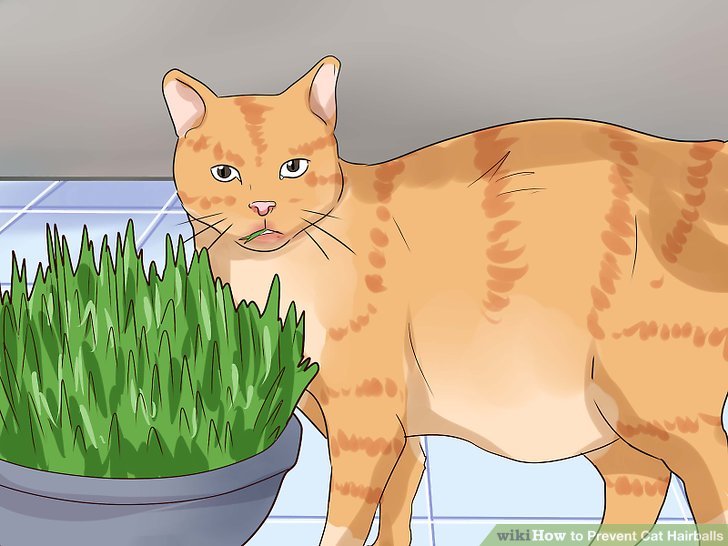
Optimizing your home environment and modifying daily routines are vital components in reducing cat hair shedding and preventing hairballs. These adjustments can significantly influence your cat’s grooming habits, stress levels, and overall health, leading to a noticeable decrease in hairball formation and improving their quality of life.
Implementing targeted environmental controls and promoting a stimulating, stress-free lifestyle help minimize excessive shedding and grooming compulsions. These measures create a more comfortable and engaging space for your feline companion, supporting healthier coat maintenance and reducing the ingestion of loose hair that can lead to hairballs.
Reducing Shedding Through Environmental Control
Controlling shedding begins with regular cleaning and proper habitat management. Daily removal of loose hair from bedding, furniture, and floors prevents excess hair from accumulating in the environment, thereby reducing the amount of hair your cat ingests during grooming. Additionally, maintaining an optimal humidity level in your home can help keep your cat’s skin and coat healthy, as dry air often exacerbates shedding.
Using air purifiers equipped with HEPA filters can effectively trap airborne loose hairs and dander, contributing to a cleaner environment and reducing the amount of hair available for ingestion. Regularly vacuuming carpets, upholstery, and cat resting areas minimizes fur buildup and maintains a hygienic space, encouraging less compulsive grooming behavior driven by discomfort or itchiness.
Engaging Activities to Reduce Stress and Grooming Compulsions
Stress and boredom often contribute to excessive grooming, which in turn increases hair ingestion and hairball formation. Engaging your cat in stimulating activities can diminish these behaviors. The following table Artikels various activities that are both enjoyable for cats and effective in reducing stress:
| Activity | Description | Benefits |
|---|---|---|
| Interactive Play Sessions | Using wand toys, laser pointers, or feather teasers to simulate prey and encourage active engagement. | Reduces boredom, stimulates natural hunting instincts, and promotes physical activity. |
| Puzzle Feeders and Food Dispensing Toys | Incorporating toys that require problem-solving to access treats or kibble. | Provides mental stimulation and prolongs eating time, decreasing stress-related grooming. |
| Safe Environmental Enrichment | Providing cozy hiding spots, perches, and varied textures for exploration. | Enhances comfort, reduces anxiety, and encourages natural behaviors without overgrooming. |
| Scheduled Play and Rest Routine | Maintaining a consistent daily schedule for interaction and downtime. | Establishes predictability, reducing stress and compulsive behaviors. |
Providing a balanced environment with opportunities for safe exploration and play plays a critical role in reducing stress-induced grooming and shedding.
Importance of Providing Scratching Posts and Designated Play Areas
Scratching posts and dedicated play zones are essential for satisfying a cat’s natural instincts to scratch and climb, which helps distribute oils across their coat, maintaining healthy skin and fur. These structures also serve as outlets for physical activity and mental stimulation, decreasing the likelihood of destructive grooming behaviors caused by boredom or stress.
Placing scratching posts in frequently used areas encourages cats to use them regularly, reducing the chance of damage to furniture caused by uncontrolled scratching. Incorporating a variety of textures—such as sisal, cardboard, and carpet—can cater to different preferences, ensuring your cat finds the activity engaging. Additionally, creating designated play areas equipped with toys and perches fosters a sense of territory and security, promoting calmness and reducing compulsive grooming that leads to hairball formation.
Medical and Supplement Solutions
In addition to grooming and environmental adjustments, medical and supplement interventions can play a vital role in managing and preventing cat hairballs. These solutions are often recommended by veterinarians to support healthy digestive transit and reduce hairball formation, especially in cats prone to frequent hairballs or those with underlying health concerns.
Utilizing veterinarian-approved remedies and supplements can significantly improve a cat’s comfort and reduce the incidents of hairball-related discomfort or vomiting. Proper administration and adherence to recommended dosages are essential to ensure safety and effectiveness.
Veterinarian-Recommended Hairball Remedies and Lubricants
Vets often suggest specific remedies designed to facilitate hairball passage through the digestive system. These products typically include lubricants and specialized gastrointestinal treatments formulated to soften hairballs or assist in their elimination.
Among the most common are petroleum-based lubricants, such as mineral oil or petrolatum, which coat the hairball and make it easier to pass through the gastrointestinal tract. Some formulations include gentle laxatives or stool softeners to promote regular bowel movements, thereby aiding in hairball transit. It is crucial to select products specifically designed for feline use and follow the veterinarian’s guidance for dosage and duration to prevent complications such as aspiration or digestive upset.
Natural Supplements Supporting Hairball Transit
In addition to medicated remedies, several natural supplements can support healthy hairball elimination and improve digestion. These options are often preferred by pet owners seeking holistic approaches and are generally safe when used appropriately.
- Pumpkin Puree: Rich in fiber, pumpkin helps regulate bowel movements and supports the passage of hairballs.
- Slippery Elm: Known for soothing the gastrointestinal lining and promoting smooth transit, slippery elm can be beneficial for cats experiencing hairball issues.
- Probiotics: These beneficial bacteria enhance gut health, improve digestion, and reduce hairball formation by promoting a healthy intestinal environment.
- Feeding Oils (such as Fish Oil or Coconut Oil): These can lubricate the digestive tract naturally, aiding in hairball passage, but should be used in moderation and with veterinary oversight.
Proper Administration and Dosage Considerations
Administering medical and supplement solutions correctly ensures safety and maximizes their benefits. It is essential to follow the veterinarian’s instructions regarding dosage, frequency, and duration, especially since excessive use of lubricants or laxatives can lead to adverse effects such as diarrhea or nutrient absorption issues.
“Always consult a veterinarian before introducing new supplements or remedies to your cat’s routine, and adhere to the recommended doses.”
For topical lubricants like mineral oil, the typical dosage involves a small amount administered directly into the cat’s mouth using a syringe or dropper, usually once daily or as directed. Oral supplements such as pumpkin puree or probiotics can be added to the cat’s food, with amounts adjusted based on the cat’s size, age, and health status. Regular monitoring for any signs of gastrointestinal upset is crucial, and adjustments should be made under veterinary supervision to ensure the prevention of hairballs without causing discomfort or health issues.
Practical Tips and Daily Care Routines
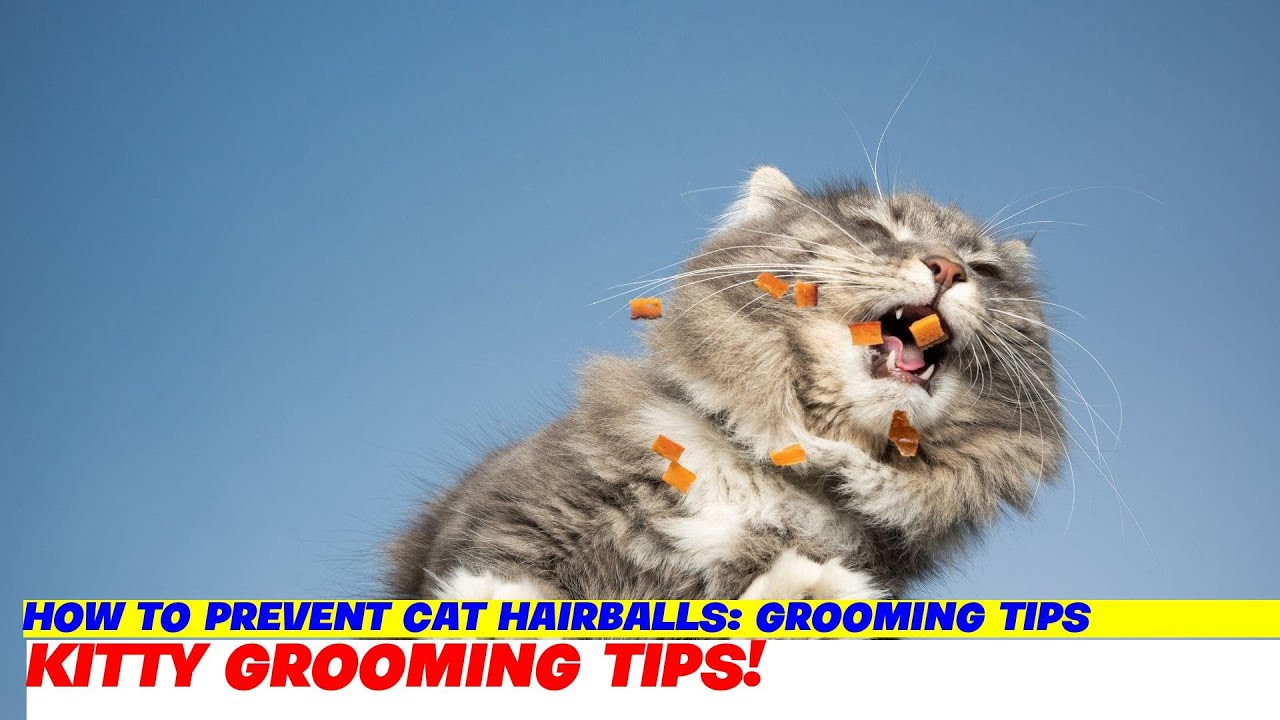
Maintaining a consistent daily routine is essential in effectively preventing hairballs in cats and promoting overall fur health. Implementing small, manageable habits can significantly reduce hair ingestion and minimize the formation of hairballs, ensuring your feline companion remains comfortable and healthy throughout their life.A well-structured daily care routine combines grooming, feeding, and observational practices that, over time, can lead to noticeable improvements in your cat’s fur condition and reduce hairball incidents.
Incorporating these habits into your daily schedule can also strengthen your bond with your pet and help you detect any emerging health issues early.
Effective Daily Habits for Hairball Prevention and Fur Maintenance
To maintain a shiny, healthy coat and minimize hair ingestion, consistent habits should be established. These include:
- Regular brushing to remove loose and dead hairs, especially during shedding seasons, which reduces the amount of fur your cat swallows while grooming itself.
- Feeding a high-quality, balanced diet rich in omega-3 and omega-6 fatty acids to promote healthy skin and fur, thereby decreasing the likelihood of excessive shedding and hair ingestion.
- Providing fresh water at all times to support proper digestion and reduce hairball formation caused by dry or dehydrated intestines.
- Introducing hairball-specific treats or formulas that contain natural lubricants like aloe or papaya enzymes, aiding the passage of ingested hair through the digestive system.
- Monitoring your cat’s grooming behavior; if they seem to over-groom or develop skin issues, consult your veterinarian promptly.
Organizing a Weekly Care Schedule
A comprehensive weekly routine helps ensure all necessary grooming and nutritional tasks are consistently performed, fostering an environment conducive to hairball prevention:
- Monday: Brush your cat thoroughly to remove loose fur, paying particular attention to areas prone to shedding such as the neck, belly, and thighs. Check for skin irritations or parasites.
- Tuesday: Feed a portion of hairball-reducing treats or supplements as recommended by your veterinarian. Observe your cat’s eating habits and stool consistency.
- Wednesday: Offer a nutritious, easily digestible meal that supports skin health, along with fresh water. Spend extra time grooming areas where fur tends to mat or shed heavily.
- Thursday: Engage in gentle massage or grooming sessions to promote circulation and fur health, reducing the urge to over-groom.
- Friday: Schedule a brief health check: look for signs of hair ingestion, hairballs in vomit or stool, or skin issues.
- Saturday: Incorporate playful activities to reduce stress-related grooming, which can lead to excessive fur ingestion.
- Sunday: Review the week’s observations, noting hairball incidents and fur condition, adjusting grooming or feeding routines accordingly.
Monitoring and Recording Hairball Incidents
Tracking your cat’s hairball occurrences provides valuable insights into their health and the effectiveness of preventive measures. The following methods can help:
- Create a daily journal to record incidents of hairballs, noting the time, frequency, and any associated symptoms such as vomiting, coughing, or lethargy.
- Record details about your cat’s grooming behavior, including excessive grooming episodes or areas of concern that may indicate skin issues or stress.
- Document dietary changes, grooming routines, and environmental adjustments to evaluate their impact on hairball frequency.
- Use a simple chart or spreadsheet to visualize trends over weeks or months, helping you identify patterns or triggers for hairball formation.
- Share these records with your veterinarian during check-ups, enabling tailored advice and timely intervention if necessary.
Adopting a disciplined approach to daily grooming, feeding, and monitoring can significantly mitigate hairball issues, enhancing your cat’s comfort and overall well-being. Consistency and attentive care are key components in maintaining a healthy, hairball-free life for your feline companion.
Final Summary
In conclusion, preventing cat hairballs involves a combination of proper nutrition, regular grooming, and environmental care. Taking these steps not only reduces the discomfort associated with hairballs but also promotes a happier, healthier life for your feline companion. With consistent effort and attentive care, you can enjoy a fur-free home and a more contented cat.