Understanding how to neuter a cat is essential for responsible pet ownership and animal welfare. This comprehensive guide offers valuable insights into the process, benefits, and considerations involved in neutering your feline companion.
Neutering not only helps control the pet population but also contributes to your cat’s health and behavior improvements. From medical preparations to post-operative care, this article covers all key aspects to ensure a safe and effective procedure.
Overview of Neutering a Cat
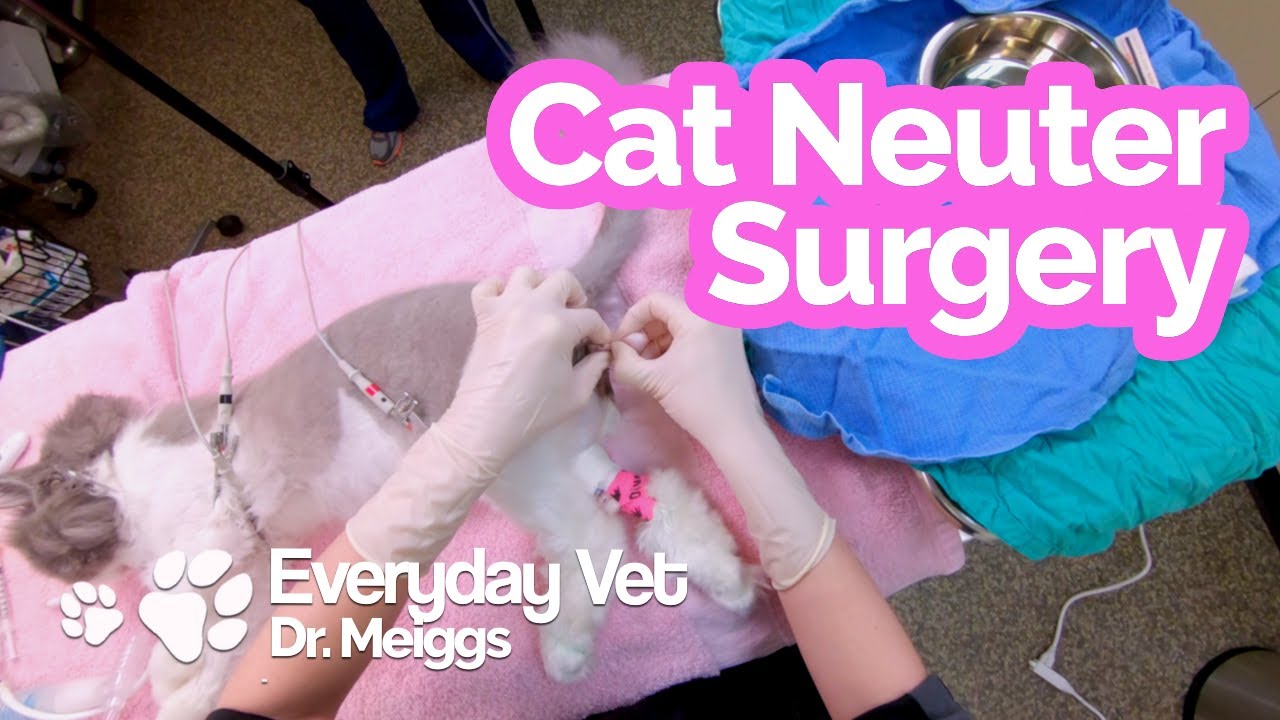
Neutering, also known as spaying or castration, is a common surgical procedure performed to sterilize male and female cats. This process not only helps control the feline population but also offers several health and behavioral benefits for pets. Understanding the purpose, benefits, and the typical process involved in neutering is essential for responsible pet ownership and ensuring the well-being of cats.
Neutering involves a veterinary procedure that removes or seals the reproductive organs, preventing the cat from reproducing. It is generally performed under anesthesia, ensuring minimal discomfort during and after the operation. The decision to neuter a cat is often based on ethical considerations, health benefits, and the desire to prevent unwanted litters, which can contribute to overpopulation and related issues.
Purpose and Benefits of Neutering Cats
Neutering serves multiple purposes, primarily aimed at promoting health, reducing undesirable behaviors, and controlling the feline population. By understanding these benefits, pet owners can make informed decisions that contribute positively to their cats’ lives and community welfare.
- Population Control: Neutering helps prevent unwanted litters, reducing the number of stray and feral cats that often face harsh living conditions and limited resources.
- Behavioral Improvements: Neutered cats are less likely to exhibit aggressive behaviors, roaming tendencies, and territorial marking, leading to a calmer and more manageable pet.
- Health Benefits: The procedure decreases the risk of certain cancers, such as testicular and ovarian cancers, and can prevent infections like pyometra in females.
- Reduced Vandalism and Noise: Neutered males are less prone to yowling and fighting, leading to decreased noise pollution and injuries caused by fights over territory or mates.
The Typical Process of Neutering a Feline
The process of neutering involves a carefully planned surgical procedure conducted by a veterinary professional. It is essential for pet owners to understand what the process entails to prepare adequately and ensure the well-being of their cats.
- Preoperative Preparation: The veterinarian conducts a health assessment, including physical examinations and blood work if necessary, to ensure the cat is fit for anesthesia.
- Anesthesia Administration: The cat is given general anesthesia to prevent pain and movement during the surgery. Monitoring devices are used to track vital signs throughout the procedure.
- Surgical Procedure:
- Neutering Males (Castration): The vet makes a small incision near the scrotum, through which the testicles are removed. The incision is then closed with sutures or surgical glue.
- Neutering Females (Spaying): The vet makes an incision in the abdomen to remove or seal the ovaries and uterus, preventing pregnancy.
- Postoperative Care: The cat is monitored during recovery, and owners receive instructions on wound care, activity restrictions, and follow-up appointments to ensure proper healing.
Comparison of Neutering with Alternative Sterilization Methods
While surgical neutering is the most common method, there are alternative sterilization options available, each with its own advantages and considerations. Understanding these alternatives can help pet owners choose the most appropriate option for their cats.
| Method | Description | Benefits | Limitations |
|---|---|---|---|
| Hormonal Implants | Involves inserting a slow-release hormone implant that suppresses reproductive activity. | Non-surgical, reversible, and minimally invasive. Suitable for short-term sterilization. | Less effective for long-term sterilization. May cause hormonal side effects. |
| Vaccine-Based Sterilization | Uses immunocontraceptive vaccines to inhibit fertility temporarily or permanently. | Non-surgical, reduces stress and recovery time. | Limited availability, variable efficacy, and potential need for repeat doses. |
| Surgical Neutering | Removal or sealing of reproductive organs via surgery. | Highly effective, permanent, and widely accepted standard. | Requires anesthesia and recovery time, surgical risks involved. |
Choosing the appropriate sterilization method depends on the cat’s health, owner preferences, and specific circumstances, with surgical neutering remaining the most common and proven approach for permanent sterilization.
Medical preparations before neutering
Performing thorough medical preparations before neutering a cat is essential to ensure a safe and smooth surgical procedure. Proper pre-surgical assessments help identify any underlying health issues that may affect anesthesia or recovery. Additionally, preparing the cat and surgical environment minimizes risks and promotes optimal outcomes for the procedure.A comprehensive understanding of the feline’s health status, combined with meticulous planning for anesthesia and surgical supplies, forms the foundation for successful neutering.
Ensuring that all necessary precautions are taken reduces the likelihood of complications and contributes to the well-being of the cat both during and after surgery.
Pre-surgical health assessments
Prior to neutering, a detailed health evaluation is critical to establish the cat’s fitness for anesthesia and surgery. This assessment typically involves a physical examination by a veterinarian, focusing on vital signs, body condition, and the overall health status of the animal. The veterinarian may also perform diagnostic tests to detect underlying conditions that could influence anesthesia or recovery.Common pre-surgical assessments include:
- Physical examination to check for signs of illness, injury, or abnormalities
- Blood tests such as a complete blood count (CBC) and biochemistry profile to evaluate organ function and detect infections or anemia
- Fecal examination to rule out parasitic infections that could complicate surgery or recovery
- Assessment of vaccines and health records to ensure the cat is current on necessary immunizations
These assessments help the veterinarian develop a tailored anesthesia plan and identify potential risks, enabling appropriate interventions if necessary.
Fasting and anesthesia preparation guidelines
Proper fasting and anesthesia preparation are vital for minimizing the risk of aspiration pneumonia and other anesthesia-related complications. Cats should be fasted appropriately before surgery to ensure the stomach is empty, reducing the chance of regurgitation during anesthesia.Guidelines for fasting include:
Typically, cats should be withheld from food for 8-12 hours prior to surgery. Water may usually be provided up to 2-4 hours beforehand, unless specified otherwise by the veterinarian. Strict fasting reduces gastric volume and acidity, lowering the risk of aspiration during anesthesia.
In addition to fasting, pre-anesthesia preparations involve:
- Pre-anesthetic blood work to assess organ function and identify potential issues
- Administration of sedatives or pre-medications as prescribed to reduce stress and ease induction
- Ensuring the anesthesia machine and monitoring equipment are functional and ready for use
- Placement of an intravenous (IV) catheter for fluid administration and emergency medication delivery
Adherence to these guidelines ensures the cat is in optimal condition for anesthesia, facilitating a safer surgical experience.
Supplies and medications for the surgical procedure
A well-organized surgical setup is crucial for efficient and sterile neutering procedures. This includes gathering all necessary supplies and medications beforehand to prevent delays and contamination.Key supplies and medications include:
- Sterile surgical instruments, including scissors, forceps, needle holders, and scalpels
- Antiseptic solutions for skin disinfection, such as povidone-iodine or chlorhexidine
- Sterile surgical drapes and gowns to maintain a sterile environment
- Absorbable sutures or surgical staples for incision closure
- Local anesthetics and analgesics to manage pain during and after surgery
- Anesthetic agents suitable for feline patients, along with ventilator and monitoring equipment
- Intravenous fluids to maintain hydration and support blood pressure during anesthesia
- Medications for emergency situations, including epinephrine and sedatives
A comprehensive checklist ensures nothing vital is overlooked, contributing to a smooth, sterile, and safe surgical process.
Step-by-step procedure for neutering a cat
Neutering a cat involves a precise surgical process that requires careful planning, proper technique, and attentive monitoring to ensure the safety and well-being of the animal. Understanding each step helps veterinary professionals and pet owners appreciate the complexity and importance of this routine procedure, leading to successful outcomes and minimized risks.
Below is a detailed overview of the surgical steps involved, including the necessary tools, their functions, and the critical aspects of anesthesia administration and monitoring techniques essential for a smooth and safe operation.
Preparation and positioning of the cat
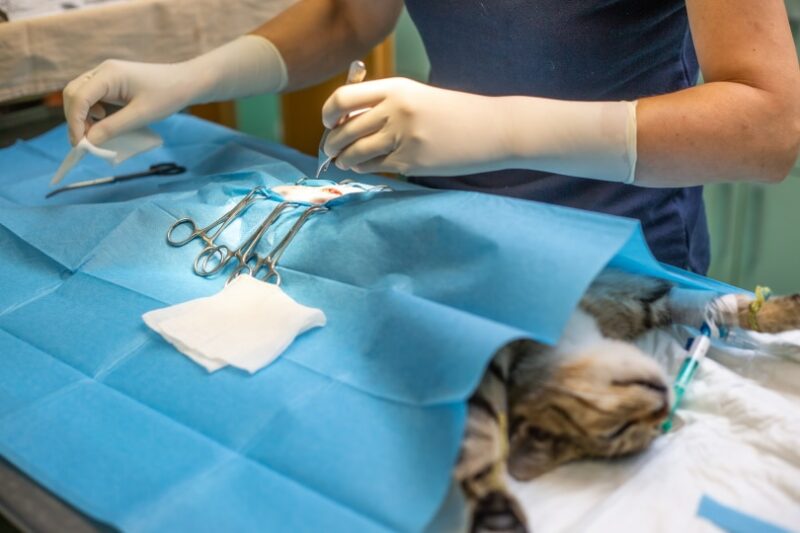
Prior to the surgical procedure, the cat must be properly prepared to ensure minimal movement and optimal access to the surgical site. The animal should be placed on a sterile surgical table or tray, with the area around the surgical site shaved and disinfected thoroughly. Positioning the cat in dorsal recumbency (lying on the back) provides clear access to the scrotal or abdominal area, depending on whether neutering is performed via scrotal or flank approach.
Proper restraint with minimal stress is crucial to facilitate precise incision and reduce the risk of injury or anesthesia complications.
Surgical steps involved in neutering
The neutering procedure typically involves several key steps, each designed to ensure a safe and effective operation. These steps are performed sequentially, with attention to asepsis, precision, and patient monitoring.
- Incision: The veterinarian makes an incision through the skin over the testes in the scrotal area if performing a scrotal approach. For an open or closed castration via flank, an incision is made in the abdominal wall. The incision length depends on the size of the cat and the surgical approach, generally ranging from 1 to 3 centimeters.
- Isolation of the testes: The testes are carefully exteriorized while minimizing trauma. The spermatic cord is identified, and surrounding tissues are gently dissected to expose the cord structures.
- Ligature of the spermatic cord: The spermatic cord, containing blood vessels and the vas deferens, is ligated with absorbable sutures or using vessel clips to prevent hemorrhage. Ensuring secure ligation is critical to avoid postoperative bleeding.
- Removal of the testes: Once the cord is ligated, the testes are excised, and the surgical site is examined for bleeding or other anomalies.
- Closure: The incision is closed in layers, with sutures or tissue glue applied to the subcutaneous tissues and skin. In some cases, separate sutures are used for each layer to promote optimal healing.
Tools and their functions during neutering
Using appropriate surgical instruments is fundamental to performing a safe and efficient neutering procedure. The following table summarizes common tools and their specific functions during the operation:
| Tool | Function |
|---|---|
| Sterile Scalpel or Scalpel Blade | Creating precise incisions on the skin and internal tissues to access the testes or spermatic cord. |
| Hemostats or Surgical Forceps | Grasping tissues, vessels, and cords securely to facilitate dissection and vessel ligation. |
| Surgical Scissors | Cutting tissues, ligatures, or sutures with precision. |
| Suture Materials and Needle Holders | Securing ligatures around blood vessels and closing the incision with appropriate sutures. |
| Vessel Clips or Ligatures | Occluding blood vessels for hemostasis during cord ligation. |
| Absorbable Sutures | Closing the internal and external layers of the surgical incision, promoting healing without the need for removal. |
| Sterile Drapes and Towels | Establishing a sterile field, reducing infection risk. |
Anesthesia administration and monitoring techniques
Proper anesthesia management is vital to ensure the cat remains pain-free, comfortable, and immobile throughout the procedure. The process involves careful induction, maintenance, and continuous monitoring of vital functions to prevent complications.
Administering anesthetics should follow veterinary guidelines, with doses tailored to the cat’s age, weight, and health status. Proper monitoring includes observing respiratory rate, heart rate, oxygenation, and depth of anesthesia.
Induction typically begins with injectable agents such as ketamine combined with sedatives, followed by intubation with an endotracheal tube to secure the airway. Inhalant anesthetics like isoflurane or sevoflurane are then used for maintenance, delivered via a precision vaporizer connected to the endotracheal tube. The anesthesia depth is adjusted based on real-time monitoring of vital signs and reflex responses.
Monitoring techniques include:
- Continuous pulse oximetry to assess oxygen saturation
- Capnography to measure end-tidal CO2 levels, ensuring proper ventilation
- Electrocardiography (ECG) to monitor heart rhythm
- Regular assessment of respiratory rate and effort
- Palpation of the femoral pulse for heart rate and blood pressure estimation
Ensuring stable vital parameters throughout the procedure minimizes anesthesia-related risks and promotes rapid recovery following surgery.
Post-operative Care and Recovery
Ensuring proper post-operative care is essential for a smooth recovery and to prevent complications following neutering surgery in cats. Proper monitoring, attentive wound care, and pain management contribute significantly to your cat’s comfort and health during this critical period. Providing a calm, clean environment and regular observation helps facilitate healing and minimizes stress for your feline friend.Post-surgery, cats require close observation to detect any early signs of complications such as infection, bleeding, or behavioral changes.
Owners should be familiar with normal recovery patterns and recognize abnormal signs promptly. Proper pain management and wound care are vital components of the recovery process, helping your cat to heal comfortably and reducing the risk of postoperative issues.
Monitoring the Cat Post-Surgery for Complications
Monitoring your cat after neutering involves consistent observation of their behavior and physical condition. It is important to check for any signs of distress, abnormal bleeding, swelling, or signs of pain. Regularly inspecting the surgical site ensures that any issues are identified early, allowing timely intervention. Additionally, observing your cat’s appetite, activity level, and elimination habits provides insight into their overall recovery status.Owners should schedule follow-up visits with their veterinarian to assess healing progress and address any concerns.
Keeping your cat confined in a quiet, comfortable space minimizes stress and prevents excessive activity, which can jeopardize wound healing. Immediate consultation with your veterinarian is necessary if you notice persistent swelling, bleeding, foul odor, or if your cat appears unusually lethargic or in pain.
Signs of Normal vs. Abnormal Recovery
Understanding the differences between normal and abnormal recovery signs helps owners respond appropriately during the post-operative period. Below is a table summarizing these signs:
| Normal Recovery Signs | Abnormal Recovery Signs |
|---|---|
|
|
Pain Management Strategies and Wound Care Procedures
Effective pain control and proper wound management are fundamental to a comfortable recovery. Veterinarians typically prescribe analgesics to alleviate post-surgical discomfort, which should be administered strictly according to the veterinarian’s instructions. Non-steroidal anti-inflammatory drugs (NSAIDs) are commonly used and can significantly improve your cat’s comfort, facilitating earlier return to normal activity.Wound care involves keeping the surgical site clean and dry.
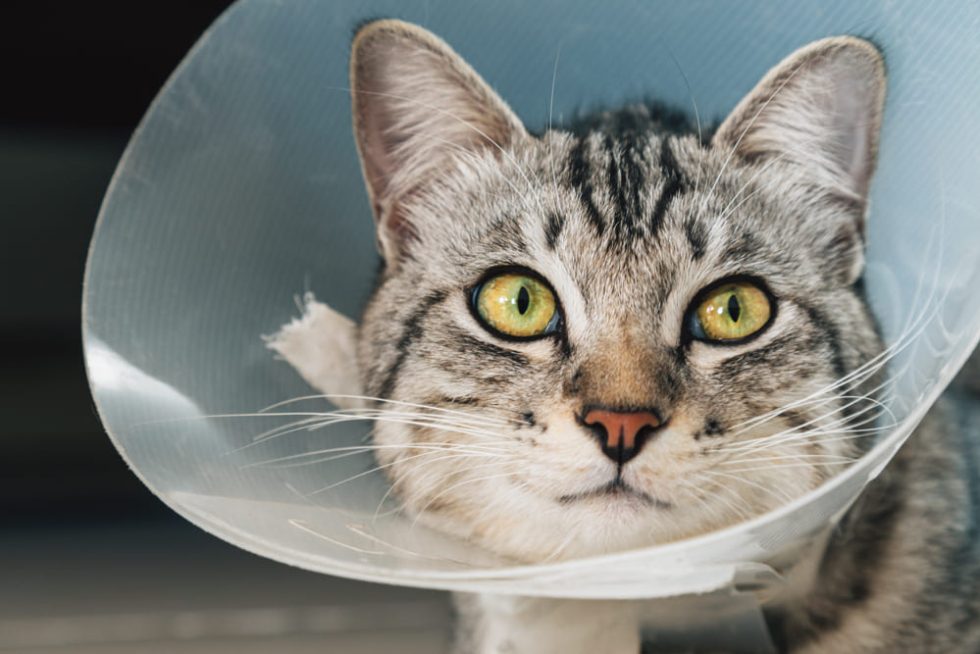
It is important to prevent your cat from licking or biting the wound, which can cause infection or wound dehiscence. Using an Elizabethan collar (e-collar) may be necessary to prevent self-trauma. Gently inspecting the wound daily for signs of infection or abnormal healing is advisable, but avoid touching or irrigating the wound unless instructed by your veterinarian.If any signs of infection or complications appear, such as redness, swelling, foul odor, or discharge, contact your veterinarian immediately.
They may prescribe topical treatments or antibiotics if an infection is suspected. Additionally, maintaining a quiet, stress-free environment and limiting physical activity help prevent wound strain and promote healing.
Risks and considerations

While neutering is a common and generally safe procedure, it is essential for pet owners and veterinarians to understand the potential risks involved. Recognizing these risks and implementing appropriate measures can significantly reduce complications, ensuring a safe and healthy outcome for the cat. Moreover, considerations such as the cat’s age and overall health play a crucial role in determining the timing and approach of the procedure.
Understanding the factors that influence neutering outcomes helps in making informed decisions tailored to each individual animal. Early or traditional timing carries its own benefits and challenges, and weighing these options against the cat’s health status and age leads to optimal care. Careful evaluation and planning are vital components of responsible pet ownership and veterinary practice.
Potential risks and their mitigation
Neutering, like any surgical intervention, carries inherent risks that can be minimized through diligent preoperative assessment and postoperative care. Common risks include infection, bleeding, anesthetic reactions, and postoperative complications such as swelling or pain. In rare cases, more serious issues like adverse anesthetic reactions or surgical injuries may occur.
To mitigate these risks, thorough preoperative screening is essential. This includes blood tests to evaluate organ function and overall health, especially in older or health-compromised cats. Employing experienced veterinary surgeons, using modern anesthetic techniques, and adhering to strict aseptic procedures further reduce potential complications. Postoperative monitoring and clear owner instructions also play critical roles in quick recovery and complication prevention.
Age and health factors influencing suitability for neutering
The age and health status of a cat significantly influence its suitability for neutering. Young kittens, typically around 8 to 16 weeks old, are often ideal candidates due to their lower anesthesia risk and faster healing. However, in older or unwell cats, thorough veterinary evaluation is necessary to determine if the benefits outweigh the risks.
Health considerations include existing medical conditions such as heart disease, respiratory issues, or chronic illnesses that may increase anesthetic or surgical risk. In such cases, the veterinarian may recommend additional diagnostic tests or modify anesthesia protocols to ensure safety. Cats in good health, regardless of age, generally experience fewer complications and recover more swiftly. However, delaying neutering in unhealthy animals may increase the risk of certain diseases or unwanted behaviors, underscoring the importance of individualized assessment.
Comparison of early versus traditional neutering timing
Deciding between early (prepubertal) and traditional (post-pubertal) neutering involves evaluating the potential benefits and drawbacks associated with each timing. Early neutering, usually performed around 8 to 16 weeks of age, offers advantages such as reduced behavioral issues, lower risk of certain reproductive diseases, and decreased likelihood of unwanted litters. Additionally, younger cats tend to recover faster with fewer anesthesia-related risks.
Conversely, some concerns have been raised about early neutering affecting physical development, particularly in larger breeds, and whether it might influence certain growth patterns or health issues later in life. Traditional neutering, performed after sexual maturity, allows for a more comprehensive assessment of the cat’s health and development before surgery. It is also often preferred in cases where the cat’s health status is uncertain or if there are specific medical considerations.
Choosing the appropriate timing depends on individual cat factors, breed considerations, and veterinarian advice, ensuring the procedure aligns with the animal’s health needs and owner preferences.
Cost and where to get a cat neutered
Neutering a cat is an important step in responsible pet ownership, contributing to the health and behavioral well-being of your feline companion. Understanding the costs involved and identifying reputable locations for the procedure can help pet owners make informed decisions that suit their budget and ensure quality care for their pets. This section provides an overview of typical costs associated with neutering services, available facilities offering these procedures, and tips for selecting qualified veterinary professionals.Neutering costs can vary widely depending on the region, the type of facility, and whether additional services are included.
Being aware of these costs allows pet owners to plan accordingly and avoid unexpected expenses. It also helps to distinguish between different providers, such as veterinary clinics and animal shelters, which may offer varying fee structures and services.
Typical costs associated with neutering services
The expenses for neutering a cat generally encompass the surgical procedure itself, pre-operative exams, anesthesia, post-operative medications, and follow-up visits. The overall cost can range significantly based on geographic location and the provider’s reputation.
- Veterinary clinics: In many urban and suburban areas, private veterinary practices charge between $50 and $150 for a standard neutering procedure. Factors influencing the cost include the clinic’s location, the complexity of the surgery, and whether additional services such as microchipping or vaccinations are included.
- Animal shelters and humane societies: Many shelters offer neutering services at reduced rates or even free of charge, especially for low-income pet owners or rescue animals. These programs are often subsidized through donations and government grants to promote responsible pet ownership.
- Additional costs: Owners should consider potential extra expenses such as overnight hospitalization (if necessary), post-operative pain management, or special medications. These costs can add $20–$50 or more to the overall bill.
“Investing in neutering not only benefits the health and behavior of your cat but also helps control the overpopulation crisis, reducing the number of unwanted animals in shelters.”
Veterinary clinics and animal shelters offering neutering procedures
When selecting a location for neutering, pet owners should prioritize accredited veterinary clinics and reputable animal shelters known for their professional standards and humane practices.
Most veterinary clinics are equipped with modern surgical facilities and staffed by licensed veterinarians with extensive experience in feline surgeries. They often provide comprehensive pre-operative assessments, anesthesia monitoring, and post-operative care to ensure the safety and comfort of the animal.
Animal shelters and humane organizations frequently partner with veterinary hospitals to deliver low-cost or free neutering services. These organizations aim to reduce the number of stray and unwanted cats through community outreach and affordable programs. Many of these services are available by appointment and often require proof of residency or income verification.
Tips for selecting qualified veterinary professionals
Choosing a qualified veterinarian is crucial for the safety and success of the neutering procedure. Consider the following factors when making your selection:
- Credentials and experience: Verify that the veterinarian is licensed and has specific experience with feline surgeries. Experienced vets are more adept at handling potential complications and ensuring smooth procedures.
- Facility standards: The clinic should maintain high standards of hygiene, equipped with modern surgical tools, anesthesia monitoring equipment, and proper sterilization protocols.
- Reputation and reviews: Seek recommendations from trusted sources, read online reviews, and ask for references to gauge the quality of care provided.
- Pre- and post-operative care: Ensure the veterinary provider offers thorough pre-surgical assessments and clear instructions for recovery care, including pain management and follow-up visits.
- Cost transparency: A reputable veterinarian will provide a detailed estimate upfront, including all potential charges, and answer any questions regarding the procedure and aftercare.
Investing time in selecting a qualified professional ensures your cat’s safety, promotes quicker recovery, and contributes to a positive neutering experience for both pet and owner.
Ethical and Social Aspects of Neutering
Neutering cats is not only a medical procedure but also a decision intertwined with ethical considerations and social responsibilities. Understanding the broader implications helps pet owners, communities, and animal welfare organizations make informed choices that promote the well-being of both individual animals and society at large.From an ethical standpoint, neutering addresses concerns related to animal welfare by preventing overpopulation, reducing the likelihood of unwanted litters, and decreasing the number of stray and feral cats that often suffer from neglect, disease, and starvation.
It raises questions about the moral obligation humans have to control the reproductive capabilities of domestic and feral animals, ensuring they are not subjected to unnecessary suffering.Socially, neutering contributes to community health by mitigating nuisance behaviors associated with unneutered cats, such as spraying, fighting, and yowling, which can disturb neighbors and damage relationships within communities. It also helps control the spread of zoonotic diseases and reduces the burden on local animal shelters, fostering a more harmonious coexistence between humans and animals.
Myths and Facts about Neutering
Understanding common misconceptions about neutering can dispel fears and promote responsible pet ownership. Many myths persist despite scientific evidence supporting neutering’s safety and benefits.
Below is a list of prevalent myths along with factual clarifications:
- Myth: Neutering makes cats gain excessive weight.
- Fact: Weight gain post-neutering can occur if the cat’s diet and activity levels are not managed properly. Proper feeding and exercise prevent obesity.
- Myth: Neutering alters a cat’s personality negatively.
- Fact: Neutering generally reduces aggressive and territorial behaviors without affecting a cat’s fundamental personality traits.
- Myth: Neutering should only be done if the cat is going to be an indoor pet.
- Fact: Neutering benefits both indoor and outdoor cats by reducing certain health risks and behavioral issues, regardless of living environment.
- Myth: Neutering is a costly procedure that is not worth the expense.
- Fact: Many communities and organizations offer low-cost or subsidized neutering programs, making it an affordable and responsible choice.
- Myth: All cats need to be neutered; it’s unnecessary for male cats that stay indoors.
- Fact: Neutering prevents unwanted behaviors and health issues in male cats, whether they are indoor or outdoor, and helps control pet overpopulation.
Additional Resources and References
Ensuring you have access to credible and comprehensive information is vital when considering or performing neutering procedures for cats. The following curated list provides trusted sources, educational videos, detailed articles, and veterinary guidelines that can enhance your understanding and support responsible pet care. Utilizing these resources will help you make informed decisions and ensure the well-being of your feline companions.Providing reputable and accessible information from authoritative organizations and experienced veterinary professionals can significantly improve outcomes and foster responsible pet ownership.
Whether you are a pet owner, veterinary student, or animal welfare advocate, these references serve as valuable tools for learning and referencing.
Trusted Sources for Further Information
To deepen your knowledge on cat neutering, consider consulting the following organizations and platforms known for their expertise and reliability:
- American Veterinary Medical Association (AVMA): Offers comprehensive guidelines and articles on feline spaying and neutering. Visit their website at https://www.avma.org/resources-tools/pet-owners/petcare/spay-and-neuter .
- American Animal Hospital Association (AAHA): Provides protocols and standards for veterinary practices related to pet sterilization. Access their resources at https://www.aaha.org .
- RSPCA (Royal Society for the Prevention of Cruelty to Animals): Offers detailed guides on pet sterilization and care. Explore their materials at https://www.rspca.org.uk .
- British Veterinary Association (BVA): Features articles and guidelines on veterinary procedures including neutering. Their site is https://www.bva.co.uk .
- PetMD: Contains accessible articles written by veterinary professionals on feline health and neutering. Visit https://www.petmd.com .
Educational Videos and Tutorials
Visual learning can significantly enhance understanding of the neutering process. The following platforms host detailed videos produced by veterinary professionals:
- VetVid: Offers step-by-step surgical videos demonstrating feline neutering procedures suitable for veterinary students and practitioners. Access at https://www.vetvid.com .
- YouTube: Many licensed veterinary clinics and professionals upload educational content. Search for channels such as “VetMed” or “Veterinary Surgery Tutorials” for high-quality, informative videos.
- Vimeo: Hosts professional veterinary surgeries and educational content with detailed commentary.
Relevant Articles and Research Publications
For those interested in scientific studies, policy discussions, and detailed research:
- Research on the Impact of Neutering on Feline Health and Behavior : A comprehensive review published in veterinary journals.
- Journal of Veterinary Science : Features peer-reviewed articles on surgical techniques and anesthesia protocols.
- PubMed : Search for peer-reviewed papers related to feline neutering, anesthesia, and post-operative care.
Summary Table of Anesthesia Types and Their Uses
Different anesthesia options are used depending on the procedure complexity, the cat’s health status, and the veterinarian’s preference. Understanding these options helps in appreciating the safety and effectiveness of each method:
| Type of Anesthesia | Used For | Advantages | Considerations |
|---|---|---|---|
| Local Anesthesia | Minor procedures or when sedation is not required | Minimal systemic effects, quick recovery | Limited to small areas; may require sedation |
| Conscious Sedation (Sedation + Local Anesthesia) | Neutering in healthy cats, outpatient settings | Reduced stress, good analgesia, maintains consciousness | Monitoring required; risk of sedation-related complications |
| General Anesthesia | Most neutering surgeries; especially in uncooperative or anxious cats | Complete unconsciousness, controlled environment for surgery | Requires careful monitoring; potential for respiratory and cardiovascular side effects |
Choosing the appropriate anesthesia method depends on individual cat health, the procedure’s complexity, and veterinary advice. Ensuring anesthesia is administered under professional supervision minimizes risks and ensures safety during the neutering process.
Last Word
In conclusion, neutering a cat is a vital step in promoting animal health and community well-being. By following proper procedures and care guidelines, pet owners can ensure a smooth recovery and enjoy the long-term benefits of sterilization.