Tackling litter box issues in cats can be both challenging and rewarding, as understanding the root causes and implementing proper strategies can significantly improve your pet’s well-being and hygiene. Recognizing the behavioral, medical, and environmental factors involved is essential for developing effective solutions and ensuring a harmonious coexistence.
This guide provides comprehensive insights into diagnosing common litter box problems, selecting the appropriate supplies, maintaining cleanliness, and encouraging proper use through environmental enrichment and behavioral modifications. Whether you’re dealing with occasional accidents or persistent avoidance, these strategies aim to restore your cat’s litter box habits with confidence and care.
Causes of Litter Box Problems
Understanding the root causes of litter box issues in cats is essential for effective management and resolution. These problems can stem from a range of behavioral and medical factors, as well as environmental influences that can discourage cats from using their designated area. Identifying the underlying cause allows pet owners and veterinarians to implement targeted solutions, ensuring the comfort and health of the feline companion.
Many litter box problems are multifaceted, involving physical discomfort, stress, or environmental changes. Recognizing the signs and differentiating between medical and behavioral issues can significantly improve the chances of resolving the problem and preventing recurrence.
Medical Causes of Litter Box Problems
Medical issues are often the primary reason for sudden or persistent litter box avoidance. Cats may associate pain or discomfort with the act of urinating or defecating, leading to inappropriate elimination behaviors. It is crucial to recognize the symptoms indicative of health problems and seek veterinary care promptly.
- Urinary Tract Infections (UTIs): Symptoms include frequent urination, straining, blood in urine, and vocalization during urination. Solution involves antibiotic treatment and possible dietary adjustments.
- Feline Lower Urinary Tract Disease (FLUTD): Causes discomfort and may result in urinating outside the box. Management includes medication, diet changes, and stress reduction.
- Constipation: Leads to pain during defecation and avoidance of the litter box. Addressed through dietary fiber, hydration, and medical intervention if necessary.
- Kidney Disease or Other Chronic Conditions: May cause increased urination or discomfort. Ongoing medical management and regular veterinary check-ups are essential.
- Bladder Stones or Crystals: Present with similar symptoms to UTIs, often requiring surgical removal or dietary management.
Behavioral Causes of Litter Box Problems
Behavioral factors often play a significant role in litter box avoidance. These issues may arise due to stress, anxiety, or negative associations with the litter box or its environment. Understanding these causes can guide modifications to reduce stress and encourage appropriate use.
- Stress and Anxiety: Changes in household dynamics, new pets, or loud noises can cause cats to avoid the litter box. Providing safe, quiet spaces and routine stability can help mitigate these effects.
- Territorial or Social Conflicts: Competition with other cats may lead to avoidance. Ensuring multiple litter boxes and separate spaces can reduce tension.
- Inappropriate Litter or Box Design: Using non-preferred litter types or boxes that are too small or covered can discourage use. Transitioning gradually to more suitable options can improve compliance.
- Dirty or Unpleasant Environment: Litter boxes that are not cleaned regularly or are located in noisy or inaccessible areas tend to be avoided. Maintaining cleanliness and strategic placement are key factors.
- Negative Experiences: Past painful elimination or punitive responses to accidents can create fear. Building positive associations and patience are essential for behavioral modification.
Environmental Factors Influencing Litter Box Avoidance
Environmental conditions profoundly impact a cat’s willingness to use the litter box. Even subtle changes in the environment can lead to avoidance behaviors. Recognizing and optimizing these factors can promote consistent litter box use.
| Factor | Description | Impact on Litter Box Use | Recommended Solutions |
|---|---|---|---|
| Location | Placement of litter box in noisy, high-traffic, or inaccessible areas | Causes discomfort or difficulty reaching the box, leading to avoidance | Place in quiet, private, and easily accessible locations |
| Cleanliness | Litter box not cleaned regularly, resulting in odor and filth | Deters cats from using a dirty box | Clean the litter box at least once daily and change the litter regularly |
| Litter Type | Use of unfamiliar or undesirable litter materials | Discourages use due to texture or scent preferences | Choose a litter that mimics natural substrates and is appealing to the cat |
| Number of Boxes | Insufficient number of litter boxes for multi-cat households | Increased competition and stress, leading to avoidance | Provide one litter box per cat plus one extra |
| Box Design | Use of covered or enclosed boxes that trap odors or make cats feel trapped | May cause discomfort or fear of confinement | Offer open, spacious litter boxes and avoid overly enclosed designs |
By addressing these environmental factors alongside medical and behavioral considerations, pet owners can create a supportive and comfortable setting that encourages proper litter box use, reducing the likelihood of ongoing problems.
How to Choose the Right Litter Box
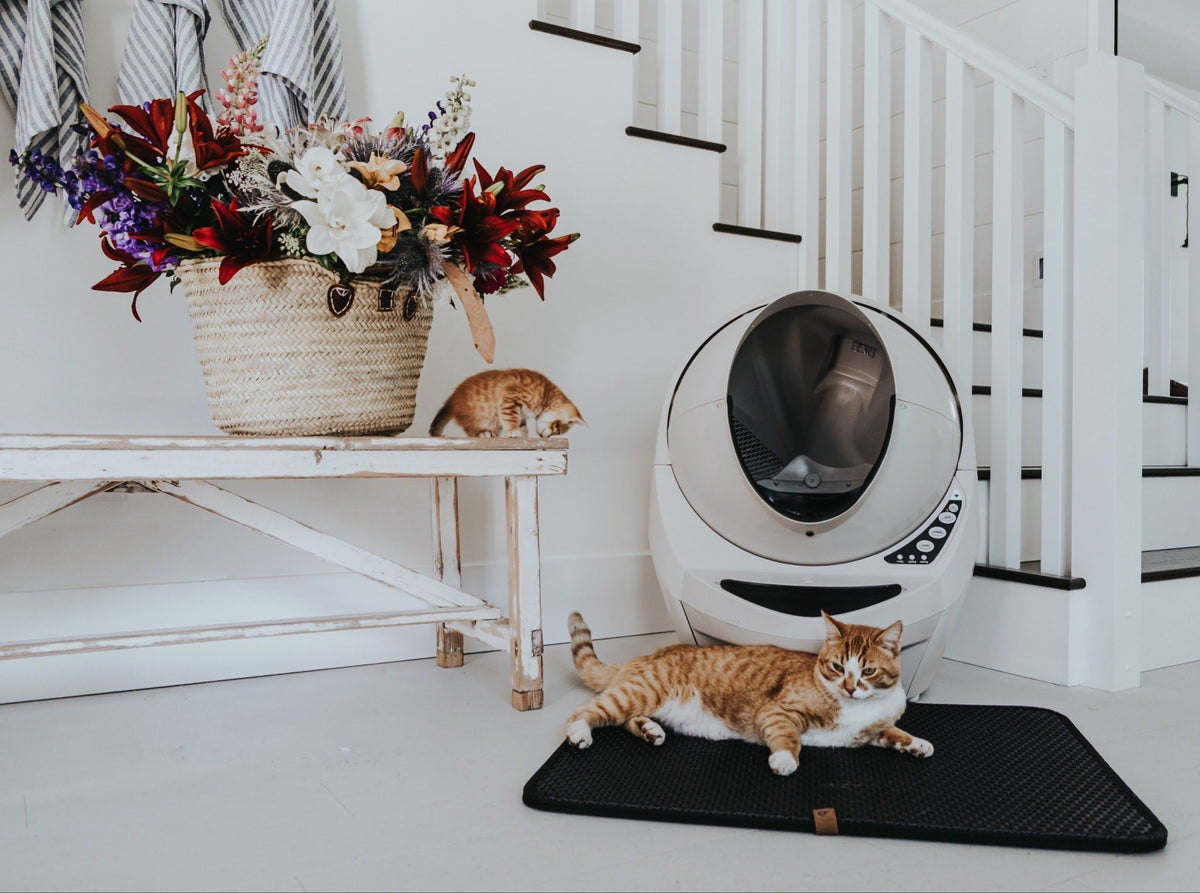
Choosing the appropriate litter box is a fundamental step in ensuring your cat feels comfortable, safe, and motivated to use it consistently. The selection process involves understanding your cat’s size, activity level, and specific preferences, as well as considering the environment in which the box will be placed. An appropriately chosen litter box can significantly reduce litter box problems, contributing to a healthier and happier feline companion.Selecting the ideal litter box requires careful consideration of various factors that influence your cat’s comfort and usability.
Since every cat has unique needs, testing different options can help identify the most suitable environment for your pet. By observing how your cat interacts with different styles and features, you can make an informed decision that promotes regular use and minimizes accidents outside the box.
Factors to Consider When Selecting a Litter Box
When choosing a litter box, take into account your cat’s size, age, mobility, and preferences. Larger cats or those with a more active nature may require bigger, more spacious options to comfortably turn around and dig. Senior cats or those with mobility issues benefit from lower-sided boxes that are easier to access. Additionally, consider the placement of the box; in a quiet, private location to encourage use and reduce stress.The type of litter box also impacts your cat’s willingness to use it.
Some cats prefer covered boxes for privacy, whereas others find them confining or intimidating. The material of the box should be durable, easy to clean, and odor-resistant. If you have multiple cats, larger multi-cat boxes or multiple units may be necessary to prevent territorial disputes and ensure every cat has access.
Methods for Testing Different Types of Litter Boxes
Introducing different types of litter boxes gradually allows you to assess your cat’s preferences and comfort level. For example, providing both a covered and an uncovered box in separate locations enables your cat to choose what feels safest and most comfortable. Observe your cat’s behavior over several days, noting which box they prefer, how frequently they use each, and whether there are signs of discomfort or avoidance.A practical approach involves rotating different models or styles of boxes over a period of weeks.
Keep detailed notes on your observations, such as ease of entry, cleanliness, and whether your cat seems anxious or relaxed with each option. This trial-and-error process helps identify the best fit, reducing the likelihood of litter box aversion or mishaps.
Features to Look for in a High-Quality Litter Box
Investing in a high-quality litter box enhances your cat’s experience and simplifies maintenance. When choosing a product, focus on durability, ease of cleaning, and features that promote hygiene and odor control. The following list highlights key features to consider:
- Size and Space: Ample room for your cat to comfortably move, dig, and turn around.
- Low Sides or Rims: Facilitates easy entry and exit for cats with mobility issues or senior cats.
- High Sides or Covered Designs: Helps contain litter scatter and controls odor, especially for cats that dig vigorously.
- Material: Made from durable, non-porous materials like heavy-duty plastic that are easy to sanitize.
- Odor Control Features: Built-in vents, filters, or airtight seals to minimize smells.
- Ease of Cleaning: Smooth surfaces and removable parts simplify scooping and washing.
- Privacy and Ventilation: Adequate ventilation to reduce humidity and odors, with options for privacy if your cat prefers enclosed spaces.
- Design Compatibility: Fits seamlessly into your home environment without obstructing movement or aesthetics.
Choosing the right litter box tailored to your cat’s specific needs and preferences fosters a positive litter box routine, ultimately promoting better litter habits and minimizing problems.
Proper Litter Box Maintenance
Maintaining a clean and sanitary litter box is essential for your pet’s health, hygiene, and overall well-being. Proper upkeep not only prevents unpleasant odors but also encourages consistent litter box use and reduces the risk of health issues such as infections or urinary problems. Establishing a routine for cleaning and caring for the litter box ensures a comfortable environment for your pet and peace of mind for you as a caregiver.
Implementing effective cleaning procedures involves more than just scooping out waste; it requires regular sanitization and adherence to a schedule tailored to the type of litter used. By understanding the optimal maintenance practices, you can significantly enhance your pet’s litter box experience while maintaining a hygienic living space.
Step-by-Step Procedures for Cleaning and Sanitizing
Consistent and thorough cleaning of the litter box involves a series of straightforward steps that ensure the removal of odors, bacteria, and residues that may accumulate over time. Following these procedures helps maintain a healthy environment and encourages your pet to use the box reliably.
- Remove soiled litter: Use a scoop to take out all clumps and waste at least once daily. This prevents odor buildup and discourages soiling outside the box.
- Discard old litter: After removing the waste, empty the remaining litter into a disposal bag, ensuring no residues are left behind that could harbor bacteria.
- Wash the litter box: Rinse the box with warm water and a mild, pet-safe disinfectant. Avoid harsh chemicals that may irritate your pet’s paws or respiratory system.
- Sanitize thoroughly: Scrub the interior with a soft brush or sponge to remove stains and residues. Pay special attention to corners and seams where waste may accumulate.
- Rinse and dry: Rinse the box thoroughly with clean water to remove any cleaning agents, then dry completely with a clean towel or allow it to air dry to prevent moisture retention.
- Refill with fresh litter: Add the appropriate amount of clean, high-quality litter according to the specific type used.
Optimal Frequency for Changing Litter and Cleaning
Adhering to a consistent cleaning schedule helps prevent odors, reduces health risks, and promotes your pet’s comfort. The optimal frequency depends on the type of litter, the number of pets, and individual habits, but general recommendations are as follows:
| Type of Litter | Daily Scooping | Complete Change & Cleaning |
|---|---|---|
| Clay-based (clumping) | Remove waste daily | Replace entire litter every 7-10 days |
| Silica gel | Remove visible waste daily | Top up as needed; full change every 4-6 weeks |
| Biodegradable (paper, wood, corn) | Remove waste daily | Replace entirely every 7-10 days, depending on odor and saturation |
| Natural/unscented varieties | Remove waste daily | Change entirely every 5-7 days to prevent odor |
Regular cleaning and timely litter changes are key to odor control and your pet’s health. Adjust the schedule based on your pet’s habits and the type of litter used to ensure optimal hygiene and comfort.
Strategies to Encourage Proper Litter Box Use
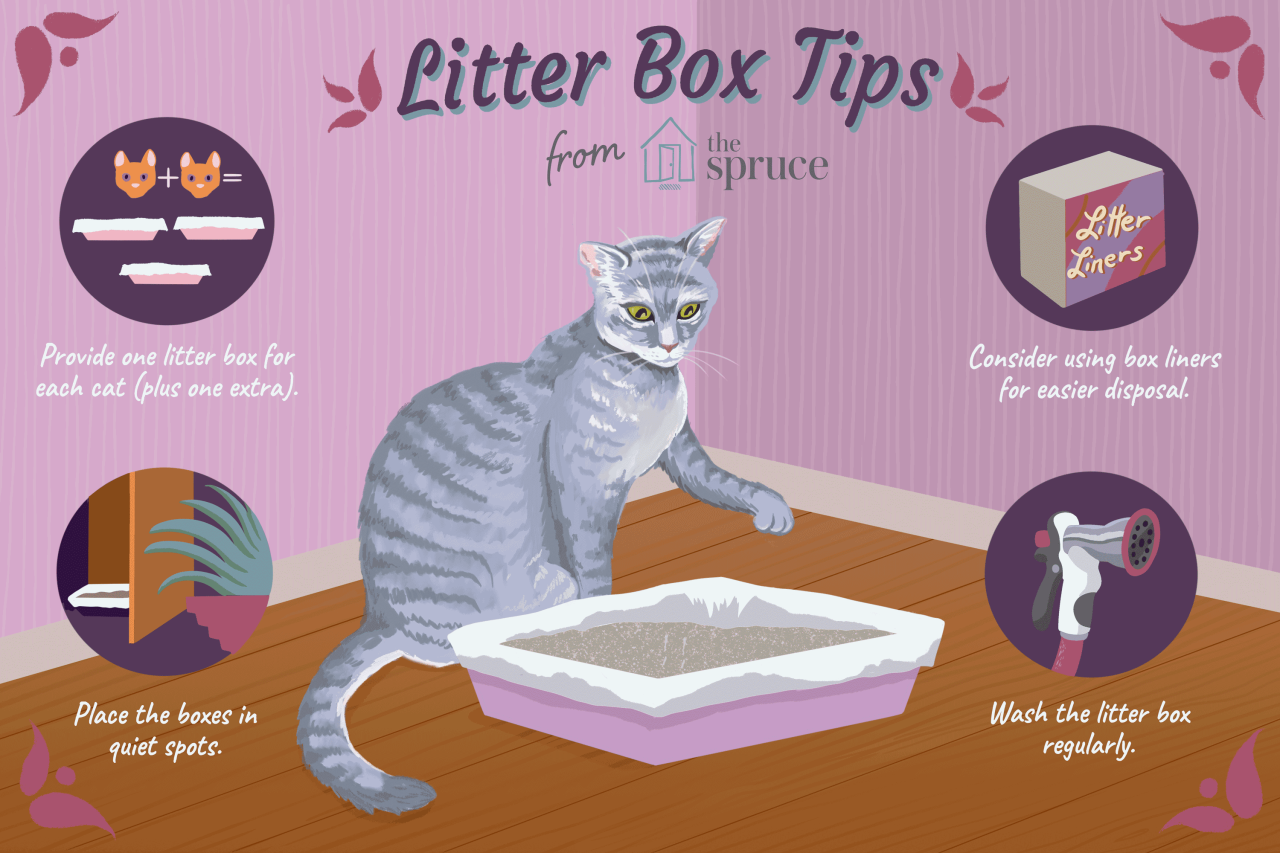
Ensuring that a cat consistently uses the litter box is vital for maintaining a clean and harmonious home environment. Proper training techniques and environmental arrangements can significantly influence a cat’s litter box habits. Implementing effective strategies helps prevent avoidance and promotes positive behavior, leading to a healthier and happier feline companion.
By understanding and applying targeted behavioral modifications, pet owners can address common litter box issues and foster a routine that aligns with the cat’s natural preferences. The following methods focus on environmental cues, reinforcement, and behavioral adjustments to support consistent litter box use.
Optimal Litter Box Placement and Environment
The importance of strategic placement, accessibility, and privacy cannot be overstated in encouraging litter box use. Cats are inherently private animals and prefer a quiet, private space for elimination, away from their feeding and sleeping areas.
Careful consideration of the litter box location ensures that the cat feels safe and comfortable. It should be placed in a low-traffic area that is easily accessible at all times, avoiding spots near loud appliances, busy hallways, or noisy areas. Additionally, providing multiple litter boxes in different locations is recommended for households with multiple cats or limited space, reducing competition and stress.
Behavioral Modification Techniques
Employing specific behavioral strategies can significantly reduce litter box avoidance and promote consistent use. These techniques include:
- Positive Reinforcement: Reward the cat immediately after successful use of the litter box with praise, treats, or affection. This reinforces the desired behavior and encourages repetition.
- Consistent Routine: Maintain a regular schedule for feeding and cleaning the litter box. Cats thrive on routine, and predictable routines help reduce anxiety related to elimination.
- Stress Reduction: Minimize changes in the environment and provide a calm, secure space. Using pheromone diffusers like Feliway can help reduce stress and associated litter box issues.
- Proper Cleanliness: Keep the litter box clean and odor-free. Cats are more likely to use a clean box, and regular scooping prevents aversion caused by unpleasant odors.
- Training and Redirection: If a cat eliminates outside the litter box, gently redirect them to the appropriate box, and clean the area thoroughly with enzymatic cleaners to eliminate residual scent cues that may attract repeat behavior.
- Addressing Medical Issues: Consult a veterinarian if behavioral modifications do not resolve the problem, as underlying health issues may influence litter box habits.
Implementing consistent training, environmental optimization, and positive reinforcement techniques creates a supportive environment that promotes proper litter box use and reduces avoidance behaviors.
Managing Specific Litter Box Problems

Handling particular litter box issues requires a targeted approach to identify the root causes and implement effective solutions. Whether dealing with marking behaviors, scratching outside the box, or refusals to use the litter box altogether, understanding the underlying factors is essential for creating a harmonious environment for both cats and their owners. Recognizing signs of stress or illness that contribute to these problems also plays a critical role in addressing them comprehensively.Addressing specific litter box problems involves not only modifying behaviors but also ensuring the overall well-being of the cat.
Cats are sensitive creatures, and changes in their environment or health can manifest as litter box issues. A strategic approach combining environmental modifications, behavioral training, and veterinary consultation can significantly improve the situation.
Addressing Marking, Scratching Outside the Box, and Refusal to Use the Litter Box
Managing these common issues requires understanding their causes and applying tailored strategies. Marking, often driven by territorial instincts or stress, can be mitigated through environmental enrichment and behavioral modifications. Scratching outside the box may indicate dissatisfaction with the litter box setup, health issues, or behavioral habits that need correction. Refusal to use the box generally points to discomfort, medical problems, or stress-related factors.To effectively resolve these issues, consider the following approaches:
- Identify and eliminate stressors such as unfamiliar visitors, changes in household routines, or territorial disputes among cats.
- Ensure the litter box is in a quiet, accessible location and is cleaned regularly to promote consistent use.
- Use enzyme-based cleaners to thoroughly remove any residual scent marks that may encourage re-marking behavior.
- Provide multiple litter boxes in different areas if you have more than one cat, reducing territorial competition.
- Introduce additional scratching posts or pads to redirect scratching behavior away from furniture and outside the litter box.
- Maintain a stable environment and avoid sudden changes that can trigger stress or illness.
- Consult with a veterinarian to rule out medical causes such as urinary tract infections or other health problems that may cause litter box aversion.
Identifying Signs of Stress or Illness Contributing to Litter Box Issues
Stress and health problems are significant contributors to litter box problems. Cats are highly perceptive to changes in their environment or health status, and these can manifest through altered litter box habits. Recognizing early signs helps in timely intervention, preventing the escalation of behavioral or medical issues.Signs of stress include:
- Hiding for extended periods and decreased interaction with household members.
- Sudden aggression or vocalization changes.
- Frequent grooming or over-grooming, which may indicate anxiety.
- Altered sleeping patterns, such as increased restlessness or lethargy.
Signs of illness that may impact litter box use include:
- Straining or vocalizing during urination or defecation, indicating pain or discomfort.
- Blood in urine or feces, a clear sign of medical concern requiring immediate veterinary attention.
- Unusual odor or discharges accompanying urination or defecation.
- Increased or decreased frequency of litter box visits, which could suggest underlying health issues.
Environmental Modification Guide for Resolving Specific Problems
Creating an environment conducive to proper litter box use involves strategic modifications tailored to address particular issues. The following bullet point guide Artikels practical steps to optimize the environment and reduce problem behaviors:
- Increase Privacy: Place litter boxes in quiet, low-traffic areas where cats can feel secure during elimination.
- Multiple Access Points: Ensure easy access to the litter box, especially for older or disabled cats, by avoiding high sides or barriers.
- Fresh and Suitable Litter: Use a high-quality, unscented litter that appeals to the cat’s preference and is clumpable for easy cleaning.
- Proper Box Size and Type: Select a litter box large enough for the cat to turn around comfortably, and consider open or covered types based on your cat’s preference.
- Regular Cleaning Schedule: Clean the litter box at least once daily, and replace the litter regularly to reduce odors and discourage avoidance.
- Environmental Enrichment: Add scratching posts, perches, and toys to reduce stress and redirect scratching and marking behaviors.
- Boundary Management: Use deterrents or barriers to prevent access to areas where cats tend to scratch or mark outside the litter box.
- Scent Neutralization: Employ enzymatic cleaners to eliminate odor traces that may signal to the cat to re-mark or scratch.
- Stress Reduction: Maintain a consistent routine, provide hiding spots, and incorporate calming products such as pheromone diffusers to ease anxiety.
Implementing these environmental modifications can significantly reduce the likelihood of litter box problems and promote healthier, happier behaviors in cats.
When to Consult a Veterinarian
Identifying the appropriate moments to seek veterinary assistance for litter box issues is crucial for ensuring the health and well-being of your pet. While many litter box problems can be resolved through environmental adjustments and behavioral training, certain signs indicate that professional evaluation is necessary to rule out underlying medical conditions or severe behavioral concerns.Understanding when veterinary intervention is warranted can prevent long-term health complications and improve your pet’s quality of life.
Recognizing these signs early ensures prompt treatment and guidance, fostering a healthier, happier relationship with your feline or canine companion.
Signs Indicating the Need for Veterinary Intervention
Recognizing specific symptoms and behaviors that suggest a medical or serious behavioral problem is essential for timely veterinary consultation. These signs include:
- Changes in Urination or Defecation Patterns: Frequent, infrequent, or difficult urination, as well as sudden diarrhea or constipation, may point to health issues.
- Blood in Urine or Stool: The presence of blood is a critical sign of urinary tract infections, bladder stones, or gastrointestinal problems.
- Persistent Accidents Outside the Litter Box: Regularly urinating or defecating outside the litter box despite environmental adjustments can indicate medical or behavioral concerns.
- Signs of Discomfort or Pain: Vocalizations, licking genitals excessively, or posturing that suggests pain should be evaluated promptly.
- Changes in Appetite or Energy Levels: A decrease or increase in activity and appetite can be linked to underlying health conditions affecting elimination behaviors.
- Sudden Litter Box Avoidance: If your pet suddenly refuses to use the litter box without obvious environmental reasons, it warrants veterinary assessment.
Tips for Effective Communication with Veterinary Professionals
Clear, detailed communication with your veterinarian enhances diagnostic accuracy and treatment efficacy. When discussing litter box issues, consider the following tips:
Provide a comprehensive history: Include information about your pet’s age, breed, medical history, recent changes in environment, diet, and behavior.
Describe specific behaviors: Detail the frequency of accidents, any blood or unusual substances, and any noticeable discomfort or pain related to elimination.
Maintain a journal: Document litter box usage patterns, changes in behavior, and any triggers or stressors observed in your pet’s environment.
Bring samples if necessary: If possible, bring a small sample of urine or stool to assist in diagnostic testing.
Ask targeted questions: Clarify potential diagnoses, recommended tests, and treatment options, ensuring you understand the plan moving forward.
Procedural Diagnostic Steps a Veterinarian Might Take
A veterinarian will follow a systematic process to identify the underlying cause of litter box problems, combining physical examinations with diagnostic tests. Typical steps include:
- Comprehensive Physical Examination: The vet assesses the pet’s overall health, palpates the abdomen, examines the genitals, and checks for signs of pain or discomfort.
- Urinalysis: A urine sample is analyzed for infection, crystals, blood, pH balance, and other abnormalities that could indicate urinary tract issues.
- Fecal Examination: Stool analysis helps detect parasitic infections, gastrointestinal diseases, or other abnormalities contributing to elimination issues.
- Blood Tests: Blood work can reveal systemic issues such as kidney disease, diabetes, or hormonal imbalances that impact litter box behavior.
- Imaging Studies: X-rays or ultrasound examinations allow visualization of the urinary tract, bladder stones, tumors, or structural abnormalities.
- Behavioral Assessment: When medical causes are ruled out, behavioral evaluation may be conducted, sometimes involving a consultation with a veterinary behaviorist.
Taking these diagnostic steps ensures a comprehensive understanding of the pet’s health status, guiding targeted treatment plans to resolve litter box problems effectively.
Environmental Enrichment to Reduce Litter Box Problems
Providing a stimulating and engaging environment for cats is essential in promoting healthy litter box habits. When cats are mentally and physically engaged, they are less likely to develop behavioral issues such as inappropriate urination or defecation outside the litter box. A well-enriched environment reduces stress and boredom, which are common contributors to litter box aversion.
By creating a dynamic living space that caters to a cat’s natural instincts and needs, owners can significantly improve litter box compliance and overall well-being. This approach not only addresses existing issues but also acts as a preventive measure to minimize future problems related to litter box use.
Methods to Increase Mental and Physical Stimulation
Enhancing a cat’s environment involves introducing various forms of enrichment that promote exploration, activity, and mental engagement. These methods are tailored to stimulate a cat’s natural behaviors, such as hunting, scratching, hiding, and climbing. Incorporating multiple enrichment strategies creates a more fulfilling environment that discourages undesirable elimination behaviors.
Implementing these methods can be straightforward and cost-effective, yet highly impactful in fostering behavioral health and improving litter box habits. Regularly updating and rotating these enrichment items can maintain a cat’s interest and prevent habituation or boredom.
Examples of Toys, Scratching Posts, and Hiding Spots
Providing a variety of enriching objects and spaces supports a cat’s behavioral needs and contributes to a healthier indoor environment. These elements offer outlets for natural instincts, reduce stress, and help prevent litter box problems by decreasing anxiety and promoting overall contentment.
- Toys: Interactive toys such as puzzle feeders, feather wands, and laser pointers stimulate hunting instincts and provide mental exercise. Toys that mimic prey can keep cats engaged for extended periods, reducing the likelihood of inappropriate elimination caused by boredom.
- Scratching Posts: Tall, sturdy scratching posts made of sisal or corrugated cardboard encourage natural scratching behavior. Positioning scratching posts near the litter box or in frequently used areas can redirect scratching and reduce stress-related litter box issues.
- Hiding Spots: Cozy hideaways like covered beds, cardboard boxes, or tunnels provide a sense of security. These retreats help cats decompress and reduce anxiety, especially in multi-cat households or stressful environments, thus supporting proper litter box use.
Enriching a cat’s environment addresses both their physical and psychological needs, fostering positive litter box habits and enhancing their quality of life.
Summary

By understanding the various causes and employing tailored management techniques, you can create a cleaner, healthier environment for your cat and reduce litter box issues. Remember, consulting a veterinarian remains a vital step if problems persist or are linked to health concerns. With patience and proper guidance, fostering good litter box habits is certainly achievable, leading to a happier, more comfortable life for both you and your feline companion.