Learning how to litter train multiple cats can be both a rewarding and challenging experience for pet owners. Successfully managing the litter habits of several cats requires understanding their unique behaviors and creating an environment that promotes cleanliness and harmony. Proper training not only ensures a cleaner home but also helps prevent conflicts and health issues among your feline companions.
This comprehensive guide covers essential strategies for preparing your space, selecting suitable supplies, and establishing effective routines to ensure all your cats are comfortably and consistently using their litter boxes. With patience and proper planning, you can foster a peaceful environment where multiple cats coexist happily and hygienically.
Understanding the Basics of Litter Training Multiple Cats
Litter training multiple cats requires a clear understanding of fundamental principles that promote cleanliness, comfort, and harmony among feline household members. While cats are naturally inclined to bury their waste, establishing effective litter box habits involves creating an environment conducive to their instincts and preferences. Recognizing these basics is essential for ensuring each cat adapts smoothly to the litter training process, minimizing behavioral issues and maintaining a hygienic living space.
Training multiple cats simultaneously presents unique challenges, such as territorial disputes over litter boxes, competition, and varying individual preferences. Addressing these challenges proactively is vital for a successful litter training routine. Proper management includes understanding when to provide separate or shared litter boxes, observing each cat’s habits, and maintaining cleanliness to prevent accidents or reluctance to use the boxes. An informed approach grounded in the fundamental principles of feline behavior and hygiene enhances the likelihood of a harmonious multi-cat household.
Fundamental Principles of Litter Training for Cats
The core of litter training involves aligning with natural feline instincts and ensuring a clean, accessible environment. Cats innately prefer a private, quiet space to eliminate, and they tend to avoid dirty or odorous litter boxes. The key principles include:
- Accessibility: The litter box should be easily accessible at all times, placed in quiet, low-traffic areas.
- Cleanliness: Regular scooping—at least once a day—is essential to prevent odor and discourage avoidance of the box.
- Appropriate litter type: Using a litter that mimics natural substrates such as clay, silica, or biodegradable options can influence acceptance.
- Correct size and number: The box should be large enough for the cat to turn around comfortably, and the number of boxes should match or exceed the number of cats.
Adhering to these principles promotes positive litter box habits, reduces stress, and helps prevent behavioral issues such as inappropriate elimination. Establishing a routine early fosters a sense of security and consistency that cats thrive on.
Common Challenges in Litter Training Multiple Cats
Introducing multiple cats to a shared litter training routine can lead to specific challenges that require understanding and strategic intervention:
- Territorial disputes: Cats are territorial animals, and competition over a limited number of boxes can lead to aggression or avoidance. Ensuring an adequate number of boxes can mitigate this issue.
- Unequal access: Larger or more dominant cats may monopolize preferred boxes, leaving others reluctant to use the facilities. Monitoring and adjusting box placement can help ensure fairness.
- Different preferences: Variations in litter type, box style, or location preferences among cats can cause reluctance or accidents. Offering choices and observing individual preferences is beneficial.
- Hygiene concerns: Multiple cats produce more waste, increasing the likelihood of odors and unclean boxes. Maintaining a strict cleaning schedule helps maintain a willing attitude towards using the litter boxes.
Separate Versus Shared Litter Boxes for Multiple Cats
Deciding whether to provide separate or shared litter boxes is a critical factor in successful litter training. Each approach has advantages and considerations:
Separate Litter Boxes: Providing individual boxes for each cat or per household offers privacy and reduces conflict. It aligns with cats’ natural preference for privacy and minimizes competition, especially in homes with territorial or aggressive cats. However, it requires more space and resources.
Shared Litter Boxes: A shared setup can work effectively if the number of boxes equals or exceeds the number of cats, with strategic placement to reduce territorial disputes. Maintaining high cleanliness standards is crucial to encourage use and prevent rivalry over the boxes.
Studies and feline behavior experts emphasize that the general guideline is to have at least one more litter box than the number of cats. This ensures that each cat has a comfortable and stress-free option, reducing the likelihood of accidents or territorial conflicts. Observing individual preferences and behaviors helps tailor the setup to achieve optimal results in litter training multiple cats.
Preparing Your Home Environment for Multiple Cats’ Litter Training
Establishing an optimal environment is crucial for successfully litter training multiple cats. A well-organized and thoughtfully planned litter box area minimizes accidents, reduces stress, and encourages consistent use of the designated facilities. Proper preparation ensures that each cat feels comfortable and has ample access, fostering good litter habits from the outset.
Creating an environment conducive to litter training involves selecting suitable locations, ensuring cleanliness, and providing enough litter boxes to accommodate all cats comfortably. This proactive approach minimizes territorial disputes and instinctively encourages cats to use the boxes appropriately, ultimately leading to a harmonious coexistence within your home.
Setting Up an Ideal Litter Box Area for Multiple Cats
To facilitate smooth litter training, it is essential to designate specific areas that cater to the needs of all cats in the household. The setup process involves selecting appropriate litter boxes, arranging them strategically, and maintaining a clean environment.
- Number of Litter Boxes: Provide at least one more litter box than the total number of cats, adhering to the rule of “n + 1.” For example, if you have three cats, set up four litter boxes to prevent territorial disputes and ensure easy access.
- Placement and Accessibility: Position litter boxes in quiet, low-traffic areas that are easily accessible to all cats. Avoid placing them near food and water bowls to reduce territorial conflicts and promote proper usage.
- Surface and Terrain: Use litter boxes with non-slip bases and ensure they are easily entry and exit-friendly, especially for older or health-compromised cats. Consider different heights or ramps if necessary.
- Privacy and Comfort: Select locations that offer privacy and minimize disturbances. Using barriers or screens can help cats feel secure while using the litter box.
- Cleanliness and Maintenance: Establish a regular cleaning schedule—scooping at least once daily and changing the litter weekly—to prevent odors and discourage cats from avoiding their boxes.
Comparative Table of Suitable Litter Boxes for Multiple Cats
Different types of litter boxes cater to varying needs, preferences, and household dynamics. The following table highlights options suitable for households with multiple cats, considering factors such as size, ease of cleaning, and user comfort.
| Type of Litter Box | Description | Advantages | Potential Drawbacks |
|---|---|---|---|
| Open Top Litter Box | A basic box with no lid, offering easy access and cleaning. | Affordable, simple to clean, and provides good ventilation. | Less privacy for cats that prefer secluded spaces; can scatter litter outside. |
| Covered Litter Box | Features a hood or lid to provide privacy and contain odors. | Reduces litter scatter, offers privacy, and controls smell. | May trap odors and restrict airflow; some cats dislike enclosed spaces. |
| Self-Cleaning Litter Box | Automatically scoops and separates waste, reducing manual cleaning effort. | Hygienic, reduces odor, and encourages consistent use. | Higher initial cost; some models may be noisy or intimidating for certain cats. |
| Multiple-Entry or Top-Entry Litter Box | Designed with multiple openings or a top entrance for privacy and flexibility. | Great for multi-cat households; minimizes litter scattering. | May be challenging for older or disabled cats to access. |
Choosing the Right Number and Location of Litter Boxes
Strategic placement and quantity of litter boxes are vital for fostering proper litter habits and reducing territorial conflicts among cats. The optimal number of boxes depends on the number of cats, their personalities, and household layout.
- Number of Litter Boxes: Adhere to the “n + 1” rule, which recommends providing one additional box beyond the total number of cats. This practice prevents overcrowding and territorial disputes, especially in households with territorial or shy cats.
- Spacing and Accessibility: Distribute litter boxes across different areas of your home, avoiding clustering in one spot. This ensures each cat can access a box without interference or competition.
- Environmental Considerations: Place boxes in quiet, low-traffic zones that offer privacy, yet are easily accessible to all cats. Avoid locations near noisy appliances or busy hallways, which may cause stress and discourage usage.
- Monitoring and Adjustment: Observe each cat’s preferences and adjust the placement if any particular cat shows reluctance or avoidance. Flexibility in setup promotes better litter box habits and reduces accidents outside the box.
Selecting Appropriate Litter and Supplies
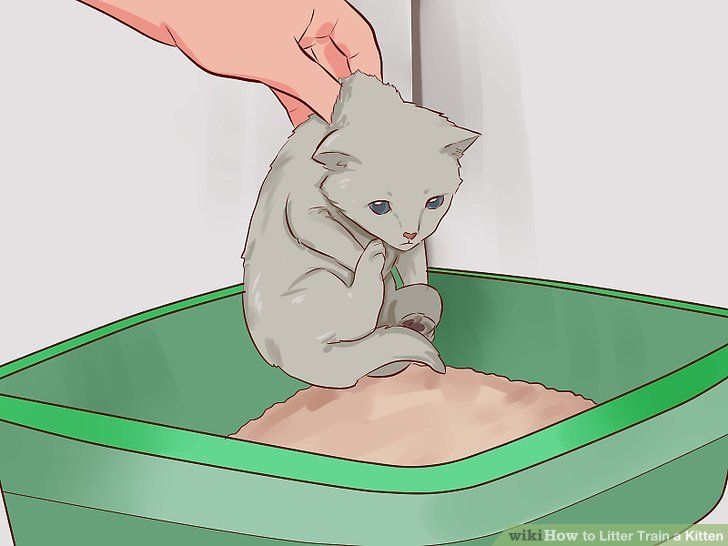
Choosing the right type of litter and essential supplies is fundamental to establishing an effective and hygienic litter training environment for multiple cats. The selection impacts not only odor control and cleanliness but also the comfort and health of your feline companions. Carefully considering the various options available ensures that your cats are encouraged to use their litter boxes consistently and happily.
With a wide array of litters and accessories on the market, it is crucial to understand their unique features, benefits, and potential drawbacks. Proper selection can reduce accidents, minimize litter box aversion, and make maintenance more manageable for pet owners managing multiple cats.
Types of Cat Litter Optimized for Multiple Cats
When managing litter boxes for several cats, the choice of litter material and scent considerations are particularly important. The ideal litter should be highly absorbent, control odors effectively, and be safe for prolonged contact with multiple animals. Additionally, many cats have preferences for certain textures and smells, which can influence their willingness to use the litter box consistently.
Below are common types of cat litter, each with distinct characteristics:
- Clumping Clay Litter: Made from bentonite clay, it forms solid clumps upon contact with moisture, making it easy to scoop. It provides excellent odor control but can be dusty and heavy.
- Non-Clumping Clay Litter: Typically made from clays like kaolin or calcium bentonite, it absorbs moisture but does not form clumps. It requires more frequent changing and may retain odors longer.
- Silica Gel Litter: Composed of tiny silica crystals, this type absorbs moisture quickly and controls odors efficiently. It is low-dust and long-lasting, but some cats may dislike the texture or smell.
- Biodegradable Litter: Made from materials such as recycled paper, wood, corn, or wheat, these litters are environmentally friendly and often less dusty. They may have varying absorbency and odor control capabilities, so testing for individual preferences is recommended.
Choosing the right litter involves balancing factors like odor control, dust levels, ease of cleaning, and your cats’ preferences. For households with multiple cats, clumping litters are often favored due to their ease of maintenance and odor management, but individual cat preferences should also be considered.
Comparison Table of Common Litter Types
Understanding the key differences between various litters can inform better decisions tailored to your household’s needs:
| Type of Litter | Pros | Cons |
|---|---|---|
| Clumping Clay |
|
|
| Non-Clumping Clay |
|
|
| Silica Gel |
|
|
| Biodegradable Litter |
|
|
Selection should align with your household priorities, including environmental concerns, budget, and your cats’ preferences for texture and scent.
Choosing the Right Scoop, Liners, and Cleaning Supplies
Proper tools and supplies are vital for maintaining a clean and inviting litter environment for multiple cats. The correct scoop facilitates efficient cleaning and discourages cross-contamination, while liners and cleaning products help streamline maintenance and ensure hygiene.
Consider the following guidelines:
- Scoops: Opt for sturdy, ergonomically designed scoops with large openings to facilitate quick removal of clumps and waste. Some scoops have reinforced edges for durability, especially important when managing multiple boxes.
- Liners: Use biodegradable or heavy-duty plastic liners that are compatible with your litter type. Liners can contain messes and simplify cleaning, but some cats may prefer the feel of an open box, so observe their preferences.
- Cleaning Supplies: Select pet-safe disinfectants specifically formulated for litter boxes to eliminate bacteria and odors without harming your cats. Regular scrubbing with proper cleaning agents prevents the buildup of germs and maintains an odor-free environment.
Ensuring that your supplies are of high quality and suited to your specific setup will make litter box maintenance less burdensome, encouraging consistent use by your cats and promoting their health and comfort.
Step-by-Step Procedures for Litter Training Multiple Cats
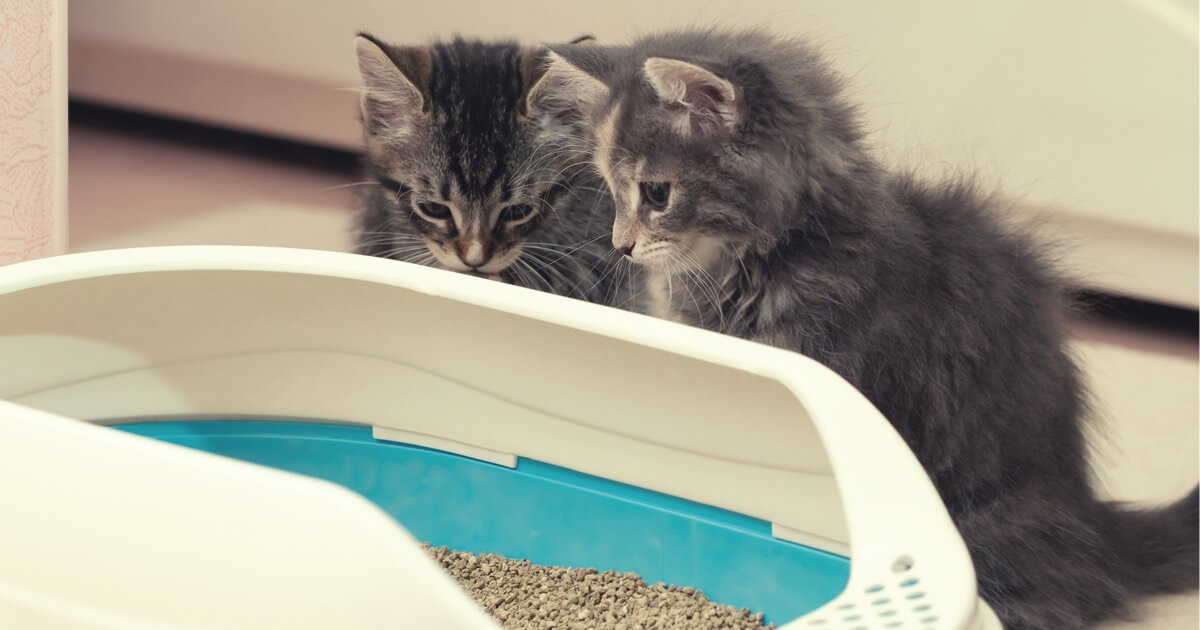
Successfully litter training multiple cats requires careful planning, patience, and consistent routines. Introducing each cat gradually to the litter environment and reinforcing positive behaviors can significantly improve the training process. This section provides a structured approach to help you guide your feline companions towards using the litter box reliably and comfortably.
Understanding and following a methodical sequence ensures that each cat develops proper litter habits while minimizing stress and territorial issues. Combining gentle introductions with positive reinforcement creates an environment where cats feel secure and motivated to use their designated litter areas.
Gradual Introduction of Cats to Litter Boxes
Introducing multiple cats to the litter box requires a step-by-step approach that respects their individual comfort levels and natural instincts. The goal is to make the litter box a familiar and non-threatening part of their environment, encouraging consistent use over time.
- Start with individual introductions: Begin by placing a separate litter box in each cat’s designated space. Allow each cat to explore and use the box without competition. Observe their reactions and ensure they are comfortable with the location and setup.
- Progress to supervised group access: Once each cat is comfortable using their personal litter box, gradually introduce shared access. Supervise interactions to prevent territorial disputes or avoidance behaviors.
- Encourage familiarity with multiple boxes: Introduce additional boxes in different locations around the home. This reduces territorial stress and gives cats options, especially if they prefer to avoid others while eliminating.
- Monitor and adjust: Keep an eye on each cat’s litter box habits. If conflicts or avoidance occur, revisit individual introductions or adjust the placement of the boxes to better suit their preferences.
Positive Reinforcement and Patience
Encouragement through positive reinforcement fosters good litter box habits in multiple cats. Patience is vital, as some cats may take longer to adapt to the new routine or environment. Recognizing and rewarding desired behaviors ensures a smooth transition and fosters trust.
- Use treats and praise: When a cat uses the litter box correctly, immediately reward them with a treat or verbal praise. This helps associate the behavior with positive outcomes.
- Maintain consistency: Stick to a regular schedule for cleaning and observing litter box usage. Consistent routines provide reassurance and reduce stress for cats.
- Observe behavior patterns: Pay attention to signs of discomfort or avoidance, such as reluctance to use the litter box or inappropriate elimination. Address issues promptly with gentle encouragement and environmental adjustments.
- Be patient and avoid punishment: Never punish a cat for accidents or reluctance. Use gentle redirection and ongoing positive reinforcement to reinforce proper behavior.
Maintenance Routine Checklist for Multi-Cat Litter Boxes
Keeping a consistent maintenance routine is essential to prevent litter box aversion and ensure hygiene. Regular upkeep encourages cats to use their designated areas and reduces the risk of odor and bacterial growth.
Here is an easy-to-follow checklist to manage daily, weekly, and monthly tasks effectively:
| Frequency | Tasks |
|---|---|
| Daily |
|
| Weekly |
|
| Monthly |
|
“Consistent maintenance ensures cats feel secure and keeps their environment hygienic, promoting healthy litter habits.”
Managing Multiple Cats’ Litter Box Habits
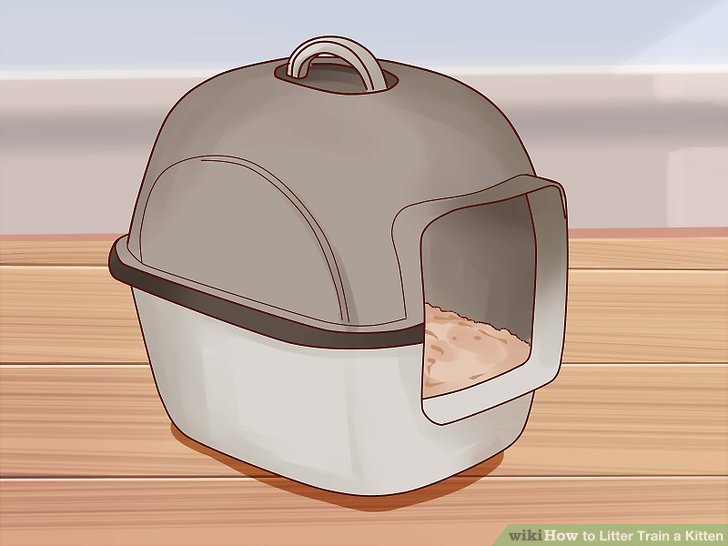
Effectively managing the litter box habits of multiple cats is essential to maintaining harmony and ensuring each feline’s health and comfort. Proper management helps prevent territorial disputes, promotes consistent usage, and allows for early detection of behavioral or health issues. Creating a balanced approach to litter box management fosters a cooperative environment where all cats feel secure and are encouraged to use their litter boxes appropriately.
Addressing the unique dynamics of multiple cats involves implementing specific techniques to prevent conflicts, closely monitoring their habits, and promptly addressing any problems that arise. Developing a structured routine and understanding individual behaviors are key factors in maintaining a peaceful and sanitary setting for your feline family.
Preventing Territorial Disputes Over Litter Boxes
In multi-cat households, territorial disputes over litter boxes can lead to stress and behavioral problems. To minimize conflicts, it is crucial to provide enough litter boxes and ensure they are placed in accessible, low-traffic areas. Maintaining a clean and odor-neutral environment encourages all cats to use the litter boxes without feeling threatened or territorial.
- Provide Adequate Number of Litter Boxes: The general guideline is one litter box per cat, plus an extra. For example, with three cats, at least four litter boxes should be available to reduce competition and territorial behavior.
- Distribute Litter Boxes Equally: Place litter boxes in different locations throughout the home, ensuring each cat has easy access without feeling crowded or territorialized.
- Maintain Privacy and Comfort: Select quiet, private spots for the litter boxes, away from noisy appliances or high-traffic areas, which helps reduce stress and territorial disputes.
- Consistent Cleaning Routine: Regularly scoop and clean the litter boxes to prevent odors and ensure comfort, which discourages cats from seeking alternative elimination sites.
Monitoring Litter Box Usage with Logs or Charts
Accurate monitoring of litter box habits provides valuable insight into each cat’s health and behavior. Using logs or charts helps identify patterns, detect early signs of health issues, or spot behavioral problems such as avoidance or marking. Consistent documentation also assists in assessing the effectiveness of management strategies and adjusting them as needed.
Keeping detailed records of litter box usage includes noting the frequency, timing, and any accidents or avoidance behaviors, enabling targeted interventions.
When setting up a monitoring system, consider the following steps:
- Design a Log Template: Create a simple chart that records date, time, and observations for each cat. Use columns for individual cats to track their activity separately.
- Schedule Regular Checks: Review logs daily or weekly to identify any irregularities, such as decreased usage or increased accidents.
- Note Behavioral Changes: Record any signs of stress, avoidance, or aggression around the litter boxes, which may indicate underlying issues.
- Use Data for Adjustment: Analyze the logs to determine if the current setup is effective or if modifications are necessary, such as relocating litter boxes or changing litter types.
Identifying and Addressing Problems Such as Avoidance or Accidents
Despite best efforts, issues like avoidance or accidents may occur in a multi-cat household. Recognizing early warning signs and addressing them promptly is vital to maintaining a healthy environment. Common problems include a cat refusing to use the litter box, urinating outside it, or conflicting over resources.
To identify these problems, closely observe each cat’s behavior and review the logs regularly. Indicators include missed litter box visits, signs of stress near the litter boxes, or new markings outside the designated areas. Once identified, targeted strategies can be implemented:
- Investigate Potential Causes: Check for factors such as dirty litter boxes, inappropriate placement, or health issues like urinary tract infections, which can cause avoidance.
- Address Environmental Stressors: Reduce noise, disturbances, or territorial conflicts by providing additional hiding spots and ensuring ample resources.
- Reevaluate Litter and Supplies: Sometimes, cats develop preferences for certain types of litter or substrates. Experiment with different options to find what suits each cat best.
- Consult Veterinary Professionals: If avoidance or accidents persist, seek advice from a veterinarian to rule out health problems and receive tailored behavioral recommendations.
Implementing a consistent, attentive approach to managing litter box habits ensures that behavioral issues are minimized and that each cat remains comfortable and healthy within the shared environment.
Troubleshooting Common Issues in Multi-Cat Litter Training
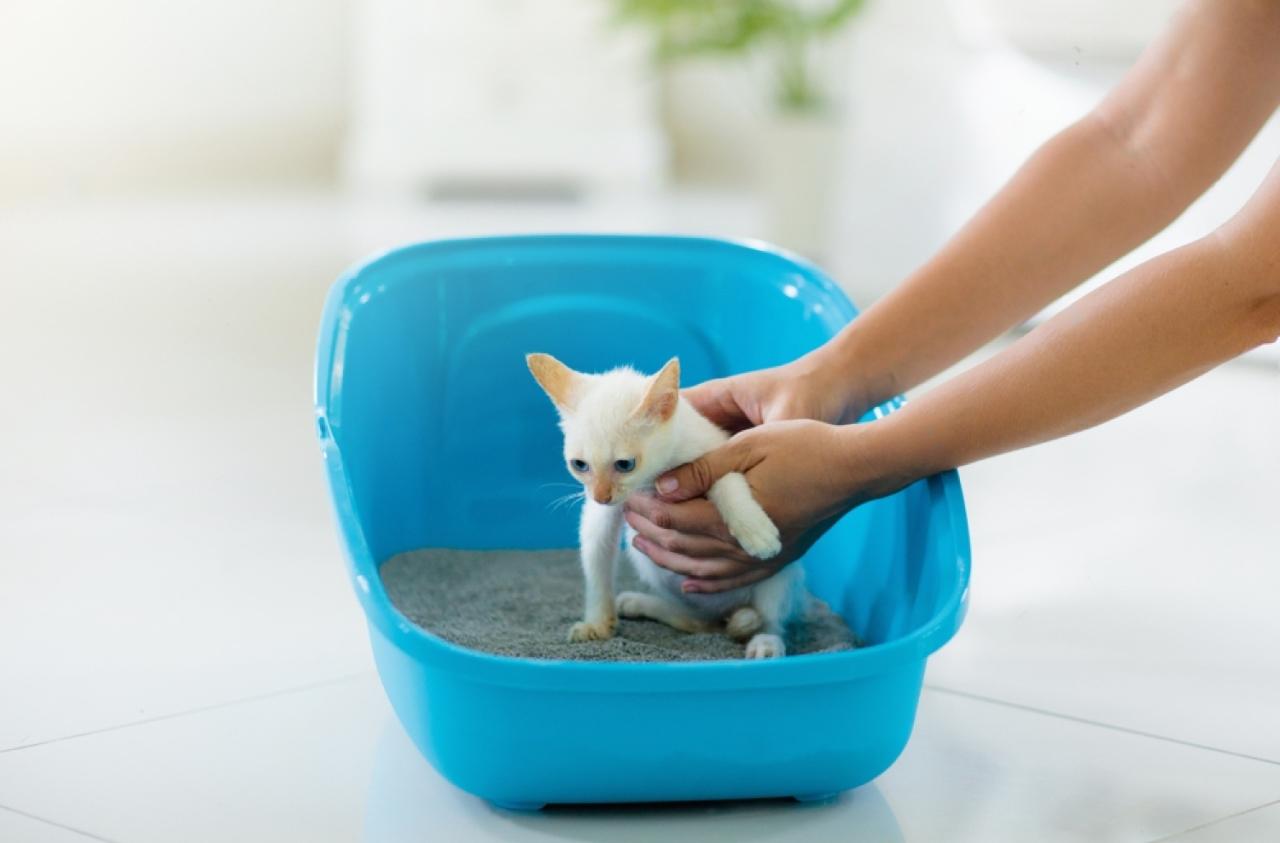
Managing multiple cats’ litter habits can present unique challenges that require attentive strategies and patience. Common issues such as litter box aversion, selective use, and aggressive behaviors around the litter area can disrupt harmony and hinder effective training. Recognizing the root causes of these problems and implementing targeted solutions is essential for fostering a peaceful, clean, and well-trained multi-cat household.
Understanding and addressing these issues proactively helps prevent long-term behavioral problems, reduces stress for your cats, and ensures that litter training remains a positive experience for all involved. This section offers a comprehensive overview of common litter box problems and practical remedies to maintain a harmonious environment.
Litter Box Aversion and Selective Use
When cats develop aversion to certain litter boxes or become selective in their use, it often signals discomfort, health issues, or environmental factors that make the box unappealing. Cats may refuse to use a box if it is dirty, poorly scented, or located in an inconvenient or stressful area. Some cats develop preferences for specific types of litter or box styles, leading to selective use among multiple felines.
To address litter box aversion and selectivity, consider the following solutions:
- Maintain a strict cleaning schedule, scooping daily and thoroughly washing the box weekly to ensure cleanliness and odor control.
- Use unscented, clumping litter that mimics natural substrates, which is generally preferred by most cats.
- Place multiple litter boxes in different quiet, accessible locations to prevent territorial disputes or stress caused by competition or crowded spaces.
- Ensure each litter box is of adequate size (at least one and a half times the length of the cat) and has low sides for easy access, especially for elderly or arthritic cats.
- Observe individual preferences and, if needed, provide different types of litter or box styles to accommodate specific cats’ preferences.
Consistently observing your cats’ reactions and preferences is crucial. A happy cat is more likely to use the litter box reliably, reducing accidents and behavioral issues.
Handling Aggressive Behavior Around Litter Boxes
Aggressive behavior near litter boxes can stem from territorial disputes, stress, or frustration. Such behavior not only hampers litter training but also escalates tensions among cats, leading to injuries or avoidance of the litter area altogether.
Addressing aggression requires a combination of environmental management, behavior modification, and sometimes medical intervention. Effective strategies include:
- Providing ample space and multiple litter boxes to reduce competition and territorial disputes.
- Using pheromone diffusers or sprays, such as Feliway, to promote relaxation and reduce stress-related aggression.
- Introducing gradual introductions or supervised interactions during litter box visits to prevent conflicts.
- Maintaining a routine that minimizes sudden changes or disruptions, which can trigger stress-induced aggression.
- Monitoring for underlying health issues that may cause discomfort or irritability, consulting a veterinarian if aggressive behavior persists.
Creating a calm, secure environment around litter areas promotes better litter habits and reduces aggressive incidents, fostering a peaceful multi-cat household.
Common Problems and Effective Remedies
In managing multiple cats, several recurring issues can disrupt litter training efforts. Understanding these common problems alongside their remedies enhances the overall success rate and ensures a harmonious living space.
| Problem | Cause | Effective Remedy |
|---|---|---|
| Urination outside the litter box | Unclean boxes, inappropriate litter, or stress | Increase cleaning frequency, try different litter types, and provide quiet, stress-free environments |
| Defecating outside the box | Box too small, poorly located, or aversion to box material | Upgrade to larger, more accessible boxes, and relocate to quiet areas |
| Cat avoiding the litter box after previous use | Health issues, scent marking, or dislike of the box | Vet check for health issues, thoroughly clean the box, and consider different box styles or scents |
| Aggressive behavior around litter boxes | Territorial disputes or stress | Provide multiple boxes, use pheromones, and ensure a calm environment |
| Selective use of specific boxes or litter | Preference for certain types or locations | Offer a variety of options and monitor individual preferences |
Tips for Long-Term Success in Multi-Cat Litter Training
![How to Litter Train a Kitten - 5 Easy and Fast Steps [2022]](https://aruni.web.id/wp-content/uploads/2025/09/maxresdefault-13.jpg "How to Litter Train a Kitten - 5 Easy and Fast Steps [2022]")
Establishing effective litter box habits among multiple cats requires ongoing attention and proactive strategies. Long-term success hinges on maintaining cleanliness, adapting to behavioral changes, and fostering a harmonious environment where all cats feel comfortable and secure using their designated litter boxes.To ensure consistent litter box use over time, owners must prioritize cleanliness, regularly monitor each box for cleanliness and odor, and address any issues promptly.
As cats age or their behaviors evolve, adapting litter box arrangements becomes essential. This includes adjusting the number of boxes, their locations, and types to suit their changing needs. Promoting positive litter box habits among multiple cats involves establishing routines, providing visual cues, and managing territorial behaviors that could interfere with proper use.
Maintaining Cleanliness to Promote Consistent Use
Consistent cleaning of litter boxes is a fundamental aspect of long-term litter training success. A clean litter box encourages cats to use it instead of seeking alternative spots around the home. Regularly scooping out waste—at least once daily—helps reduce odor and prevents the buildup of bacteria that can deter cats from using the box. Completely changing the litter and washing the box with mild, non-toxic disinfectants at least once a week further promotes a hygienic environment.Proper maintenance extends to choosing litter that effectively controls odor and clumps well, making cleaning easier and more efficient.
It is advisable to provide multiple litter boxes—preferably one per cat plus an extra—to prevent competition and territorial disputes. Clear labeling or visual cues can also help cats identify their designated boxes, especially in multi-level homes.
Adapting Litter Box Arrangements as Cats Age or Behaviors Change
Over time, cats may develop preferences or health issues that necessitate modifications in their litter box setup. Older cats might prefer lower-sided boxes to ease entry, or they might benefit from softer, more absorbent litter to reduce discomfort. Behavioral changes, such as increased territoriality or shifts in social dynamics among cats, can also influence litter box habits.Adjustments may include increasing the number of boxes if conflicts arise, relocating boxes to quieter, less trafficked areas, or switching to different types of litter that better suit the cats’ current needs.
Regular observation of each cat’s litter box behavior provides insights into possible health concerns or stressors, prompting timely modifications. Ensuring each cat has access to a suitable box tailored to its preferences helps prevent accidents and promotes harmonious usage.
Fostering Harmonious Litter Box Habits Among Multiple Cats
Creating a peaceful environment where multiple cats can share litter boxes without conflict involves strategic placement, clear routines, and positive reinforcement. Placing boxes in different, quiet locations reduces territorial disputes and encourages all cats to use their designated areas.Providing enough space and privacy within each box—such as using covered or semi-enclosed litter boxes—can make cats feel secure, reducing competition. Establishing a consistent routine, such as cleaning times and feeding schedules, minimizes stress and helps regulate litter box usage.
Additionally, rewarding cats with praise or treats when they use the box properly reinforces positive behavior.Monitoring interactions around litter boxes and promptly addressing any aggressive or inappropriate behaviors prevents resentment or avoidance. Maintaining a calm, stress-free environment, coupled with attentive care, supports long-term coexistence and consistent litter box use among multiple cats.
Final Conclusion
In conclusion, mastering how to litter train multiple cats involves thoughtful preparation, consistent routines, and understanding each cat’s needs. By maintaining a clean environment and encouraging positive habits, you can ensure a harmonious household where all your feline friends are healthy and content. Implementing these strategies will lead to long-term success and a more enjoyable experience for both you and your cats.