Understanding how to recognize cat vocal sounds is essential for fostering a stronger bond with your feline companion. By learning to interpret their various vocalizations, you can better respond to their needs and emotions, enhancing your mutual understanding.
This guide explores the different types of cat sounds, their meanings, contextual cues, and practical techniques to improve communication, ensuring a harmonious relationship between you and your cat.
Understanding Cat Vocal Sounds
Feline vocalizations serve as a vital communication tool, revealing a cat’s emotional state, needs, and intentions. Recognizing and interpreting these sounds can significantly enhance the bond between cats and their owners, ensuring that their signals are understood accurately. Since each vocalization has distinct characteristics and typical contexts, understanding these nuances is essential for responsible and empathetic pet ownership.
Different types of cat sounds convey a wide range of messages, from contentment to discomfort or alertness. By paying attention to the specific sounds a cat makes, pet owners can respond appropriately, whether that involves offering comfort, play, or identifying a potential issue requiring veterinary attention. Below, we explore the common vocalizations cats use, describing their features and typical situations.
Types of Cat Vocalizations and Their Meanings
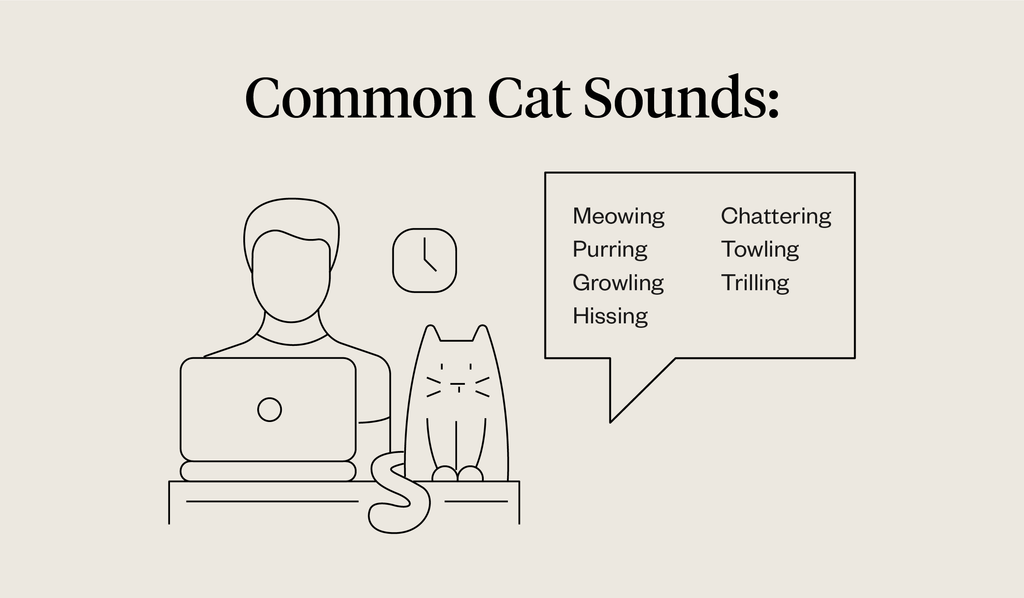
Each vocal sound produced by a cat carries specific information, often influenced by the context in which it occurs. Understanding these sounds requires attention to their tone, pitch, duration, and accompanying body language. The following descriptions detail the most common vocalizations:
- Meows: The most familiar feline sound, used primarily for communication with humans. Meows can vary in pitch and intensity, serving different purposes based on the situation. A soft, brief meow might greet an owner, while a loud, persistent meow could indicate hunger or a desire for attention.
- Purrs: Associated with contentment and relaxation, but also occasionally used to comfort themselves when in pain or distress. Purring is a gentle, rhythmic vibrating sound that indicates a happy or self-soothing state.
- Hisses and Growls: Defensive vocalizations signaling fear, aggression, or discomfort. Hissing resembles a sharp, prolonged exhalation and is often accompanied by arched back and fluffed fur. Growling is a guttural sound indicating a warning to stay away or a threat perception.
- Chirps and Chatters: Often heard when a cat spots prey or a bird outside a window. These sounds are a mix of chattering, which resembles a series of quick, high-pitched notes, and chirping, which carries a trilling quality. They may express excitement or frustration.
Understanding these vocalizations involves noting the context, tone, and accompanying body language. The following table summarizes these elements for quick reference:
| Sound Type | Description | Common Situation | Possible Message |
|---|---|---|---|
| Meow | Varied pitch; can be soft or loud; used for communication with humans | Greeting, requesting attention, hunger, or indicating discomfort | Seeking interaction, expressing needs, or alerting to a problem |
| Purr | Rhythmic, vibrating sound; gentle and soothing | When relaxed, being petted, or self-soothing during pain | Contentment, relaxation, or self-comfort in stressful situations |
| Hiss and Growl | Sharp exhale or guttural; often with fluffed fur and arched posture | Encountering a threat, feeling threatened, or defending territory | Warning to back off, feeling threatened or aggressive |
| Chirps and Chatters | High-pitched, rapid notes; sometimes trilling | Watching prey or birds outside window, or excitement | Excitement, frustration, or predatory interest |
Recognizing the context and tone of a cat’s vocalizations is essential for proper interpretation and response, fostering a healthier and more understanding relationship.
Interpreting the Meaning Behind Cat Sounds
![Most Vocal Cat Breeds [Video] | Cat breeds, Breeds, Cat life](https://aruni.web.id/wp-content/uploads/2025/09/image-2568.png "Most Vocal Cat Breeds [Video] | Cat breeds, Breeds, Cat life")
Understanding what a cat’s vocalizations signify is essential for fostering a deeper bond and ensuring their well-being. Each sound a cat makes carries specific emotional cues that, when interpreted correctly, reveal their current mood and needs. Recognizing these vocal signals allows pet owners and enthusiasts to respond appropriately, creating a harmonious environment for both cat and human.
Interpreting cat sounds involves analyzing not only the tone, pitch, and duration of the vocalization but also observing the accompanying body language. Combining auditory cues with visual signals provides a comprehensive understanding of a cat’s emotional state. This integrated approach ensures more accurate communication and helps in addressing their needs more effectively.
Identifying Emotional States Through Vocalizations and Body Language
Each vocal sound is a window into a cat’s emotional landscape. For example, a soft purr often indicates contentment and relaxation, whereas a high-pitched yowl may signal distress or discomfort. The context in which sounds occur, along with physical gestures, helps clarify the specific emotion behind the vocalization.
Observable body language such as tail position, ear orientation, eye openness, and posture plays a pivotal role in interpreting the meaning of vocal sounds. For instance, a cat with ears pinned back and a puffed-up tail accompanied by hissing is likely feeling threatened or angry. Conversely, a relaxed cat with half-closed eyes and a gently swaying tail is probably feeling calm and happy.
Common Vocalizations and Their Likely Emotional Meanings
To better understand a cat’s feelings, it is helpful to familiarize oneself with common vocalizations and their typical emotional connotations. Keep in mind that individual cats may have unique variations, but these general associations serve as useful guidelines:
Purring: Usually indicates contentment, comfort, or relaxation. It can also occur when a cat is in pain or distressed, serving as a self-soothing mechanism.
Meowing: Primarily a form of communication directed at humans, often used to seek attention, ask for food, or express needs. The tone and context can reveal whether the cat is hungry, bored, or seeking affection.
Chirping or Chattering: Commonly occurs when a cat is watching birds or prey animals; it signifies excitement or frustration, often linked to hunting instincts.
Hissing or Growling: Indicates fear, aggression, or discomfort. Accompanying body language typically includes arched back, fluffed fur, and defensive posture.
Yowling or Long Howls: Can suggest loneliness, distress, or territorial disputes. It may also mark mating behavior in unspayed or unneutered cats.
Understanding these vocal cues within the context of body language and environment enhances the accuracy of interpreting a cat’s emotional state. Recognizing these signals enables owners to respond appropriately, whether by comforting a distressed cat, respecting their boundaries, or providing enrichment to keep them happy and healthy.
Contextual Clues to Cat Vocalization

Understanding the environmental and situational factors that influence a cat’s vocalizations is essential for accurate interpretation. Recognizing these contextual cues helps differentiate between various vocal signals, providing insight into your cat’s emotional state and needs. The environment in which a cat vocalizes often shapes the tone, frequency, and pattern of their sounds, making context a vital component of feline communication analysis.
By systematically observing the surroundings and circumstances accompanying vocalizations, owners and caregivers can develop a more nuanced understanding of what their cats are conveying. This approach involves assessing external stimuli, the cat’s physical positioning, their activity levels, and the presence of other animals or humans. Such comprehensive awareness enhances the ability to respond appropriately to your feline companion’s vocal cues, fostering better communication and strengthening the bond between pet and owner.
Recognizing Environmental and Situational Factors
Proper recognition of the environmental and situational influences on a cat’s vocal sounds involves a step-by-step observational process:
- Assess the Immediate Environment: Consider whether the setting is indoors, outdoors, or at a veterinary clinic. Changes or disruptions in the environment often trigger specific vocal responses.
- Identify External Stimuli: Note if there are unfamiliar noises, new objects, or other animals present. For example, loud noises or the presence of unfamiliar animals can provoke alarmed or defensive vocalizations.
- Observe the Cat’s Physical Context: Take note of the cat’s activity—whether they are resting, playing, or seeking attention. Vocalizations during these different activities often carry distinct meanings.
- Evaluate the Time and Routine: Habitual vocal patterns, such as morning meows or evening purrs, can be linked to routine needs or comfort signals.
Understanding the influence of specific settings helps in interpreting vocal patterns accurately. For example, a cat vocalizing loudly at the vet’s office may be expressing discomfort or stress, whereas the same sound in a familiar home setting might indicate a desire for food or attention. Recognizing these environmental cues allows for more precise responses and promotes better welfare for the cat.
Examples of Context-Dependent Vocalization Patterns
Context greatly influences the nature of feline vocalizations. Below are illustrative scenarios demonstrating how setting impacts vocal behavior:
| Setting | Typical Vocal Pattern | Associated Behavior or Need |
|---|---|---|
| Home Environment | Mild meowing or purring, often during interaction or near feeding time | Seeking attention, expressing contentment, or requesting food |
| Outdoors or in unfamiliar territory | Loud, urgent yowling or chattering | Alerting to perceived threats, territorial defense, or excitement during hunting |
| Veterinary Clinic | High-pitched, distressed vocalizations | Indicating discomfort, fear, or pain |
Effective interpretation of cat vocalizations requires integrating sound characteristics with contextual clues, ensuring responses are appropriate and empathetic.
Differences in Vocal Sounds Between Cats

Recognizing the variations in vocalizations across different cat breeds and age groups offers valuable insights into their unique communication styles and health statuses. Understanding these differences enhances a caregiver’s ability to interpret and respond appropriately to their feline companions, fostering stronger bonds and promoting well-being.
Vocal behaviors can vary significantly based on genetic predispositions, developmental stages, and individual health conditions. For example, some breeds are naturally more vocal, using a wider range of sounds to communicate their needs, while others tend to be quieter and more reserved. Similarly, kittens and senior cats exhibit distinct vocal patterns that reflect their developmental and health-related changes.
Breed and Age-Related Variations in Vocalizations
Exploring how breed and age influence vocal behaviors enables owners and veterinarians to distinguish between normal communication and signs of distress or illness. Recognizing these differences supports early intervention and tailored interactions with cats at various life stages.
| Breed/Age | Sound Type | Context | Possible Reason |
|---|---|---|---|
| Siamese | High-pitched yowls, loud meows | Seeking attention, expressing frustration | Breed tendency towards vocalization and social interaction |
| Persian | Soft, gentle meows | Requesting food or affection | Calm temperament, less vocal overall |
| Kittens (up to 6 months) | Meows, chirps, trills | Communicating with mother or humans | Developmental phase of learning and exploration |
| Senior cats (over 10 years) | Gurgling sounds, quieter meows | Expressing discomfort or seeking companionship | Potential health issues, age-related hearing loss |
| Active, playful breeds (e.g., Abyssinian) | Vocal trills, chirpy sounds | Playful interactions, greeting | High energy levels and social nature |
| Less vocal breeds (e.g., British Shorthair) | Minimal vocal sounds, subtle purring | Relaxed environment, contentment | Calm disposition, less need for vocal communication |
Tracking vocalization changes over time can reveal shifts in a cat’s health or emotional state. Regular recordings, either through note-taking or audio recordings, can help identify patterns or anomalies. Noticing an increase in loudness, frequency, or a change in sound quality—such as a hoarse voice—may indicate health issues like respiratory infections, dental problems, or neurological concerns. Conversely, a sudden decrease in vocal activity could signal pain, depression, or hearing impairments.
Monitoring vocalization patterns and differences across breeds and ages provides critical insights into a cat’s overall health and emotional well-being, enabling timely intervention and more effective communication.
Practical Techniques to Learn and Respond to Cat Sounds
Developing the ability to recognize and respond appropriately to a cat’s vocal cues is fundamental to fostering a strong, trusting relationship with your feline companion. These techniques involve attentive observation, consistent interpretation, and positive reinforcement, allowing owners to better understand their cats’ needs and emotional states. By mastering these skills, owners can improve communication, reduce misunderstandings, and enhance the overall well-being of their pets.
Implementing practical strategies for understanding and responding to cat sounds requires patience, consistency, and a willingness to learn. This process involves observing vocal patterns, associating sounds with specific behaviors or situations, and responding in ways that encourage desirable communication. Over time, these techniques help create a harmonious interaction based on mutual understanding and trust.
Training Owners to Recognize and Respond to Vocal Cues
Owners can adopt systematic procedures to become more adept at identifying the nuances of their cat’s vocalizations. Recognizing that cats use a range of sounds to convey different messages is the first step. Regularly paying attention to the tone, pitch, and context of each vocalization enhances understanding. Consistent responses and positive reinforcement reinforce the cat’s willingness to communicate and facilitate clearer exchanges over time.
- Observe and record daily vocal patterns, noting the circumstances under which specific sounds occur. Maintain a journal for tracking when a cat purrs, meows, or makes other noises, along with the context such as time of day, location, or activity.
- Identify recurring sounds and their typical meanings based on contextual clues. For instance, a high-pitched meow near feeding time often indicates hunger.
- Respond promptly and appropriately to vocal cues, reinforcing positive interactions. For example, if a cat meows at the door, respond by opening it or calling the cat over gently.
- Use consistent verbal or physical cues paired with sounds to establish associations. For example, pairing a specific meow with treats or playtime helps the cat understand the intended message.
- Reinforce positive communication through rewards, such as petting, treats, or soothing words, to encourage your cat to continue expressing itself vocally.
Examples of Responses that Reinforce Positive Communication
Effective responses to your cat’s vocalizations can foster trust and encourage more expressive communication. Here are some examples of positive reinforcement techniques:
- When your cat meows at the door, gently open it and praise with a soft voice, reinforcing the message.
- If your cat purrs when being petted, respond with gentle words or petting, affirming the behavior.
- Respond to a hungry-sounding meow with a timely feeding or a treat, associating the sound with a positive outcome.
- Use calming tones or soothing words when your cat vocalizes anxiously, helping to reduce stress and build confidence.
- Encourage playful vocalizations by engaging in interactive play when your cat makes inviting sounds, strengthening the communication loop.
Step-by-Step Guide for Interpreting Cat Sounds in Different Situations
This checklist provides a structured approach for understanding various vocal cues in context, facilitating more accurate responses and improved communication:
- Observe the sound: Note the pitch, volume, and tone of the vocalization.
- Identify the situation: Consider what your cat is doing or where it is when the sound occurs (e.g., feeding, playing, resting).
- Assess body language: Look for accompanying cues such as tail position, ear orientation, or body posture to interpret emotional state.
- Match the sound with context: Combine auditory clues with situational and physical cues to infer the message.
- Respond appropriately: Act in a way that addresses the perceived need or emotion. For instance, if your cat is meowing near the food bowl, prepare to feed or offer treats.
- Reinforce positive interactions: Use gentle voice commands, petting, or treats to acknowledge the communication successfully.
- Record and reflect: Keep a journal of vocalizations and responses to identify patterns and improve understanding over time.
Through consistent practice of these techniques, owners can become attuned to their cats’ vocal signals, leading to more meaningful and fulfilling interactions. Recognizing the subtle differences and context behind each sound empowers owners to respond with empathy, reinforcing a trusting and communicative relationship.
Closure
Mastering how to know cat vocal sounds opens the door to more meaningful interactions and healthier relationships with your feline friends. By paying attention to their sounds and body language, you can better meet their needs and ensure their well-being.