Introducing a cat to a new baby requires careful preparation and thoughtful management to ensure a harmonious relationship from the start. This process involves creating a safe environment, gradual scent introduction, and supervised interactions that foster positive associations between the pet and the newborn.
By following well-structured steps, such as setting up designated areas, introducing the baby’s scent gradually, and monitoring initial meetings, families can help their feline companions adapt comfortably while ensuring the baby’s safety and well-being are prioritized throughout the transition.
Introducing the Cat to Baby’s Scent and Environment
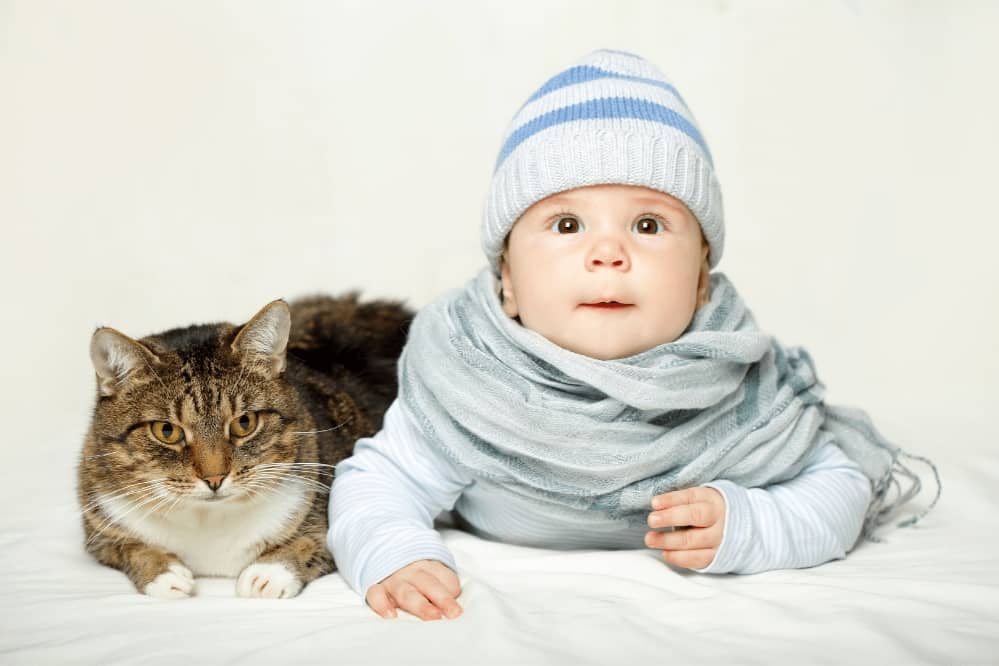
Creating a harmonious relationship between your cat and your newborn begins with careful introduction of the baby’s scent and surroundings. This process helps your feline friend become familiar with new smells and changes, reducing potential stress or territorial behaviors. Properly managing scent introduction fosters a positive association with the baby and supports a peaceful cohabitation.Introducing the cat to the baby’s scent and environment involves a gradual and thoughtful approach.
Cats rely heavily on their sense of smell to interpret their surroundings and identify familiar versus unfamiliar objects or beings. By exposing your cat to the baby’s belongings and scent in a controlled manner, you lay the groundwork for a calm and curious response rather than fear or aggression.
Techniques for Transferring the Baby’s Scent to the Cat
In order to familiarize your cat with the baby’s scent, it is beneficial to transfer the smell using soft, clean fabrics such as cloths or blankets. These objects act as carriers of the scent, allowing your feline companion to explore it at their own pace within a safe setting.
- Gently rub a clean cloth or soft blanket against the baby’s skin or clothing, especially near the baby’s cradle or clothes that carry the scent of the baby’s skin, clothing, or diaper area. This method captures the scent in a subtle and non-intrusive manner.
- Once the cloth has absorbed the scent, place it in areas where the cat frequently spends time, such as the cat’s favorite resting spots or feeding areas. This encourages the cat to associate the familiar scent with comfort and safety.
- Repeat this process regularly during the week leading up to the baby’s arrival, gradually increasing the exposure to reinforce familiarity.
Procedures for Gradually Exposing the Cat to Baby’s Clothing or Belongings
Gradual exposure is key to ensuring your cat adapts positively to the new environment. Introducing the baby’s clothing or belongings incrementally prevents overwhelming the feline, reducing the likelihood of stress or territorial reactions.
- Start by placing the baby’s clothing or belongings in a common area where the cat already feels secure, allowing the cat to investigate at their own pace without direct interaction.
- Initially, keep the items in a discreet location, such as a basket or a designated corner, and monitor the cat’s response. Observe whether the cat shows curiosity, indifference, or signs of anxiety.
- Over several days, increase the exposure by moving the items to more central locations and allowing the cat closer access, always under supervision.
- Complement the process by offering treats or praise when the cat interacts calmly with the belongings, reinforcing positive associations with the new scent.
Reinforcing Positive Associations with the Baby’s Scent
Building positive associations is fundamental to fostering a peaceful coexistence. Reinforcement techniques involve pairing the baby’s scent with enjoyable experiences for the cat, thereby reducing fear and promoting curiosity.
- Offer the cat favorite treats or engaging play sessions when they are near the baby’s clothing or belongings, associating the scent with positive experiences.
- Use gentle petting or soothing voice commands while the cat is exploring the new scents to create a calm and reassuring atmosphere.
- Maintain a consistent routine to help the cat feel secure, and gradually increase exposure to the new environment as the cat shows signs of comfort.
Monitoring the Cat’s Reactions During Scent Introduction
Careful observation of the cat’s behavior during scent introduction is essential to identify signs of stress or acceptance. Monitoring allows for timely adjustments to the process and ensures the well-being of both the cat and the baby.
Look for signs such as curiosity, licking, sniffing, or gentle rubbing, which indicate positive engagement. Conversely, signs of distress include hissing, growling, hiding, or aggressive postures, which suggest the need to slow down or reassess the approach.
- Keep a close watch on the cat’s body language during all interactions, noting any changes from calm curiosity to agitation or avoidance.
- Limit handling or exposure if the cat shows signs of stress, gradually reintroducing scent exposure once the cat appears more relaxed.
- Ensure that the cat has access to quiet and comfortable spaces where they can retreat if feeling overwhelmed, supporting their sense of security.
By carefully managing the introduction of the baby’s scent and environment, you help your cat adjust smoothly to the new family member, fostering a peaceful and affectionate relationship from the outset.
Managing First Face-to-Face Encounters
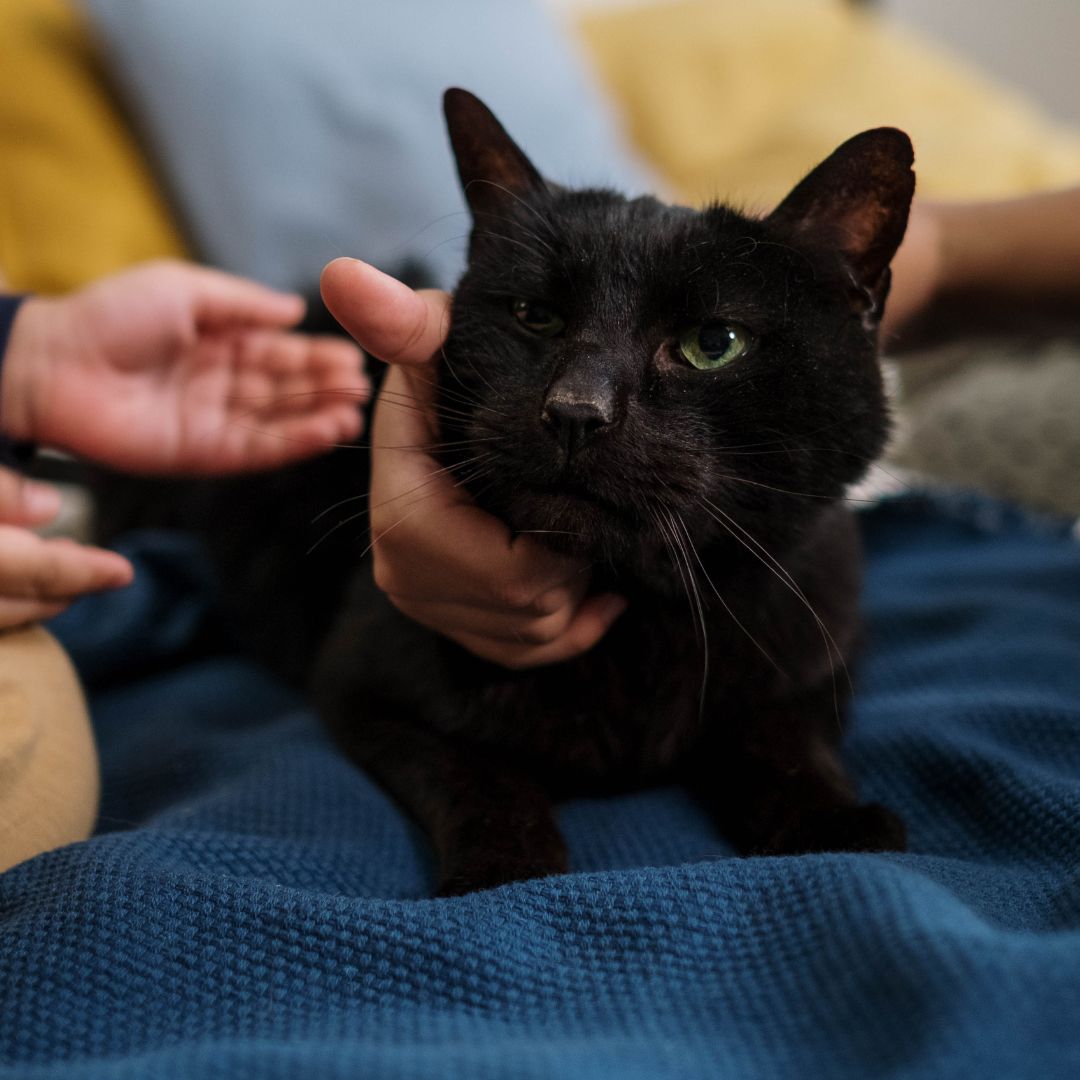
Facilitating a safe and positive initial interaction between your cat and your newborn is essential for establishing a harmonious relationship. Proper management during these first meetings helps prevent stress, fear, or aggression, setting the foundation for a peaceful coexistence. Supervised encounters are crucial to ensure the safety of both your baby and your feline companion, allowing you to observe and intervene if necessary.
By carefully planning and implementing specific procedures, you can help your cat adapt gradually to your baby’s presence, reducing potential conflicts. Using barriers or transparent screens provides a controlled environment where visual contact can occur safely, allowing the cat to acclimate to the new scent and environment without direct physical interaction. During these initial meetings, employing calming techniques for your cat ensures they feel secure, while recognizing stress cues helps prevent escalation into aggressive behaviors.
Steps for Supervised Initial Meetings
Supervision during the first face-to-face encounters is vital to ensure both safety and comfort. The process involves a series of deliberate steps designed to gradually introduce your cat to your baby, allowing both to adjust at their own pace. These steps include:
- Preparing a calm environment where the encounter will take place, minimizing loud noises or sudden movements that may startle either party.
- Keeping the cat on a leash or in a carrier initially, so you can control their movements and prevent sudden lunges or escapes.
- Allowing the cat to observe the baby from a distance, gradually decreasing the space between them over multiple supervised sessions.
- Monitoring the cat’s body language continuously, ready to intervene if signs of stress or aggression appear.
- Reinforcing positive behavior with treats or praise to create a favorable association with the baby’s presence.
Repeated, short, and positive interactions help foster a sense of security for your cat and familiarity with the new environment, paving the way for more direct contact in the future.
Using Barriers or Transparent Screens for Visual Contact
Implementing barriers or transparent screens provides an effective method for allowing visual contact while maintaining safety. These tools enable your cat and baby to see each other without direct contact, thereby reducing the risk of sudden aggressive reactions or overstimulation. Transparent screens, such as acrylic or glass partitions, are ideal as they allow clear visibility and communication cues.
Positioning the barrier at a safe distance and gradually lowering it over several sessions can help your cat become accustomed to the baby’s sight and scent. This method also offers reassurance to your cat, as they can observe the baby without feeling threatened or overwhelmed. During these sessions, it’s helpful to speak softly, use calming tones, and reward your cat for calm behavior to reinforce positive associations.
Procedures for Calming the Cat During Initial Meetings
Ensuring your cat remains calm during their initial encounters with the baby is crucial for preventing stress-related behaviors. Employing specific calming procedures can make these meetings more comfortable for your feline friend. These procedures include:
- Creating a quiet, secure space for the cat to retreat to immediately after the encounter, allowing them to decompress.
- Using pheromone diffusers, such as Feliway, in the room to promote relaxation and reduce anxiety.
- Keeping sessions brief initially—around 5 to 10 minutes—and gradually increasing duration as the cat becomes more comfortable.
- Playing soft music or white noise in the background to mask sudden sounds that might startle the cat.
- Encouraging calm behavior with treats, gentle petting, or soothing voices, provided the cat is receptive and not showing signs of stress.
Recognizing signs of stress or aggression early is vital to prevent escalation. Indicators such as flattened ears, dilated pupils, tail flicking, hissing, or growling should prompt you to pause the interaction, give the cat space, and allow them to recover from the encounter.
Understanding and respecting your cat’s cues ensures that the introductions remain positive and do not lead to long-term fear or aggression issues. Patience and consistency are key to successfully managing these initial face-to-face meetings, fostering a safe and loving environment for your growing family.
Ensuring Safe Interactions and Bonding

Creating a safe and positive environment for both the cat and the newborn is essential for establishing a trusting relationship. Gradually increasing the interaction time and reinforcing good behavior lay the foundation for a harmonious coexistence. Active involvement of the entire family in supervised interactions helps reinforce boundaries and encourages bonding while maintaining safety.
Implementing structured routines and clear guidelines ensures that both the cat and the baby can develop a secure and affectionate relationship over time. Patience and consistency are key components in fostering mutual comfort and understanding, thereby reducing potential stress or conflicts during their interactions.
Gradually Increasing Interaction Time
Progressively extending the duration of supervised interactions allows both the cat and the baby to become accustomed to each other’s presence without feeling overwhelmed. Start with short, controlled sessions—perhaps a few minutes—focusing on calm behavior. Gradually increase these periods as both parties display comfort and positive responses.
Consistent routines help the cat anticipate time spent with the baby, which can reduce anxiety. For example, allowing the cat to observe the baby from a distance initially, then slowly moving closer while monitoring reactions, ensures a gentle adaptation process. Recognizing signs of stress—such as hissing, growling, or retreating—and reducing interaction time accordingly is vital for maintaining a safe environment.
Reinforcing Positive Behavior Around the Baby
Positive reinforcement techniques are effective in encouraging desirable behaviors in cats around their new human family member. Rewarding calm, gentle interactions with treats or praise helps the cat associate the baby’s presence with positive experiences. For instance, offering a treat when the cat remains relaxed near the baby encourages continued calm behavior.
Additionally, avoiding punishment or negative reactions to undesirable behaviors—like scratching or excessive sniffing—prevents fear and hostility. Instead, redirect the cat’s attention toward acceptable behaviors, such as sitting calmly or engaging with toys, reinforcing a peaceful coexistence.
Creating safe spaces where the cat can retreat if overwhelmed reinforces a sense of security and helps prevent negative interactions. Consistent cues and gentle handling foster trust and facilitate positive bonds over time.
Involving the Family in Supervised Interactions
Active involvement of family members in supervised interactions promotes consistency and helps establish boundaries. Assigning specific roles, such as one person gently guiding the cat during initial meetings while another supervises the baby, ensures that interactions remain safe and controlled.
Educating all family members about appropriate behaviors—such as not disturbing the cat while eating or resting and recognizing signs of stress—is essential. Supervised play sessions, where the child or other family members assist in managing interactions, foster a collective sense of responsibility and reinforce positive habits.
Using visual cues, like gentle petting or calm voice commands, alongside physical supervision, creates a safe environment for bonding. Continuous monitoring allows quick intervention if either the cat or the baby shows signs of discomfort, thus preventing accidental injuries or stress.
Activities, Supervision, and Recommended Durations
Below is a table outlining common activities involving the cat and baby, the level of supervision required, and suggested durations to ensure safety and positive bonding:
| Activity | Supervision Required | Recommended Duration |
|---|---|---|
| Observing each other from a distance (cat watching baby in crib) | Full supervision by an adult | 5-10 minutes, multiple times daily |
| Gently allowing the cat to sniff or explore the baby’s belongings | Supervised, with gentle guidance | 5-10 minutes, once or twice daily |
| Short, calm interactions (e.g., petting the cat near the baby) | Supervised at all times | 5-8 minutes, gradually increasing as comfort grows |
| Play sessions involving the cat and supervised family members | Supervision by an adult, with children guided appropriately | 10-15 minutes, based on the cat’s response |
| Introducing the cat during feeding or rest times | Full supervision | 5-10 minutes, ensuring calm behavior |
Addressing Common Challenges During Introduction
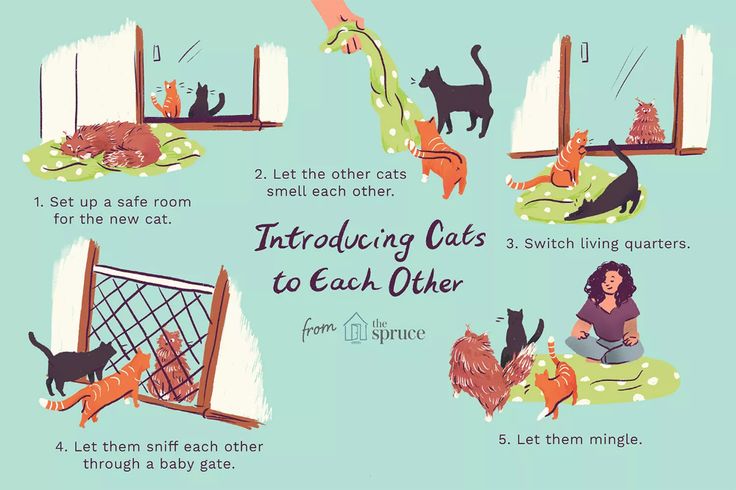
Introducing a cat to a new baby is a delicate process that can present various behavioral responses from the feline. Understanding potential reactions and how to manage them effectively is crucial for fostering a positive relationship between the cat and the new family member. While most cats adapt over time, some may exhibit signs of stress, territorial instincts, or jealousy, which require careful attention and management strategies to ensure a harmonious coexistence.Behavioral responses from cats during introductions often include hiding, increased vocalization, or sudden changes in activity levels.
These behaviors are natural, as cats may feel uncertain or threatened by the new environment and the presence of a baby. Recognizing these signals early allows owners to intervene appropriately and prevent escalation into aggressive or destructive behaviors. Effective management involves consistent routines, positive reinforcement, and setting boundaries. Redirecting undesirable behaviors such as scratching furniture, hissing, or aggressive swatting is essential.
Providing alternative comfort zones for the cat, such as cozy beds or designated quiet spaces, helps reduce territorial disputes and feelings of displacement. Using treats and praise when the cat exhibits calm behavior encourages positive associations with the baby’s presence.Signs indicating stress or discomfort in the cat include excessive grooming, flattened ears, dilated pupils, tail flicking, or attempts to escape the scene.
Noticing these signs early enables caregivers to step back and reassess the interaction pace, ensuring the cat does not become overwhelmed. Creating a calm and predictable environment during this period supports the cat’s emotional well-being and facilitates smoother integration into the family dynamic.
Long-term Integration and Maintaining Harmony
Ensuring a peaceful and affectionate relationship between your cat and your baby requires ongoing effort and thoughtful routines. Establishing consistent activities that include both the pet and the child fosters mutual comfort and trust, laying a foundation for lifelong companionship. By actively engaging in daily interactions and thoughtfully addressing behavioral needs, families can nurture a harmonious environment where both the cat and the baby thrive together.Creating routines that incorporate both your cat and your baby helps build familiarity and reduces potential stress.
These routines should be predictable, such as shared feeding times, gentle play sessions, or quiet cuddle moments, which signal safety and companionship. Consistency helps the cat associate the baby’s presence with positive experiences, while the baby benefits from gentle socialization with the feline. Over time, this routine encourages bonding and helps the cat view the baby as a non-threatening part of their environment.Regular daily activities designed to promote mutual comfort and trust are essential.
For instance, supervised play sessions featuring toys that intrigue both parties can foster gentle interactions. Ensuring the cat has access to cozy resting spots, away from the baby’s play areas, allows for peaceful retreats and reduces potential stress. Additionally, involving the cat in calm, routine activities—such as sitting together during quiet times—further enhances the sense of security and familiarity.Ongoing training and behavioral reinforcement are vital in maintaining a harmonious relationship.
Positive reinforcement techniques, such as offering treats or praise when the cat exhibits calm or gentle behavior around the baby, reinforce desired actions. Training the cat to tolerate gentle touch and to respond to commands like “leave it” or “gentle” ensures better control over interactions. Consistent behavioral reinforcement helps prevent the development of undesirable behaviors, such as scratching or hissing, and promotes a respectful coexistence.Meeting the needs of your cat while caring for a newborn involves balancing attention, environmental enrichment, and health care.
Providing the cat with regular playtime and mental stimulation through toys or puzzle feeders helps reduce boredom and stress. Maintaining a clean, safe, and enriched environment ensures the cat’s physical and emotional well-being. Furthermore, scheduling routine veterinary visits and monitoring the cat for signs of stress or illness prevents health issues and supports a stable household. By prioritizing your cat’s needs alongside your baby’s care, you foster a supportive environment where both can flourish long-term.
Concluding Remarks
In conclusion, a mindful and gradual approach to introducing your cat to your new baby can lead to a trusting and affectionate bond between them. Consistent routines, positive reinforcement, and ongoing supervision are key elements in maintaining a peaceful and loving coexistence, ensuring both your pet and your child feel secure and cherished.