How to deworm a cat is an essential step in maintaining your feline companion’s health and ensuring a long, happy life together. Parasites are common in cats and can cause a range of health issues if left untreated, making regular deworming an important part of responsible pet care. Understanding the types of medications, proper administration techniques, and appropriate schedules will help you effectively protect your cat from parasitic infections.
Overview of Deworming in Cats
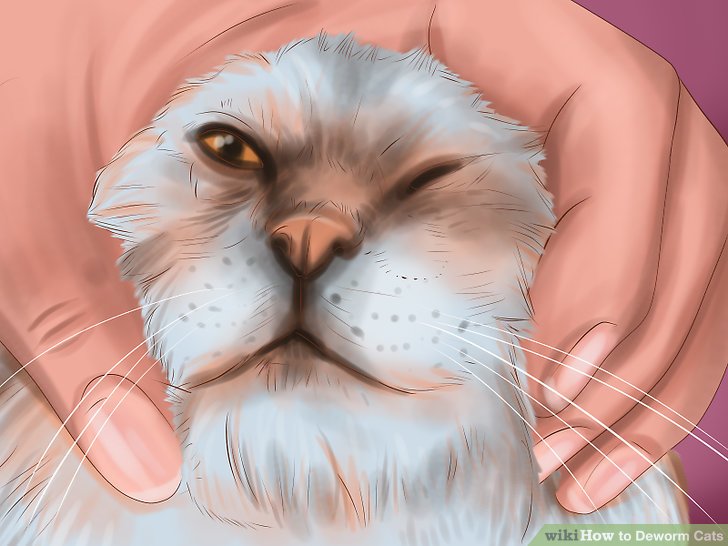
Deworming is an essential aspect of maintaining a healthy and thriving feline companion. Regular deworming routines help prevent the adverse effects caused by parasitic infections, ensuring that cats remain active, comfortable, and free from discomfort over their lifespan. Recognizing the significance of this preventive measure contributes significantly to a cat’s overall well-being and longevity.
Parasites commonly affecting cats include various types of worms that inhabit different parts of their bodies. These parasites often go unnoticed initially but can manifest through symptoms such as weight loss, vomiting, diarrhea, dull coat, and a swollen belly. Identifying these signs early is crucial for prompt treatment and to avoid complications that can impact the cat’s health.
Common Parasites Affecting Cats and Their Symptoms
Understanding the parasites that frequently infect cats, along with their associated symptoms, is vital for effective deworming and overall health management. The most prevalent intestinal worms include roundworms, tapeworms, hookworms, and whipworms. External parasites like fleas and ticks are also common, though they are not treated with internal dewormers.
Each parasite exhibits distinct signs that help in their identification:
- Roundworms: Often visible in vomit or feces as spaghetti-like worms. Infected cats may experience a pot-bellied appearance, poor appetite, and weight loss.
- Tapeworms: Segmented worms that may be seen around the anus or in feces, resembling small grains of rice. Cats with tapeworms might lick their anal area excessively or scoot on the ground.
- Hookworms: These can cause anemia, diarrhea, and weight loss, especially in kittens or immunocompromised cats. Signs include dark, tarry stools and weakness.
- Whipworms: Less common, but can cause diarrhea, dehydration, and abdominal pain.
General Process and Timing for Deworming a Cat
Effective deworming involves a systematic approach, carefully timed to maximize the health benefits and prevent re-infection. Typically, deworming should be integrated into a routine health schedule, often aligned with vaccination programs or veterinary check-ups.
The initial deworming is usually performed when a kitten is around 2 to 3 weeks old, with subsequent doses administered every 2 to 4 weeks until about 8 to 12 weeks of age. For adult cats, deworming is recommended at least every three to six months, depending on their lifestyle and risk factors, such as outdoor access or contact with other animals.
The timing and frequency of deworming should always be tailored to individual circumstances, considering factors like environment, age, and health status. Consulting a veterinarian ensures an optimal deworming plan that maintains the cat’s health and prevents parasitic infestations effectively.
Types of Deworming Medications
Understanding the various deworming medications available for cats is essential for effective parasite management. Different drugs target specific types of intestinal worms and vary in their mechanism of action, spectrum of activity, and administration protocols. Selecting the appropriate medication depends on factors such as the type of infestation, the cat’s health status, and veterinarian recommendations.
In this section, we will explore the most common deworming drugs available for feline use, compare broad-spectrum and targeted dewormers, and provide a comprehensive overview of their options, dosages, and administration schedules.
Popular Deworming Drugs for Cats
Several medications are commonly used to treat intestinal parasites in cats, each containing specific active ingredients designed to eliminate worms effectively. The choice often depends on the type of worms present, the severity of infestation, and individual health considerations.
- Praziquantel: Primarily effective against tapeworms (Dipylidium caninum and Taenia spp.), Praziquantel works by increasing the permeability of parasite cell membranes, leading to paralysis and death. It is often combined with other drugs for broader coverage.
- Fenbendazole: A broad-spectrum anthelmintic effective against roundworms (Toxocara cati, Toxascaris leonina), hookworms (Ancylostoma tubaeforme, Ancylostoma braziliense), and certain protozoa. It acts by inhibiting parasite microtubule formation.
- Pyrantel Pamoate: Targets roundworms and hookworms by causing neuromuscular blockade, resulting in parasite paralysis and expulsion from the gastrointestinal tract.
- Milbemycin Oxime: Used for controlling heartworms, roundworms, and hookworms. It enhances neurotransmitter release in parasites, leading to paralysis.
- Emodepside: A potent drug often combined with praziquantel, effective against tapeworms and roundworms, with a novel mode of action that affects parasite neuromuscular function.
Note: Many dewormers contain combination formulas to target multiple parasite species simultaneously, simplifying treatment protocols for pet owners and veterinarians.
Broad-Spectrum vs. Targeted Dewormers
The choice between broad-spectrum and targeted dewormers is crucial for effective parasite management. This decision hinges on the specific parasites present, diagnostic results, and the health status of the cat.
Broad-spectrum dewormers are formulated to target a wide range of intestinal parasites, including various types of worms and sometimes protozoa. They are typically used when multiple parasitic infections are suspected or confirmed, offering comprehensive coverage with a single medication.
Targeted dewormers, on the other hand, focus on specific parasite species. They are preferred when diagnostic tests confirm a particular infestation, reducing unnecessary medication exposure and potential side effects. This approach ensures more precise treatment and can help in cases where parasite resistance or sensitivity is a concern.
For example, Praziquantel is a targeted drug specifically effective against tapeworms, while Fenbendazole provides broad-spectrum activity against multiple worm species. Veterinarians often recommend broad-spectrum medications during initial treatments, followed by targeted therapy if needed based on diagnostic results.
Medication Options, Dosages, and Administration Frequency
Below is a responsive table summarizing common deworming medications, their typical dosages, and recommended administration schedules. It is essential to follow veterinary guidance tailored to each cat’s specific needs and health status.
| Medication | Active Ingredient(s) | Dosage | Administration Frequency | Notes |
|---|---|---|---|---|
| Praziquantel | Praziquantel | 50 mg per kg body weight | Once, repeat in 3 weeks if needed | Often combined with other drugs for broad coverage |
| Fenbendazole | Fenbendazole | 50 mg per kg body weight per day | 3 consecutive days | Typically administered orally |
| Pyrantel Pamoate | Pyrantel Pamoate | 11-15 mg per kg body weight | Single dose, repeat after 2 weeks if necessary | Available in oral suspension or tablets |
| Milbemycin Oxime | Milbemycin Oxime | 0.5-2 mg per kg body weight | Monthly | Often combined with other medications |
| Emodepside + Praziquantel | Emodepside 2.1 mg + Praziquantel 24 mg | Based on product instructions | Monthly, as per veterinary guidance | Commonly administered via topical spot-on |
How to Administer Deworming Treatments
Administering deworming treatments to cats requires careful technique and patience to ensure the medication is effective and the process remains as stress-free as possible for both the pet and the owner. Proper administration is crucial for eliminating parasitic infections and maintaining your cat’s overall health.
Effective deworming involves understanding the correct methods for giving oral medications, applying topical treatments, and adopting strategies that minimize discomfort for your feline companion. The following guidelines provide detailed steps to facilitate smooth and successful treatment sessions.
Administering Oral Dewormers
Oral medications are commonly used in deworming protocols and require precise handling to ensure your cat ingests the entire dose. The key factors are choosing the right position, using appropriate techniques, and encouraging cooperation from your cat.
- Prepare the Medication: Carefully read the medication label for dosage instructions and safety precautions. Have the medication ready and within reach before approaching your cat.
- Position Your Cat: Gently hold your cat in a comfortable position, either on your lap or on a stable surface. If your cat is accustomed to being held, a calm and secure grip prevents sudden movements.
- Administering Pills:
- Use your thumb and index finger to gently open the cat’s mouth by applying pressure on the sides of the jaws.
- Place the pill directly on the back of the tongue, as far back as possible without causing distress.
- Close the mouth immediately and hold it closed while gently stroking the throat or blowing on the nose to encourage swallowing.
- Administering Liquids:
- Use a syringe or dropper to draw the liquid medication.
- Gently lift the cat’s head and insert the tip of the syringe into the side of the mouth, between the cheek and teeth, avoiding the throat to prevent gagging.
- Slowly depress the plunger, allowing the cat to swallow naturally. Praise and reward afterward.
In cases where the cat resists oral administration, wrapping the cat in a towel or using a specialized pill hopper can help prevent biting and provide better control.
Applying Topical Deworming Treatments
Topical medications are applied directly to the skin, usually at the base of the neck or between the shoulder blades, where the cat cannot lick off the treatment easily. Proper application ensures the medication is absorbed effectively and provides ongoing protection against parasites.
- Preparation: Wear gloves to prevent accidental ingestion or exposure. Choose a calm moment when your cat is relaxed.
- Applying the Medication:
- Part the fur at the application site to expose the skin.
- Squeeze the prescribed amount of medication directly onto the skin, ensuring it does not contact the fur or your hands.
- Do not massage or rub the area immediately after application; allow the medication to absorb naturally.
- Post-Application Care:
- Restrict your cat from grooming or licking the application site for at least 24 hours, if possible.
- Monitor the area for signs of irritation or allergic reaction, such as redness or swelling, and contact your veterinarian if concerns arise.
Ensuring the cat does not lick or groom the treated area immediately after application maximizes absorption and efficacy of the medication.
Stress-Reducing Tips for a Smooth Deworming Process
Administering treatments can be stressful for cats and owners alike. Implementing calming techniques and preparation can make the process more comfortable and successful.
- Choose a quiet, familiar environment to reduce anxiety.
- Keep treats and praise ready to reward cooperation after the treatment.
- Use gentle handling and speak softly to reassure your cat during the process.
- Break the process into short, positive sessions if your cat is particularly anxious or uncooperative.
- If necessary, seek assistance from another person who can help restrain or comfort the cat during administration.
Patience and gentle handling are essential to creating a positive experience, leading to easier treatments in the future and better health outcomes for your feline companion.
Deworming Schedules and Frequency
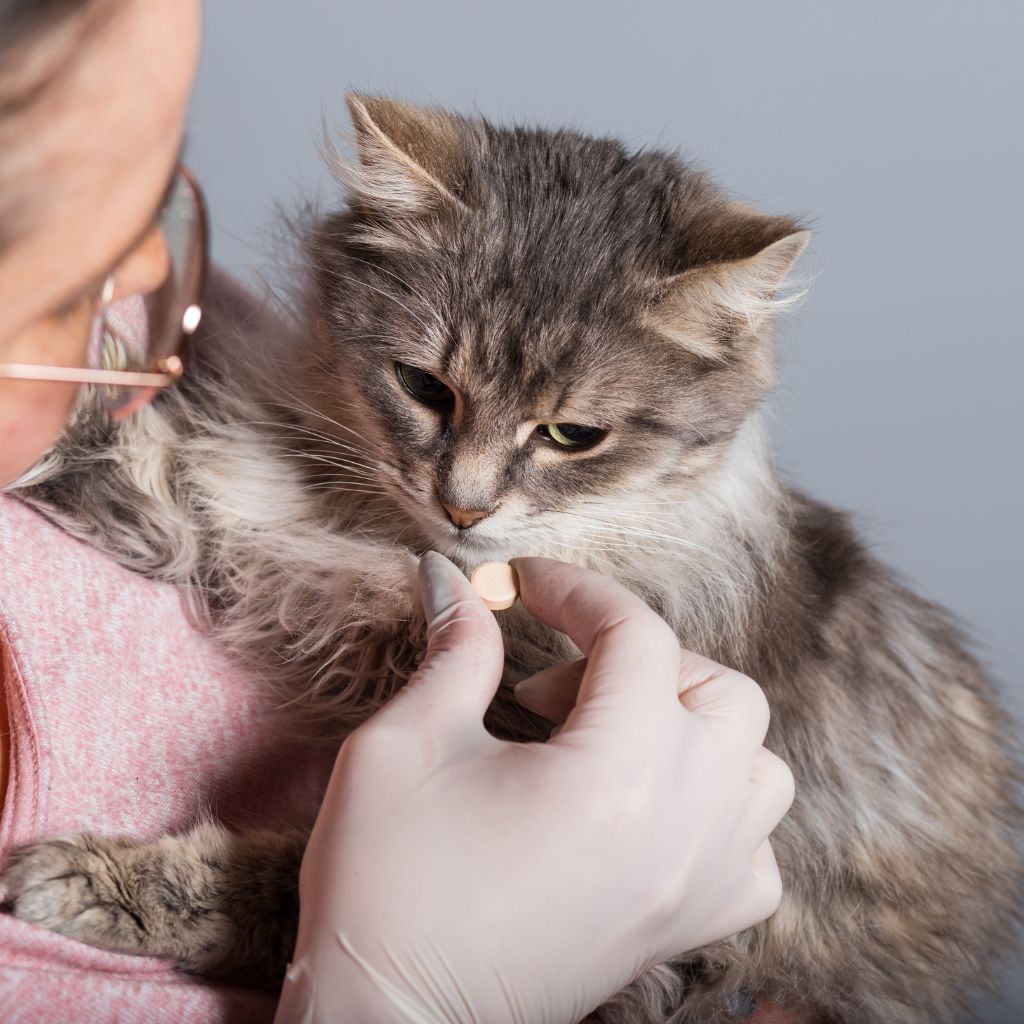
Establishing an appropriate deworming schedule is essential to maintaining a cat’s health and preventing parasitic infestations. The frequency of deworming treatments varies based on factors such as age, lifestyle, and exposure risk. Understanding these factors helps veterinarians and pet owners develop an effective plan to keep cats free from intestinal parasites.
The goal of a deworming schedule is to ensure timely treatment that effectively eliminates existing worms and prevents future infestations. Regular monitoring and adherence to recommended intervals are crucial, especially for cats with higher risk factors such as outdoor access or exposure to other infected animals.
Recommended Deworming Intervals Based on Age, Lifestyle, and Risk Factors
The frequency of deworming treatments should be tailored to each individual cat, considering their unique circumstances. The following guidelines help determine appropriate intervals:
- Kittens: Begin deworming as early as 2-3 weeks of age, continuing every 2-3 weeks until they are 8 weeks old. Afterward, a monthly treatment is advised until 6 months of age to protect against common juvenile parasites.
- Adult Cats: For cats with minimal outdoor exposure or low risk factors, deworming every 3 to 6 months is generally sufficient. Cats with outdoor access, hunting habits, or known exposure to other animals may require treatments every 1 to 3 months.
- Senior Cats and Those with Health Issues: Regular deworming every 3 to 6 months, with adjustments based on veterinary advice, helps manage health risks associated with aging or compromised immune systems.
Veterinarians may recommend more frequent deworming for cats in high-risk environments or during outbreaks of parasitic infections within communities or shelters.
Timeline Chart for Routine Deworming Procedures
Below is a simplified timeline to guide routine deworming based on feline life stages and risk factors:
| Age/Stage | Frequency | Key Actions |
|---|---|---|
| Kittens (2-8 weeks) | Every 2-3 weeks | Start deworming; monitor for signs of parasites |
| From 8 weeks to 6 months | Monthly deworming | Continue preventing juvenile parasite development |
| 6 months and older with low risk | Every 3-6 months | Maintain routine deworming schedule |
| High-risk adult cats | Every 1-3 months | Adjust based on lifestyle and veterinarian advice |
| Senior or immunocompromised cats | Every 3-6 months | Consult veterinarian for tailored schedule |
Seasonal Considerations and Special Cases
Seasonal changes and specific circumstances can influence the risk of parasitic infestations, prompting adjustments in deworming routines:
- Spring and Summer: Increased outdoor activity and hunting behaviors heighten exposure to parasites such as roundworms and tapeworms. More frequent deworming during these seasons can be beneficial.
- Fall and Winter: Parasite activity may decline with colder weather, but indoor cats still require regular deworming to prevent accidental ingestion of contaminated fleas or rodents.
- Travel and Boarding: Cats traveling to or staying in shelters or kennels with high parasite prevalence should receive deworming treatments before and after the stay.
- Pregnancy and Nursing: Deworming should be planned in consultation with a veterinarian, typically before breeding or during early pregnancy to protect both mother and kittens.
Proactive and timely deworming, tailored to climate and lifestyle factors, helps prevent infestations and safeguards overall feline health.
Precautions and Safety Measures
Proper precautions and safety measures are essential to ensure that deworming treatments are both effective and safe for your feline companion. Taking the necessary steps before administering dewormers helps prevent adverse reactions and promotes overall health during the process. Consulting with a veterinarian and carefully monitoring your cat can make the deworming experience smooth and risk-free.When preparing to deworm your cat, it is crucial to assess their health status and any potential risks.
Ensuring that your cat is in good health, not pregnant or nursing, and not showing signs of illness can influence the choice of medication and dosage. Additionally, understanding the specific deworming medication’s instructions and contraindications minimizes the chances of unwanted side effects.In the event of accidental overdose or side effects, prompt actions are vital. Recognizing symptoms such as vomiting, diarrhea, lethargy, or loss of appetite allows you to respond quickly.
In such cases, contacting your veterinarian immediately is necessary. Supportive care, such as withholding food temporarily or administering activated charcoal under veterinary guidance, may be required to mitigate adverse reactions.Regular veterinary consultations prior to deworming ensure that the treatment plan is appropriate for your cat’s age, health status, and lifestyle. A veterinarian can determine the correct medication, dosage, and schedule, reducing the risk of ineffective treatment or toxicity.
They can also advise on additional precautions for cats with underlying health conditions or those on concurrent medications.
Checking for Adverse Reactions
Before administering any deworming medication, observe your cat for signs of hypersensitivity or adverse reactions. These may include itching, swelling, difficulty breathing, or unusual behaviors. Conduct a thorough physical examination and review your cat’s medical history with your veterinarian to identify any previous reactions or allergies to certain medications. If any abnormal signs are observed after administering the medication, seek immediate veterinary care.
Handling Accidental Overdose or Side Effects
In cases where an overdose is suspected, such as administering more than the recommended dose, or if side effects like vomiting, diarrhea, or lethargy occur, take immediate action. Keep the medication container and record the dosage given to facilitate communication with your veterinarian. Do not attempt to induce vomiting unless instructed by a professional. Instead, contact your veterinarian promptly for guidance, and follow their recommendations for treatment or supportive care.
Consulting a Veterinarian
Prior to starting any deworming regimen, a professional veterinary assessment is indispensable. Veterinarians can prescribe the most suitable medication based on the type of intestinal parasites, your cat’s age, weight, and health status. They can also provide tailored advice on dosing, potential interactions with other medications, and managing any health issues that may affect deworming safety. Regular check-ups ensure that deworming remains effective and safe over time.
Recognizing and Managing Side Effects
administering deworming medication to cats is generally safe; however, it is essential for pet owners to be aware of potential side effects so they can respond appropriately. Understanding the signs of adverse reactions ensures timely intervention, safeguarding the health and well-being of your feline companion. Recognizing these side effects early allows for prompt management and, if necessary, consultation with a veterinarian to prevent complications.While most cats tolerate deworming treatments well, some may experience mild or severe reactions.
Proper management involves monitoring your cat after administering medication and knowing when to seek professional help. This section highlights common side effects, emergency steps, and when veterinary assistance is necessary to ensure your pet’s safety during deworming.
Common Side Effects and Their Signs
Knowing the typical reactions to deworming medications is vital for early detection and proper management. The manifestations can range from mild to severe, depending on individual sensitivity, the medication used, and the dosage administered.
- Mild side effects: Usually transient and self-limiting, these include:
- Transient vomiting or nausea
- Diarrhea or soft stools
- Lethargy or mild tiredness
- Decreased appetite
- Scratching or mild skin irritation if topical treatments are used
- Severe side effects: Require immediate veterinary attention and may include:
- Persistent vomiting or diarrhea that worsens or does not resolve
- Signs of allergic reactions such as swelling of the face, lips, or eyelids
- Difficulty breathing or wheezing
- Seizures or tremors
- Collapse or loss of consciousness
- Severe lethargy or unresponsiveness
It’s important to note that individual cats may react differently, and some might be more sensitive to certain medications. Awareness of these signs facilitates early intervention, minimizing discomfort and preventing escalation of adverse effects.
Emergency Steps and When to Seek Veterinary Assistance
In cases where your cat exhibits signs of severe side effects, prompt action is crucial to prevent serious health outcomes. Recognizing the urgency and knowing the correct steps can make a significant difference in your pet’s recovery.
- Immediate actions:
- Stop administering the medication if an adverse reaction is suspected.
- Remove any remaining medication from your cat’s environment to prevent further ingestion.
- Contact your veterinarian immediately for guidance.
- If your cat is experiencing difficulty breathing, swelling, or seizures, expedite transportation to an emergency veterinary clinic.
- Seeking veterinary assistance:
- Provide detailed information about the medication used, dosage, and observed symptoms.
- Follow your veterinarian’s instructions regarding treatment, supportive care, or hospitalization.
- Monitor your cat closely for any changes until professional help is obtained.
Always remember, when in doubt about your cat’s reaction to deworming medication, err on the side of caution and consult your veterinarian promptly. Early intervention can be lifesaving.
Comparison Table of Side Effects and Recommended Actions
| Side Effect Severity | Signs | Recommended Action |
|---|---|---|
| Mild |
|
|
| Severe |
|
|
Preventative Measures Beyond Medication

Ensuring that your feline companion remains protected from parasitic infections involves more than just administering deworming medications. Implementing environmental and hygiene practices plays a crucial role in reducing the risk of parasite exposure. These strategies help create a safer, cleaner environment, ultimately contributing to your cat’s ongoing health and well-being.Maintaining a comprehensive parasite prevention plan requires consistent attention to cleanliness and environmental management.
By integrating these practices into your routine, you can significantly decrease the likelihood of parasites establishing themselves in your cat’s surroundings. This proactive approach complements medical treatments and enhances overall health protection.
Environmental Hygiene and Sanitation Practices
Effective parasite prevention begins with diligent hygiene practices surrounding your home and outdoor spaces. Parasites such as roundworms and hookworms often thrive in contaminated soil, feces, and unclean environments. Ensuring cleanliness reduces the likelihood of your cat coming into contact with infectious stages of these parasites.Regularly cleaning litter boxes is essential; scoop waste daily and wash the box with soap and hot water weekly to prevent parasite buildup.
When outdoor areas are accessible to your cat, such as gardens or yards, remove feces promptly and avoid allowing cats to roam in areas frequented by other animals, which may harbor parasites. Maintaining well-kept outdoor spaces minimizes exposure to contaminated soil and wildlife that can act as parasite carriers.
Strategies for Reducing Parasite Exposure
Implementing targeted strategies can further protect your cat from acquiring parasites from the environment. These include:
- Limit Outdoor Access: Supervised outdoor activities or providing a secure outdoor enclosure can prevent your cat from roaming into contaminated areas.
- Control Wildlife and Rodents: Keep rodents and insects away from your property, as they often serve as intermediate hosts for various parasites.
- Use Physical Barriers: Install fencing or barriers to restrict access to gardens or yards with high parasite risks.
- Proper Waste Disposal: Dispose of feces promptly in sealed bags to prevent the spread of infectious stages of parasites to the environment.
Creating an Integrated Parasite Prevention Plan
Adopting a comprehensive plan involves combining hygiene, environmental management, and regular veterinary care. Key components include:
- Consistent Cleaning Regimen: Establish a daily routine for scooping litter boxes and cleaning outdoor play areas.
- Regular Veterinary Check-ups: Schedule routine health assessments and parasite screenings, which can help detect early infections.
- Environmental Management: Maintain a clean outdoor environment by removing feces and preventing wildlife access.
- Owner Education: Stay informed about common parasites in your region and adapt preventive measures accordingly.
- Monitoring and Record-Keeping: Keep logs of hygiene practices, veterinary visits, and deworming schedules to ensure consistency.
Effective parasite prevention extends beyond medication; environmental hygiene and proactive management are essential for safeguarding your cat’s health.
Role of Veterinarians in Deworming
Deworming cats is a vital aspect of their overall health management, and the expertise of a veterinarian plays a crucial role in ensuring this process is safe, effective, and tailored to each individual cat. While home remedies and over-the-counter medications are available, professional guidance helps prevent misdiagnosis, inappropriate medication use, and potential adverse effects. Veterinarians provide essential insights into selecting the appropriate deworming protocols and ensure treatments are administered correctly, optimizing health outcomes for your feline companions.Veterinarians are trained to evaluate the specific needs of your cat based on factors such as age, lifestyle, health status, and possible exposure to parasites.
They can perform comprehensive diagnostic procedures and recommend suitable deworming medications, adjusting doses and schedules as necessary. Their guidance ensures that deworming is integrated into a broader health plan, including preventive care, nutritional advice, and monitoring for potential side effects.
The Importance of Professional Advice in Deworming
Professional veterinary advice is fundamental for selecting the appropriate deworming medications and determining the correct dosage and frequency. Veterinarians use their expertise to interpret diagnostic results, such as fecal tests, which identify the presence and type of intestinal parasites. This targeted approach ensures that treatments are effective against specific parasite species, reducing the risk of drug resistance and recurrence.Veterinarians also consider the overall health and age of the cat when recommending deworming protocols.
For example, kittens may require a different approach compared to adult cats with underlying health issues. They can advise on the safest medications, especially for pregnant or immunocompromised cats, where certain drugs might pose risks.
Questions to Discuss with Your Veterinarian
Engaging with your veterinarian about deworming involves asking pertinent questions that can help clarify treatment options and ensure the safety of your pet. Some essential points to address include:
- The types of parasites common in your geographical area and the necessity of routine deworming
- Recommended deworming medications, their safety profiles, and possible side effects
- The appropriate dosage and administration method for your cat’s age and health status
- The frequency of deworming treatments based on your cat’s lifestyle and risk factors
- Any special precautions for administering medication at home, including storage and handling
- Follow-up procedures, including potential fecal testing after treatment to confirm parasite eradication
Procedures Performed During Deworming Visits
During a deworming appointment, veterinarians may undertake several procedures to ensure the health and safety of your cat. These procedures help confirm the presence of parasites, evaluate overall health, and apply effective treatment strategies:
| Fecal Testing | Most common diagnostic procedure involves analyzing a small sample of your cat’s feces under a microscope to identify parasite eggs, larvae, or adult worms. This testing helps determine the specific parasites present and guides targeted treatment plans. |
|---|---|
| Physical Examination | The veterinarian conducts a thorough physical check to assess the overall health, looking for signs of parasite infestation such as weight loss, poor coat condition, or gastrointestinal disturbances. Physical assessment can also identify other underlying health issues that may influence deworming strategies. |
| Blood Tests (if necessary) | In some cases, especially for cats with suspected systemic infections or compromised health, blood tests may be performed to evaluate organ function and immune status before administering deworming medications. |
| Education and Counseling | The veterinarian provides guidance on administering medications correctly at home, hygiene practices, environmental sanitation, and preventive measures to minimize future parasite exposure. |
Final Wrap-Up

In conclusion, effective deworming involves selecting the right medications, following a suitable schedule, and consulting with a veterinarian to ensure safety. Combining proper treatment with environmental hygiene and preventative strategies creates a comprehensive approach to keeping your cat parasite-free and healthy for years to come.