Understanding how to properly feed a kitten is essential for ensuring their healthy growth and overall well-being. Proper nutrition, feeding techniques, and timely transitions from milk to solid foods play a crucial role in their development. Whether you are a new pet owner or an experienced caretaker, mastering the fundamentals of kitten feeding will help you nurture a happy and healthy feline companion.
This guide covers key aspects including the nutritional needs of kittens, techniques for bottle feeding, transitioning to solid foods, and addressing common feeding challenges. Equipped with practical tips and clear procedures, you’ll be able to provide optimal care tailored to each stage of your kitten’s growth.
Nutritional needs of a newborn kitten
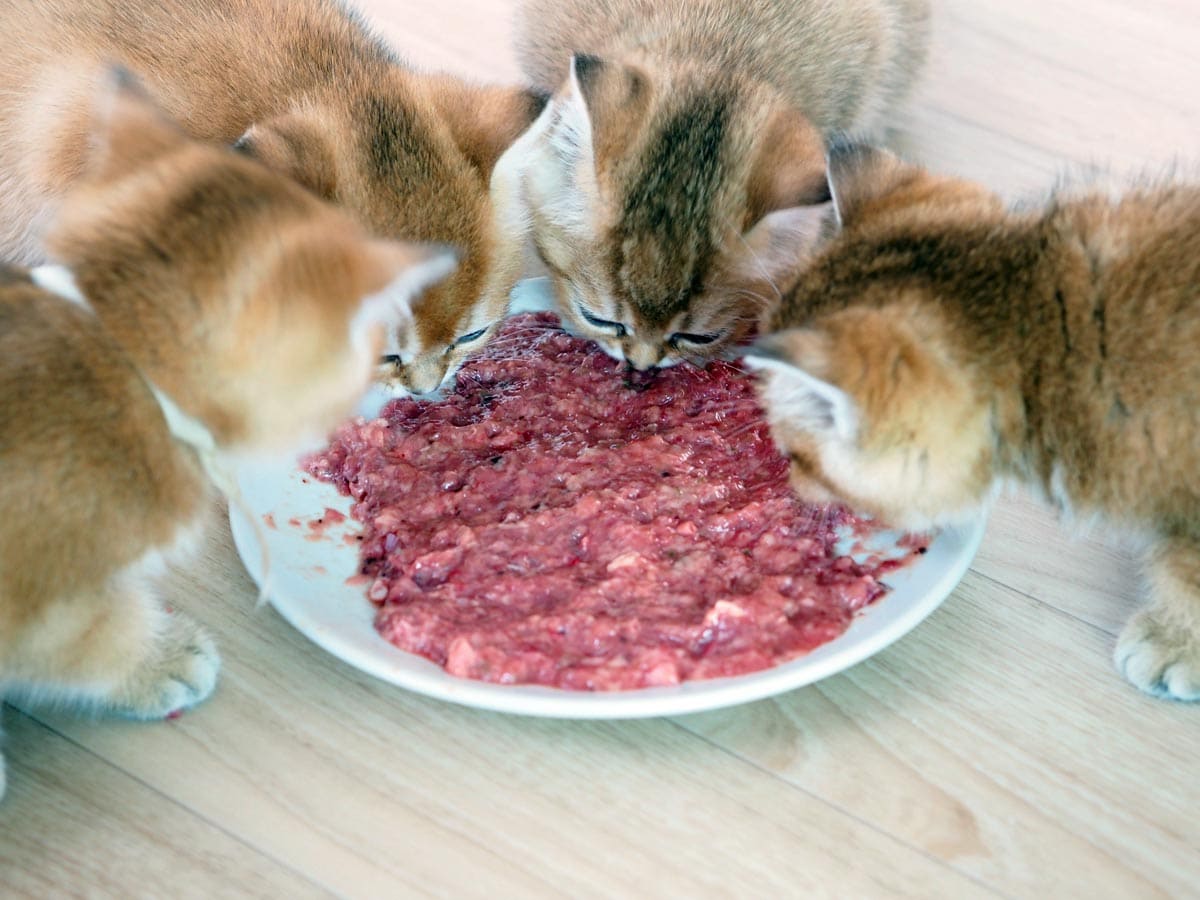
Proper nutrition is vital during the early stages of a kitten’s life to ensure healthy growth, development, and a strong immune system. Newborn kittens are entirely dependent on their mother’s milk in the initial weeks, which provides essential nutrients tailored for their rapid growth. As they mature, their dietary requirements evolve, necessitating a well-structured feeding plan to support their developmental milestones.
Understanding the specific nutritional needs of a growing kitten is crucial for pet owners and caregivers. These needs include a balanced intake of proteins, fats, vitamins, minerals, and water, each playing a pivotal role in fostering optimal growth, muscle development, and overall well-being. Adequate nutrition also helps prevent deficiencies and supports the transition from milk to solid foods, laying the foundation for a healthy adult cat.
Essential nutrients for a growing kitten
Growing kittens require a carefully balanced combination of nutrients to support their rapid development. The key components include:
- Proteins: Necessary for tissue growth, muscle development, and overall health. High-quality animal-based proteins are preferred to meet their amino acid requirements.
- Fats: Provide a concentrated source of energy and support brain development. Essential fatty acids like omega-3 and omega-6 are important for coat health and cognitive function.
- Vitamins: Vital for metabolic processes, immune function, and growth. Vitamins A, D, E, and B-complex are particularly important during early development.
- Minerals: Calcium and phosphorus are crucial for bone development, while other minerals like magnesium and potassium support various physiological functions.
- Water: Essential for all bodily functions, hydration supports digestion, nutrient absorption, and temperature regulation.
Feeding schedule for different age groups
The nutritional needs of kittens change significantly as they grow, necessitating adjustments in feeding frequency and quantity at various stages.
- Newborn to 4 weeks: Exclusively fed on mother’s milk or a suitable commercial milk replacer if the mother is unavailable. Feeding should occur every 2-3 hours, including overnight, ensuring they receive adequate hydration and nutrients.
- 4 to 8 weeks: As they begin to wean, introduce soft, easily digestible foods such as kitten mush or wet commercial food. Continue supplementary milk feeding if necessary, transitioning gradually to solid foods, feeding 4-6 times daily.
- 8 weeks and older: Fully transitioned to solid foods, preferably commercial kitten diets. Feed 3-4 times daily, with portion sizes appropriate for their weight and activity level. Fresh water should always be available.
Comparison of commercial kitten foods versus homemade diets
Choosing the appropriate diet is crucial for a kitten’s health, whether opting for commercial products or preparing homemade meals. Below is a comparison highlighting key aspects of each option:
| Ingredients | Benefits | Precautions | Additional Notes |
|---|---|---|---|
Commercial kitten food
|
|
|
|
Homemade diets
|
|
|
|
Introducing a Kitten to Bottle Feeding
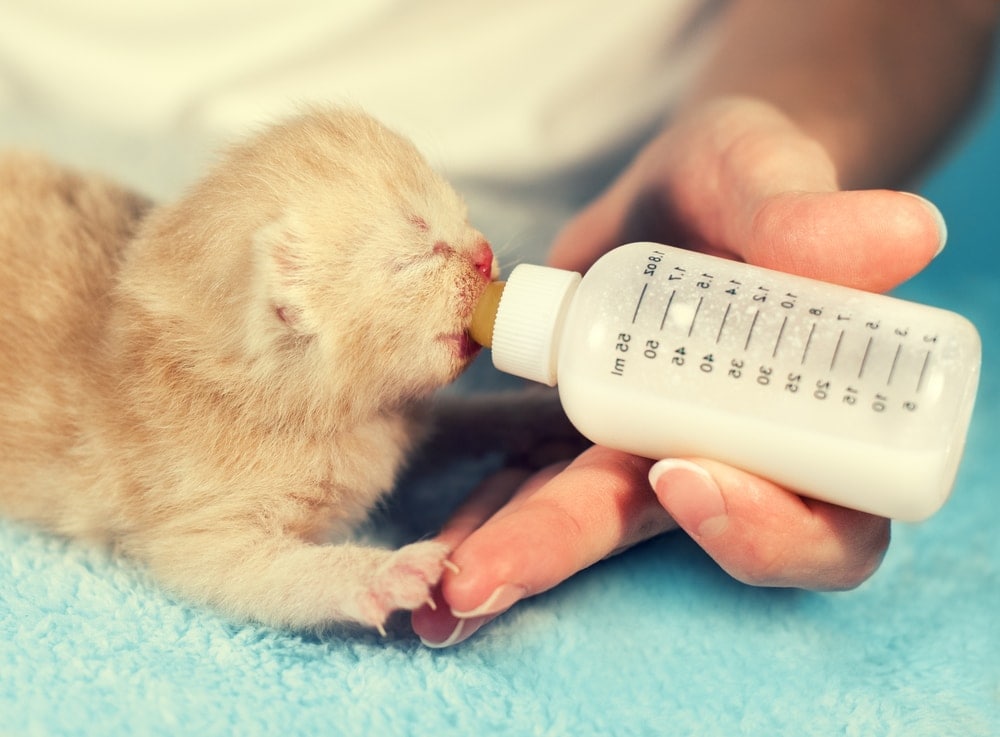
Transitioning a newborn kitten to bottle feeding requires patience, gentle handling, and a clear understanding of the proper techniques. This process is crucial for ensuring the kitten receives adequate nutrition during its early stages of life, especially when the mother cat is unavailable or unable to nurse. Proper introduction to bottle feeding sets the foundation for a healthy and well-adjusted feline in its formative weeks.
The key to successful bottle feeding lies in creating a comfortable environment, selecting appropriate feeding equipment, and establishing a feeding routine that mimics natural nursing behaviors. By following structured steps and paying close attention to the kitten’s responses, caregivers can foster a positive feeding experience and prevent common issues such as choking or overfeeding.
Preparing and Feeding a Bottle-Fed Kitten
Ensuring that the feeding process is smooth and stress-free for the kitten involves several important steps. Starting with proper preparation, caregivers should sterilize the bottles and nipples, prepare the milk formula at the correct temperature, and position the kitten correctly during feeding.
- Sanitize the feeding equipment: Thoroughly wash and sterilize bottles and nipples before each use to prevent infections.
- Prepare the milk formula: Use a commercially formulated kitten milk replacer, mixing it according to the manufacturer’s instructions. It should be warmed to approximately 38-39°C (100-102°F), resembling the temperature of mother’s milk.
- Position the kitten correctly: Hold the kitten in a natural, belly-down position, similar to how it would nurse from its mother. Support its head gently, ensuring the airway remains unobstructed.
- Introduce the nipple: Gently touch the nipple to the kitten’s mouth to encourage sucking reflex. Allow the kitten to latch onto the nipple naturally.
- Feed slowly and patiently: Offer small amounts initially, observing the kitten’s responses and ensuring it swallows comfortably. Pause if the kitten shows signs of distress.
- Burp the kitten: After feeding, gently burp the kitten by softly patting its back to release any swallowed air.
Consistency and gentle handling during each feeding session help build trust and promote effective feeding habits. Always monitor the kitten for signs of hunger or satiety, adjusting feeding amounts accordingly.
Choosing the Right Feeding Bottles and Nipples
The selection of appropriate feeding equipment plays a vital role in the success of bottle feeding. The right bottles and nipples should mimic natural nursing and be comfortable for the kitten to use. Proper equipment minimizes the risk of choking, aspiration, and discomfort.
- Feeding bottles: Opt for small, lightweight bottles with a narrow neck that resembles the size of a mother cat’s teat. Glass bottles are durable and easy to sterilize, while high-quality plastic bottles are lightweight and less fragile.
- Nipples: Choose silicone nipples that are soft, flexible, and allow a slow, controlled flow of milk. Nipples with multiple holes tend to provide a steady, moderate flow, preventing the kitten from gulping too much air or milk too rapidly.
- Flow rate: Select nipples with a flow rate suitable for neonatal kittens. Slow-flow nipples are ideal during the early weeks to prevent overfeeding and choking.
- Size and shape: Nipples that mimic the shape and texture of a mother’s teat encourage natural suckling behaviors and make the transition easier for the kitten.
Properly chosen feeding bottles and nipples ensure a comfortable, stress-free nursing experience for the kitten, reducing the likelihood of feeding-related issues.
Signs of Proper Feeding versus Overfeeding
Recognizing the signs of appropriate feeding helps prevent health problems and ensures the kitten’s well-being. Monitoring the kitten’s responses and physical condition during and after feeding allows caregivers to adjust their approach accordingly.
- Signs of proper feeding:
- The kitten swallows steadily and calmly during feeding.
- The kitten maintains a gentle, relaxed posture.
- Post-feeding, the kitten appears content and has a rounded belly without distension.
- Normal weight gain observed during regular weigh-ins.
- The kitten exhibits active and alert behavior after feeding.
- Signs of overfeeding:
- The kitten appears bloated, with a distended abdomen.
- Vomiting or regurgitation after feeding occurs frequently.
- The kitten shows signs of discomfort, such as restless movements or crying.
- Loose or watery stools may indicate excessive intake or gastrointestinal upset.
- Overly rapid weight gain, which can lead to obesity and health complications.
Maintaining a delicate balance during feeding ensures the kitten receives adequate nutrients without the adverse effects associated with overfeeding. Regular observation and adjusting feeding quantities based on the kitten’s age, weight, and behavior are essential for fostering healthy growth.
Feeding Techniques and Tips for Healthy Feeding Habits
Proper feeding techniques are essential to ensure that a kitten develops healthy eating habits, prevents choking, and encourages independence as they grow. Using correct handling methods and understanding how to foster self-feeding are crucial skills for caregivers. Additionally, being aware of common mistakes helps maintain a positive feeding experience and supports the kitten’s overall health and growth.Feeding a young kitten requires patience, gentle handling, and attentive observation.
Whether feeding via bottle or encouraging self-feeding, maintaining a calm environment promotes a positive association with mealtime. Proper positioning reduces the risk of aspiration and makes the process smoother for both the caregiver and the kitten.
Correct Positioning and Handling During Feeding
Proper positioning and gentle handling are vital to prevent choking and aspiration during feeding. When feeding a kitten, it should be held in a natural, belly-down position, similar to how they would nurse from their mother. This position facilitates swallowing and reduces the likelihood of milk entering the lungs.Ensure the kitten’s head is slightly elevated, with support under the chest and hindquarters.
The nipple or bottle tip should be aligned with the kitten’s mouth, prompting them to latch naturally. Avoid tilting the bottle too much, as this can cause milk to flow too quickly, increasing choking risk. Keep an eye on the kitten’s body language—if they seem distressed or are gagging, gently pause feeding and reassess positioning.
Encouraging Self-Feeding as the Kitten Grows
As kittens mature and develop their coordination, gradually introducing them to solid foods improves their independence and nutritional intake. Begin by offering soft, moistened kitten food on a shallow dish. Place a small amount in front of them and gently encourage licking, guiding their tongue toward the food.Use positive reinforcement, such as gentle praise or petting, to make eating a pleasant experience.
Over time, decrease reliance on bottle feeding and allow the kitten to explore and self-feed at their own pace. Consistent routine and patience are key, and offering food at regular intervals helps them learn to regulate their intake naturally.
Common Feeding Mistakes and How to Avoid Them
Understanding and avoiding typical feeding errors can significantly improve the health and development of a young kitten. Here are some common mistakes along with strategies to prevent them:
- Feeding too quickly or forcefully: This can cause choking or aspiration. Use a slow-flow nipple and monitor the kitten closely to ensure they are swallowing comfortably.
- Using inappropriate temperature of formula: Feeding formula that is too hot or too cold can cause discomfort or digestive upset. Always test the temperature before offering it to the kitten, aiming for body temperature (around 38°C or 100°F).
- Overfeeding or underfeeding: Overfeeding can lead to stomach upset and obesity, while underfeeding hampers growth. Follow recommended feeding volumes based on the kitten’s age and weight, and consult a veterinarian for guidance.
- Incorrect positioning: Feeding a kitten in a vertical or overly inclined position increases risk of choking. Maintain a natural, belly-down position throughout feeding sessions.
- Neglecting hygiene: Dirty bottles, nipples, or feeding utensils can introduce bacteria. Wash all equipment thoroughly with hot, soapy water after each use.
By adhering to proper feeding techniques, encouraging self-sufficiency, and avoiding common mistakes, caregivers can support a kitten’s healthy growth and foster positive feeding habits that last a lifetime.
Recognizing and addressing feeding issues
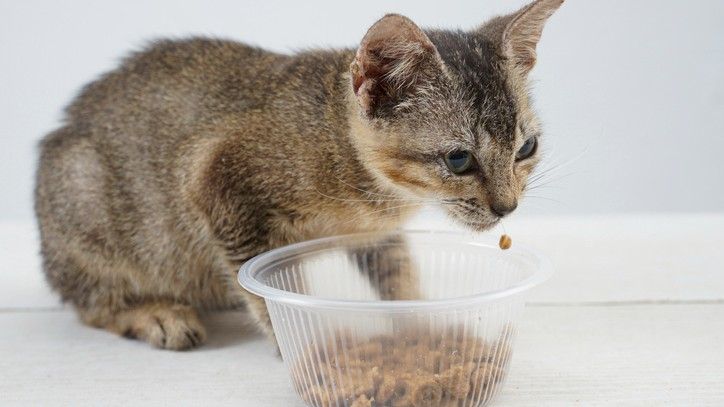
Feeding a newborn kitten requires careful observation to ensure they receive proper nourishment and develop healthily. Sometimes, despite best efforts, kittens may experience feeding difficulties or exhibit symptoms that indicate underlying issues. Recognizing these signs early and addressing them appropriately can prevent complications and promote optimal growth. This section explores common feeding problems, their symptoms, and guidelines for intervention, including when veterinary assistance becomes necessary.Accurate identification of feeding issues is essential for timely and effective intervention.
Kittens, especially in their early weeks, are highly vulnerable to nutritional imbalances that can affect their development, immunity, and overall well-being. By understanding the signs of underfeeding, overfeeding, and dietary intolerances, caregivers can make informed decisions to adjust feeding routines and ensure the kitten’s health is maintained.
Symptoms of underfeeding, overfeeding, and dietary intolerances
Kittens display specific behaviors and physical signs when experiencing feeding issues. Recognizing these symptoms allows for prompt corrective actions and prevents long-term health problems.
Underfeeding is characterized by signs such as:
- Persistent hunger and frequent meowing or crying for food
- Very low body weight or failure to gain weight over time
- Weakness, lethargy, or reduced activity levels
- Difficulty maintaining body temperature, often feeling cold to touch
Overfeeding can lead to digestive disturbances and obesity, with common symptoms including:
- Vomiting or regurgitation soon after feeding
- Loose or watery stools and increased stool frequency
- Abdominal bloating or discomfort
- Rapid weight gain and signs of excess fat deposition
Dietary intolerances, such as allergies or sensitivities to certain ingredients, may present as:
- Chronic diarrhea or soft stools
- Itching, skin redness, or irritation around the face and ears
- Persistent vomiting unrelated to feeding volume
- Unexplained weight loss despite adequate feeding
Guidelines for adjusting diet or feeding amounts based on the kitten’s condition
Adjusting the kitten’s diet in response to feeding issues requires careful assessment and gradual changes to prevent further distress.
When signs of underfeeding are evident, increase the volume of milk replacer incrementally, ensuring the kitten can tolerate the additional intake without signs of gastrointestinal upset. It’s crucial to monitor their weight daily, aiming for consistent growth. If weight gain stalls or declines, consult a veterinarian to rule out underlying health concerns.
In cases of overfeeding, reduce the amount of milk or feeding frequency. Allow the kitten to rest after feeding to prevent regurgitation and monitor for signs of stomach discomfort. Transition to smaller, more frequent feedings if necessary, and observe stool consistency closely. Gradual adjustments help the digestive system adapt smoothly.
For dietary intolerances, identify potential allergens by reviewing ingredients in the milk replacer or any treats introduced. Transition to hypoallergenic formulas if intolerance is suspected, doing so slowly over several days to prevent gastrointestinal upset. Keep a feeding diary to track reactions and discuss persistent issues with a veterinarian.
When to consult a veterinarian with step-by-step procedures
In certain situations, professional veterinary guidance is essential to ensure the kitten’s health and proper development. Recognizing when to seek help can prevent serious complications.
- Assess the severity of symptoms: if the kitten shows persistent vomiting, diarrhea, lethargy, or failure to gain weight despite adjustments, immediate veterinary consultation is warranted.
- Prepare detailed information: note the kitten’s age, feeding schedule, amount fed, stool and urine characteristics, and any notable behaviors or physical signs.
- Schedule an appointment: contact a veterinarian experienced in feline neonatal care. Share the recorded observations to assist in diagnosis.
- Follow veterinary advice: the veterinarian may recommend diagnostic tests, prescribe specific formulas, or suggest medical interventions based on the assessment.
- Implement recommended treatments: carefully follow prescribed feeding regimens, medications, or dietary modifications, and continue monitoring the kitten’s response.
Timely veterinary intervention can address underlying health issues, prevent nutritional deficiencies, and ensure the kitten’s safe growth and development.
Special Dietary Considerations for Ill or Nursing Kittens
Caring for kittens with health issues or those that are nursing requires tailored nutritional strategies to support their recovery and growth. These kittens often have specific dietary needs that differ from healthy, growing kittens, and addressing these needs properly can significantly influence their health outcomes and development. Understanding the necessary modifications and supplementary support ensures that even vulnerable kittens receive optimal nutrition during critical periods of their early lives.Ill or nursing kittens frequently face challenges such as compromised immune systems, difficulty digesting certain foods, or increased energy demands.
Therefore, their diets must be carefully adjusted to meet their unique requirements. Proper nutritional management involves more than just providing food; it requires attention to specific dietary components and, in some cases, additional supplementation or hydration strategies to support healing and growth.
Dietary Modifications for Kittens with Health Problems
In cases where kittens exhibit health issues such as gastrointestinal disturbances, congenital defects, or illness-induced anorexia, dietary adjustments are essential. These modifications aim to facilitate digestion, enhance immunity, and prevent further health deterioration.
- Providing easily digestible, high-quality protein sources such as boiled chicken, fish, or specially formulated veterinary diets designed for sensitive stomachs.
- Incorporating highly palatable foods to encourage eating in kittens with decreased appetite, ensuring they receive adequate caloric intake.
- Supplementing with easily absorbed carbohydrates, such as rice or sweet potatoes, to maintain energy levels.
- Avoiding foods that may irritate the gastrointestinal tract, including dairy products or high-fat items unless recommended by a veterinarian.
Blockquote>This approach ensures that kittens with health challenges receive essential nutrients without exacerbating their condition, promoting recovery and proper development.
Supplementary Supplements and Vitamins
In certain cases, veterinary guidance may recommend adding supplemental vitamins or minerals to support the health of ill or nursing kittens. These supplements can address specific deficiencies or bolster immunity during recovery periods.
- Multivitamin preparations formulated for feline use, with balanced levels of vitamins A, D, E, and B-complex, are often beneficial.
- Omega-3 fatty acids, especially EPA and DHA, support brain development and reduce inflammation, aiding recovery.
- Probiotics can be introduced to maintain healthy gut flora, particularly if antibiotics or gastrointestinal disturbances are involved.
- Calcium and phosphorus supplements may be necessary when kittens are not nursing sufficiently or if dietary intake is limited, but only under veterinary supervision.
Always consult a veterinarian before administering supplements or vitamins to ensure proper dosing and to avoid adverse effects or overdosing, which can be harmful to vulnerable kittens.
Ensuring Adequate Hydration
Proper hydration is critical for kittens, especially those battling illness or with increased nutritional needs. Dehydration can rapidly compromise their health, so proactive measures should be taken to maintain fluid balance.
- Offering fresh, clean water at all times, ensuring it is easily accessible and changed regularly.
- Providing electrolyte solutions formulated for kittens, especially if they are experiencing diarrhea or vomiting, to replenish lost electrolytes.
- Using moist or semi-moist foods, including specially formulated kitten broths or gravies, to increase fluid intake indirectly.
- Encouraging hydration through syringe or dropper feeding of fluids when kittens are unable to drink independently, ensuring careful administration to avoid aspiration.
- Observing for signs of dehydration such as dry gums, lethargy, or sunken eyes, and seeking veterinary intervention promptly.
Maintaining proper hydration not only supports metabolic functions but also enhances the effectiveness of nutritional interventions and accelerates recovery in ill or nursing kittens.
Outcome Summary
In conclusion, proper feeding practices are vital for your kitten’s health and longevity. By understanding their nutritional requirements, implementing correct feeding methods, and recognizing early signs of issues, you can ensure their development remains on track. With attentive care and informed decisions, you’ll foster a strong bond and contribute to a thriving feline friend.