Learning how to vaccinate a cat is an essential step in maintaining your feline companion’s health and well-being. Proper vaccination not only safeguards cats from common and potentially serious diseases but also contributes to a healthier household environment for both pets and humans. Understanding the vaccination process, the types of vaccines available, and the necessary preparations can help ensure a smooth and stress-free experience for your furry friend.
This guide provides comprehensive insights into the importance of feline vaccinations, the recommended types of vaccines, step-by-step procedures for administering them, and tips for post-vaccination care. With this knowledge, pet owners can confidently protect their cats and promote long-term health and happiness.
Understanding the importance of vaccinating cats
Vaccinating cats is a fundamental aspect of responsible pet ownership that safeguards their health and well-being. Proper vaccination protocols help ensure that cats remain protected against a variety of infectious diseases, many of which can be severe or even fatal. Recognizing the significance of these vaccinations encourages owners to prioritize regular veterinary visits and stay informed about the latest health recommendations for their feline companions.
Preventive veterinary care, including vaccinations, plays a crucial role in maintaining a healthy feline population both within individual households and across communities. By vaccinating cats, owners contribute to controlling the spread of contagious diseases, reducing the risk of outbreaks, and promoting a safer environment for all pets and humans alike. This proactive approach ultimately enhances the quality of life for cats and minimizes the financial and emotional burden associated with treating preventable illnesses.
Health benefits of vaccinating cats and disease prevention
Vaccinations provide essential protection against common and potentially life-threatening feline diseases. They stimulate the immune system to recognize and fight specific pathogens, thereby reducing the likelihood of infection and severity of illness. Core vaccines, such as those against feline panleukopenia, calicivirus, herpesvirus, and rabies, are recommended for all cats due to their high prevalence and serious health implications.
Immunization not only shields individual cats from illness but also contributes to herd immunity within feline populations. This collective protection decreases the overall incidence of disease, making outbreaks less likely and less severe when they do occur. For example, vaccinated cats are significantly less likely to contract and spread infectious diseases like feline leukemia virus (FeLV) or feline infectious peritonitis (FIP), which can have devastating health consequences.
Vaccinations serve as the frontline defense in safeguarding feline health, preventing the onset of many severe diseases that could otherwise compromise their quality of life.
Risks associated with unvaccinated cats and outbreak potential
Unvaccinated cats face heightened risks of contracting infectious diseases that are often highly contagious and can spread rapidly within households, shelters, or community environments. Without vaccination, cats are vulnerable to diseases such as feline panleukopenia, calicivirus, herpesvirus, and rabies, which can lead to severe illness, long-term health issues, or death.
In environments where multiple cats coexist, the absence of vaccination can result in outbreaks that not only threaten unprotected cats but also jeopardize the health of entire feline populations. For instance, feline panleukopenia, a highly contagious and deadly virus, can cause widespread illness among unvaccinated kittens and adult cats, leading to significant mortality rates. Such outbreaks can also strain veterinary resources and lead to increased medical costs for owners.
Moreover, unvaccinated cats pose a zoonotic risk, especially with rabies, which can transmit from animals to humans. This underscores the importance of vaccination not only for feline health but also for public health safety, protecting household members and communities from potential disease transmission.
Types of Vaccines Recommended for Cats
Vaccination is a critical component of feline healthcare, designed to protect cats from various infectious diseases. Understanding the different types of vaccines available helps pet owners and veterinarians develop effective immunization schedules tailored to each cat’s specific needs. Vaccines are generally categorized into core and non-core types, each serving distinct protective purposes based on disease prevalence and individual risk factors.
Core vaccines are universally recommended for all cats due to the severity and contagious nature of the diseases they prevent. Non-core vaccines, on the other hand, are administered based on factors such as geographic location, lifestyle, and exposure risk. Proper selection and timing of these vaccines are essential for maintaining optimal health and preventing outbreaks.
Core Vaccines for Cats
Core vaccines are essential for every feline, providing protection against highly contagious and potentially fatal diseases. These vaccines have been proven to significantly reduce the incidence of infections and are considered a standard part of feline healthcare protocols.
- Feline Panleukopenia (Feline Distemper): A highly contagious viral disease affecting the gastrointestinal tract, immune system, and cerebellum in young kittens. It can cause severe illness and death if not vaccinated.
- Feline Calicivirus (FCV): A common cause of upper respiratory infections, calicivirus can lead to oral ulcers, pneumonia, and in some cases, more severe systemic illness.
- Feline Rhinotracheitis (Feline Herpesvirus-1): Another major contributor to upper respiratory infections, this virus causes sneezing, nasal discharge, conjunctivitis, and can establish latent infections.
Non-core Vaccines for Cats
Non-core vaccines are recommended based on specific risk factors such as geographic location, lifestyle, travel, and exposure to other animals. These vaccines help address regional disease prevalence and the individual’s lifestyle, including outdoor activity or contact with other cats.
- Feline Leukemia Virus (FeLV): Recommended for outdoor cats or those in multi-cat households where exposure to infected cats is possible. FeLV can cause immunosuppression, anemia, and lymphoma.
- Chlamydia felis: Used in areas with high prevalence of conjunctivitis caused by this bacteria, especially in multi-cat environments.
- Feline Immunodeficiency Virus (FIV): Considered for cats at high risk of exposure, such as those living with FIV-positive cats or in regions with known FIV prevalence.
Comparative Table of Feline Vaccines
This table summarizes common vaccines, their primary purposes, and recommended schedules to facilitate understanding of vaccination protocols.
| Vaccine Name | Purpose | Initial Schedule | Booster Recommendations |
|---|---|---|---|
| Feline Panleukopenia (FVRCP) | Protection against panleukopenia, calicivirus, and herpesvirus | 6-8 weeks, then every 3-4 weeks until 16-20 weeks of age | Annually or triennially, depending on risk |
| Feline Calicivirus (FVRCP component) | Prevents calicivirus infection causing respiratory illness | As above with FVRCP schedule | See above |
| Feline Rhinotracheitis (FVRCP component) | Prevents herpesvirus-related respiratory disease | As above with FVRCP schedule | See above |
| Rabies | Prevents rabies, a fatal zoonotic disease | Typically at 12-16 weeks of age | Annually or triennially, based on vaccine type and local regulations |
| Feline Leukemia Virus (FeLV) | Protection against FeLV infection and associated diseases | Start at 8-12 weeks if indicated | Annually, especially for outdoor or at-risk cats |
| Chlamydia felis | Prevents conjunctivitis caused by C. felis | As recommended by veterinarian based on risk | Depends on exposure risk; often annually |
Preparing to Vaccinate a Cat
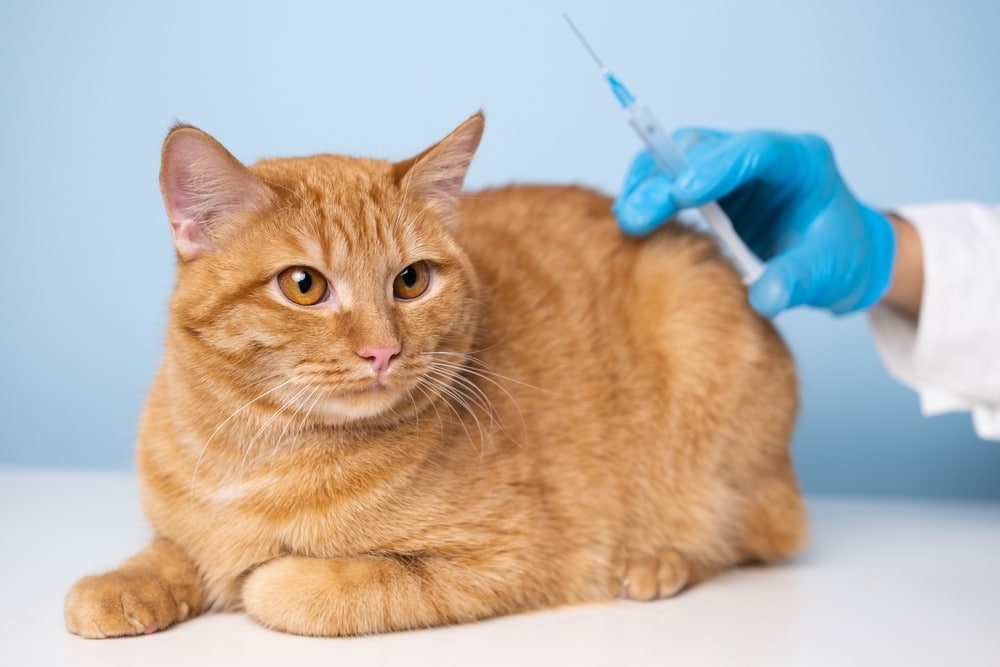
Ensuring that both you and your feline companion are adequately prepared before vaccination day is essential for a smooth and stress-free experience. Proper preparation minimizes anxiety for the cat and helps ensure the vaccination process is safe and effective. Taking the time to organize the environment, handle the cat gently, and gather necessary supplies contributes significantly to a successful vaccination experience.
By establishing a calm environment and handling your cat with care, you can reduce stress and prevent injury or accidental escape. Proper planning and organized supplies enable the process to proceed efficiently, ensuring your cat receives the necessary protection against preventable diseases without unnecessary discomfort.
Creating a Calm Environment and Gathering Supplies
Preparing the space where vaccination will occur is crucial to keep your cat relaxed and comfortable. Choose a quiet, enclosed area free from loud noises or sudden movements, such as a small room or a dedicated corner in your home. Dimming the lights and minimizing disturbances can help create a soothing atmosphere. Placing familiar items, such as your cat’s favorite blanket or toy, can provide additional comfort.
Gathering all necessary supplies beforehand ensures that everything required for vaccination is within reach, preventing the need to leave your cat unattended or fetch items mid-process. This reduces stress for both the cat and the handler, promoting a smooth procedure.
- Vaccines and Syringes: Ensure you have the correct vaccines prescribed by your veterinarian, sterile syringes, and needles appropriate for your cat’s size.
- Disinfectants: Prepare alcohol wipes or disinfectant solutions to clean the injection site and reusable equipment if applicable.
- Towels or Blankets: Have soft towels or blankets to wrap or secure your cat comfortably.
- Treats and Toys: Keep treats or favorite toys nearby to reward your cat afterward and create positive associations.
- Documentation: Keep vaccination records handy to log the date and details of the vaccination for future reference.
Handling a Cat Safely and Gently
Handling your cat with care and gentleness is vital to reduce stress and minimize the risk of injury during vaccination. Cats can become anxious or frightened in unfamiliar situations, so adopting a calm and reassuring approach helps set a positive tone for the process. Proper restraint techniques ensure safety for both the cat and the handler while avoiding unnecessary discomfort.
When preparing to vaccinate, approach your cat slowly and speak softly to reassure them. Using a gentle but secure grip, such as wrapping your cat in a towel or blanket, can help immobilize them comfortably. Supporting the cat’s body and avoiding excessive pressure prevents injury and helps keep the cat calm. If your cat is particularly anxious or aggressive, consider seeking assistance from a veterinary professional experienced in handling difficult cases.
Always handle your cat in a way that avoids causing pain or distress, and proceed with the vaccination only when the cat is as relaxed as possible. Regular, gentle handling during routine activities can also help your cat become more comfortable with being touched and handled, easing future vaccination procedures.
Administering the Vaccine
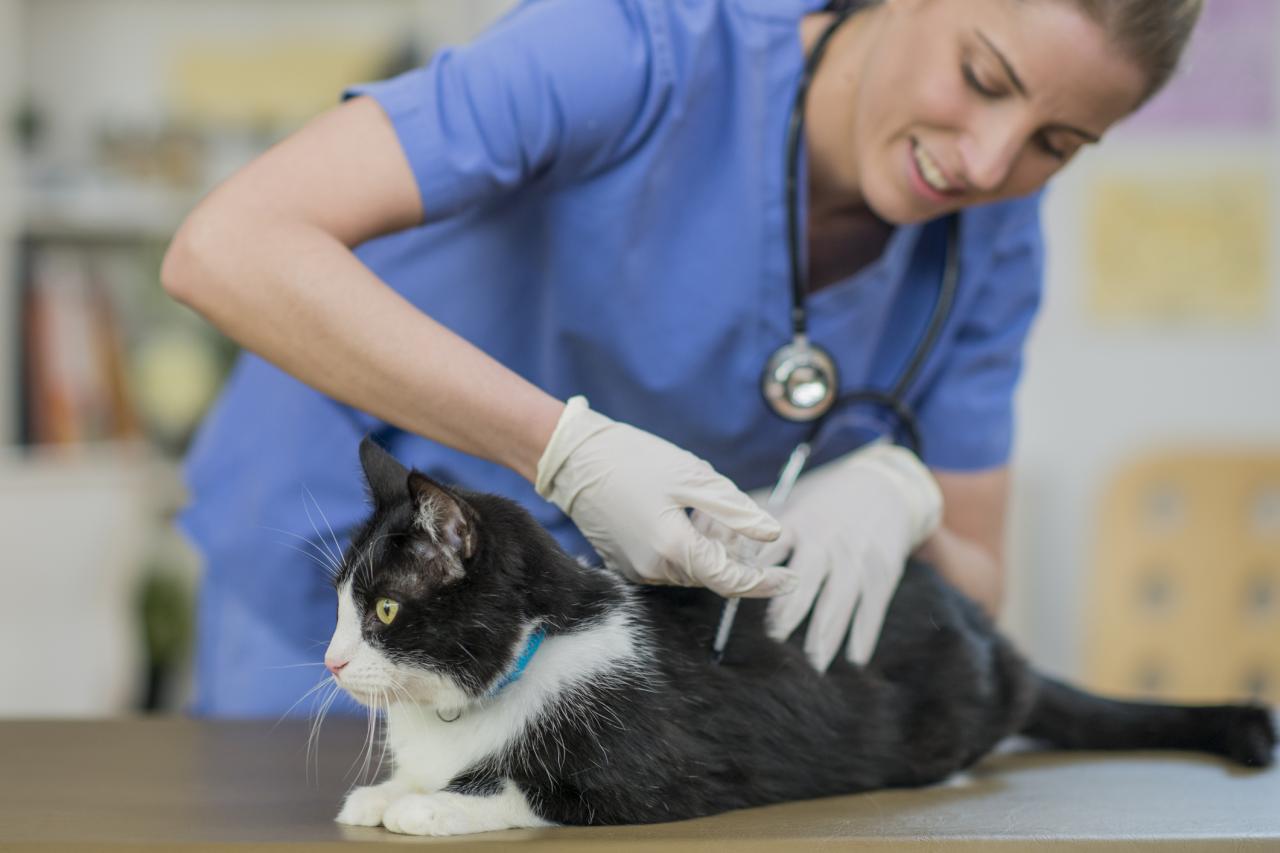
Administering a vaccine to a cat is a crucial step in ensuring their health and protection against preventable diseases. Proper technique and gentle handling are essential to minimize discomfort and ensure the vaccine’s effectiveness. Understanding the correct procedures and safety considerations can help make the vaccination process smoother for both the veterinarian or caregiver and the feline patient.Vaccination administration involves precise methods to deliver the vaccine effectively, whether via subcutaneous or intramuscular routes.
Each route has specific steps and considerations to ensure safety, efficacy, and the well-being of the cat. Proper restraint techniques and awareness of possible adverse reactions are vital components of responsible vaccination practice. By following these detailed procedures, caregivers can help maintain their cat’s health and comfort during the vaccination process.
Administering the Vaccine Step-by-Step
Administering a vaccine requires careful preparation, proper technique, and attentive observation to ensure the cat’s safety and comfort. This process involves selecting the appropriate injection site, using correct handling methods, and monitoring the cat afterward for any immediate reactions.
Preparing for Injection
Before administering the vaccine, gather all necessary supplies—including the vaccine vial, syringes, alcohol swabs, and gloves. Ensure your hands are clean and the vaccine is stored at the recommended temperature. Restrain the cat securely to prevent sudden movements, using gentle but firm restraint techniques. If necessary, have an assistant help hold the cat to minimize stress and movement.
Choosing the Injection Site
The site of injection depends on the type of vaccine and route. For subcutaneous injections, the loose skin at the back of the neck or between the shoulder blades is typically used. For intramuscular injections, the muscles of the thigh or the area just above the shoulder are common sites. Proper site selection ensures the vaccine is delivered effectively and reduces the risk of injury or discomfort.
Administering the Injection
The procedure varies based on the route of injection:
Subcutaneous Route
- Gently lift the skin at the chosen site to create a fold, ensuring the vaccine does not go into the subcutaneous tissue directly without proper technique.
- Insert the needle at a 45-degree angle, just under the skin, with the bevel facing upward.
- Slowly depress the plunger to inject the vaccine, then withdraw the needle smoothly.
- Massage the area lightly to disperse the vaccine and minimize discomfort.
Intramuscular Route
- Identify the muscle mass, usually in the thigh (quadriceps) or the area above the shoulder.
- Insert the needle at a 90-degree angle into the muscle, ensuring direct and firm penetration.
- Depress the plunger steadily to deliver the vaccine, then withdraw the needle quickly and safely.
- Apply gentle pressure to the site with a sterile gauze to minimize bleeding and discomfort.
Ensuring Proper Restraint and Minimize Discomfort
Proper restraint is essential to prevent injury and reduce stress during vaccination. Use calm handling, gentle but firm grip, and support the cat’s body securely without causing pain. Wrapping the cat snugly in a towel, often referred to as a “purrito,” can help restrict movement and provide comfort. Speaking softly and maintaining a calm environment can significantly reduce the cat’s anxiety.To further minimize discomfort, use sterile, sharp needles and inject the vaccine smoothly and confidently.
Avoid abrupt movements, which can increase the cat’s fear or cause injury. Rewarding the cat with gentle praise or a treat afterward can help create positive associations with the vaccination process.
Monitoring for Adverse Reactions
Immediately following vaccination, observe the cat closely for signs of adverse reactions. These may include swelling, redness, or soreness at the injection site, sneezing, coughing, or difficulty breathing. In rare cases, cats may experience allergic reactions such as vomiting, diarrhea, facial swelling, or lethargy.
It is crucial to contact a veterinarian immediately if any severe or unusual reactions occur, such as persistent swelling, difficulty breathing, or collapse.
Monitoring should continue for at least 15-30 minutes post-injection, especially for cats with known sensitivities. Keeping a detailed record of the vaccination and any reactions can aid in future medical care and vaccine scheduling.
Post-vaccination care and monitoring
Ensuring proper care after your cat receives a vaccination is crucial for a smooth recovery and to minimize the risk of adverse reactions. Proper observation and a comfortable environment can help detect any issues early and provide reassurance for both you and your feline friend. Additionally, understanding the appropriate schedule for booster shots ensures ongoing protection and health maintenance for your cat.Post-vaccination care involves vigilant monitoring of your cat’s behavior and physical condition during the first 24 hours after injection.
While most cats tolerate vaccines well, some may experience mild side effects, making attentive observation vital. Creating a calm, quiet, and comfortable environment helps reduce stress and supports recovery. Following recommended schedules for booster shots and follow-up appointments maintains the effectiveness of the vaccination and contributes to your cat’s overall health.
Monitoring for side effects or adverse reactions within 24 hours
Monitoring your cat closely during the first day after vaccination is essential to identify any signs of adverse reactions. Early detection allows for prompt medical attention if necessary. Common mild reactions include temporary swelling at the injection site, mild lethargy, or decreased appetite. Serious reactions, such as difficulty breathing, vomiting, swelling of the face or limbs, or seizures, though rare, require immediate veterinary intervention.To effectively observe your cat:
- Check for swelling, redness, or pain at the injection site.
- Note any unusual behavior such as excessive lethargy, irritability, or agitation.
- Monitor for signs of allergic reactions, including difficulty breathing, swelling of the face or throat, or hives.
- Observe changes in appetite or vomiting.
It is recommended to record any observations and contact your veterinarian promptly if you notice concerning symptoms. Keep a close eye during the first 24 hours and ensure your contact information is readily available in case of emergencies.
Environments that promote comfort and recovery post-injection
Creating a peaceful setting immediately after vaccination helps your cat relax and recover. A quiet, warm, and comfortable space minimizes stress and prevents injury if your cat feels unwell or disoriented. Avoid loud noises, sudden movements, or unfamiliar environments, which can increase anxiety.Provide:
- A cozy, soft bedding area where your cat can rest undisturbed.
- Access to fresh water and easy-to-digest food in case appetite is affected.
- A calm atmosphere devoid of loud noises or chaotic activity.
- Limited handling, unless necessary for observation or comfort, to reduce stress.
Ensure the environment is clean, safe, and easily accessible for your cat to return to their resting spot without difficulty. Maintaining a routine and gentle interaction fosters reassurance and facilitates recovery.
Schedule for booster shots and follow-up appointments
Maintaining an appropriate schedule for booster vaccinations is vital for continuous protection against preventable diseases. Your veterinarian will recommend a specific timeline based on the initial vaccine received, your cat’s age, health status, and lifestyle.Typically, booster shots are administered:
- One year after the initial vaccination series for core vaccines.
- Every one to three years thereafter, depending on the vaccine type and veterinarian’s advice.
Follow-up appointments may include health assessments, additional vaccines, or blood tests to ensure immunity levels are adequate. Keeping a record of vaccination dates and adhering to scheduled follow-ups ensures your cat remains protected and helps identify any health concerns early. Regular veterinary visits also serve to reinforce overall health and well-being, providing opportunities for professional guidance tailored to your cat’s needs.
Common challenges and solutions during vaccination
Vaccinating cats can sometimes present challenges due to their individual behaviors, emotional states, or unexpected reactions during the procedure. Recognizing these potential hurdles and knowing effective strategies to address them can significantly improve the vaccination experience for both the veterinarian or handler and the feline patient. By understanding common issues and implementing targeted solutions, pet owners and veterinary professionals can ensure safe and successful vaccination sessions.Handling cats during vaccination requires patience, knowledge of feline behavior, and appropriate techniques to manage stress or resistance.
Challenges such as anxiety, aggression, or fear can lead to difficulties in administering vaccines effectively. Addressing these issues proactively helps reduce the risk of injury, stress, or trauma to the cat, and fosters a more positive experience for future veterinary visits.
Strategies to Calm Anxious or Aggressive Cats Before Vaccination
Cats often become anxious or aggressive due to unfamiliar environments, previous negative experiences, or pain anticipation. To mitigate these reactions, several calming techniques can be employed:
- Creating a Calm Environment: Use a quiet, clutter-free space to minimize stressors. Soft lighting, minimal noise, and familiar scents can help soothe the cat.
- Gentle Handling and Restraint: Approach the cat calmly, using slow movements and gentle touch to build trust. Employing soft, secure restraints, such as a towel wrap or a specialized feline restraint bag, can prevent sudden movements.
- Use of Pheromone Products: Synthetic feline pheromone diffusers or sprays can promote relaxation and reduce anxiety during handling.
- Pre-vaccination Acclimation: Allow the cat time to become familiar with the environment and staff before the procedure. Offering treats or playtime can also create positive associations.
- Medication if Necessary: In cases of severe anxiety or aggression, administering mild sedatives or anxiolytics prescribed by a veterinarian can facilitate a smoother vaccination process.
Methods to Handle Resistance or Movement During the Procedure
Cats may resist or attempt to escape during vaccination, especially if they are frightened or uncomfortable. To manage resistance effectively:
- Proper Restraint Techniques: Use appropriate restraint tools such as a towel wrap, which immobilizes the limbs comfortably, or a restraint box that limits movement without causing distress.
- Positioning: Position the cat on a stable surface, ensuring the handler has control over the head and body. Sometimes, placing the cat on a table with secured sides provides better control.
- Teamwork: Having an assistant can help hold the cat securely, while the primary handler administers the vaccine calmly and confidently.
- Distraction and Timing: Distracting the cat with treats or gentle petting during the procedure can reduce resistance. Performing vaccination when the cat is calm or after a play session can also help.
- Patience and Small Steps: Breaking the process into smaller, less intimidating steps allows the cat to acclimate gradually, reducing overall resistance.
Troubleshooting Steps for Common Issues
Occasionally, unexpected issues may arise during vaccination, such as needle phobia or adverse reactions. Preparing for these contingencies ensures the safety and well-being of the cat.
- Addressing Needle Phobia: Gradually desensitize the cat to the needle by first introducing the syringe without a needle, then pairing it with positive reinforcement. Using distraction techniques and choosing the smallest effective needle size can also minimize discomfort.
- Managing Unexpected Reactions: Be vigilant for signs of adverse reactions such as swelling, lethargy, vomiting, or allergic responses. If an adverse reaction occurs, immediately administer appropriate emergency care, such as antihistamines or corticosteroids, as prescribed by a veterinarian.
- Immediate Response to Resistance: If the cat becomes violently resistant, pause the procedure, allow the cat to relax, and resume only when calm. If necessary, reschedule the vaccination to a later time, especially if stress levels are high.
- Monitoring and Documentation: Keep detailed records of any issues, reactions, or resistance encountered during vaccination. Sharing this information with the veterinarian can guide future vaccination strategies and ensure the cat’s safety.
Effective management of common challenges during feline vaccination hinges on patience, understanding, and proper technique. Recognizing individual feline temperaments and responding with tailored strategies fosters a safer, less stressful experience for all involved.
Tips for Educating Pet Owners About Vaccination
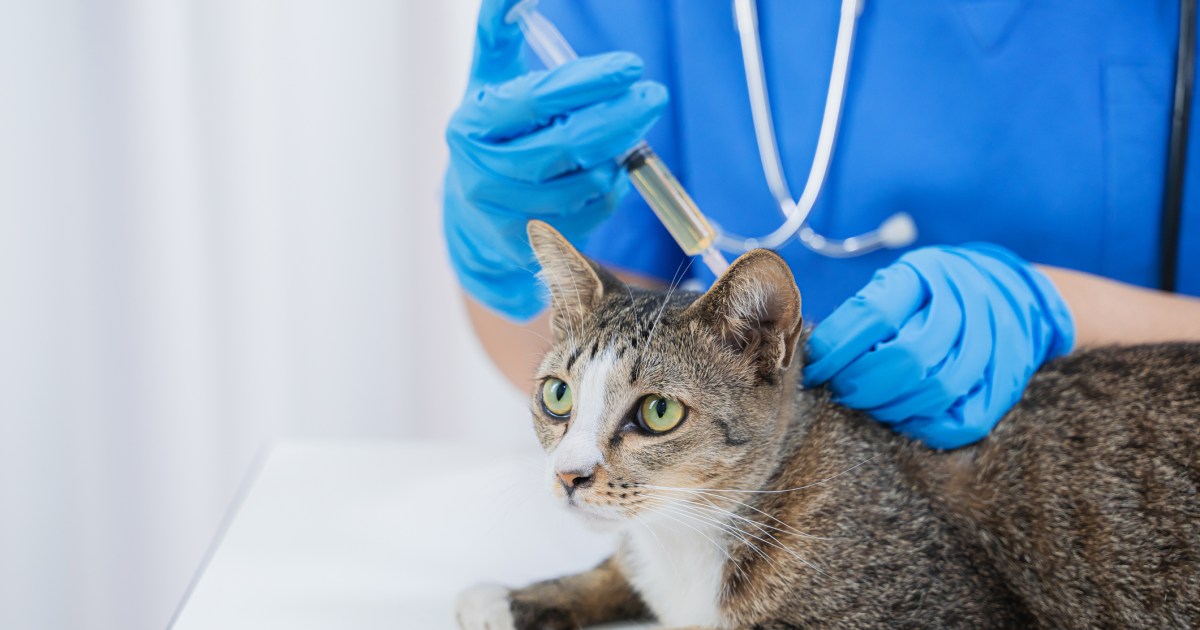
Ensuring pet owners understand the significance of vaccinating their cats is vital for maintaining feline health and preventing disease outbreaks. Effective education fosters responsible pet ownership, encourages timely vaccination, and helps dispel common misconceptions about vaccines. Providing clear, accessible information about vaccination schedules, safety, and benefits empowers owners to make informed decisions and adhere to recommended protocols for their cats’ well-being.A comprehensive approach that combines visual aids, straightforward explanations, and empathetic communication can significantly enhance understanding and compliance.
When pet owners grasp the rationale behind vaccination practices and recognize the safety and efficacy of feline vaccines, they are more likely to prioritize their pets’ health and follow through with scheduled appointments.
Emphasizing the Importance of Vaccination Schedules
Creating awareness about the critical role of adhering to vaccination schedules helps protect cats from preventable diseases. It is essential to communicate that initial vaccines typically start at a young age and require booster shots at specific intervals to ensure continued immunity. Educating owners on the timing and necessity of each vaccination—such as those for feline calicivirus, herpesvirus, and rabies—can prevent lapses that might leave their cats vulnerable.It is beneficial to provide pet owners with personalized vaccination calendars or reminder systems, such as digital alerts or printed schedules, to reinforce adherence.
Highlighting real-world cases where delays in vaccination led to disease outbreaks can underscore the importance of maintaining a consistent schedule.
Sharing Visual Aids and Infographics
Visual tools serve as powerful educational resources, simplifying complex information and enhancing comprehension. Infographics illustrating the step-by-step process of vaccination, from preparation to post-injection care, can demystify the procedure for owners. For example, diagrams showing how vaccines stimulate immunity or images depicting the location and technique of injection help owners visualize what occurs during vaccination.Additionally, infographics that compare the risks of unvaccinated cats contracting diseases versus the safety of vaccines can clarify misconceptions.
Charts highlighting vaccination schedules, common disease symptoms, and preventive steps can be easily referenced and retained. Incorporating visual aids into educational materials, clinic signage, or digital platforms makes learning engaging and accessible.
Designing Explanations About Vaccine Safety and Efficacy
Providing transparent and factual information about the safety profiles and effectiveness of feline vaccines is crucial to building trust. Clarify that the vast majority of cats tolerate vaccines well, with adverse reactions being rare and usually mild. Explain that vaccines undergo rigorous testing and continuous monitoring to ensure their safety and that any potential side effects are typically temporary.Using simple, non-technical language to describe how vaccines work can alleviate fears rooted in misconceptions.
Sharing evidence-based data or testimonials from other pet owners who have observed positive health outcomes can reinforce confidence. Emphasizing that the benefits of vaccination far outweigh the minimal risks encourages responsible decision-making and helps pet owners feel assured in their choices.
Epilogue
In conclusion, vaccinating your cat is a vital aspect of responsible pet ownership that offers lasting health benefits. By following proper procedures, monitoring your cat’s response, and staying informed about vaccination schedules, you can effectively protect your feline friend from preventable diseases. Remember, a well-vaccinated cat leads to a healthier, happier life for both your pet and your household.