Learning how to microchip a cat is an essential step in ensuring your pet’s safety and quick recovery if they become lost. This procedure offers a permanent form of identification that can significantly increase the chances of reunification with your feline companion.
Understanding the microchipping process, preparations, and post-implant care enables pet owners to confidently and safely undertake this important procedure, supported by proper registration and professional assistance when needed.
Overview of Microchipping Cats

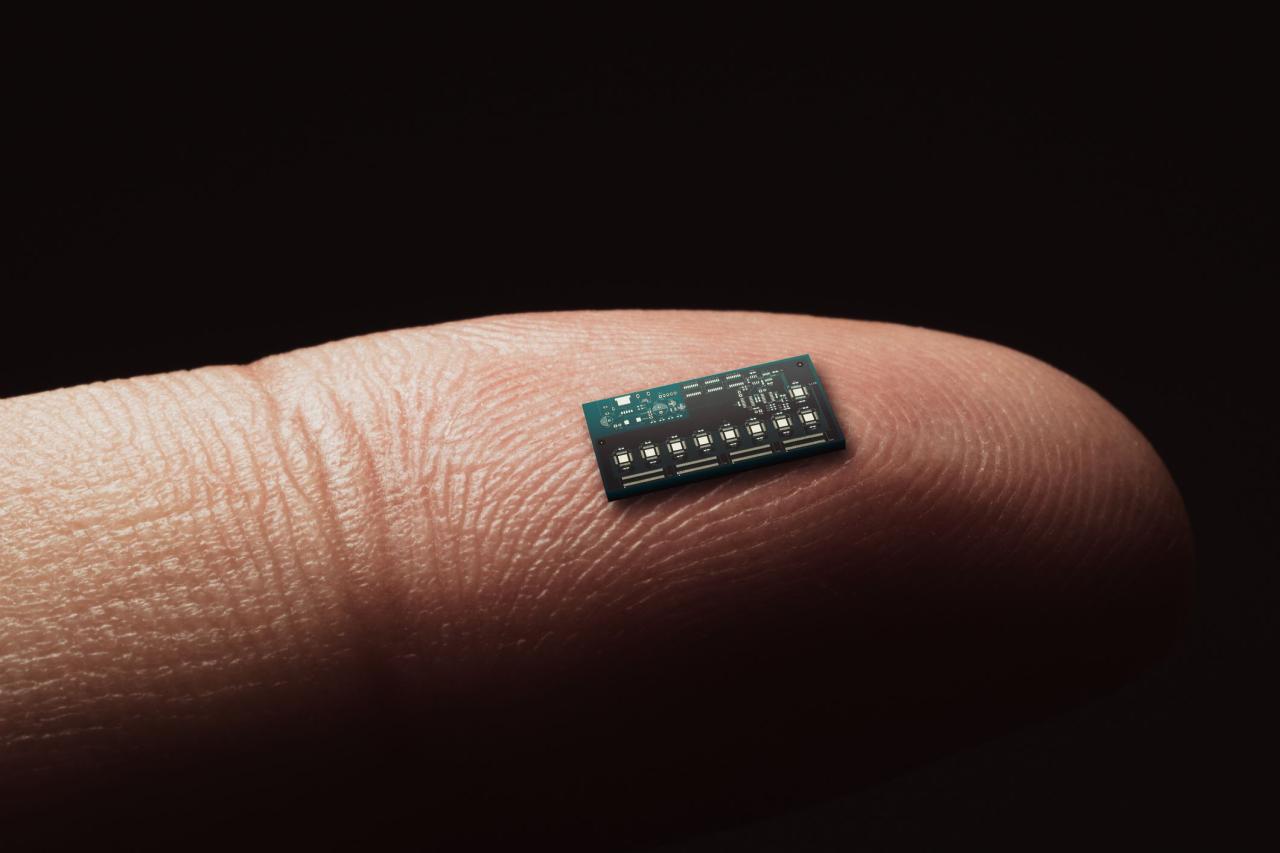
Microchipping is a secure and reliable method of permanently identifying cats, offering peace of mind to pet owners and increasing the likelihood of a lost feline being safely returned home. This small device, approximately the size of a grain of rice, is embedded beneath the cat’s skin and serves as a digital ID that links to a comprehensive database containing owner contact information.
The purpose of microchipping cats is to provide a permanent form of identification that is more resilient than traditional collars and tags, which can be lost or removed. It greatly enhances the chances of recovery in case the pet gets lost or stolen. The process involves a simple, minimally invasive procedure that can be performed quickly by a veterinarian or trained professional, often during a routine visit.
Once implanted, the microchip does not require maintenance and is unlikely to cause discomfort or health issues for the cat.
Comparison of Identification Methods for Cats
Understanding the advantages of microchipping in comparison to other identification methods can help pet owners make informed decisions about their cat’s safety measures. The following table highlights the key differences between microchipping, collar tags, and tattoo identification.
| Method | Advantages |
|---|---|
| Microchipping | Provides a permanent, tamper-proof ID linked to a global database; effective even if the cat’s collar is lost or removed; can be scanned by shelters and veterinarians worldwide, increasing chances of recovery. |
| Collar Tags | Easy to implement and visible at a glance; allows immediate contact info display; inexpensive and simple to replace if lost or damaged. |
| Tattoos | Permanent and difficult to alter; can be read by trained professionals; often used for official identification in shelters or licensing. |
Preparing for Microchipping

Proper preparation is essential to ensure a safe, comfortable, and effective microchipping procedure for your cat. Adequate planning minimizes stress for both the pet and the owner, allowing the process to proceed smoothly. This stage also involves gathering all necessary supplies and creating a suitable environment that promotes safety and calmness.
Careful preparation helps prevent potential complications, ensures the cat remains comfortable, and allows the veterinarian or pet owner to conduct the procedure efficiently and humanely. By following a structured approach, you can facilitate a positive experience that emphasizes your cat’s well-being and the effectiveness of the microchipping process.
Necessary Supplies and Tools
Assembling the right equipment before beginning the microchipping process is crucial. The following list details essential supplies and tools required:
| Item | Description |
|---|---|
| Microchip device | A sterile, approved microchip implant suitable for cats, often provided by the veterinarian or microchipping service. |
| Sterile syringe or applicator | Designed specifically for microchip implantation, ensuring accurate and safe insertion. |
| Antiseptic solution | Alcohol swabs or antiseptic wipes to disinfect the injection site before insertion. |
| Gloves | Disposable, sterile gloves to maintain hygiene and prevent infection. |
| Marker pen | For marking the designated implant site on your cat’s skin, if necessary. |
| Cleaning cloth or towel | To gently restrain or comfort your cat during the procedure. |
| Identification tags or collars | Optional, for additional identification and comfort post-procedure. |
Having these supplies ready in advance helps streamline the process and reduces the risk of errors or contamination during microchipping.
Preparing the Cat and Environment
Creating a calm, controlled environment minimizes stress and ensures safety for your cat during microchipping. Proper preparation involves both your pet and their surroundings, emphasizing comfort and hygiene.
- Choose a quiet, familiar space free from sudden noises or distractions to conduct the procedure. A calm environment helps soothe your cat and promotes cooperation.
- Ensure the area is clean and disinfected to prevent infections. Use a gentle disinfectant on surfaces where the procedure will take place.
- Handle your cat gently, offering reassurance through soothing voices and gentle strokes. Avoid sudden movements that could cause anxiety or resistance.
- Secure your cat in a comfortable position, such as on a non-slip surface or in a towel wrap, to prevent movement during injection. Wrapping the cat snugly in a towel, known as the “belly wrap,” provides stability and comfort.
- Have all supplies within arm’s reach before beginning. This includes the microchip, syringe, antiseptic, gloves, and marking tools.
- Ensure your hands are clean and sanitized before handling your cat or supplies to maintain hygiene standards.
Step-by-Step Procedure for Preparation
- Gather all necessary supplies and verify their sterility and readiness.
- Designate a calm, quiet area with minimal distractions, ensuring the space is clean and well-organized.
- Lay out the supplies in an accessible manner, including gloves, antiseptic, and the microchip device.
- Prepare your cat by gently placing them on the designated surface, wrapping them if needed for stability and comfort.
- Mark the area on your cat’s scruff where the microchip will be inserted, typically between the shoulder blades, using the marker pen if instructed by your veterinarian.
- Disinfect the injection site thoroughly, allowing the antiseptic to dry completely to prevent contamination.
- Wear sterile gloves to maintain hygiene and reduce infection risk during the procedure.
- Ensure your cat remains calm, offering gentle touch and reassuring words throughout the preparation process, setting the stage for a smooth microchipping experience.
Microchipping Procedure
Microchipping is a vital step in ensuring a lost cat can be identified and reunited with its owner efficiently. The procedure involves a simple implantation process that is quick, minimally invasive, and generally well-tolerated by cats. Proper understanding of each step helps ensure the microchipping is performed safely and accurately, providing long-term benefits for pet recovery.
During the microchipping process, precise identification of the implant site, proper use of equipment, and adherence to safety protocols are essential. This section Artikels the detailed steps involved in implanting a microchip, including locating the appropriate site, preparing the equipment, and executing the procedure with care and professionalism.
Microchipping Procedure Steps
The following organized table summarizes each step involved in the microchipping process, highlighting the actions performed, the necessary equipment, and important notes to ensure a successful implantation.
| Step Number | Action | Equipment Needed | Notes |
|---|---|---|---|
| 1 | Prepare the cat and ensure it is calm. Restrain gently to prevent movement during the procedure. | Grooming supplies (if needed), restraint tools, calming aids if applicable | Use a calm environment and gentle restraint techniques to reduce stress and ensure safety for both cat and handler. |
| 2 | Identify the implantation site, typically the subcutaneous space between the shoulder blades on the dorsal midline. | Palpation fingers, marking pen (optional) | Locate the area where the microchip will be inserted, avoiding any lumps, scars, or sensitive spots. |
| 3 | Disinfect the site thoroughly to eliminate any risk of infection. | Antiseptic solution (e.g., iodine or alcohol wipes) | Ensure the area is dry before proceeding to prevent contamination. |
| 4 | Load the microchip syringe with the microchip and sterilize if necessary, following manufacturer instructions. | Microchip implant syringe, microchip, sterilization supplies (if applicable) | Handle the syringe carefully to avoid damaging the microchip prior to implantation. |
| 5 | Insert the microchip beneath the skin using the syringe, aiming for the subcutaneous layer just ahead of the shoulder blade. | Syringe with microchip, gloves (for hygiene), sterile technique | Insert the needle at a slight angle, ensuring the microchip is placed flat and securely under the skin. |
| 6 | Withdraw the syringe carefully and confirm the microchip has been properly deployed beneath the skin. | Microchip reader (to verify placement, optional) | Check for any bleeding or swelling and apply pressure if needed. |
| 7 | Disinfect the site again and observe the cat for any immediate adverse reactions. | Antiseptic solution, clean gauze or cotton balls | Ensure the cat remains calm and comfortable post-procedure. |
Post-Procedure Care
After microchipping your cat, diligent post-procedure care is essential to ensure proper healing, comfort, and long-term success of the implantation. Monitoring your feline companion closely allows you to identify any early signs of complications and address them promptly, promoting a smooth recovery and maintaining your pet’s health and well-being.
Proper post-procedure care involves attentive observation, ensuring your cat remains comfortable, and scheduling follow-up checks as recommended by your veterinarian. Recognizing potential issues early can prevent more serious health concerns and facilitate effective treatment if necessary.
Monitoring Your Cat After Microchipping
Continuous observation during the initial days following the procedure helps to ensure your cat is healing properly and not experiencing any discomfort or adverse reactions. Pay attention to changes in behavior, activity levels, and physical appearance around the injection site. Maintaining a routine of regular checks supports early detection of problems and reassures you of your pet’s recovery process.
Important signs to watch for include persistent swelling, redness, discharge, or signs of pain at the insertion site. Changes in appetite, lethargy, or unusual behaviors—such as excessive scratching or biting at the site—may indicate underlying issues that require veterinary attention. Tracking these signs enables timely intervention, preventing complications from escalating.
Signs of Potential Complications
Understanding the signs of possible complications is crucial for prompt response and care. Though microchipping is generally safe, rare adverse reactions can occur, and early detection is key to effective management.
- Persistent swelling or redness: Swelling that does not decrease after 48 hours or worsening redness may suggest infection or inflammation.
- Discharge or bleeding: Any abnormal discharge, pus, or bleeding from the site could indicate an infection or improper implantation.
- Signs of pain or discomfort: Excessive licking, biting, or vocalizing around the site, or behaviors indicating pain, merit veterinary attention.
- Fever or lethargy: Elevated body temperature or marked decrease in activity levels may signal systemic infection or adverse reaction.
- Unusual swelling beyond the injection area: Swelling that extends or worsens over time could indicate an allergic or foreign body reaction.
In case any of these signs are observed, contacting your veterinarian promptly ensures appropriate evaluation and intervention, safeguarding your cat’s health and comfort.
Post-Care Tips for Comfort, Observation, and Follow-Up
Implementing best practices after microchipping contributes to your cat’s comfort and facilitates monitoring. These tips help ensure a smooth recovery process and long-term health.
- Maintain a calm environment: Keep your cat in a quiet, comfortable space to reduce stress and allow proper healing.
- Avoid unnecessary handling: Limit touching or manipulating the injection site during the initial days, reducing the risk of irritation or infection.
- Monitor the site daily: Check for swelling, redness, or abnormal discharge, noting any changes or concerns.
- Prevent licking or scratching: Use an Elizabethan collar or other protective devices if your cat attempts to lick or bite the site, which can hinder healing.
- Ensure proper hydration and nutrition: Provide fresh water and a balanced diet to support the immune response and healing process.
- Schedule follow-up appointments: Follow your veterinarian’s recommendations for post-procedure checkups to confirm healing and update microchip registration details if necessary.
- Keep records of the procedure: Document the date and any observations to assist future veterinary visits and in case your cat becomes lost.
Microchip Registration and Documentation
Registering your cat’s microchip with the appropriate databases is a vital step in ensuring the safety and swift recovery of your pet if they are ever lost. Proper documentation and timely updates of owner information are crucial components that enhance the effectiveness of microchipping as a safety measure.
When a microchip is implanted, the data stored within it is only as valuable as the accuracy and completeness of the associated records. Correct registration enables shelters, veterinarians, and animal control agencies to access your contact details quickly, facilitating a prompt reunion with your cat. This section provides a comprehensive guide to registering and maintaining your microchip information effectively.
Registering the Microchip with Relevant Databases
Registering your cat’s microchip involves submitting your contact details and your pet’s information to a recognized microchip registry or database. It is essential to choose a reputable and widely used database, such as the American Animal Hospital Association (AAHA) Universal Pet Microchip Lookup, or regional registries that are accessible locally. The registration process typically involves creating an account on the database’s website, then entering your pet’s unique microchip number along with your contact information.
Some databases may also require proof of ownership or veterinary records for validation.
Once registered, the database stores your contact details securely and makes them accessible to authorized organizations when needed. It is advisable to keep your registration information current and ensure your contact details are correct at all times.
Step-by-Step Guide to Updating Owner Contact Information
Maintaining accurate contact information in your pet’s microchip registry is essential for rapid recovery should your cat become lost. The process to update your details is straightforward but requires regular attention to ensure data accuracy.
- Access the database’s official website or contact the registry that manages your microchip number.
- Log in to your account using your registered credentials. If you do not have an account, create one using your email address and personal details.
- Locate your pet’s microchip record using the unique microchip number, which your veterinarian should provide after implantation.
- Review the existing information and select the option to update or edit contact details.
- Enter the current owner information, including your full name, address, phone number, and email address. It is recommended to include multiple contact methods for redundancy.
- Save the changes and confirm that your updates have been successfully processed. Some databases may require additional verification steps, such as email confirmation or phone verification.
It is advisable to review your microchip registration details at least once a year or immediately after any change of address, phone number, or ownership to ensure your cat’s data remains current.
Essential Documents and Information Needed for Registration
Registering your cat’s microchip requires certain key documents and information to ensure accurate and complete registration. Having these ready can streamline the process and prevent delays.
Important registration information includes proof of ownership and identification documentation, such as microchip registration certificates or veterinary records.
- Microchip Number: The unique identification number assigned during implantation, usually a 15-digit code.
- Owner’s Full Name: Legal name of the person responsible for the pet.
- Current Address: Complete residential address for contact purposes.
- Contact Telephone Numbers: Primary and secondary phone numbers for quick communication.
- Email Address: An active email for electronic notifications and updates.
- Proof of Ownership: Veterinary records, purchase receipts, or adoption documentation may be required in some databases.
- Veterinary Contact Information: Details of the veterinarian or clinic where the microchip was implanted, if applicable.
Ensuring that all these details are accurate and up-to-date enhances the likelihood of a swift reunion if your cat becomes lost. It is also recommended to keep digital and physical copies of registration documents in a safe place for quick reference.
Finding a Veterinarian or Microchipping Service
Locating a qualified veterinarian or specialized microchipping provider is a crucial step in ensuring your cat receives proper identification through microchipping. The right professional not only performs the procedure safely but also provides guidance on registration and post-procedure care.
Choosing a reputable clinic or service involves evaluating their credentials, experience, and the quality of microchipping devices they use. This ensures that the microchip is compatible with national and international databases, increasing the likelihood of quick recovery if your cat becomes lost.
Options for Microchipping Providers and Services
To assist in finding a suitable provider, consider the following options and compare their offerings based on location, services, and reputation. This can help you make an informed decision tailored to your needs and your cat’s well-being.
| Provider Name | Location | Services Offered |
|---|---|---|
| PetVet Microchip Clinic | New York, NY | Microchipping, Registration, Post-Procedure Consultation |
| Happy Tails Animal Hospital | Los Angeles, CA | Microchipping, Annual Health Checks, Emergency Services |
| Animal Care Center | Chicago, IL | Microchipping, Microchip Registration, Licensing Assistance |
| PetID Solutions | Online Service | Home Microchipping Kits, Professional Microchipping Service, Database Registration |
| Local Veterinary Clinics | Various Locations Nationwide | Microchipping, Vaccinations, General Veterinary Care |
Tip: When selecting a provider, verify their certifications and ensure that the microchips used are ISO-compliant, which facilitates compatibility with various national and international databases.
Cost and Legal Considerations
Understanding the financial aspects and legal requirements associated with microchipping a cat is essential for responsible pet ownership. These considerations can influence decisions regarding when and where to microchip, as well as the overall management of pet identification protocols.
Microchipping costs vary based on geographic location, type of microchip used, and the veterinary or microchipping service provider. Additionally, regional regulations often mandate microchipping for certain categories of pets or for pets in specific circumstances, influencing compliance and potential legal obligations for pet owners.
Typical Costs Associated with Microchipping a Cat
Microchipping a cat generally incurs a range of expenses that pet owners should anticipate. These costs cover the microchip device itself, the administration fee charged by veterinarians or clinics, and additional services such as registration and documentation.
On average, microchipping costs between $25 and $50 in many regions, with some clinics offering package deals that include registration and initial registration fees. In certain areas, the expense may be higher, particularly if additional services or emergency care are included.
- Microchip device and implantation: Typically $20–$50, depending on provider and region.
- Registration and registration fees: Often included in the initial cost, but sometimes charged separately, ranging from $10–$25.
- Follow-up or renewal costs: Usually minimal, but some registries require annual updates or renewal fees that can be around $10–$15.
Legal Requirements and Regulations by Region
Many countries and regions have established legal frameworks mandating pet microchipping to ensure responsible ownership and facilitate pet recovery. Compliance with these regulations can vary significantly, affecting pet owners’ obligations and potential penalties for non-compliance.
For example, in the United Kingdom, the Animal Welfare (Licensing of Activities) (England) Regulations 2018 require all cats to be microchipped by the age of 20 weeks. Failure to comply may result in fines or other penalties.
- European Union: Most member states require microchipping for cats, especially those traveling or being transferred between regions. Mandatory microchipping is common for cats adopted from shelters or breeders.
- United States: Regulations vary by state and municipality. Some states, such as California and Illinois, have laws requiring microchipping for cats in shelters or for certain breeds.
- Australia and New Zealand: Microchipping is strongly encouraged and often mandated for cats being sold or transferred, with strict regulations to control stray populations.
Pet owners should consult local veterinary authorities or animal welfare agencies to ensure compliance with regional laws, as failure to adhere can result in fines or restrictions on pet ownership.
Many regions offer subsidies, discounts, or free microchipping clinics to encourage responsible pet identification. These programs aim to reduce the number of stray animals and improve reunification rates, offering significant financial relief to pet owners.
Frequently Asked Questions about Microchipping Cats
Microchipping cats is a widely recommended practice to ensure their safe return if they become lost. However, many pet owners have questions or concerns regarding the process, effectiveness, and potential issues related to microchipping. Addressing these common questions can help pet owners make informed decisions and feel more confident about microchipping their feline companions.
This section provides clear, factual answers to the most frequently asked questions about cat microchipping, covering topics from operation and safety to troubleshooting and legal considerations. Understanding these aspects is essential for ensuring the well-being of your cat and the success of microchipping as a tool for pet identification.
Microchip Functionality and Detection
Microchips operate using radio-frequency identification (RFID) technology, which allows scanning devices to detect the chip’s unique identification number. When a veterinarian or animal shelter scans a microchipped cat, the scanner emits radio waves that activate the chip, transmitting its stored ID number back to the scanner. This ID number is then linked to the owner’s contact information through a registered database.
However, certain factors can affect the detection, such as the orientation or placement of the microchip, interference from other electronic devices, or the scanner’s compatibility. It’s important to use updated and properly calibrated scanners to ensure accurate readings.
Addressing Concerns About Microchip Safety
Microchipping is generally considered a safe and minimally invasive procedure. The microchip is a biocompatible device about the size of a grain of rice, inserted just beneath the skin between the shoulder blades. Complications are rare but can include minor swelling, infection, or migration of the chip.
Pet owners often worry about adverse reactions; however, according to veterinary studies, serious side effects are exceedingly uncommon. Ensuring that a trained veterinarian performs the implantation reduces the likelihood of issues. Regular check-ups can help verify that the microchip remains in place and functions properly.
Troubleshooting Common Microchipping Issues
Occasionally, pet owners or veterinary professionals encounter problems when attempting to scan a microchipped cat, such as the scanner not detecting the chip or receiving inconsistent readings. These issues can stem from several causes, including damaged chips, improper placement, or outdated scanner technology.
When facing these challenges, consider the following troubleshooting tips:
- Use a compatible, high-quality scanner that supports the frequency of your microchip (typically 125 kHz for most chips).
- Check the placement of the scanner over the area where the chip was implanted. Moving the scanner slowly and in different directions can improve detection.
- Ensure the microchip has not migrated from its original position; if it has moved, re-scanning may require adjusting the location.
- Verify that the microchip’s registration is up-to-date, as outdated or incorrect registration information can lead to difficulties in locating the owner after the chip is detected.
- If persistent detection issues occur, consult a veterinarian or microchip manufacturer for further assessment or re-implantation if necessary.
If a microchip cannot be detected despite proper scanning, it may have migrated, become damaged, or failed. Regular checks and updates can help prevent such issues from compromising your pet’s identification.
Misconceptions About Microchipping Cats
Despite its widespread acceptance, some misconceptions about microchipping persist among pet owners. Clarifying these myths helps promote accurate understanding and encourages responsible pet ownership.
- Myth: Microchips can be tracked like GPS devices.
- Fact: Microchips do not have GPS capabilities. They are passive devices that require scanning to retrieve the ID number; they do not emit signals or allow real-time location tracking.
- Myth: Microchipping is painful for cats.
- Fact: The implantation is a quick, minimally invasive procedure performed under local anesthesia or gentle restraint, causing only brief discomfort similar to a vaccination.
- Myth: Microchipping is unnecessary if a cat has a collar and ID tags.
- Fact: Collars and tags can be lost or removed; microchips provide a permanent form of identification that does not rely on the pet wearing a visible tag.
Legal and Ethical Considerations
Many regions have regulations regarding microchipping, especially for shelter or rescue animals. Some areas require mandatory microchipping for all cats, while others recommend it as a best practice. Ensuring compliance with local laws can facilitate smoother recovery processes and support responsible pet ownership.
Pet owners should also consider privacy concerns related to data sharing. Reputable microchip registries maintain secure databases and require owner consent for data access, ensuring that personal information remains protected.
Ultimate Conclusion
In conclusion, microchipping a cat provides a reliable, long-lasting method to safeguard your pet and facilitate their return if misplaced. Proper preparation, professional help, and diligent registration are key elements to ensure a successful and stress-free experience for both owner and feline.