Understanding how to prevent cat obesity is essential for maintaining your feline friend’s health and well-being. With the increasing prevalence of overweight cats, it becomes crucial for pet owners to recognize risk factors and adopt proactive measures to safeguard their pets from associated health issues.
This comprehensive guide explores effective strategies, including proper nutrition, exercise, environmental adjustments, and regular veterinary care, to help you keep your cat at a healthy weight and enjoy a vibrant, active life together.
Understanding Cat Obesity
Feline obesity is a prevalent health concern affecting domestic cats worldwide. Recognizing the underlying causes, associated health risks, and current trends is essential for responsible pet ownership and ensuring a long, healthy life for cats. Obesity does not merely alter a cat’s appearance; it significantly impacts their overall well-being and can lead to severe health complications.
Gaining a comprehensive understanding of the factors contributing to excess weight in cats enables owners and caregivers to make informed decisions about diet, activity, and veterinary care. The following sections delve into the causes and risk factors, health implications, and statistical data related to feline obesity, providing a well-rounded perspective on this growing issue.
Causes and Risk Factors Associated with Feline Obesity
Multiple interconnected elements contribute to the development of obesity in cats. These include dietary habits, physical activity levels, genetics, and environmental influences, which collectively determine a cat’s propensity to gain excess weight.
Understanding these factors allows for targeted interventions to prevent or manage obesity effectively. The most common causes and risk factors encompass:
- Overfeeding and inappropriate diets: Providing more calories than a cat requires, often through excessive treats or high-calorie foods, can rapidly lead to weight gain.
- Sedentary lifestyle: Indoor cats with limited opportunities for exercise are more prone to accumulating excess weight compared to active outdoor cats.
- Genetic predisposition: Certain breeds, such as the Manx, Burmese, or Siamese, have a higher tendency toward obesity due to inherited traits affecting metabolism and body composition.
- Age-related factors: Older cats tend to be less active, and metabolic rates decrease with age, increasing the risk of weight gain.
- Medical conditions: Conditions such as hypothyroidism or insulin resistance can predispose cats to gain weight or make weight management more challenging.
- Lack of environmental enrichment: Limited stimulation may result in decreased activity levels, promoting weight gain.
Health Implications and Diseases Linked to Overweight Cats
Obesity in cats extends beyond aesthetic concerns; it presents serious health risks that can compromise a cat’s quality of life and longevity. Excess weight strains various organ systems and predisposes cats to numerous diseases, often increasing the complexity of veterinary treatment.
The health implications associated with feline obesity include:
- Diabetes Mellitus: Obese cats are significantly more susceptible to developing insulin resistance and type 2 diabetes, which requires lifelong management and can be life-threatening if untreated.
- Arthritis and Orthopedic Issues: Excess weight puts additional stress on joints, leading to pain, decreased mobility, and the development of osteoarthritis, particularly in older cats.
- Cardiovascular Problems: Obesity can contribute to hypertension and other heart-related issues, reducing overall vitality and increasing mortality risk.
- Respiratory Difficulties: Overweight cats often experience breathing challenges, especially if they have concurrent respiratory conditions or are prone to airway obstruction.
- Reduced Lifespan: Studies indicate that obese cats tend to have a shorter lifespan, with some research suggesting a reduction of up to 2–3 years compared to their healthy-weight counterparts.
“Maintaining a healthy weight is crucial for a cat’s longevity and quality of life, as obesity is linked to a host of preventable diseases.”
Prevalence and Trends of Obesity in Domestic Cats
Obesity continues to be a widespread issue among domestic cats, with recent studies indicating a concerning upward trend. The prevalence varies across regions and populations but consistently points to the need for increased awareness and proactive management.
According to veterinary research and surveys conducted globally:
| Region | Estimated Prevalence of Obesity | Trend |
|---|---|---|
| United States | Approximately 20-40% | Increasing steadily over the past decade |
| Europe | Around 30% | Notably rising, especially in urban indoor cats |
| Australia | Estimated 25-35% | Particularly concerning in multi-cat households |
Factors contributing to these trends include urbanization, sedentary lifestyles, and changing feeding practices. As pet owners become more aware of the importance of balanced diets and activity, some reduction in prevalence is expected; however, continued vigilance remains essential to curb this health crisis.
Recognizing Signs of Obesity in Cats
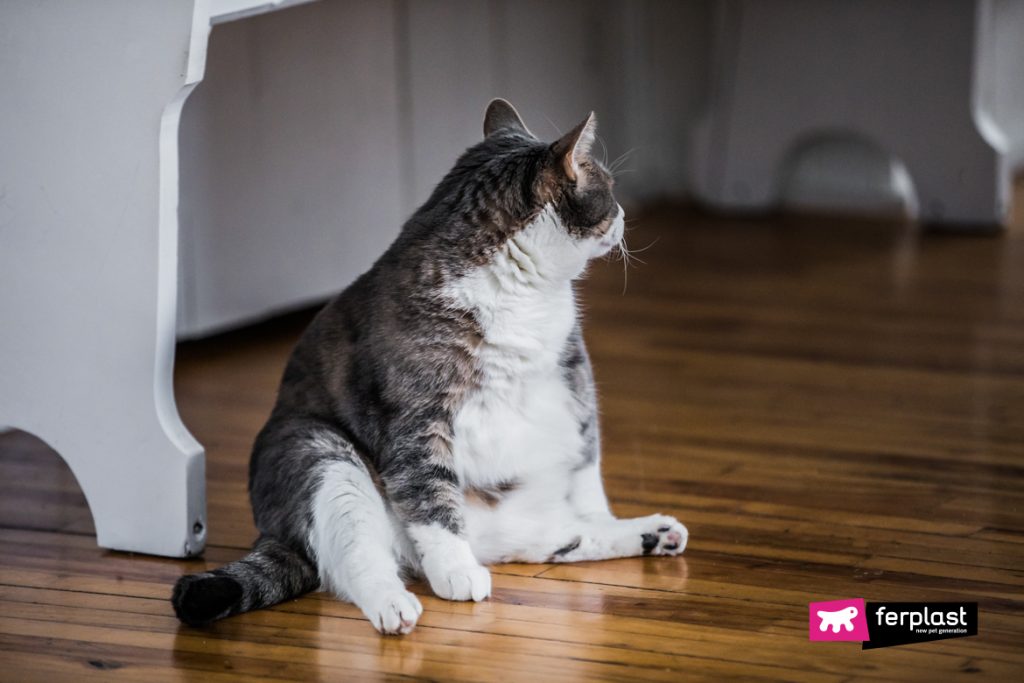
Identifying obesity in cats early is crucial for implementing effective management strategies and preventing associated health complications. Pet owners who understand the physical and behavioral indicators of excess weight can better monitor their feline companions and seek veterinary guidance when necessary. Recognizing these signs ensures timely intervention, promoting a healthier and happier life for cats of all ages.
Obesity in cats often develops gradually, making early detection challenging without attentive observation. The following guidelines detail physical and behavioral signs, along with visual assessment methods designed to help owners accurately evaluate their cat’s body condition. Regular monitoring not only aids in maintaining the optimal weight but also enhances the overall wellbeing of the feline.
Physical Indicators of Overweight Cats
Physical signs of obesity in cats are typically visible through changes in body shape and fat distribution. These indicators include:
- Rounded or sagging abdomen: An overweight cat usually exhibits a noticeably rounded abdomen that may hang or sag, especially when viewed from the side or top.
- Limited waistline definition: When looking down from above, a healthy cat has a visible waist narrowing behind the ribs. In obese cats, this waistline is often absent, and the body appears uniformly broad.
- Increased fat deposits: Excess fat may be palpable around the hips, thighs, and neck region, forming noticeable deposits that feel soft and doughy.
- Reduced muscle tone: Obese cats tend to have a softer, less firm muscle feel, with fat overshadowing muscle definition.
- Difficulty feeling the ribs: A quick check involves gently pressing along the sides of the chest to determine if the ribs can be felt easily. In overweight cats, ribs are often obscured by fat layers.
Behavioral Signs of Obesity in Cats
Alongside physical changes, behavioral patterns can also reflect weight issues. Recognizing these behaviors can be instrumental in early detection:
- Decreased activity levels: Overweight cats may be less inclined to engage in play or exercise, preferring lounging or sleeping for extended periods.
- Reduced agility: Excess weight can impair a cat’s ability to jump, climb, or navigate stairs comfortably.
- Altered grooming habits: Overweight cats often have difficulty reaching certain areas, leading to poor grooming and potential skin issues.
- Eating habits: Some obese cats display overeating or insatiable appetites, which can contribute to weight gain. Conversely, others may eat less due to discomfort during feeding.
- Breathing difficulties: Excess fat around the neck and chest can cause labored breathing or respiratory discomfort, especially during exertion.
Visual Description Guide for Assessing Body Condition Score
Evaluating a cat’s body condition score (BCS) provides a standardized method to determine if the cat is within a healthy weight range. The BCS typically ranges from 1 (emaciated) to 9 (obese), with 5 considered ideal. Here is a detailed visual guide:
| Score | Physical Appearance | Palpation |
|---|---|---|
| 1 (Emaciated) | Very visible ribs, pelvic bones, and backbone; no body fat evident; prominent waistline | Ribs and bones feel very prominent, with little to no fatty tissue covering |
| 3 (Underweight) | Ribs are easily felt with minimal fat covering; slight waist narrowing | Ribs palpable with gentle pressure; minimal fat deposits |
| 5 (Ideal) | Waist visible when viewed from above; abdomen tucked; slight fat cover over ribs | Ribs palpable with gentle pressure; soft adipose tissue covering but not obscuring bones |
| 7 (Overweight) | Reduced waist definition; mild fat deposits around abdomen and flanks | Ribs difficult to palpate without applying firm pressure; palpable fat covering |
| 9 (Obese) | Absence of waistline; thick fat deposits over abdomen, sides, and neck; rounded appearance | Ribs obscured by thick fat layer; feel soft and doughy |
Checklist for Pet Owners to Monitor Cat’s Weight Status
Consistency in monitoring your cat’s weight and body condition is vital for early detection of obesity. Use this checklist regularly to keep track of physical and behavioral changes:
- Perform a visual assessment of the body shape from above and the side, noting changes in waistline and abdomen profile.
- Gently palpate the ribs, hips, and backbone to evaluate fat coverage and muscle tone.
- Observe activity levels and interest in play—note any decrease or reluctance to move.
- Monitor grooming habits—look for areas where grooming is deficient or skin issues arise.
- Record any changes in eating habits or appetite patterns.
- Evaluate breathing and responsiveness during activity—look for signs of respiratory distress or fatigue.
- Maintain a weight log, ideally recording your cat’s weight monthly, to identify trends over time.
- Consult your veterinarian if your assessments indicate rising body condition scores or if you notice behavioral changes associated with weight gain.
Nutritional Management to Prevent Obesity
Proper nutritional management is crucial in maintaining a healthy weight in cats. By providing a balanced diet tailored to their specific needs, owners can significantly reduce the risk of obesity and promote overall well-being. Understanding appropriate feeding practices and selecting nutrient-rich, low-calorie foods are fundamental components of effective weight management strategies.
Implementing a structured feeding schedule that emphasizes portion control and meal regularity helps prevent overfeeding and encourages healthy digestion. This approach, combined with carefully selected foods, ensures cats receive essential nutrients without excess calories, supporting their long-term health and preventing weight gain.
Balanced Diet for Maintaining a Healthy Weight
A balanced diet for cats aimed at weight maintenance should include high-quality protein sources, moderate fat levels, and controlled carbohydrate intake. It is important to choose foods formulated specifically for weight management, which typically contain fewer calories while providing sufficient essential nutrients. Consulting with a veterinarian can help determine the appropriate caloric intake tailored to each cat’s age, activity level, and health status.
Dietary supplements, if recommended, should complement the primary diet without adding unnecessary calories. Ensuring adequate hydration through fresh water is also vital for optimal metabolic processes and appetite regulation.
Sample Feeding Schedule Emphasizing Portion Control and Meal Frequency
Establishing a consistent feeding routine is essential in preventing overfeeding and encouraging healthy eating habits. Cats generally thrive on multiple small meals throughout the day, which can help regulate their metabolism and prevent binge feeding. Portion sizes should be carefully measured based on the cat’s ideal weight, age, and activity level.
Tip: Utilizing measuring tools and adhering to veterinarian-recommended caloric guidelines ensures accurate portioning, reducing the risk of accidental overfeeding.
Generally, feeding two to three small meals per day is recommended for weight maintenance. Consistency in timing and portion sizes helps cats develop a routine, which can positively influence their appetite and activity levels.
| Food Type | Portion Size | Frequency | Notes |
|---|---|---|---|
| High-protein, weight-control dry kibble | 20-25 grams per meal | 2 meals/day | Ensure it is formulated for weight management with reduced calories |
| Wet food (low-calorie, nutrient-rich) | 50-70 grams per meal | 1-2 meals/day | Provides hydration and satiety; adjust portion based on caloric needs |
| Healthy treats (as part of daily calorie limit) | 1-2 treats (~5 grams each) | As needed, within daily caloric limits | Choose low-calorie, nutrient-dense treats |
Examples of Low-Calorie, Nutrient-Rich Foods for Weight Management
Incorporating certain foods into a cat’s diet can help promote weight loss or maintenance due to their low-calorie yet nutrient-dense profile. These foods ensure cats receive essential vitamins, minerals, and amino acids without excessive calorie intake.
- Lean meats: Cooked chicken, turkey, or fish, free from skin and bones, are excellent sources of high-quality protein with minimal calories.
- Vegetables: Small amounts of cooked or raw vegetables such as carrots, green beans, or zucchini can provide fiber and micronutrients without significant calories.
- Specialized weight management formulas: Commercially prepared diets formulated for weight control contain optimized nutrient profiles and controlled calorie levels, making them a convenient choice.
Note: Always introduce new foods gradually and consult a veterinarian to ensure they are appropriate and safe for your cat’s specific health needs.
Implementing Effective Exercise and Enrichment

Providing regular physical activity and mental stimulation is essential for maintaining a healthy weight in cats. Indoor cats, in particular, are at a higher risk of becoming sedentary, which can lead to obesity. Creating an environment that encourages movement not only helps control weight but also enhances their overall well-being and quality of life.
Integrating engaging exercise routines and enrichment strategies into your cat’s daily life promotes natural behaviors such as stalking, pouncing, and climbing. These activities burn excess calories and prevent boredom, which can sometimes lead to overeating or destructive behaviors. Tailoring these activities to your cat’s preferences and energy levels ensures they remain motivated and active.
Encouraging Play and Movement in Indoor Cats
Indoor cats often lack sufficient opportunities for spontaneous exercise, making it important for owners to actively facilitate play sessions. Establishing a routine that includes multiple short playtimes throughout the day can significantly increase their activity levels. Using a variety of toys and creating an environment that mimics natural hunting behaviors encourages cats to explore and move more frequently.
Creating a stimulating environment with accessible vertical spaces, hiding spots, and interactive toys can motivate cats to engage in active behaviors. Consistent interaction and positive reinforcement during play help build a strong bond while simultaneously preventing obesity.
Engaging Toys and Activity Routines That Promote Exercise
Providing a diverse selection of toys keeps indoor cats mentally and physically stimulated. Toys that mimic prey, such as feather wands, laser pointers, and moving toys, stimulate natural hunting instincts and promote vigorous activity. Rotating toys regularly keeps them novel and enticing, preventing boredom and encouraging ongoing engagement.
Establishing daily routines that include designated play sessions ensures consistent exercise. Short, frequent playtimes lasting around 10-15 minutes can be more effective than infrequent, longer sessions. Using puzzle feeders or treat-dispensing toys promotes activity while rewarding your cat for movement. Integrating agility and climbing activities, like cat trees or wall-mounted shelves, offers additional outlets for exercise and exploration.
Indoor enrichment strategies are vital for preventing obesity and promoting a stimulating environment that reflects your cat’s natural behaviors.
Indoor Enrichment Strategies
- Install vertical climbing structures such as cat trees or wall shelves to encourage climbing and jumping.
- Use puzzle feeders that challenge your cat to work for treats or meal portions, combining mental stimulation with physical activity.
- Introduce a variety of toys, including feather wands, laser pointers, and moving toys, to keep playtime engaging.
- Designate specific areas for hiding and exploring to stimulate natural stalking and hunting behaviors.
- Rotate toys and enrichment items regularly to maintain novelty and interest.
- Create safe outdoor access via secure patios or window perches to expand environmental stimuli.
- Schedule multiple short play sessions throughout the day to maintain consistent activity levels.
- Encourage interactive play with owner involvement to strengthen bonds and enhance motivation.
Environmental and Lifestyle Modifications

Creating a stimulating and engaging environment for cats plays a crucial role in preventing obesity. By carefully adjusting the home setting and daily routines, pet owners can encourage more activity and reduce sedentary behaviors that contribute to weight gain. These modifications not only promote physical health but also enhance the overall well-being and enrichment of cats.
Implementing thoughtful environmental and lifestyle changes involves designing spaces that naturally motivate movement and providing interactive feeding options. Such strategies ensure cats stay active, mentally engaged, and less prone to overeating due to boredom or stress.
Modifying the Home Environment to Stimulate Activity
Enhancing the home environment with various physical structures and accessible resources encourages cats to move more naturally. Introducing vertical spaces, such as cat trees, shelves, and windowsills, allows cats to perch, climb, and observe their surroundings, which promotes exercise and mental stimulation. Additionally, placing toys and scratching posts in different areas of the house helps prevent boredom and encourages frequent activity.
Ensuring safety is essential when modifying the environment. Avoid sharp edges and unstable furniture that could cause injury. Regularly rotate toys and changing the layout of climbing structures maintains novelty, motivating cats to explore and stay active. Creating cozy hiding spots also reduces stress, indirectly supporting healthier behaviors.
Role of Feeding Stations and Puzzle Feeders in Controlling Intake
Feeding stations and puzzle feeders are effective tools for managing a cat’s food intake while providing mental and physical stimulation. These devices slow down eating, preventing overeating, and make mealtime a rewarding activity that engages the cat’s natural hunting instincts.
Using puzzle feeders involves placing dry or wet food inside a device that requires manipulation or problem-solving to access the food. This method prolongs feeding time, discourages rapid consumption, and reduces the likelihood of weight gain. Strategically positioning these feeders in different areas encourages movement and exploration during feeding sessions.
Proper use of puzzle feeders can decrease the risk of obesity by promoting mindful eating and increasing physical activity associated with food acquisition.
Step-by-Step Guide for Setting Up Stimulating Environments
- Assess the Space: Identify areas in the home that can be transformed into engaging zones without causing clutter or hazards.
- Introduce Vertical Elements: Install sturdy cat trees, shelves, or window perches at varying heights to promote climbing and observation.
- Provide Diverse Toys: Select a range of toys such as feather wands, balls, and interactive electronic devices. Rotate them regularly to maintain interest.
- Designate Feeding Zones: Set up feeding stations and puzzle feeders in different locations to encourage movement during mealtimes.
- Establish Safe Hiding Spots: Create cozy nooks or hideouts that offer comfort and reduce stress, which supports healthier activity levels.
- Limit Sedentary Spaces: Minimize large, unused areas that tempt the cat to rest excessively; instead, fill spaces with stimulating features.
- Encourage Exploration: Regularly change the environment’s layout, introduce new toys, and hide treats to keep the cat curious and active.
Examples of Safe and Healthy Ways to Limit Sedentary Behavior
Limiting sedentary behavior involves incorporating activities that motivate cats to move voluntarily while ensuring their safety and well-being. Providing elevated perches and interactive toys naturally encourages movement, especially when placed at varying heights and distances. Setting aside specific times for play sessions with wand toys or laser pointers can also promote exercise, but care should be taken to avoid overexertion or frustration.
Creating a schedule that includes multiple short play periods throughout the day fosters consistent activity. Additionally, integrating environmental enrichment such as puzzle feeders or hiding treats in different areas stimulates mental engagement and physical movement. Ensuring that all play and enrichment items are non-toxic, stable, and suitable for cats helps prevent injuries and supports safe activity levels.
Regular Monitoring and Veterinary Care
Maintaining an optimal weight for your cat requires consistent oversight and professional health assessments. Regular monitoring allows pet owners to detect subtle changes in weight and activity levels that may indicate emerging health issues, including obesity. Partnering with your veterinarian ensures that your cat’s health is continually evaluated, and necessary interventions are implemented promptly to prevent weight gain from escalating into more serious conditions.Routine veterinary visits play a crucial role in early detection of obesity and associated health concerns.
During these visits, the veterinarian can perform comprehensive health assessments, including physical examinations and diagnostic tests, to identify potential health risks. Establishing a schedule for frequent check-ins helps track your cat’s progress and adjust dietary or activity plans as needed. Implementing proper tools and techniques for tracking weight and activity levels is essential in maintaining a reliable record over time.
Procedures for Routine Weight Checks and Health Assessments
Regular weight checks should be integrated into your routine to monitor your cat’s health status effectively. Use a calibrated digital or mechanical scale designed for small animals to obtain accurate measurements. Place the cat gently on the scale, ensuring the reading stabilizes before recording. For cats that resist standing on a scale, weigh yourself first, then hold your cat and weigh both together, subtracting your weight to determine the cat’s weight.In addition to weighing, physical health assessments should encompass checking the coat condition, muscle tone, and signs of discomfort or lethargy.
Monitoring behavior patterns, appetite, and litter box habits provides valuable insights into your cat’s overall wellness. Maintaining a detailed health journal can assist in recognizing trends or changes that warrant veterinary attention.
Importance of Veterinary Visits in Early Detection and Intervention
Veterinary consultations are essential for identifying early signs of weight issues that may not be evident at home. Veterinarians can perform body condition scoring (BCS), a standardized method to evaluate fat coverage and muscle tone, helping to classify whether your cat is underweight, at a healthy weight, or overweight. Early detection allows for tailored interventions that can prevent the progression to obesity and related health complications such as diabetes, arthritis, or cardiovascular disease.Regular veterinary visits also enable the veterinarian to review dietary intake and activity levels, providing personalized guidance to support weight management.
For example, an overweight cat may benefit from adjusted feeding routines, specialized diets, or targeted exercise programs designed to promote gradual weight loss while maintaining nutritional adequacy.
Sample Schedule for Regular Weigh-Ins and Health Reviews
Establishing a consistent schedule ensures ongoing oversight of your cat’s weight and health status. A typical schedule might include:
- Monthly weight checks: Conducted at home or during veterinary visits, these help track short-term progress and identify any sudden changes.
- Quarterly health assessments: Full physical examinations performed by the veterinarian, including body condition scoring, blood work if necessary, and discussion of diet and activity plans.
- Annual comprehensive check-ups: A thorough health review, including diagnostic tests if indicated, to monitor for age-related or chronic health conditions that can influence weight management.
Tracking tools such as digital scales with memory functions, health logs, or mobile applications designed for pet health can facilitate accurate record-keeping. Using activity trackers or motion sensors can also provide quantitative data on your cat’s activity levels, enhancing the precision of health monitoring efforts.
Tools and Techniques for Tracking Weight and Activity Levels
Effective monitoring depends on reliable tools and consistent techniques. Digital pet scales with precision enough to detect small weight fluctuations are ideal for regular use at home. Incorporating a routine schedule for weighing—such as on the same day each month—improves consistency and data accuracy.Activity levels can be tracked with pet-specific activity monitors or accelerometers that clip onto collars. These devices record movement data and help assess whether your cat maintains adequate activity or shows signs of lethargy.
Combining weight measurements with activity data offers a comprehensive view of your cat’s health status, enabling targeted interventions.Visual records, such as charts or graphs, can be helpful for visualizing trends over time. Regular review of these records during veterinary visits allows for informed decision-making and adjustments to diet, exercise, or environment to support healthy weight maintenance.
Educational Resources and Support

Empowering pet owners with reliable information and ongoing support is essential for effective feline weight management. Access to reputable resources not only enhances understanding but also helps in making informed decisions that promote a healthier lifestyle for cats. Engaging with educational materials and professional guidance can significantly reduce the risk of obesity and its associated health issues.
Utilizing well-curated resources ensures that owners stay updated on best practices, nutritional guidelines, and behavioral strategies. Combining education with community support and professional advice creates a comprehensive approach to preventing cat obesity, ultimately leading to improved feline well-being and longevity.
Reputable Sources for Pet Nutrition and Health Advice
Pet owners should rely on authoritative organizations and established veterinary sources to obtain accurate and up-to-date information regarding feline health and nutrition. These sources often provide guidelines, research findings, and expert opinions that can serve as a trusted foundation for decision-making.
- American Association of Veterinary Nutritionists (AAVN): Offers evidence-based nutritional guidelines and resources for pet owners and veterinarians.
- American Veterinary Medical Association (AVMA): Provides comprehensive information on pet health, wellness, and preventive care.
- World Small Animal Veterinary Association (WSAVA): Features global standards for pet nutrition and health practices, including detailed guidelines on weight management.
- PetMD and VetStreet: Reliable online platforms with articles authored by licensed veterinarians covering a broad range of pet health topics, including obesity prevention.
- Local Veterinary Clinics and Universities: Many offer free resources, workshops, and personalized advice tailored to specific pet needs.
Tips for Educating Oneself on Feline Weight Management
Continuous education is vital for maintaining a proactive approach to feline health. Pet owners can enhance their knowledge by engaging with multiple learning avenues and staying informed about the latest research and recommendations.
- Subscribe to reputable veterinary newsletters and journals that publish updates on feline health and nutrition.
- Attend workshops, seminars, or webinars hosted by veterinary professionals focusing on pet diet and behavior management.
- Join online forums and social media groups dedicated to pet health, where experienced owners and veterinarians share insights and practical tips.
- Read authoritative books authored by veterinary nutritionists and feline behaviorists to deepen understanding of feline needs.
- Develop a habit of consulting veterinary professionals before making significant changes to diet or exercise routines.
Collection of Visual Aids and Infographics
Visual aids are invaluable for illustrating healthy habits and fostering better understanding of feline weight management. Well-designed infographics can effectively communicate key concepts, such as portion control, exercise routines, and environmental enrichment, making them accessible for pet owners of all experience levels.
- Portion Control Charts: Graphical representations showing appropriate serving sizes based on cat age, weight, and activity level, helping owners avoid overfeeding.
- Exercise and Enrichment Infographics: Visual guides outlining simple activities and toys that promote physical activity and mental stimulation, tailored for indoor cats.
- Healthy Habits Flowcharts: Step-by-step illustrations of daily routines that incorporate feeding schedules, playtime, environmental adjustments, and veterinary check-ups.
- Comparison Images: Side-by-side photos demonstrating ideal body condition versus overweight cats, aiding owners in identifying early signs of obesity.
Distributing and displaying these visual aids in homes and clinics can reinforce positive behaviors and serve as quick reference tools for ongoing management.
Recommendations for Professional Consultation and Weight Management Programs
Professional veterinary support is crucial for creating personalized, effective weight management strategies. Regular consultations enable veterinarians to assess a cat’s health status, adjust dietary plans, and recommend suitable exercise routines. Specialized programs can include structured weight loss plans, behavioral counseling, and nutritional supplements if necessary.
- Schedule routine veterinary examinations to monitor weight and overall health, especially for cats at risk of obesity.
- Participate in veterinary-led weight management programs that include customized diet plans, progress tracking, and behavioral modifications.
- Seek referrals to veterinary nutritionists or feline specialists for complex cases or when initial strategies are ineffective.
- Utilize veterinary clinics that offer weight management packages, which often include nutritional counseling, exercise plans, and follow-up support.
- Consider joining pet wellness programs or support groups that provide ongoing motivation, accountability, and education for maintaining a healthy weight.
Engaging with qualified professionals ensures that weight management efforts are safe, effective, and tailored to each cat’s individual needs, supporting long-term health and happiness.
Conclusive Thoughts
In summary, preventing cat obesity requires a holistic approach that combines proper diet, engaging activities, environmental modifications, and routine health monitoring. By implementing these practices, you can ensure your feline companion remains healthy, happy, and energetic for years to come.