Recognizing when a cat is unwell is essential for ensuring prompt care and maintaining their well-being. Understanding the subtle signs and behavioral cues can make a significant difference in detecting health issues early. This knowledge empowers pet owners to act swiftly, potentially saving their feline friends from serious complications.
In this guide, we will explore the key physical signs, behavioral indicators, and examination techniques that help identify a sick cat. By understanding these elements, you can better monitor your pet’s health and know when to seek veterinary assistance, ensuring they remain happy and healthy.
Signs and Symptoms of an Ill Cat

Recognizing the early signs of illness in cats is crucial for timely intervention and appropriate veterinary care. Cats are known for their independent nature, which can sometimes mask their discomfort or health issues. Understanding the physical and behavioral indicators of illness can help owners identify when their feline companion needs medical attention promptly.
Physical and behavioral changes often serve as the first clues that a cat may be unwell. These signs can manifest subtly or overtly, and awareness of these symptoms enables owners to respond swiftly, potentially saving their pet’s life or preventing more severe health complications.
Physical Signs Indicating a Sick Cat
Physical signs are often observable measures that suggest underlying health problems. Changes in appetite, lethargy, or abnormal posture are among the most common indicators of illness in cats.
| Symptom | Description | Severity Level | Suggested Action |
|---|---|---|---|
| Changes in Appetite | Loss of interest in food or sudden increase in eating habits, including refusal to eat or overeating, which can indicate gastrointestinal issues, pain, or systemic illness. | Variable; often moderate to severe if prolonged | Monitor over 24 hours; consult a veterinarian if no appetite persists beyond 24-48 hours. |
| Lethargy | Reduced activity levels, sleeping more than usual, or appearing weak and tired, often signaling infection, pain, or metabolic disturbances. | Moderate to severe depending on duration and intensity | Seek veterinary advice if lethargy is persistent or accompanied by other symptoms. |
| Abnormal Posture | Stiffness, hiding, or sitting in unusual positions, which may indicate pain, injury, or neurological issues. | Moderate to severe | Immediate veterinary consultation is recommended for abnormal postures, especially if accompanied by other signs. |
| Observable Symptoms | Vomiting, diarrhea, or respiratory issues such as coughing or sneezing, which can be signs of infections, poisoning, or chronic conditions. | Variable; can be critical depending on severity and duration | Assess the severity; seek veterinary care if symptoms are persistent, severe, or worsening. |
Behavioral Changes Signaling Illness
Behavioral alterations are often subtle but can be telling indicators of health problems. Noticing these shifts early can lead to prompt diagnosis and treatment, improving outcomes for affected cats.
- Hiding: An increase in hiding behavior may suggest pain, fear, or discomfort. Cats instinctively hide when unwell as a survival mechanism, but excessive hiding warrants concern.
- Excessive Grooming: Over-grooming can lead to skin irritation or hair loss, often associated with stress, skin conditions, or internal illnesses.
- Aggression or Withdrawal: Sudden aggression or withdrawal from social interaction can indicate pain, neurological issues, or discomfort.
- Altered Activity Levels: Either increased restlessness or decreased activity levels compared to normal behavior can be indicative of underlying health concerns.
Important: Any sudden or persistent behavioral change in a cat should prompt a veterinary evaluation to determine potential health issues early.
Behavioral Indicators of Illness in Cats
Recognizing subtle behavioral changes in cats can be a vital step in early illness detection. Cats are known for their independent nature, often hiding discomfort or pain, which makes vigilant observation crucial. Slight shifts in activity levels or vocalization patterns may serve as early warning signs of health issues, often appearing before more obvious physical symptoms manifest. Understanding and monitoring these behavioral indicators allows pet owners and caregivers to seek prompt veterinary assistance, potentially improving treatment outcomes and ensuring the comfort and well-being of the feline companion.
Distinguishing normal behavioral variations from signs of sickness involves attentive observation and familiarity with each individual cat’s typical routines. While some cats are naturally more vocal or active than others, any significant deviation from their usual behavior warrants closer inspection. Consistent monitoring of daily activity patterns, vocalizations, and interactions can help identify emerging health concerns early. Documenting these behaviors over time enables owners to detect subtle changes and communicate more effectively with veterinary professionals, facilitating timely diagnosis and intervention.
Behavioral Changes Indicative of Illness in Cats
Behavioral changes in cats can often be the first clues indicating underlying health problems. Recognizing these signs requires an understanding of what constitutes normal behavior for each cat, as well as vigilance in noting deviations. Below are common behavioral shifts associated with illness, along with brief explanations of their significance:
- Decreased Activity or Lethargy: A noticeable reduction in playfulness, exploration, or movement may indicate discomfort, pain, or systemic illness such as infections, anemia, or metabolic disorders.
- Altered Vocalization: Increased vocalizations, such as meowing or yowling, can suggest distress, pain, or anxiety. Conversely, a sudden decrease in vocalization might indicate depression or extreme fatigue.
- Hiding or Withdrawal: Spending more time secluded in hiding places, avoiding human interaction, or reluctance to be touched often signifies illness, pain, or feeling unwell.
- Changes in Grooming Habits: Over-grooming can lead to hair loss and skin irritation, while neglecting grooming may result in a dirty, matted coat, both signs of discomfort or illness.
- Altered Eating or Drinking Patterns: Reduced or increased appetite, or changes in water consumption, can be early indicators of underlying issues such as gastrointestinal problems, dental disease, or kidney dysfunction.
- Unusual Aggression or Irritability: Increased irritability or aggression may stem from pain or neurological issues, necessitating prompt veterinary assessment.
Effective monitoring involves observing these behaviors consistently and noting any deviations from the individual cat’s norm. Keeping a daily log of activity levels, vocalization intensity, grooming habits, and eating patterns can help identify trends and subtle changes that may otherwise go unnoticed. For example, a normally active cat becoming increasingly lethargic over a few days warrants veterinary consultation. Similarly, a sudden decrease in vocalization combined with hiding could be indicative of illness requiring immediate attention.
Regular observation and documentation are essential in differentiating normal variations from concerning behavioral signs, enabling timely intervention and better health outcomes.
Physical Examination Techniques

Conducting a thorough physical examination of a cat at home is essential for early detection of illness and monitoring your pet’s health. A methodical approach ensures safety for both the cat and the owner while providing valuable insights into the animal’s well-being. By mastering these techniques, pet owners can identify subtle signs of distress or discomfort that may otherwise go unnoticed.
This section Artikels step-by-step procedures to perform a safe and effective physical checkup, focusing on key areas such as eyes, ears, coat, paws, and overall body condition. Additionally, it explains how to assess hydration status and measure body temperature, which are critical indicators of health. A structured checklist is included to help organize your examination process and record observations systematically.
Step-by-Step Home Physical Exam Procedures
Performing a gentle, systematic inspection of your cat involves respecting their comfort and minimizing stress. Follow these steps to conduct a comprehensive home examination:
- Choose a calm, quiet environment where your cat feels secure. Ensure your hands are clean and warm to avoid causing discomfort.
- Start by observing your cat from a distance. Look for signs of discomfort, unusual posture, or abnormal movements before approaching for a tactile examination.
- Gently lift or part the fur to inspect the skin for signs of lesions, swelling, or parasites. Check if the coat appears dull, matted, or excessively greasy.
- Inspect the eyes by softly holding the head and observing the pupils, sclera, and conjunctiva. Look for redness, discharge, cloudiness, or pawing at the eyes.
- Examine the ears by lifting them carefully. Check for redness, swelling, wax buildup, or foul odor. Gently clean with a vet-approved solution if needed.
- Run your fingers over the coat and skin to feel for lumps, bumps, or sensitivities. Note any areas of hair loss or abnormal masses.
- Check the paws by gently squeezing each toe to assess for swelling or pain. Look between toes for debris, thorns, or infections. Examine the claws for overgrowth or injury.
- Palpate the abdomen carefully for signs of pain or distension. Avoid excessive pressure but feel for unusual firmness or lumps.
- Assess hydration status by gently pinching the skin at the back of the neck or between the shoulder blades. Observe how quickly it returns to normal; a slow return suggests dehydration.
- Measure body temperature using a digital or rectal thermometer designed for pets. Lubricate the tip with water-based lubricant, gently insert it into the rectum about 1-2 inches, and wait for the reading. Normal temperature ranges from approximately 100.5°F to 102.5°F.
Health Examination Checklist
To streamline the physical examination process and ensure all key areas are reviewed, use the following checklist. Documenting observations can be invaluable for tracking your cat’s health over time or sharing information with your veterinarian.
| Examination Area | Notes |
|---|---|
| Eyes | |
| Ears | |
| Coat & Skin | |
| Paws & Claws | |
| Abdomen & Body Condition | |
| Hydration Status | |
| Temperature |
Note: Always handle your cat gently during examinations, observing for signs of stress or pain. If any abnormal findings are detected, consult your veterinarian promptly for a thorough assessment and appropriate treatment.
Common Diseases and Their Symptoms

Recognizing common feline diseases and understanding their associated symptoms is vital for early intervention and effective treatment. While some illnesses may present with subtle signs, others can rapidly progress to severe health issues if left unnoticed. Familiarity with prevalent conditions such as upper respiratory infections, flea infestations, and dental diseases enables pet owners and caregivers to distinguish between minor inconveniences and serious health concerns, ensuring prompt veterinary attention when necessary.
Below, we explore the most common feline ailments, their typical symptoms, and ways to differentiate between benign issues and potentially life-threatening conditions. Having this knowledge empowers responsible pet ownership and promotes the well-being of your feline companions.
Upper Respiratory Infections (URIs)
Upper respiratory infections are widespread in cats, especially in multi-cat environments or shelters. These infections can be caused by viruses such as feline herpesvirus or calicivirus, and bacterial agents. Recognizing early signs can prevent complications and reduce transmission.
- Sneezing and nasal congestion
- Watery or squinting eyes
- Runny nose with discharge (clear, cloudy, or colored)
- Fever and lethargy
- Decreased appetite
Flea Infestations
Fleas are common external parasites affecting cats worldwide. Infestations can cause discomfort and lead to more serious health issues such as anemia or allergic dermatitis if not addressed promptly.
- Intense itching and scratching, especially around the neck and tail base
- Visible fleas or flea dirt (dark specks) on the skin and fur
- Hair loss or scabbing, particularly in localized areas
- Skin redness or inflammation
- Signs of anemia, such as pale gums or weakness, in severe cases
Dental Disease
Dental issues are prevalent in cats, often progressing silently until they cause significant pain or systemic health problems. Regular dental checks help in early detection and management.
- Bad breath (halitosis)
- Excessive drooling or pawing at the mouth
- Difficulty eating or dropping food from the mouth
- Red, swollen, or bleeding gums
- Presence of tartar buildup or loose teeth
Comparison Table of Symptoms and Common Illnesses
| Symptom | Upper Respiratory Infection | Flea Infestation | Dental Disease |
|---|---|---|---|
| Sneezing or nasal discharge | Yes | No | No |
| Itching or scratching | No | Yes | Possible (from discomfort) |
| Bad breath | No | No | Yes |
| Hair loss or skin irritation | No | Yes | No |
| Decreased appetite or lethargy | Yes | Possible (secondary to discomfort) | Possible (if pain is severe) |
Distinguishing between minor symptoms like temporary sneezing or itching and signs of serious illness such as persistent weight loss, severe lethargy, or uncontrolled bleeding is essential. When in doubt, consulting a veterinarian ensures proper diagnosis and treatment, safeguarding your cat’s health and comfort.
When to Seek Veterinary Care
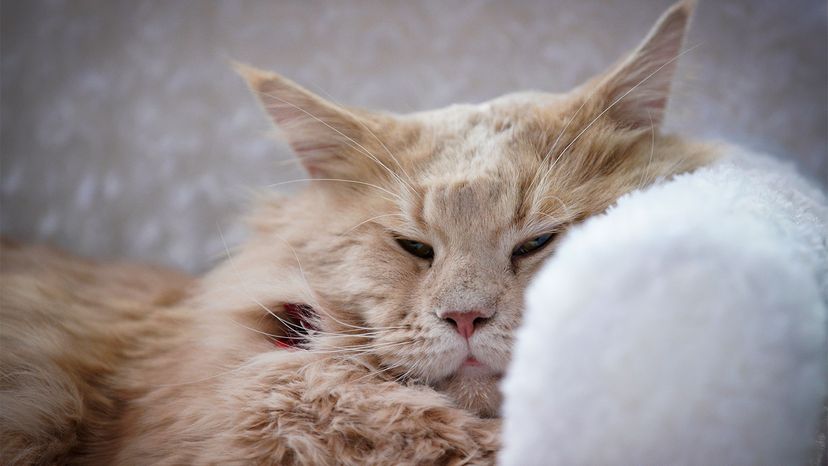
Recognizing the appropriate time to seek veterinary attention for your cat is crucial for ensuring prompt treatment and preventing potential complications. Differentiating between urgent issues and routine health concerns allows pet owners to respond effectively, minimizing distress for both the cat and themselves. Understanding these indicators helps maintain your feline’s well-being and promotes a healthier life.
Timely veterinary intervention can be the difference between a minor health issue and a life-threatening condition. It is essential to evaluate the severity of symptoms, the duration of the problem, and the overall behavior and physical state of your cat to determine the urgency of the situation. Knowing when to act swiftly ensures your feline receives the necessary care without unnecessary delays.
Criteria for Urgent Versus Routine Health Issues
Distinguishing urgent health issues from routine concerns involves assessing specific symptoms and behavioral changes. While some health problems can wait for scheduled appointments, others require immediate attention to prevent deterioration or serious complications. Recognizing these differences helps in making informed decisions and communicating effectively with veterinary professionals.
- Urgent issues: Sudden onset of severe symptoms such as difficulty breathing, unresponsiveness, severe bleeding, persistent vomiting or diarrhea, inability to urinate or defecate, or signs of pain or distress. Examples include trauma from accidents, poisoning, or severe infections.
- Routine concerns: Mild or chronic symptoms like minor weight fluctuations, occasional grooming issues, or mild skin irritations that do not affect the cat’s overall health or safety. These can typically be addressed during regular veterinary visits.
Guidelines for Preparing Information for the Veterinarian
Providing comprehensive and clear information to your veterinarian enhances diagnosis accuracy and treatment effectiveness. Preparing relevant details beforehand ensures a smooth consultation process, especially in emergency situations where time is critical. Organized information also helps the veterinarian understand the history and context of your cat’s condition.
Include specific details such as the onset and duration of symptoms, changes in behavior, feeding and activity patterns, recent exposures to toxins or new environments, and any previous health issues or medications.
- Note the timeline of symptom development, including when they first appeared and any progression.
- Describe changes in appetite, drinking habits, energy levels, and elimination patterns.
- Record any recent incidents, such as accidents, exposure to other animals, or ingestion of potentially toxic substances.
- Bring along previous health records, vaccination history, and current medication details if available.
Step-by-Step Procedure for Arranging Emergency Care
Acting swiftly and efficiently during an emergency ensures your cat receives prompt medical attention. Following a structured approach minimizes stress and guarantees that the veterinarian has all necessary information to provide optimal care.
- Assess the situation: Determine the severity of the symptoms using the criteria Artikeld earlier. If symptoms are severe or worsening, proceed to emergency care.
- Contact the veterinary clinic or emergency hospital: Call ahead to inform them of the situation. Provide a brief overview of the symptoms, your location, and any relevant history.
- Prepare your cat and environment: Keep your cat calm and in a safe, comfortable space. Gather all relevant medical records, notes on symptoms, and contact information.
- Communicate clearly with the veterinary staff: Describe the symptoms accurately, including onset, duration, and any changes observed. Mention any potential toxins or hazards involved.
- Follow instructions: The veterinary team may provide guidance over the phone or advise immediate arrival. Implement any pre-arrival instructions they give.
Responsive Symptom Urgency Table
| Symptoms | Urgency Level | Recommended Action | Contact Info |
|---|---|---|---|
| Breathing difficulty, collapse, or unresponsiveness | High Urgency | Immediate veterinary emergency; call and go directly to the clinic | Emergency Vet Hospital: (555) 123-4567 | Severe bleeding or trauma | High Urgency | Seek urgent care immediately; apply pressure if possible to control bleeding | Emergency Vet Hospital: (555) 123-4567 |
| Persistent vomiting or diarrhea lasting over 24 hours | Moderate to High Urgency | Contact your veterinarian promptly for advice or urgent visit | Vet Clinic: (555) 987-6543 |
| Inability to urinate or defecate, or signs of pain | Moderate Urgency | Schedule an urgent appointment, especially if symptoms worsen | Vet Clinic: (555) 987-6543 |
| Mild lethargy, minor injuries, or behavioral changes | Routine | Monitor and schedule regular veterinary check-up if persistent | Regular Vet: (555) 321-4321 |
Last Word
Being attentive to the signs of illness in cats allows for timely intervention, which can greatly improve recovery outcomes. Regular monitoring, combined with a keen eye for changes in behavior or physical condition, helps ensure your feline companion stays in optimal health. Remember, early recognition is the first step to providing the best care possible.