Learning how to use a flea comb on a cat is essential for maintaining your pet’s health and comfort. Proper grooming not only helps in detecting and removing fleas and their eggs but also promotes a calm and trusting bond between you and your feline companion. Understanding the best techniques and preparation steps ensures that the process is safe, efficient, and stress-free for both pet and owner.
This guide provides comprehensive instructions on selecting the right flea comb, preparing your cat for grooming, executing effective combing techniques, and maintaining hygiene after use. Additionally, it offers valuable tips on integrating regular flea control routines to keep your cat flea-free and healthy.
Introduction to using a flea comb on cats
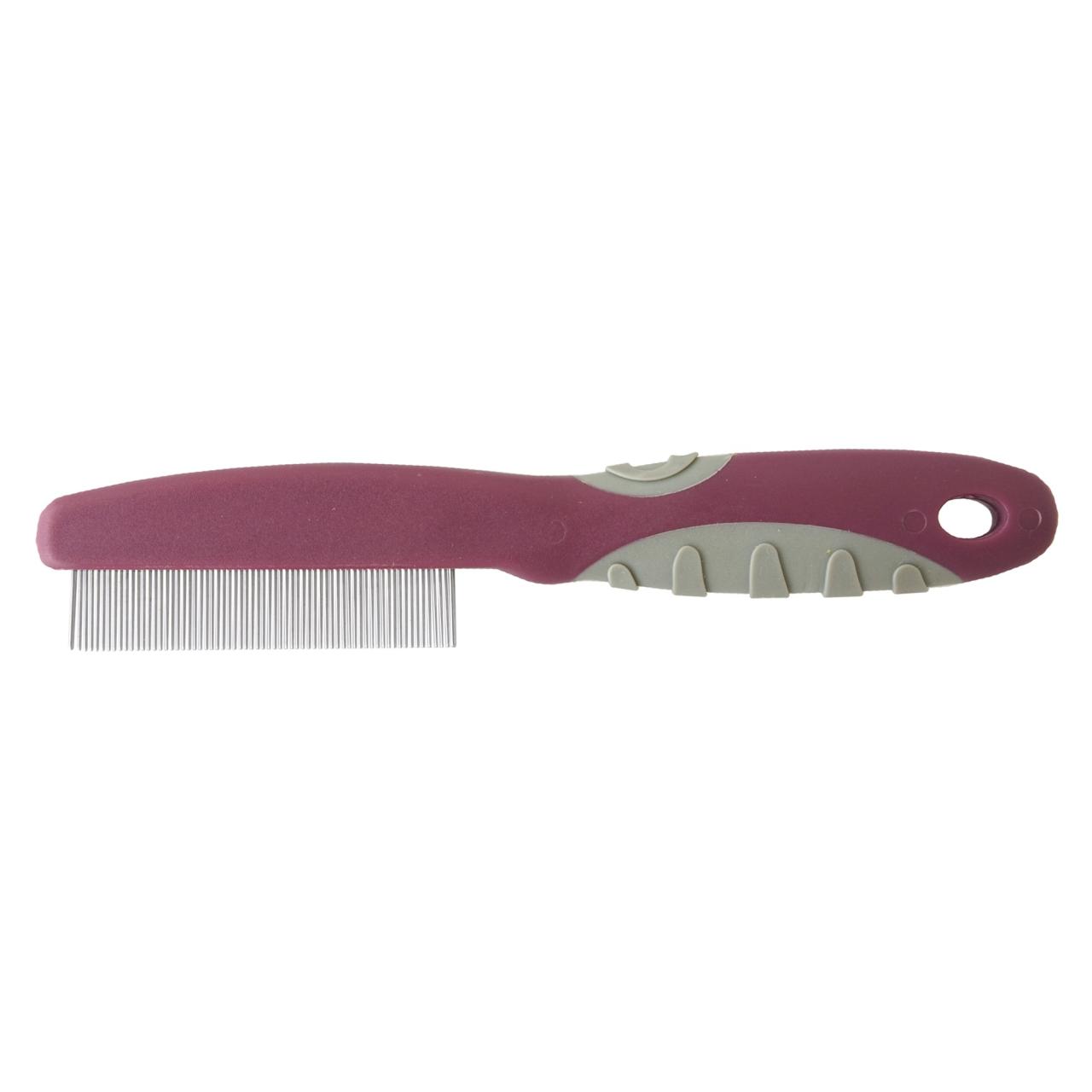
Using a flea comb on cats is an essential grooming practice that helps maintain your pet’s health and comfort. The primary purpose of a flea comb is to detect and remove fleas, flea eggs, and larvae from your cat’s fur, preventing infestations from escalating and ensuring your feline friend remains free from itchy bites and skin irritations. Regular use of this grooming tool can also serve as an early warning system for potential skin problems or external parasites, enabling prompt intervention.
The benefits of employing a flea comb extend beyond mere parasite control. It provides an opportunity for bonding with your cat during grooming sessions, promotes better coat health by removing loose fur and debris, and allows for close inspection of the skin to identify any abnormalities such as redness, wounds, or signs of skin infections. This routine grooming is particularly necessary during peak flea seasons, after outdoor excursions, or if your cat has exhibited signs of scratching, hair loss, or irritability.
Implementing a consistent flea combing schedule can significantly improve your cat’s overall well-being and comfort.
Safety precautions before using a flea comb on cats
Prior to beginning the grooming process, it is crucial to ensure both your safety and your cat’s comfort. Proper precautions help prevent stress, injury, or unintended harm during the procedure. First, always choose a high-quality flea comb with fine, sturdy teeth designed specifically for cats, which minimizes discomfort and maximizes efficiency in removing parasites.
It is advisable to perform the grooming in a well-lit, calm environment free from loud noises or sudden movements that could startle your cat. Handling your pet gently and patiently is vital, especially if your cat is unfamiliar with grooming routines. Using a soothing voice and offering treats can help create a positive association with the process. Additionally, inspect your cat’s coat beforehand to identify any skin conditions or wounds that might require professional veterinary attention before further combing.
If your cat has sensitive skin, skin infections, or open wounds, consult your veterinarian prior to using a flea comb to determine the safest approach. Keep a container of warm, soapy water nearby to immediately rinse the comb after use, preventing parasite transfer between sessions.
Preparing to use a flea comb on a cat
Proper preparation is essential for an effective and stress-free flea combing session. Ensuring that both the cat and the grooming environment are ready will facilitate thorough grooming and enhance the overall experience for your feline companion. This stage involves selecting the right tools, gathering necessary supplies, and creating a calm setting conducive to grooming success.
By taking these initial steps, you can minimize discomfort for your cat and ensure that the process is efficient and effective in removing fleas and their eggs.
Selecting the Appropriate Flea Comb
Choosing the right flea comb is fundamental to effective grooming. The material, size, and teeth spacing of the comb influence its ability to trap fleas and ease the grooming process. A well-chosen comb will glide smoothly through the fur, minimizing discomfort and increasing efficiency.
- Material: Metal combs are generally preferred over plastic because they are durable, easier to clean, and often have sharper teeth that trap fleas effectively. Look for stainless steel options, which resist rust and can withstand frequent cleaning.
- Size: The size of the comb should be appropriate for your cat’s size and coat length. For short-haired cats, a fine-toothed comb with smaller, closely spaced teeth works best. For long-haired cats, a comb with slightly wider teeth helps detangle the fur before flea removal.
- Teeth Spacing: Flea combs typically have fine, closely spaced teeth measuring approximately 0.2 to 0.3 mm apart. This spacing is ideal for catching fleas, flea eggs, and debris without causing discomfort to the cat’s skin.
Tools and Supplies Needed
Gathering the appropriate tools and supplies ensures the grooming process proceeds smoothly. These items help manage your cat and maintain cleanliness during and after combing.
- Flea Comb: The primary tool for removing fleas and eggs.
- Treats: Small, tasty snacks to reward your cat and create a positive association with grooming sessions.
- Gloves: Disposable or washable gloves to protect your hands and maintain hygiene while handling flea-infested fur.
- Cleaning Cloth or Paper Towels: For wiping the comb after each pass and cleaning any debris or fleas trapped.
- Disinfectant or Hot Water: For cleaning the flea comb after use, preventing re-infestation.
Calming and Restraining Methods
Creating a calm environment and gently restraining your cat are vital for a successful grooming session. Approaching the task with patience will reduce stress and encourage cooperation.
- Calming Techniques: Use soft voices, gentle petting, and familiar scents to soothe your cat before commencing grooming. Playing calming music or offering a cozy resting spot can also help relax your feline friend.
- Restraint Strategies: Wrap your cat in a soft towel or blanket, leaving the head exposed, to prevent scratching and struggling. Alternatively, gently holding the cat against your body or using a grooming restraint designed for cats can provide control without causing distress.
- Timing: Choose a time when your cat is naturally relaxed or after playtime when they are more subdued. Short, frequent sessions are preferable to lengthy grooming, minimizing stress.
Environmental Conditions for Effective Combings
Creating an ideal grooming environment enhances the effectiveness of flea combing while reducing stress for your cat. A comfortable, quiet, and well-lit space ensures focus and calmness during the process.
- Lighting: Use bright, natural or soft artificial light to see fleas and eggs clearly, making the process more efficient.
- Temperature: Ensure the room is warm but not overheated, as cold environments can cause discomfort, while extreme heat may make the fur less manageable.
- Minimize Distractions: Keep noise levels low and eliminate sudden movements or loud sounds that could startle your cat.
- Surface: Perform grooming on a non-slip surface such as a padded table or a soft mat to prevent slipping and ensure stability during combing.
Step-by-step Procedure for Flea Combing
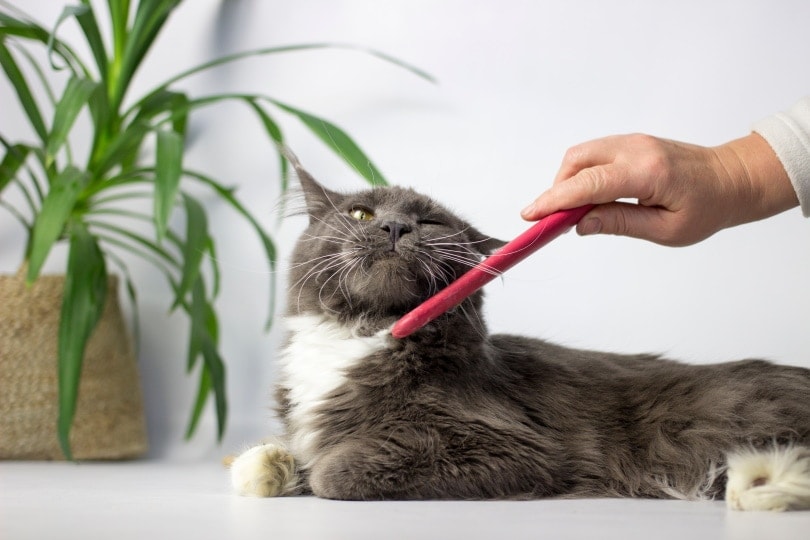
Performing a thorough flea combing session on your cat requires a systematic approach to ensure all fleas and eggs are effectively removed. Organizing the process into clear, sequential actions helps maximize efficiency and comfort for your feline companion. Proper technique not only removes pests but also provides an opportunity to monitor your cat’s skin health and spot potential issues early.
Following a structured procedure ensures comprehensive coverage of your cat’s fur, especially in areas prone to flea infestation. It also minimizes stress for both you and your cat, making the grooming process safer and more effective.
Part the Fur and Systematically Comb from Head to Tail
Begin by gently parting your cat’s fur with your fingers or a fine-toothed comb to expose the skin. Carefully work through the fur in small sections, ensuring no area is overlooked. Starting at the head, gradually move along the body towards the tail. This method allows for a thorough inspection and removal of fleas and eggs that may be hiding close to the skin.
It’s essential to maintain a gentle but firm grip while combing to prevent discomfort or pulling on the fur. Regularly wipe the comb on a moist paper towel or rinse it in soapy water to remove captured fleas and eggs, preventing reinfestation. Pay close attention to common flea hotspots such as the neck, base of the tail, and inner thighs, which are favored sites for fleas to hide.
Techniques to Identify and Remove Fleas and Eggs
Effective flea combing involves recognizing fleas and eggs during the grooming process. Fleas are small, dark, quick-moving insects that can be difficult to spot, especially on long-haired cats. Eggs are tiny, white, oval-shaped, and often adhere to the fur or fall onto the grooming surface.
Using a fine-toothed flea comb allows you to trap fleas and eggs, which can then be discarded safely. Look for movement or for small black specks, which are flea dirt—flea feces that turn reddish-brown when moistened.
As you comb, regularly check the teeth of the comb for any fleas or eggs. If you find fleas, drown them in soapy water to prevent them from escaping. Removing fleas and eggs promptly helps break their life cycle and reduces the risk of re-infestation.
Handling Resistant or Anxious Cats During Grooming
Some cats may resist flea combing due to discomfort, stress, or anxiety. It is important to approach grooming with patience and gentle techniques to maintain a positive experience. Use a calm voice and slow, deliberate movements to reassure your cat throughout the process.
If your cat becomes anxious or resistant, take short breaks to allow them to relax. Offering treats or toys before and after grooming can help create a positive association. For particularly sensitive or aggressive cats, consider enlisting the help of a professional groomer or veterinarian to perform the procedure safely.
| Combing Technique | Tip | Best For | Additional Advice |
|---|---|---|---|
| Gentle Short Strokes | Use light, consistent pressure to avoid discomfort. | Long-haired or sensitive cats | Start from the head and work towards the tail in small sections. |
| Parting Fur | Carefully separate fur to expose the skin surface. | Areas with thick or matted fur | Use your fingers to lift fur and avoid pulling. |
| Focused Spot Combing | Concentrate on hotspots like the neck, base of tail, and inner thighs. | Detection of fleas in common infestation sites | Repeat in these areas for thorough inspection. |
| Rinsing the Comb | Clean the comb frequently in soapy water to remove fleas and dirt. | Maintaining hygiene and preventing reinfestation | Have a bowl of warm, soapy water nearby for quick cleaning. |
Post-combing care and hygiene
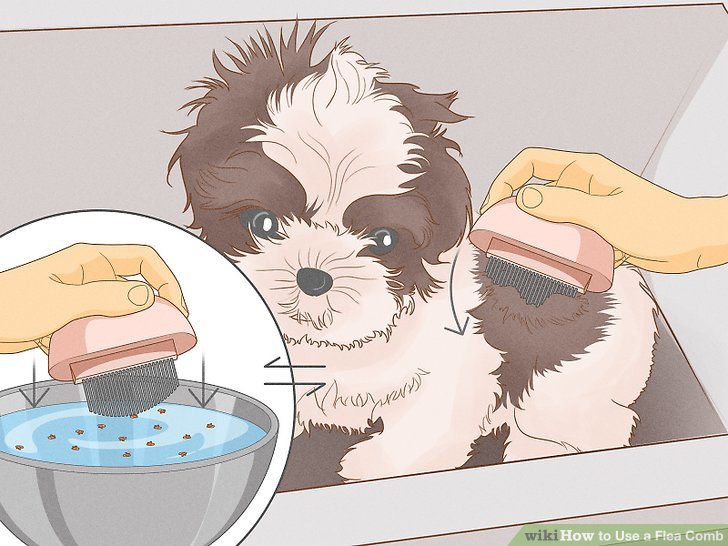
After completing the flea combing session, it is essential to follow proper post-combing procedures to ensure your cat’s comfort, hygiene, and ongoing flea control. This phase helps prevent re-infestation and maintains a clean environment for your feline friend. Proper handling of the flea comb and attentive care can significantly improve the effectiveness of flea management and contribute to your cat’s overall well-being.Effective post-combing care involves carefully removing fleas and eggs from the comb, disinfecting the tool to prevent the spread of parasites, rewarding your cat to reinforce positive behavior, and monitoring for signs of successful flea elimination.
Implementing these steps ensures a thorough clean-up process and supports a calm, stress-free environment for your pet.
Safely removing fleas and eggs from the comb
The first priority after flea combing is to eliminate any fleas, flea eggs, and debris trapped in the comb. This prevents reinfestation and reduces the risk of fleas spreading to other areas of your home. Begin by wearing gloves to protect yourself from potential flea bites or contact with flea debris. Over a disposable tissue or paper towel, carefully brush the comb to dislodge the captured fleas and eggs.
Submerge the comb in a small container filled with hot, soapy water or a disinfectant solution approved for pet grooming tools—such as a mixture of water and a few drops of disinfectant or a commercial pet-safe disinfectant. Swirl the comb around to loosen and kill any remaining parasites. For added assurance, you may use a fine-toothed comb dipped in an alcohol-based disinfectant, which helps eradicate fleas and eggs effectively.Once cleaned, discard the contents of the tissue or towel into a sealed plastic bag and dispose of it safely to prevent fleas from escaping into your environment.
This thorough removal process is crucial for maintaining hygiene and preventing future infestations.
Cleaning and disinfecting procedures for the flea comb after use
Maintaining your flea comb in a clean state is vital to prevent reintroduction of fleas and to preserve its effectiveness for future use. Proper cleaning involves several steps:
- Rinse the comb thoroughly with hot water immediately after use to remove loose debris and eggs.
- Soak the comb in a disinfectant solution suitable for pet grooming tools, such as a diluted bleach solution (one part bleach to ten parts water) or a commercial disinfectant designed for pet equipment. Ensure the solution covers all surfaces of the comb.
- Allow the comb to soak for at least 10 minutes, then rinse thoroughly with hot water to remove any residual disinfectant.
- Dry the comb completely with a clean towel or allow it to air dry in a well-ventilated area. Ensuring the comb is dry helps prevent rust or bacterial growth.
Regular cleaning of the flea comb after each grooming session not only prolongs its lifespan but also reduces the risk of parasite transmission. Store the comb in a clean, dry container or designated grooming kit to keep it ready for the next use.
Reward the cat and maintain a calm environment
Positive reinforcement during and after flea combing encourages your cat to tolerate grooming sessions better and associate the activity with comfort and rewards. After the session, offer your cat treats, gentle praise, or playtime to reinforce this positive experience. Maintaining a calm environment, with minimal noise and distractions, helps your cat feel secure and reduces stress. Use soothing tones and gentle handling throughout the process, especially if your cat is new to grooming or sensitive to handling.Creating a peaceful atmosphere can involve soft background music, a warm and comfortable grooming space, and a slow, patient approach.
These measures help your feline friend associate grooming with positive outcomes, making future flea management efforts less stressful for both of you.
Signs of successful flea removal and when to seek veterinary advice
Understanding the signs of effective flea control can help you determine if your efforts have been successful. Indicators include:
- Absence of fleas or flea debris on the comb after multiple sessions
- Reduction in scratching, biting, or skin irritation
- Improvement in the overall coat condition, such as less redness or hair loss
- Fewer episodes of flea-related skin infections
However, if you notice persistent scratching, skin infections, continuous flea presence, or if your cat shows signs of discomfort or allergic reactions, it is advisable to consult a veterinarian. They can recommend appropriate treatments, such as medicated shampoos, topical medications, or oral treatments, to effectively eliminate fleas and address any secondary health issues caused by infestations. Early veterinary intervention ensures your cat’s health is safeguarded and that flea control measures are fully effective.
Frequency and tips for effective flea control
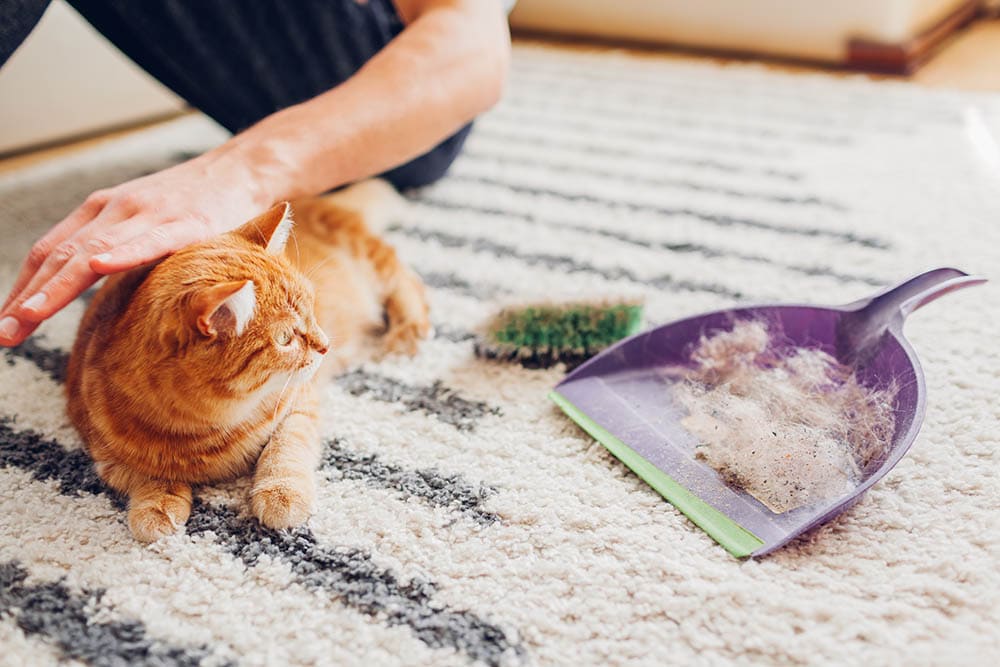
Maintaining a regular grooming routine with a flea comb is essential for controlling and preventing flea infestations in cats. The effectiveness of flea combing largely depends on how frequently it is performed and the techniques employed. By understanding optimal grooming intervals and supplementary prevention methods, pet owners can ensure their cats stay healthy and flea-free.
Consistent and properly timed combing sessions not only remove existing fleas and eggs but also serve as an early detection system for new infestations. Integrating these grooming practices into your regular routine can significantly reduce the reliance on chemical treatments and promote overall feline well-being.
Recommended grooming intervals based on flea infestation levels
Frequency of flea combing should be tailored to the severity of the infestation and the cat’s lifestyle. For cats exhibiting signs of heavy flea presence or in environments prone to infestations, more frequent grooming is advisable. Conversely, cats in low-risk settings may require less frequent combing to maintain flea-free status.
- Heavy Infestation: Comb every 2 to 3 days to swiftly eliminate fleas and prevent rapid reproduction.
- Moderate Infestation: A weekly combing schedule helps keep flea populations under control and detects early signs of re-infestation.
- Low or No Infestation: Monthly or bi-weekly grooming sessions can suffice, serving as both a preventive measure and a monitoring tool.
Regular grooming not only removes fleas but also facilitates early detection, enabling prompt intervention before infestations become severe.
Tips to integrate flea combing into regular grooming routines
Effective flea control is enhanced by establishing a consistent grooming habit that fits seamlessly into daily or weekly routines. The following tips assist in making flea combing a manageable and effective part of your cat’s care:
- Choose a specific time, such as after meals or during a calm period, to create a routine that your cat associates with grooming.
- Use positive reinforcement, like treats or affectionate praise, to encourage cooperation during combing sessions.
- Ensure the environment is calm and well-lit to facilitate thorough combing and inspection.
- Combine flea combing with other grooming activities, such as brushing or bathing, to streamline the process and promote overall hygiene.
- Keep the flea comb clean and disinfected after each session to prevent reinfestation.
Additional flea prevention methods to complement combing
While regular flea combing is an effective tool, employing a multi-faceted approach enhances overall flea control and prevention. Incorporating other methods can reduce reliance on chemical treatments and provide comprehensive protection:
- Use veterinarian-recommended topical or oral flea preventatives, especially in high-risk areas or during peak flea seasons.
- Maintain a clean living environment by regularly washing bedding, upholstery, and vacuuming carpets to eliminate flea eggs and larvae.
- Implement outdoor control measures if your cat ventures outside, such as trimming grass and removing flea habitats around the yard.
- Consider natural repellents, like certain essential oils safe for cats, under veterinary guidance, to deter fleas.
- Monitor your pet consistently for signs of fleas or bites, and seek veterinary advice if reinfestation occurs.
Common mistakes to avoid during flea combing
To maximize the benefits of flea combing, it is important to be aware of common pitfalls that may reduce its effectiveness or cause discomfort to your cat:
- Applying excessive force with the comb, which can hurt or scare the cat, leading to resistance during grooming sessions.
- Neglecting to clean the comb regularly, allowing fleas and eggs to spread and making the process less effective.
- Skipping routine grooming sessions, especially during high-risk periods, reducing early detection opportunities.
- Failing to thoroughly inspect all areas of the cat’s body, including less accessible regions like behind ears or under the tail.
- Using a flea comb that is too coarse or not specifically designed for cats, which may miss smaller fleas or be uncomfortable for the pet.
Troubleshooting Common Issues in Flea Combing
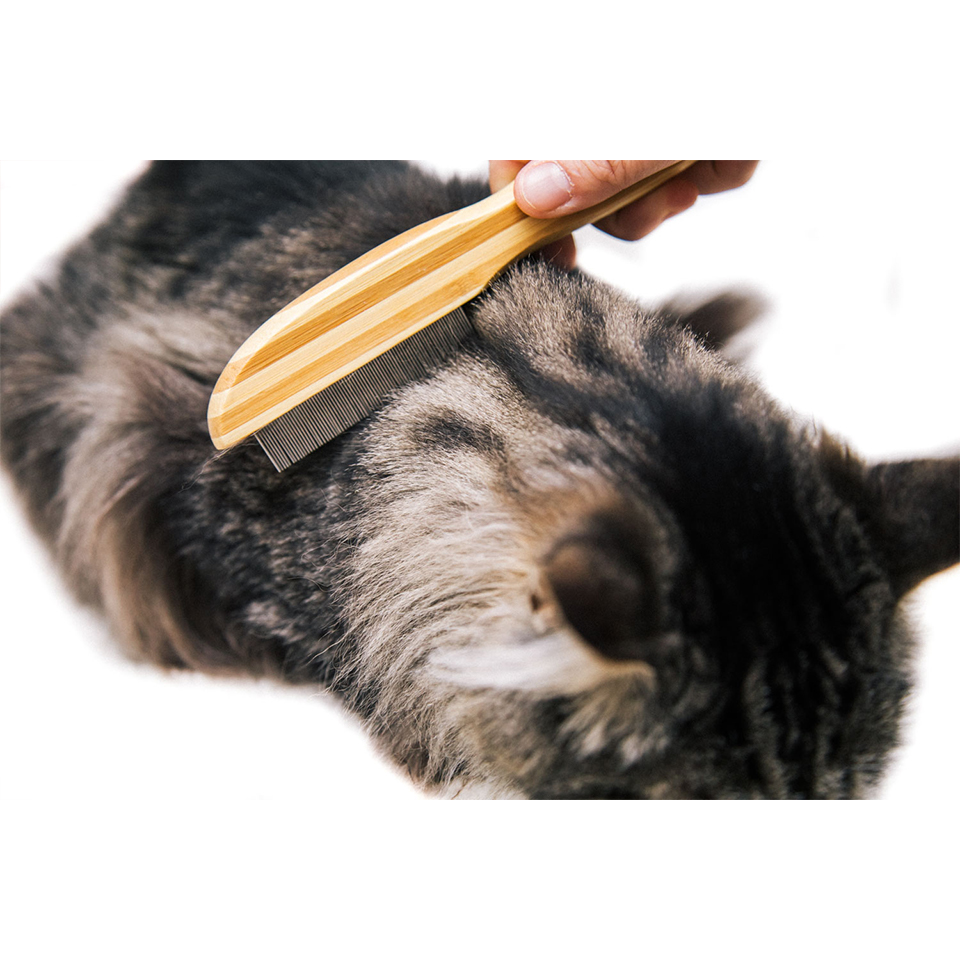
While using a flea comb is an effective method for controlling fleas on cats, some common challenges may arise during the grooming process. Addressing these issues promptly and effectively ensures a more successful and comfortable experience for both you and your feline companion. Understanding how to manage feline resistance, embedded flea eggs, and nervous or aggressive behavior can significantly improve the overall efficacy of flea control efforts.
This section provides practical solutions and strategies to overcome typical obstacles encountered during flea combing, helping pet owners maintain a stress-free grooming routine and ensure thorough removal of fleas and their eggs.
Dealing with Cats Resisting Grooming or Scratching Excessively
Some cats may resist grooming due to discomfort, stress, or previous negative experiences. Excessive scratching can also indicate underlying irritation caused by fleas or skin sensitivities. Recognizing and addressing these behaviors is crucial for successful flea management.
- Gradual Introduction: Slowly acclimate the cat to the flea comb by introducing it during calm moments. Allow the cat to sniff and investigate the comb, rewarding patience with treats or gentle praise.
- Short, Frequent Sessions: Conduct brief grooming sessions multiple times a day, rather than prolonged ones. This minimizes stress and allows the cat to associate grooming with positive experiences.
- Comfortable Environment: Ensure the grooming area is quiet, warm, and free of sudden noises or disruptions that could increase the cat’s anxiety.
- Use of Calming Aids: Consider using pheromone sprays or diffusers designed to reduce feline anxiety during grooming sessions.
- Handling Techniques: Support the cat gently but firmly, maintaining a calm demeanor. If the cat becomes overly distressed, pause and try again later.
Managing Flea Eggs Embedded in Fur
Flea eggs are often difficult to remove as they are tiny, smooth, and can become embedded deep within the fur, especially around the neck and tail base. Proper techniques are essential to eliminate these eggs effectively and prevent re-infestation.
- Repeated Combing: Regular, thorough combing helps dislodge eggs and prevent their hatching. Focus on areas where fleas are most active.
- Use of Fine-Toothed Combs: Employ a fine-toothed flea comb to catch and remove eggs more effectively than wider-toothed alternatives.
- Washing Fur: After combing, bathe the cat with a gentle, flea-specific shampoo to remove residual eggs and reduce flea populations.
- Vacuuming and Cleaning: Frequently vacuum carpets, upholstery, and bedding to remove shed eggs and larvae from the environment.
- Environmental Treatments: Apply appropriate environmental flea control products, such as sprays or powders, to areas where eggs are likely to hatch.
Enhancing Grooming Experience for Nervous or Aggressive Cats
Feline anxiety or aggression can hinder effective flea combing. Creating a positive, stress-free environment encourages cooperation and makes grooming a more pleasant activity for sensitive cats.
- Establish Trust: Spend time bonding with your cat outside of grooming sessions through play and gentle petting to build trust.
- Use Soft Tools: Opt for gentle, ergonomically designed combs and brushes that minimize discomfort.
- Positive Reinforcement: Reward calm behavior with treats, affection, or play after each grooming session to reinforce a positive association.
- Short, Consistent Sessions: Keep grooming sessions brief to prevent overwhelming the cat, gradually increasing duration as tolerated.
- Seek Professional Help: In cases of severe aggression or anxiety, consult a veterinarian or professional groomer for tailored techniques or calming solutions.
Comparison of Troubleshooting Strategies
| Issue | Strategy | Advantages | Considerations |
|---|---|---|---|
| Resistance to grooming | Gradual introduction and positive reinforcement | Reduces stress, fosters cooperation | Requires patience and consistency |
| Embedded flea eggs | Repeated combing, environmental cleaning | Effective removal of eggs and larvae | May need environmental products for complete control | Fearful or aggressive cats | Gentle handling, calming aids, professional help | Increases comfort, safety for both pet and owner | May involve additional costs or time investments |
Last Point
By following these carefully Artikeld steps, you can effectively manage fleas on your cat and prevent future infestations. Consistent grooming combined with proper hygiene and preventive measures ensures your feline friend remains comfortable, healthy, and flea-free. Remember, patience and gentle handling are key to a successful flea combing experience.