Discovering how to entertain a cat involves understanding their natural instincts and providing engaging activities that stimulate both their mind and body. Proper entertainment not only keeps your feline companion happy but also promotes their overall well-being and health.
This guide offers a variety of methods—from interactive toys and household items to DIY enrichment activities—that can transform any indoor space into an entertaining environment for your cat. By establishing routine play schedules and incorporating environmental enhancements, you can ensure your feline friend remains active, curious, and content.
Creative Ways to Entertain a Cat Indoors
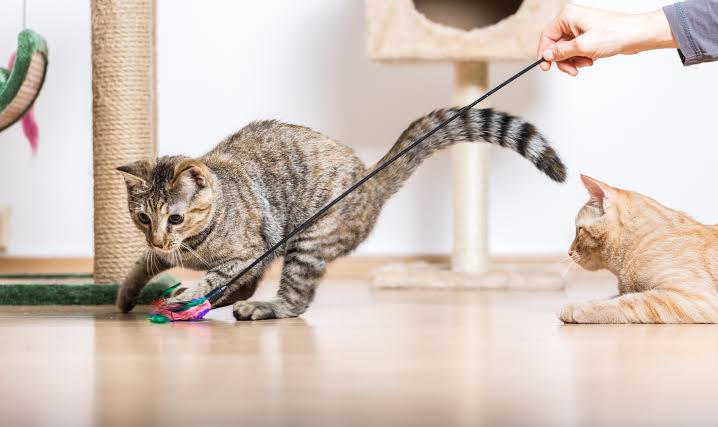
Entertaining a cat within the confines of your home requires ingenuity and attentiveness to your feline’s natural instincts and preferences. Offering variety in play methods not only stimulates their physical and mental faculties but also strengthens the bond between you and your pet. Incorporating diverse toys and household items into their play routines can prevent boredom and promote overall well-being.
Engaging your cat through creative and interactive play involves understanding their predatory behaviors—stalking, pouncing, and chasing—and providing appropriate outlets for these instincts. By utilizing a mix of commercial toys and everyday household objects, you can create a dynamic environment that keeps your feline entertained and mentally stimulated.
Interactive Play Methods Using Toys
Interactive play methods are essential for active cats and help prevent behavioral issues related to boredom. Varying play routines with different toys ensures continual mental and physical engagement. Using a combination of wand toys, laser pointers, and puzzle feeders can satisfy your cat’s hunting instincts while fostering a sense of accomplishment.
- Wand Toys: These toys mimic prey movement and allow you to engage directly with your cat, encouraging jumping, stalking, and batting behaviors.
- Laser Pointers: Rapid movement of the laser dot stimulates chasing and pouncing, providing excellent exercise. Ensure to avoid shining the laser directly into the eyes.
- Puzzle Feeders: Designed to challenge your cat’s problem-solving skills, these toys dispense treats or kibble as your feline manipulates them, promoting mental stimulation.
- Catnip Toys: Toys infused with catnip can trigger playful behavior, especially when combined with interactive play sessions.
Household Items as Play Objects
Many household items can serve as safe, engaging toys for cats, offering cost-effective and environmentally friendly entertainment options. It is crucial to ensure that these objects are free of small parts, sharp edges, or toxic substances that could harm your pet.
- Cardboard Boxes: Cats love hiding and exploring inside boxes, which can be used as playhouses or hiding spots during playtime.
- Paper Balls: Crumpled paper or napkins make lightweight, easy-to-pounce objects that can be rolled or tossed for your cat to chase.
- String or Yarn: Carefully supervised play with string or yarn can mimic prey movements. Always supervise to prevent ingestion of fibers.
- Plastic Bottle Caps: Small, lightweight, and easy to bat around, bottle caps can serve as simple toys that stimulate your cat’s hunting instincts.
- Empty Toilet Paper Rolls: These can be shredded or used as tunnels, providing both entertainment and enrichment.
Comparison Table of Indoor Entertainment Tools for Cats
To facilitate informed choices about indoor enrichment, the following table compares various entertainment tools based on cost, durability, and stimulation level:
| Tool | Cost | Durability | Stimulation Level |
|---|---|---|---|
| Wand Toy | Moderate | High | High |
| Laser Pointer | Low | Moderate (requires replacement if damaged) | High |
| Puzzle Feeder | Moderate to High | High | High |
| Catnip Toy | Low to Moderate | Moderate (depends on material) | Moderate to High |
| Cardboard Box | Free | Variable (depends on material and use) | Moderate |
| Crumpled Paper | Free | Low (may tear apart quickly) | Moderate |
| Plastic Bottle Cap | Free (recycling) | High (durable if chewed carefully) | Low to Moderate |
Choosing the appropriate toys and household items for your cat depends on their individual preferences, activity levels, and safety considerations. Regular rotation and supervision during playtime can significantly enhance your indoor cat’s quality of life.
Optimal Playtime Routines for Cats
Establishing a consistent and engaging play routine is essential for maintaining a cat’s physical health and mental well-being. Regular, structured play sessions help prevent behavioral issues resulting from boredom and provide opportunities for cats to express their natural hunting instincts. By implementing a tailored schedule, pet owners can ensure their feline companions remain active, stimulated, and happy.A well-designed play routine involves not only scheduled activity times but also strategic management of toys and interaction.
Consistency creates a sense of security for the cat, while variety keeps play sessions exciting and enriching. Incorporating different types of toys and adjusting play intensity at different times of the day can significantly enhance the cat’s overall quality of life.
Establishing a Daily Play Schedule
Creating a daily play routine requires intentional planning to suit both the owner’s schedule and the cat’s natural activity patterns. Typically, cats are most active during dawn and dusk, which should be the prime times for play sessions. Aim to schedule two to three dedicated play periods, each lasting approximately 10-15 minutes, during these peak times.To implement an effective play schedule:
- Identify the times of day when your cat shows the most energy, such as early morning and evening.
- Set specific times for play, treating them as non-negotiable appointments to foster routine adherence.
- Use engaging toys that mimic prey movements, such as wand toys or laser pointers, to promote active hunting behavior.
- Combine short bursts of intense activity with calmer, relaxing interactions to balance stimulation and rest.
- Observe your cat’s responses and adjust the duration or timing of play sessions accordingly to sustain interest and avoid overstimulation.
Consistency is key; maintaining a predictable schedule helps your cat develop anticipation for playtime, enriching their daily experience.
Rotating Toys to Prevent Boredom
Cats are naturally curious creatures, and their interest in toys can diminish when exposed to the same items repeatedly. Regularly rotating toys keeps play sessions fresh and exciting, preventing boredom and encouraging ongoing mental and physical engagement.When rotating toys:
- Keep a larger collection of toys than what is used daily, including various types such as plush toys, puzzle feeders, and interactive wand toys.
- Introduce new or hidden toys gradually, revealing them during scheduled playtimes to reignite curiosity.
- Rotate toys every few days or weekly, depending on your cat’s interest level, to maintain novelty.
- Observe which toys your cat prefers and ensure those are included in the rotation to maximize engagement.
- Clean and sanitize toys before reintroducing them to prevent the spread of germs and to prolong their usability.
This strategy not only sustains your cat’s interest but also stimulates different senses and skills, contributing to a more enriching environment.
Signs of Boredom and How to Address Them
Monitoring your cat for signs of boredom allows you to intervene promptly with targeted play strategies. Recognizing these indicators helps maintain your cat’s happiness and prevents destructive behaviors associated with under-stimulation.Common signs of boredom include:
- Increased scratching or grooming, which may lead to skin irritation.
- Overeating or begging for food outside meal times.
- Persistent vocalization or meowing, especially during quiet times.
- Destructive scratching or chewing on furniture and carpets.
- Lethargy or excessive sleeping during the day.
- Repetitive pacing or restlessness in the environment.
To effectively address boredom:
- Introduce new toys or rotate existing ones regularly to stimulate curiosity.
- Increase the frequency and duration of interactive play sessions to burn excess energy.
- Use puzzle feeders or treat-dispensing toys to engage the cat’s mind during downtime.
- Provide high perches or hiding spots to satisfy natural climbing and hiding instincts.
- Engage in training exercises, such as teaching simple commands, to mentally challenge your cat.
Proactive play and environmental enrichment are essential for reducing signs of boredom, ensuring your feline friend remains content and well-adjusted.
The role of environmental enrichment in entertaining cats
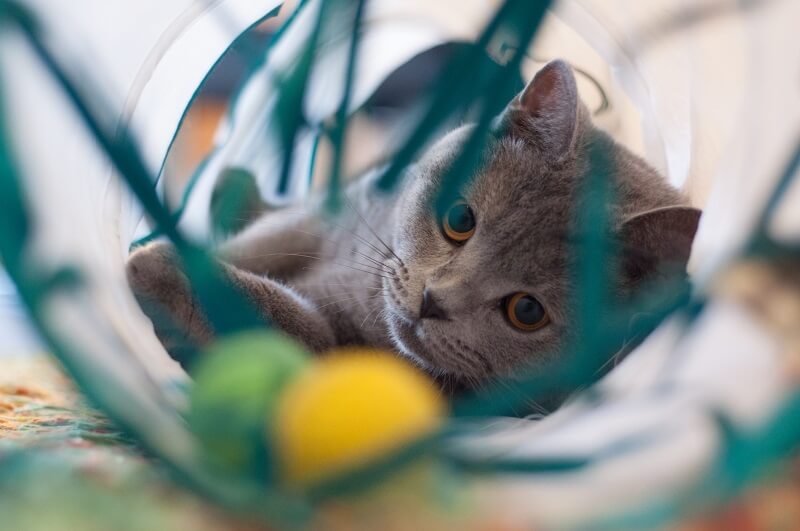
Creating a stimulating environment is fundamental to keeping a cat mentally and physically engaged. Environmental enrichment involves introducing new elements into a cat’s living space to mimic their natural habitats and behaviors, thereby reducing boredom and promoting overall well-being. An enriching environment not only entertains cats but also alleviates stress and prevents behavioral issues caused by confinement or lack of stimulation.
By thoughtfully designing a living space filled with diverse elements, pet owners can provide cats with opportunities to explore, hunt, hide, and perch, aligning with their innate instincts. This approach supports their psychological health and encourages active, happy lifestyles within the safety of indoor environments.
Enhancing entertainment through plants, furniture, and hiding spots
Introducing new elements such as plants, furniture, and hiding spots can significantly elevate a cat’s environment. These additions provide opportunities for exploration and play, stimulate curiosity, and cater to their natural behaviors. For example, vertical spaces like shelves and cat trees allow cats to perch and observe their surroundings, fulfilling their instinct to climb and survey territory.
Plants add a green, natural element that can encourage scratching and nibbling, while hiding spots such as boxes, tunnels, or enclosed beds offer safe refuges that reduce stress and provide mental stimulation. These features create a dynamic environment that keeps a cat engaged and prevents boredom, especially for indoor cats with limited outdoor access.
Designing a stimulating environment that caters to natural instincts
Effective environmental enrichment begins with understanding a cat’s instinctual behaviors, including hunting, climbing, scratching, and hiding. Incorporating elements that support these behaviors ensures a stimulating and satisfying environment. For instance, placing scratching posts near favorite resting areas invites cats to scratch naturally, protecting furniture while satisfying their need to mark territory and stretch muscles.
Hanging toys, puzzle feeders, and interactive play stations stimulate hunting instincts, while varied textures and surfaces encourage exploration. Rotating toys and shifting furniture arrangement periodically can sustain interest over time. Environments should also promote vertical exploration, with multi-level furniture offering vantage points that satisfy their need to climb and observe from elevated positions.
- Vertical spaces: Installing shelves, wall-mounted perches, and multi-level condos.
- Scratching areas: Providing diverse scratching posts made of sisal, cardboard, or wood.
- Hiding spots: Incorporating cozy boxes, tunnels, or enclosed beds.
- Plants and natural elements: Using safe, non-toxic plants like cat grass, spider plants, or valerian to stimulate interest and natural behaviors.
Safe plants and materials for environmental enrichment
Ensuring the safety of plants and materials used in a cat’s environment is crucial. Many common houseplants can be toxic to cats if ingested, so selecting non-toxic options is essential. Additionally, all materials should be free from harmful chemicals, sharp edges, or small parts that pose ingestion risks.
Safe plants for indoor cats include:
- Cat Grass (often composed of oat, wheat, or barley grass): Encourages chewing and aids digestion.
- Spider Plant (Chlorophytum comosum): Non-toxic and stimulates natural foraging behaviors.
- Valerian (Valeriana officinalis): Acts as a natural attractant and can promote relaxation.
- Areca Palm and Parlor Palm: Non-toxic decorative plants that add greenery without risk.
Recommended materials for enrichment items include natural fibers like sisal for scratching posts, untreated wood for climbing structures, and soft fabrics for hiding spots. Avoid using paints, glues, or coatings that contain toxic chemicals. Regularly inspecting toys and furniture for wear and tear ensures safety and longevity of enrichment items.
Techniques for Engaging an Inactive or Shy Cat
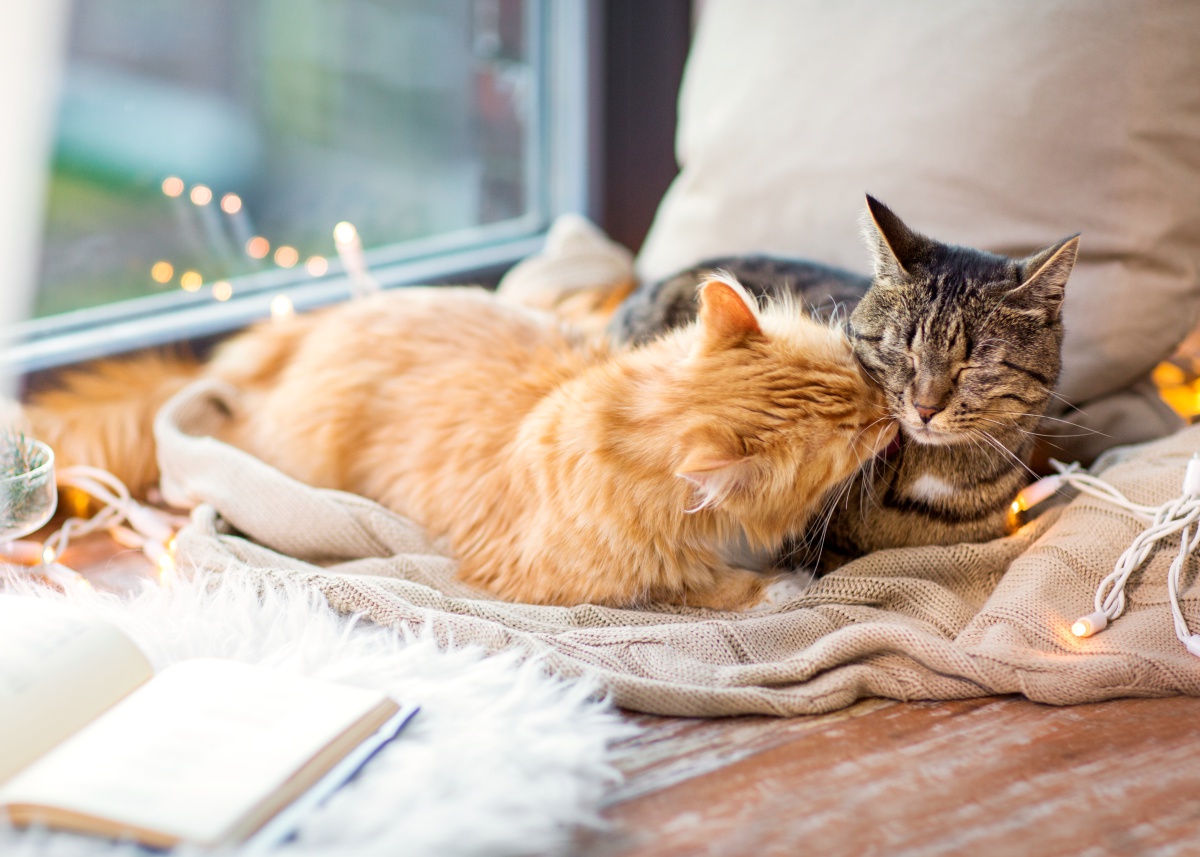
Engaging a shy or inactive cat requires patience, gentle strategies, and creating an environment that encourages curiosity without overwhelming them. Cats with reserved temperaments often need a slow approach to build trust and comfort before they actively participate in play. Understanding their unique preferences and respecting their boundaries are essential components in fostering their confidence and interest.A shy or inactive cat may initially exhibit reluctance to engage with toys or new environments.
Their withdrawal can stem from past experiences, natural temperament, or a lack of positive reinforcement for exploration. Employing gentle, non-threatening methods to attract their attention can gradually transform their behavior from passive to more active, enriching their lives and strengthening the bond they share with their owner.
Creating Calming Spaces that Promote Curiosity and Exploration
Setting up designated calming zones within your home helps shy cats feel safe while gradually encouraging them to explore. These spaces should be quiet, private, and equipped with familiar bedding or soft fabrics that provide comfort. Incorporate elements that stimulate curiosity in a non-intimidating manner, such as cozy hideouts, low perches, or shelves where they can observe their surroundings without feeling exposed.Introducing calming scents, such as catnip or pheromone diffusers, can also ease anxiety and promote relaxation.
Ensuring these areas are easily accessible and free from loud noises or sudden movements encourages the cat to approach at their own pace. Over time, a calm and inviting environment becomes a foundation for playful interactions and confidence-building.
Gradual Activities to Build Confidence and Interest
Implementing a series of small, manageable activities allows shy cats to develop trust and interest in play over time. These activities should be tailored to the individual cat’s comfort level, gradually increasing in complexity and engagement as they become more confident.
- Start with passive interaction, such as gently offering treats or using soft, slow-moving toys near their hiding spots to associate positive experiences with play.
- Introduce tactile play by allowing the cat to explore new textures, such as plush toys or soft fabrics, which can stimulate curiosity without pressure.
- Use wand toys with feathers or lightweight objects that can be moved slowly to attract their attention without overwhelming them, encouraging tentative approaches.
- Implement brief, daily sessions that focus on positive reinforcement, rewarding any interest or participation with gentle praise or treats to reinforce their confidence.
- Gradually increase the distance and complexity of activities, such as moving the toy further away or introducing simple puzzle feeders that stimulate mental engagement without causing stress.
Gentle, consistent interactions foster trust and help shy cats feel secure enough to participate in play, ultimately enriching their indoor environment and strengthening the human-animal bond.
Using technology and toys to entertain cats
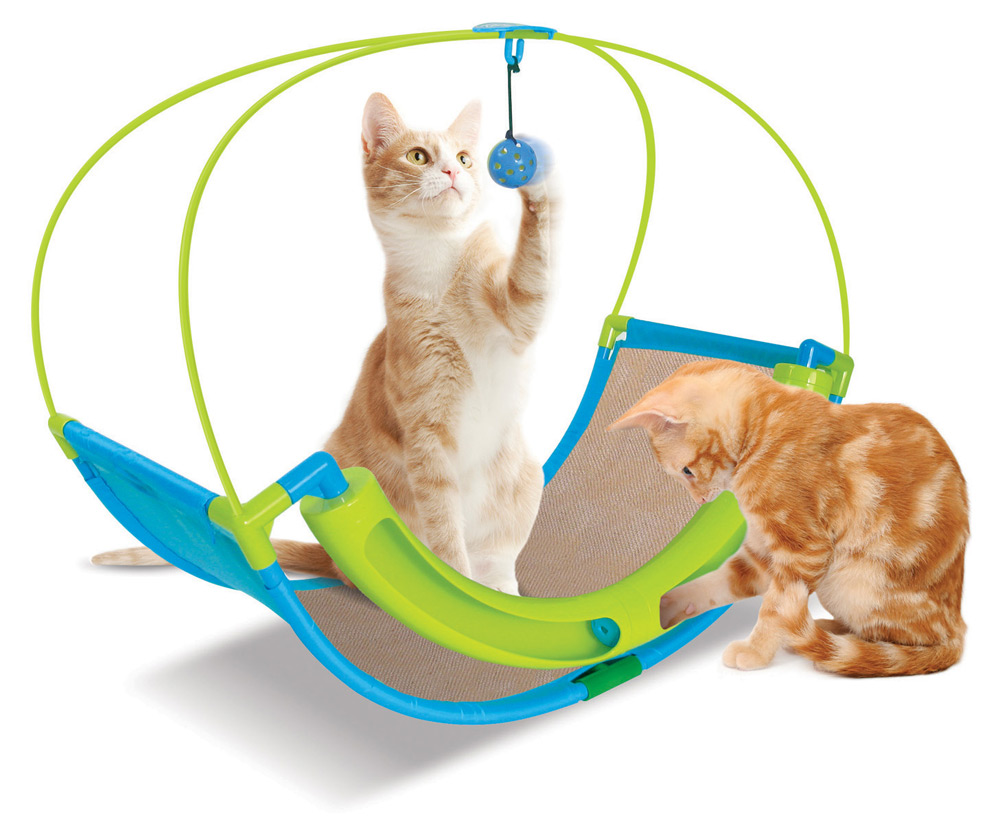
Incorporating technology and innovative toys into your cat’s environment offers dynamic and stimulating ways to keep your feline engaged, especially when outdoor access is limited. Modern gadgets and mechanical playthings cater to a variety of preferences and activity levels, making them valuable tools for enhancing indoor entertainment. Understanding the features and appropriate applications of these devices helps owners select the most suitable options for their pets’ needs.
Technological advancements have introduced a wide array of electronic and mechanical toys designed to mimic prey behaviors, promote exercise, and stimulate mental agility. These tools can seamlessly integrate into daily routines, ensuring consistent engagement without manual intervention. Proper selection and routine use of these devices can significantly improve your cat’s overall well-being and reduce behavioral issues stemming from boredom or inactivity.
Electronic and Mechanical Toys: Features and Benefits
Different types of electronic and mechanical toys serve distinct purposes, offering various benefits depending on your cat’s personality and activity level. Comparing these options helps in choosing the right toys that will captivate your feline friend and promote healthy activity.
- Interactive Laser Toys: These toys project laser patterns for cats to chase, stimulating their hunting instincts. They are battery-operated and require supervision to prevent overexertion or frustration.
- Automatic Wand Toys: Mechanical devices that mimic the movement of prey, often featuring unpredictable motion patterns. They are battery-powered and can be programmed to operate at specific intervals, providing consistent engagement.
- Treat-Dispensing Toys: Electronic devices that release treats when the cat interacts with them correctly. They promote mental stimulation and can slow down eating habits, especially in overfed cats.
- Smart Cat Cameras with Play Features: Wi-Fi-enabled cameras integrated with interactive features allow owners to engage their cats remotely via smartphones. Some include laser pointers or movable toys controlled through apps, enhancing social interaction and playtime flexibility.
Note: Choosing toys with adjustable settings and safety features ensures compatibility with your cat’s temperament and activity level, maximizing benefits and minimizing potential safety concerns.
Integrating Automated Play Devices into Daily Routines
Automated play devices can seamlessly become part of your daily schedule, providing consistent stimulation and exercise for your cat even when you’re unavailable. Proper integration maximizes their effectiveness and encourages healthy habits.
- Scheduled Playtime: Set specific times during the day for automated toys to operate, establishing a routine that your cat can anticipate and enjoy.
- Gradual Introduction: Introduce new devices gradually, allowing your cat to familiarize themselves with the toy’s operation and features without feeling overwhelmed.
- Monitoring and Adjustment: Observe your cat’s response to the devices, adjusting settings or usage times to suit their preferences and energy levels.
- Complementary Play: Combine automated toys with traditional play to provide variety and prevent boredom, fostering a balanced indoor environment.
Tech Gadgets Table for Cat Entertainment
Below is a comprehensive comparison of popular tech gadgets designed to entertain cats, considering price points, battery life, and compatibility with different cat temperaments:
| Gadget | Price Range (USD) | Battery Life | Suitable for | Features |
|---|---|---|---|---|
| FURminator Laser Pointer | $20 – $30 | Approximately 4 hours per charge | Active, energetic cats | Remote control, adjustable laser speed, rechargeable battery |
| PetSafe Automatic Wand | $50 – $70 | Powered via AC adapter; some models rechargeable | Shy or inactive cats needing gentle stimulation | Programmable movement patterns, remote operation |
| Vesper Vesper Play Tree with Integrated Toys | $60 – $120 | N/A (non-electronic) | All temperaments, especially sociable cats | Multiple levels, hanging toys, scratching posts |
| Furbo Cat Camera with Laser | $199 | Approximately 4-8 hours on a full charge; continuous power via USB | Remote-active cats or those needing social interaction | Camera with treat dispenser, laser toy, app control |
These gadgets provide a range of options tailored to different feline personalities and household needs. For active cats, laser pointers and treat dispensers can stimulate hunting instincts, while shy or less active cats may benefit from gentle, automated movement devices. The integration of these gadgets into daily routines ensures continuous enrichment and supports a happy, healthy indoor environment for your feline companions.
Last Recap
Incorporating diverse entertainment strategies and environmental enrichments can significantly enhance your cat’s quality of life. Whether through creative play routines, DIY projects, or technological gadgets, a well-stimulated cat is a happy and healthy companion. Taking these steps fosters a stronger bond and ensures your feline friend remains lively and engaged for years to come.