Learning how to litter train a kitten is essential for ensuring their hygiene and maintaining household cleanliness. Proper training not only promotes good habits but also strengthens the bond between you and your feline companion by creating a comfortable and predictable environment. This guide provides comprehensive steps to help you successfully introduce and establish litter training routines for your new kitten.
With the right selection of litter and litter box, along with a consistent training routine, you can effectively teach your kitten to use the litter box reliably. Understanding common challenges and applying practical solutions will help foster positive behaviors, making your home a cleaner, happier space for everyone involved.
Understanding the Importance of Litter Training for Kittens
Proper litter training is a fundamental aspect of responsible pet ownership that significantly benefits both kittens and their owners. It establishes a hygienic routine for the young feline, promotes household cleanliness, and fosters a positive environment for bonding and care. By understanding the importance of this training, owners can ensure their kittens develop healthy elimination habits early on, leading to a more harmonious coexistence within the home.
Litter training plays a vital role in maintaining hygiene and reducing household messes. When a kitten learns to use a designated litter box, it minimizes accidents in unintended areas, such as on carpets or furniture. This not only simplifies cleaning routines but also helps prevent the spread of bacteria and odors that can arise from improper elimination. Additionally, a well-trained kitten is less likely to develop undesirable behaviors related to elimination, such as scratching or urinating outside the litter box due to confusion or frustration.
Benefits of Proper Litter Training for Kittens and Owners
Implementing effective litter training yields numerous advantages that contribute to the well-being of both kittens and their human companions. These benefits include:
- Enhanced Hygiene: Regular use of a clean litter box helps maintain a sanitary environment, reducing the risk of infections and unpleasant odors.
- Household Cleanliness: Proper training minimizes accidents, protecting furniture, carpets, and other household items from stains and damage.
- Behavioral Development: Consistent training helps kittens associate the litter box with elimination, fostering good habits that can last a lifetime.
- Stress Reduction: A predictable routine reduces anxiety in kittens, as they learn where and when to relieve themselves.
- Ease of Maintenance: For owners, a trained kitten simplifies daily cleaning and reduces the time spent on cleanup efforts.
Contribution of Litter Training to Hygiene and Household Cleanliness
Litter training directly impacts the overall cleanliness of the home by establishing a specific area for elimination that is easy to monitor and maintain. When kittens are trained to use a designated litter box:
- It confines waste to a contained space, preventing scattered urine or feces across the house, which can promote the spread of germs.
- Regular scooping and cleaning of the litter box help control odors, creating a more pleasant living environment for both pets and humans.
- The habit of using a litter box encourages kittens to develop consistent elimination patterns, reducing the likelihood of unpredictable accidents.
- Proper placement of the litter box in quiet, accessible areas ensures the kitten feels secure and is more likely to use it regularly.
- Using high-quality, absorbent, and odor-controlling litter further enhances hygiene by effectively trapping moisture and preventing bacterial growth.
Proper litter training transforms a potentially messy situation into an organized routine that benefits all household members, ensuring a clean, healthy, and stress-free environment.
Comparison of Litter Training versus Other Elimination Methods in Kittens
Before adopting litter training, it is important to understand the alternatives and why proper litter training is generally the most effective method for kittens. Common elimination methods include outdoor elimination, inappropriate elimination on household items, and spontaneous urination or defecation without guidance.
Outdoor elimination, while natural for some cats, is impractical for kittens still learning to navigate their environment and for owners living in urban settings or with limited outdoor access. Without a designated indoor space, kittens may resort to eliminating on furniture or carpets, leading to hygiene issues and potential behavioral problems.
Inappropriate elimination on household items can occur due to stress, medical issues, or lack of training. This behavior typically results in messes that are difficult to clean and can develop into persistent habits if not addressed promptly.
Spontaneous elimination without guidance often arises from medical issues, stress, or unawareness of the appropriate place to go, which can be mitigated through structured training routines.
Compared to these methods, litter training offers a controlled, hygienic, and humane solution that aligns with a kitten’s natural instincts to bury waste. It fosters habits that are easier to manage over time and reduces the need for extensive cleanups or behavioral corrections later in life.
Selecting the Right Litter and Litter Box
Choosing appropriate litter and a suitable litter box is fundamental to successful kitten litter training. The right combination ensures your kitten feels comfortable and is motivated to use the litter box consistently. Proper selection can also minimize messes, reduce odors, and contribute to the overall health and hygiene of your pet and your home.Understanding the various options available allows you to weigh the benefits and drawbacks of each type, considering factors like texture, scent, clumping ability, and ease of cleaning.
This choice is crucial for encouraging good litter habits and preventing accidents outside the box, especially during the initial training phase.
Choosing the Right Litter
The type of litter you select should align with your kitten’s preferences and any sensitivities they might have. Key criteria include texture, scent, and clumping properties, all of which influence your kitten’s willingness to use the litter box and ease of maintenance.
- Texture: Most kittens prefer soft, fine-textured litters that mimic their mother’s fur or natural environment. Coarse or gritty litters can cause discomfort and discourage use. Common options include clumping clays, silica gels, or biodegradable materials such as recycled paper or wood pellets.
- Scent: Unscented litters are generally better, as strong fragrances can deter kittens from using the box. If odor control is necessary, opt for litters with mild, natural scents or those infused with odor-neutralizing agents.
- Clumping Ability: Clumping litters form solid masses when in contact with moisture, making cleaning straightforward. Clumping ability allows for quick removal of waste, maintaining a cleaner environment and reducing odors. However, some kittens or cats with respiratory sensitivities may prefer non-clumping or natural litters.
Types of Litter Boxes
Selecting the appropriate litter box involves considering the size, style, and features that best suit your kitten’s needs and your household environment. Properly chosen litter boxes should be accessible, easy to clean, and encourage consistent use.
There are several styles of litter boxes, each with distinct advantages. The choice depends on your kitten’s size, activity level, and your cleaning preferences. Some kittens may prefer more enclosed spaces for privacy, while others might feel safer in open designs. Durability and ease of access are also important factors for a young or shy kitten.
| Type of Litter Box | Description | Advantages |
|---|---|---|
| Uncovered Litter Box | A simple open box without sides or covers, providing easy access for kittens of all sizes. | Easy to clean, encourages natural digging behavior, suitable for kittens learning to use the box. |
| Covered Litter Box | Features a hood or lid that encloses the litter area, offering privacy and containing odors. | Reduces litter scatter, masks odors, and provides privacy which can make kittens feel more secure. |
| Top-Entry Litter Box | Has a lid with a small opening at the top for entry, requiring the kitten to climb in. | Effective at containing litter scatter and odors, especially useful for multi-cat households. |
| Self-Cleaning Litter Box | Automates waste removal through built-in mechanisms, typically activated after use. | Convenient, maintains cleanliness with minimal effort, but may be more expensive and noisy. |
Comparative Features and Advantages of Litter and Litter Boxes
Understanding the distinctions between various litters and litter boxes helps in making an informed decision that suits both your kitten’s preferences and your household requirements. The table below summarizes key features and benefits:
| Feature | Clumping Clay Litter | Silica Gel Litter | Biodegradable Litter |
|---|---|---|---|
| Texture | Fine, soft | Granular, with a sandy feel | Variable, often soft and natural |
| Scent | Typically unscented or mild scent | Unscented or light scent | Usually unscented, eco-friendly aroma |
| Clumping Ability | Excellent, forms solid clumps | Moderate to high | Generally non-clumping |
| Odor Control | Effective, especially with additives | Good, with silica’s natural odor absorption | Variable, may require additional odor control measures |
| Ease of Cleaning | High, easy to scoop | Moderate, requires regular stirring | Varies, often needs frequent changing |
Choosing the right litter and box creates a comfortable environment for your kitten, making the training process more effective and enjoyable for both of you.
Preparing the Environment for Litter Training
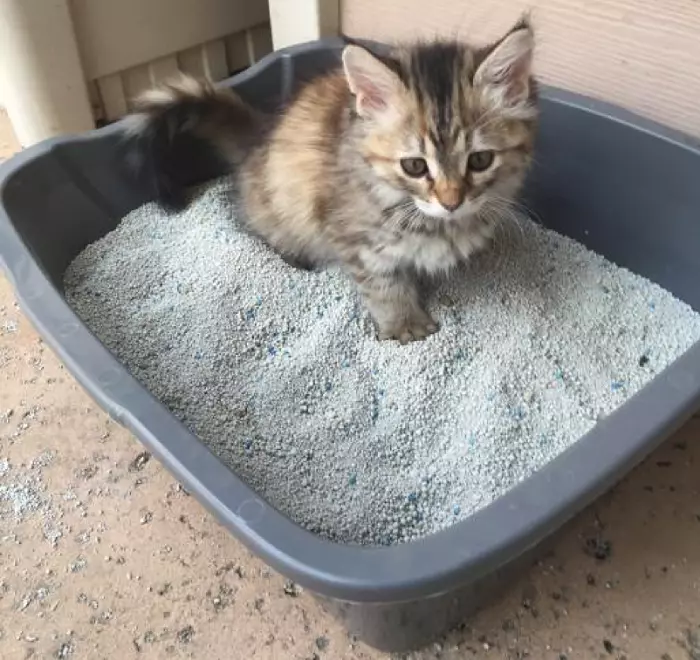
Establishing a proper environment is fundamental to successful litter training for your kitten. A thoughtfully prepared space not only promotes consistent use of the litter box but also reduces accidents and fosters positive associations with the designated area. A well-designed environment should be safe, easily accessible, and inviting to encourage your young feline to develop good elimination habits.
Creating an optimal litter environment involves careful consideration of placement, size, cleanliness, and environmental cues. These factors work together to motivate your kitten to use the litter box reliably while ensuring their safety and comfort. Proper preparation lays the groundwork for a smooth transition from initial introduction to consistent use.
Setting Up a Safe, Accessible, and Attractive Litter Area
To foster successful litter training, it is essential to designate a specific area that is safe and appealing for your kitten. The environment should be quiet, free from disturbances, and away from high-traffic zones or loud appliances. The area should also be easy for the kitten to access at all times, promoting independence and routine. An attractive environment encourages your kitten to view the litter box as a trustworthy and comfortable space, thus reducing hesitation or avoidance behaviors.
- Choose a quiet, low-traffic spot within your home that offers privacy but remains easily accessible for the kitten at any time, including during night hours.
- Ensure the area is free from potential hazards such as electrical cords, sharp objects, or toxic plants, which could harm the kitten or cause stress.
- Use a sturdy, non-slip mat or surface around the litter box to prevent slipping and to contain litter scatter, maintaining cleanliness and safety.
- Position the litter box away from the kitten’s food and water bowls to reinforce the concept of distinct areas for elimination and nourishment.
Considerations for Placement, Size, and Cleaning Routines of the Litter Box
Optimal placement, appropriate sizing, and regular cleaning are critical components of an environment conducive to litter training. These aspects influence the kitten’s willingness to use the box consistently and help prevent the development of undesirable behaviors such as elimination outside the box.
- Placement: The litter box should be located in a well-ventilated area, away from noisy appliances, and easily reachable, especially for kittens with limited mobility. Avoid placing it near the litter box of other pets if applicable, to prevent territorial disputes or confusion.
- Size: The box should be large enough to allow the kitten to turn around comfortably and dig without restriction. A good rule is that the box should be at least 1.5 times the length of the kitten from nose to tail. For very young or small kittens, consider using a smaller box or a litter box with lower sides for easier entry.
- Cleaning routines: Regular removal of soiled litter is essential to maintain freshness and minimize odors. The litter box should be cleaned thoroughly with soap and water at least once a week. Daily scooping helps prevent litter from becoming overly saturated or smelly, which can discourage use. Maintaining a clean environment not only encourages consistent use but also promotes your kitten’s health.
Encouraging Positive Associations with the Litter Box Using Environmental Cues
Environmental cues play a vital role in helping your kitten recognize and feel comfortable in the litter area. Using visual and olfactory signals can reinforce positive associations, making the litter box a familiar and preferred elimination site.
- Place a soft, washable cloth or mat with a distinct scent beneath the litter box to serve as a recognizable cue that this is the designated elimination spot.
- Use a specific type of litter consistently so that the kitten associates that particular smell and texture with elimination, thus reinforcing familiarity and comfort.
- Encourage the kitten to use the box by gently placing them inside after meals, naps, or play sessions, which are natural times for elimination. Praise and reward appropriate use to associate positive experiences with the litter box.
- Maintain a consistent routine and environment, as kittens thrive on predictability, which reinforces their understanding of where and when to eliminate.
Introducing the Kitten to the Litter Box
Establishing a positive association between your kitten and their litter box from the outset is crucial for successful litter training. Proper introduction techniques help your kitten feel comfortable and confident in using the box regularly, minimizing accidents around the home and fostering good habits early on. Gentle guidance and encouragement are key components of this process, ensuring that your young feline learns to see the litter box as the appropriate place to eliminate.Introducing a kitten to the litter box requires patience and consistency.
Kittens are naturally curious and tend to explore their environment, but they may need gentle assistance to understand what is expected of them. By creating a calm, inviting environment around the litter box and guiding the kitten with gentle movements, you can help establish a clear and positive association. Reinforcing their efforts with praise and rewards further encourages consistent use, laying the foundation for a well-trained feline adult.
Gently Guiding the Kitten to the Litter Box
When introducing your kitten to the litter box for the first time, it is important to do so in a calm and reassuring manner. Choose a quiet, accessible location for the litter box, away from noisy appliances or high-traffic areas, ensuring the kitten feels safe. Observe your kitten’s natural behavior; after playtime, meals, or waking from naps, gently pick up the kitten and carry them to the litter box.
Place the kitten softly in the center of the litter, allowing them to sniff and explore. You can softly scratch the litter with your fingers to imitate natural digging behavior, which encourages the kitten to understand that this is the appropriate place for elimination. Keep the interaction gentle, avoiding any rough handling, which might cause fear or hesitation.
Reinforcing Use of the Litter Box with Rewards and Encouragement
Positive reinforcement is a highly effective method to encourage continued use of the litter box. After your kitten eliminates in the litter box, immediately praise them with soothing words such as “Good girl” or “Well done,” and offer a small treat if desired. This creates a strong association between using the litter box and positive outcomes, motivating your kitten to repeat the behavior.Consistency is key; always reward your kitten immediately after successful use, and be patient during the initial stages of training.
Gentle verbal encouragement when they are near the litter box can also reinforce desired behavior. Over time, your kitten will associate the litter box with positive experiences, leading to reliable usage.
Common Mistakes to Avoid During Initial Introduction
Avoiding common pitfalls during the first introduction to the litter box can prevent setbacks and confusion for your kitten. One mistake is forcing or punishing the kitten if they do not immediately use the box, which can cause anxiety and aversion. Instead, patience and gentle guidance are essential.Another error is placing the litter box in inaccessible or unpleasant locations, which discourages use.
The litter box should be kept in a quiet, easily accessible area, and cleaned regularly to maintain freshness. Similarly, introducing the kitten to a litter box that is too small, poorly maintained, or has an unpleasant odor can lead to reluctance or accidents outside the box.Additionally, using inappropriate or strongly scented litter may discourage the kitten from using the box, as cats tend to prefer unscented, soft-textured litter.
Avoid drastic changes in litter type once training has begun, as this can confuse the kitten and hinder progress.By ensuring gentle guidance, positive reinforcement, and avoiding common mistakes, you can create a smooth and stress-free introduction process, fostering good litter habits that will serve your kitten well throughout their life.
Establishing a Routine and Consistency
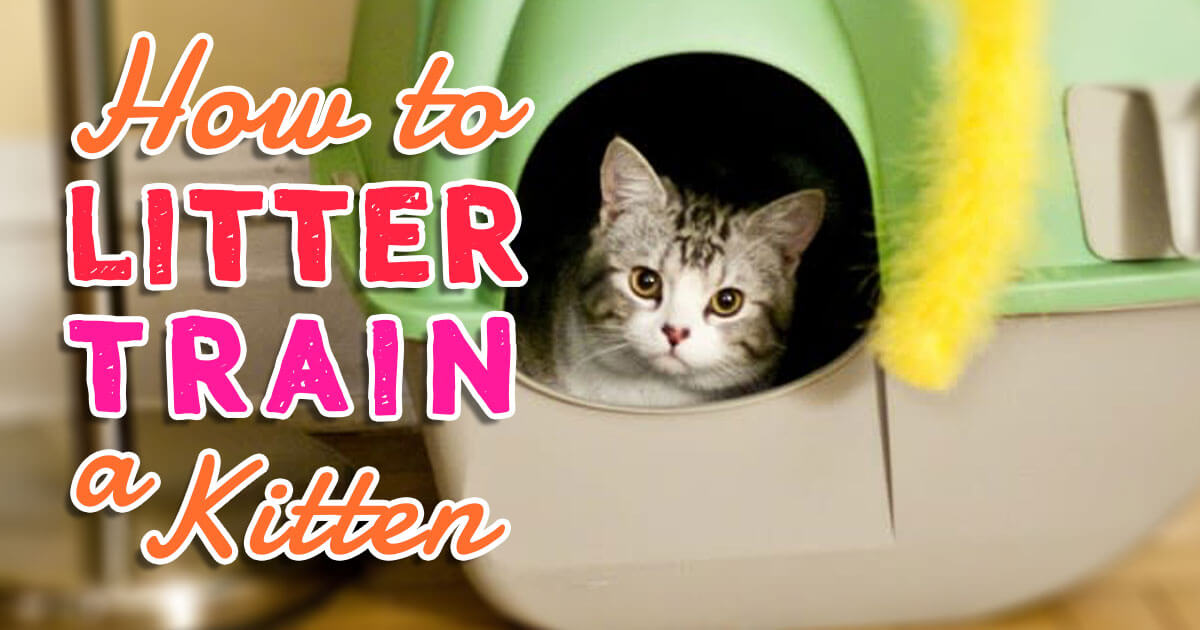
Creating a structured and predictable routine is fundamental for successful litter training of a kitten. When a kitten understands what to expect and when, it promotes behavioral stability and encourages consistent use of the litter box. Establishing routines not only helps the kitten learn proper elimination habits but also fosters a sense of security and trust between the pet and owner.Maintaining consistency in feeding, cleaning, and litter box timing helps reinforce the desired behavior.
It reduces accidents and minimizes confusion for the kitten, making the training process more efficient. Careful observation and adjustments based on the kitten’s natural elimination patterns further support the development of healthy habits.
Creating a Predictable Schedule for Feeding and Litter Box Visits
A reliable schedule for feeding and bathroom breaks plays a critical role in litter training success. The kitten’s natural elimination cycle is often aligned with its feeding times, so coordinating these activities can lead to more predictable behaviors.
- Feed the kitten at regular intervals, such as three to four times daily, ensuring meals are consistent in timing and portion size.
- After each feeding, place the kitten near the litter box, as most kittens tend to eliminate within 15 to 30 minutes after eating.
- Observe the kitten’s habits and note times when it naturally tends to use the litter box, then reinforce this routine by guiding the kitten to the litter box during these periods.
- Establish specific times for litter box visits, such as after waking, after meals, and before bedtime, to promote routine and reduce accidents elsewhere.
The Importance of Regular Cleaning to Promote Consistent Use
Maintaining a clean litter box is vital for encouraging consistent use by the kitten. A dirty or smelly litter box can deter a kitten from eliminating there, leading to accidents in undesirable locations.
- Scoop waste from the litter box at least once daily to remove odor and ensure a hygienic environment.
- Wash the litter box with mild soap and water weekly, fully replacing the litter to prevent buildup of bacteria and odor.
- Use unscented, clumping litter to make cleaning easier and to reduce aversion caused by strong smells.
- Keep the litter box in a quiet, accessible location where the kitten feels safe and unthreatened, promoting frequent and comfortable use.
Monitoring Elimination Patterns and Adjusting Routines
Regularly observing the kitten’s elimination habits provides valuable insights into its health and helps tailor a routine that suits its needs.
- Track the times and frequency of the kitten’s bathroom visits to identify patterns and preferences.
- Note any irregularities, such as constipation, diarrhea, or reluctance to use the litter box, which may indicate health concerns or environmental stress.
- If the kitten is not eliminating in the litter box as expected, consider factors such as litter type, box location, or cleanliness, and make necessary adjustments.
- As the kitten matures, routines may need refinement; for example, increasing the number of litter box visits or adjusting feeding times to better align with its natural habits.
- Consult a veterinarian if elimination patterns change suddenly or if the kitten shows signs of discomfort, to rule out health issues.
Troubleshooting Common Litter Training Challenges
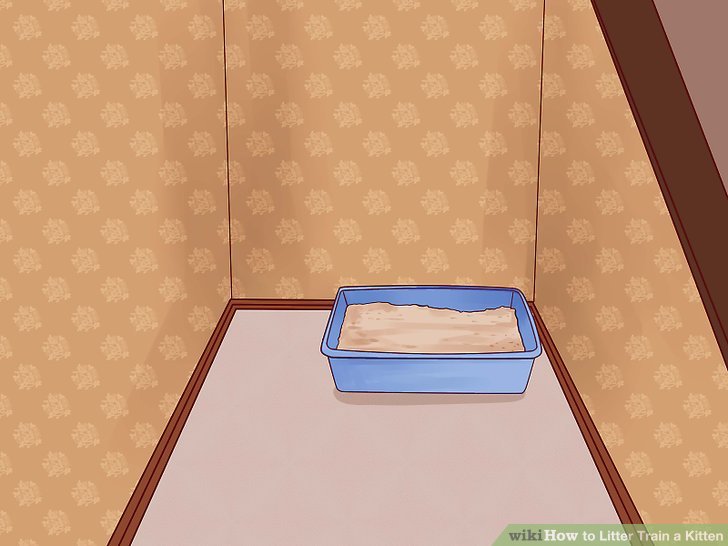
Litter training kittens can sometimes present unexpected challenges, including aversion to the litter box, persistent accidents, or issues with odor and tracking. Recognizing and addressing these problems early is essential to ensure your kitten develops healthy bathroom habits and maintains a clean, comfortable environment. Understanding common issues and implementing effective solutions can make the training process smoother and more successful for both you and your feline friend.Effective litter training requires patience and observation.
When problems arise, it’s important to identify their root causes and apply gentle, consistent corrective strategies. Addressing issues such as litter box aversion, excessive tracking, or inappropriate elimination helps prevent long-term behavioral problems and promotes a positive association with the litter box.
Signs of Litter Box Aversion or Avoidance and Strategies to Address Them
Detecting early signs that a kitten is avoiding the litter box can prevent setbacks in training. Common indications include frequent hiding near the box, reluctance to enter it, or elimination elsewhere, such as in corners or behind furniture. These behaviors often suggest discomfort, cleanliness issues, or negative associations with the litter box.To address litter box aversion:
- Ensure the litter box is clean and scooped daily to eliminate unpleasant odors that discourage use.
- Try different types of litter, such as unscented or clumping varieties, to find what your kitten prefers.
- Place the litter box in quiet, easily accessible locations, avoiding noisy or high-traffic areas that may intimidate the kitten.
- Use a shallow litter box if your kitten has difficulty with high sides, promoting easier entry and exit.
- Offer positive reinforcement, such as praise or treats, immediately after successful use to foster positive associations.
Consistent observation and gradual adjustments can help overcome aversion, making the litter box a comfortable and routine part of your kitten’s environment.
Solutions for Litter Tracking, Odor, and Accidents Outside the Box
Problems such as litter tracking, persistent odors, and accidents outside the litter box are common hurdles that can affect both cleanliness and the kitten’s training progress. Addressing these issues involves a combination of environmental modifications and behavioral strategies.Litter tracking, where particles are carried outside the box, can be minimized by:
- Using litter with larger granules that are less prone to sticking to paws.
- Placing a mat beneath the litter box to catch scattered particles.
- Choosing a box with higher sides or a cover to contain loose litter and reduce tracking.
Odor control is vital for maintaining a pleasant home environment:
- Regularly scoop the box at least once daily to prevent odor buildup.
- Wash the litter box with mild soap and water weekly to eliminate bacteria and odors.
- Use odor-absorbing litter or add natural deodorizers like baking soda to the box.
Accidents outside the box often stem from discomfort, illness, or improper placement:
- Reevaluate the location of the litter box, ensuring it’s accessible and free of obstacles.
- Monitor your kitten for signs of illness, such as frequent urination or straining, which may require veterinary attention.
- Supervise the kitten during the initial training phase to redirect inappropriate elimination behaviors promptly.
Creating a clean, inviting, and accessible environment significantly reduces the likelihood of accidents and fosters positive litter box habits.
Procedures to Gently Correct Inappropriate Elimination Behaviors
Correcting inappropriate elimination behaviors requires patience and gentle reinforcement to avoid causing fear or anxiety. Immediate and consistent responses help your kitten associate proper bathroom habits with positive experiences.When accidents occur:
- Refrain from punishment, which can lead to fear or resentment. Instead, calmly clean the area with enzymatic cleaner to remove residual odors that might attract the kitten back.
- Redirect the kitten to the litter box, encouraging use with gentle praise or treats when they go inside and eliminate properly.
- Observe patterns or triggers for inappropriate elimination, such as stressful situations or health issues, and address these underlying causes.
- Maintain a routine that promotes regular bathroom times, reinforcing the habit through consistency and positive reinforcement.
- If accidents are frequent or severe, consult a veterinarian to rule out medical causes and receive tailored behavioral advice.
By approaching corrections with kindness and patience, you foster a trusting relationship and help your kitten develop reliable litter habits that last a lifetime.
Advanced Tips for Successful Litter Training
Mastering litter training for kittens involves more than just initial instruction; it requires ongoing adjustments and strategic approaches to ensure long-term success. Implementing advanced techniques can help address specific challenges, accommodate household dynamics, and promote consistent, hygienic litter box use among your feline companions.
This section offers detailed strategies to facilitate smooth transitions between litter types or boxes, manage multiple kittens effectively, and maintain a clean environment that encourages ongoing use of the litter box. Applying these advanced tips will support your efforts in fostering a well-trained and healthy kitten.
Gradual Transition to Different Litter Types or Boxes
Shifting a kitten to a new litter or changing the litter box setup should be handled gradually to prevent confusion or reluctance. Sudden changes can lead to accidents or avoidance of the litter box, especially if the kitten is sensitive to texture or smell alterations.
Begin by mixing the new litter with the existing type in small proportions, such as 25% new to 75% old. Over a week or two, gradually increase the amount of new litter while decreasing the old. This helps the kitten adjust to the different texture or scent without feeling overwhelmed.
Similarly, if transitioning to a different box style—such as from a small, covered box to a larger, open design—introduce the new box alongside the old one. Encourage the kitten to explore both, and if possible, place the new box in the same location as the previous one to maintain familiarity. Over time, remove the old box once the kitten consistently uses the new setup.
Training Multiple Kittens or Adjusting Routines for Busy Households
Managing litter training for multiple kittens requires consistent supervision and a well-organized approach to ensure each kitten learns proper habits without confusion or competition. Busy households can present additional challenges, such as limited time for cleanup and monitoring.
Designate individual litter boxes for each kitten, especially in multi-cat households, to reduce territorial disputes and encourage proper use. Position the boxes in accessible, quiet locations to minimize stress and prevent overcrowding. Establish a schedule for cleaning and refilling litter boxes to maintain hygiene, which is critical for preventing health issues and encouraging regular use.
For households with demanding schedules, utilizing automated litter boxes can be advantageous. These self-cleaning units help maintain cleanliness and reduce manual labor, ensuring the environment remains inviting for your kittens. Consistency in routines, such as feeding schedules and cleaning times, also reinforces positive associations with the litter box, making training more effective even amidst busy routines.
Maintaining a Hygienic Environment to Encourage Ongoing Use
Maintaining hygiene is essential to foster ongoing litter box use and prevent resistance or aversion. A clean, odor-free environment encourages kittens to use the litter box consistently and reduces the risk of infections or behavioral issues.
Implement a strict cleaning routine: scoop waste daily to remove soiled litter and refresh the entire box with fresh litter at least once a week. Use mild, unscented cleaning agents to wash the box, avoiding strong fragrances that might deter kittens.
Ensure proper ventilation in the litter area to minimize odors and humidity, which can promote bacterial growth. Providing a well-ventilated, accessible space will make the litter area more inviting and less stressful for your kittens.
Monitor the condition of the litter and box regularly. Replace worn or contaminated litter promptly and inspect the box for cracks or damage that could discourage use. Incorporating odor-neutralizing mats or liners can also help maintain a hygienic environment, promoting consistent usage and supporting long-term litter training success.
Concluding Remarks
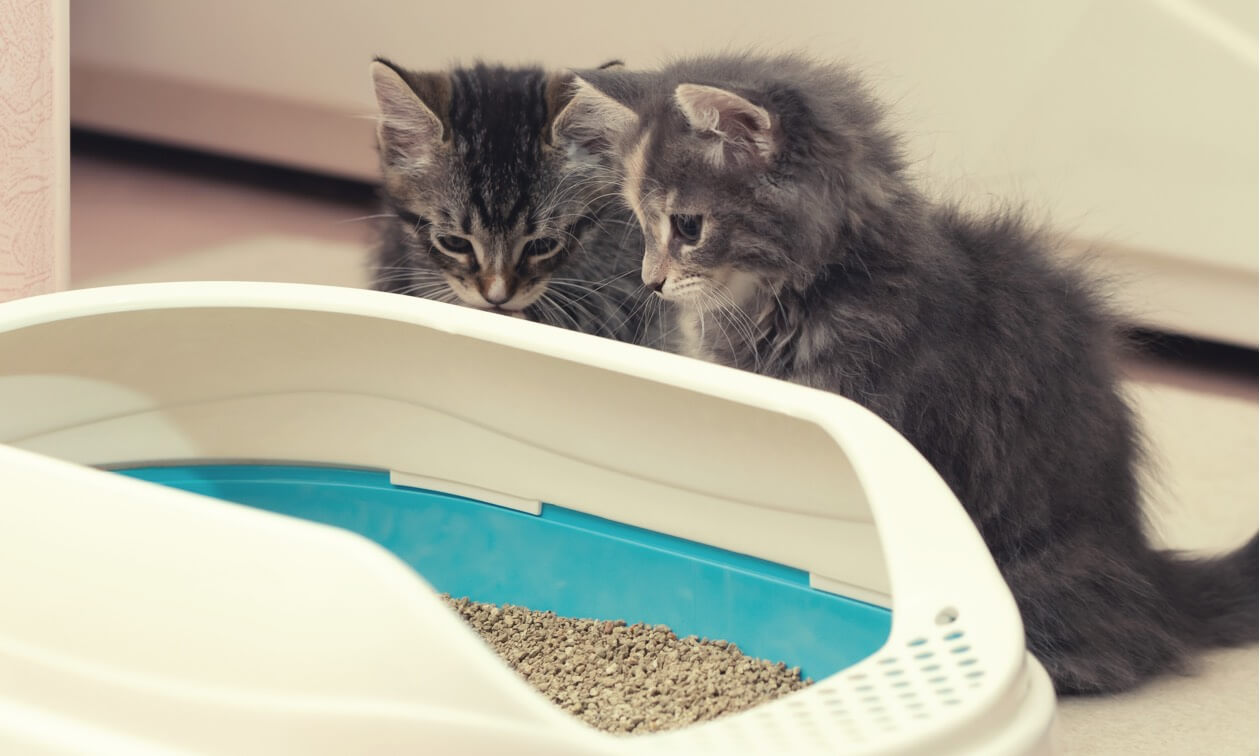
In conclusion, mastering how to litter train a kitten requires patience, consistency, and attention to environmental details. By establishing a routine and addressing challenges promptly, you can ensure your kitten develops healthy elimination habits that benefit both your home and your pet’s well-being. With time and care, your kitten will adapt seamlessly to their litter box routine, contributing to a harmonious living environment.