Maintaining your cat’s dental health is essential for their overall well-being and quality of life. Proper oral care not only prevents discomfort and pain but also safeguards against serious health issues that can arise from neglected dental hygiene. By understanding effective preventive measures, pet owners can ensure their feline companions enjoy healthier, happier lives.
This guide explores practical strategies, including daily routines, dietary choices, use of dental products, and professional care, to help you effectively prevent dental problems in your cats and promote optimal oral health.
Importance of Preventing Cat Dental Problems
Maintaining good dental hygiene in cats is a crucial aspect of their overall health and quality of life. Dental health directly influences a cat’s ability to eat comfortably, groom themselves properly, and interact socially. Preventing dental issues not only spares cats from pain and discomfort but also reduces the risk of more serious health complications that can arise from neglecting oral care.
Healthy teeth and gums are essential for a cat’s overall well-being. Untreated dental problems can lead to systemic infections, nutritional deficiencies, and behavioral changes. Recognizing the significance of dental health is vital for cat owners committed to ensuring their pets lead healthy, happy lives.
Health Benefits of Maintaining Good Dental Hygiene in Cats
Regular dental care provides numerous health benefits that contribute to a cat’s longevity and happiness. It helps prevent the buildup of plaque and tartar, which are primary causes of periodontal disease. Good dental hygiene also supports strong immune function, as oral infections can spread to other parts of the body, leading to more severe health issues.
Consistent dental maintenance promotes fresh breath, reduces the likelihood of painful abscesses, and diminishes discomfort during eating or grooming. Well-maintained teeth and gums contribute significantly to a cat’s overall vitality, enabling them to engage actively in daily activities and social interactions.
Potential Health Issues Resulting from Untreated Dental Problems
Neglecting dental health can result in a variety of serious health issues that extend beyond the mouth, impacting a cat’s entire body. These complications include:
- Periodontal Disease: Chronic inflammation of the tissues surrounding the teeth, leading to tooth loss and damage to the jawbone.
- Tooth Abscesses: Pockets of infection that cause swelling, pain, and can rupture, releasing bacteria into the bloodstream.
- Oral Tumors: Malignant growths that can impair oral functions and metastasize if untreated.
- Systemic Infections: Bacteria from dental infections can enter the bloodstream, potentially affecting vital organs such as the heart, liver, and kidneys.
- Behavioral Changes: Discomfort from dental pain often leads to decreased appetite, irritability, and withdrawal from social interactions.
These health issues highlight the importance of early detection and consistent dental care, which can prevent the progression of dental diseases and preserve the overall health of your feline companion.
Impact of Dental Health on Overall Well-Being and Behavior
Dental health is intrinsically linked to a cat’s behavior and emotional state. Mouth pain and discomfort can cause cats to become irritable, withdrawn, or less active. They might avoid eating hard foods or refuse treats, leading to nutritional deficiencies and weight loss.
Additionally, oral discomfort often results in altered grooming habits, which can give the appearance of a neglected coat and cause skin issues. Cats with healthy teeth are more likely to maintain regular grooming routines, exhibit playful behavior, and display a generally happier demeanor. Ensuring dental health is a fundamental part of supporting a cat’s overall vitality, emotional stability, and quality of life.
Daily Dental Care Routines for Cats
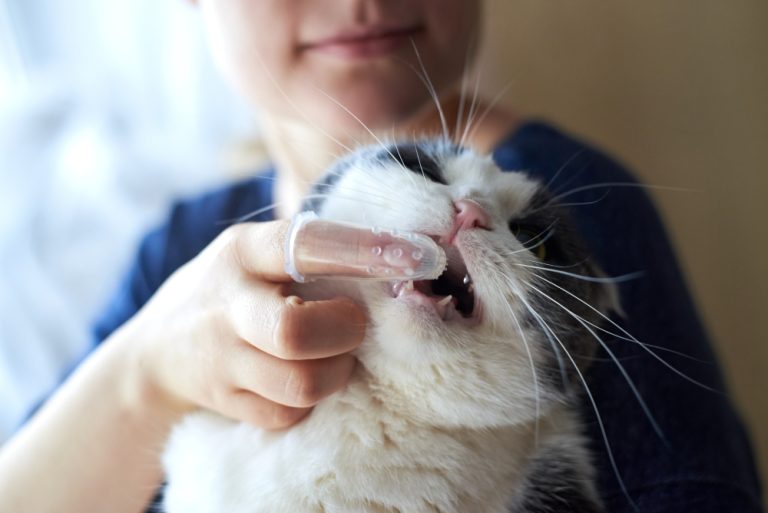
Establishing a consistent daily dental care routine is essential in maintaining your cat’s oral health and preventing the development of dental problems. Regularly caring for your cat’s teeth not only helps in reducing plaque and tartar buildup but also contributes to overall well-being, comfort, and longevity. Implementing these routines can be straightforward with patience and the right approach, leading to a healthier and happier feline companion.
Proper daily dental care involves specific steps that ensure thorough cleaning while minimizing stress for your cat. When performed consistently, these routines can dramatically reduce the risk of gingivitis, periodontal disease, and other oral health issues, ultimately saving you time and veterinary costs in the future.
Step-by-Step Guide to Brushing a Cat’s Teeth Effectively
Following a systematic approach ensures that your cat becomes accustomed to dental routines and that the cleaning is both effective and stress-free. The process involves preparing your cat, selecting appropriate tools, and applying gentle techniques:
- Prepare your supplies: Gather a suitable toothbrush designed for cats and a veterinarian-approved toothpaste formulated specifically for feline use. Have these ready in a quiet, comfortable space.
- Introduce the toothpaste: Allow your cat to sniff and taste the cat-specific toothpaste to build acceptance. Never use human toothpaste, as it contains ingredients harmful to cats.
- Get your cat accustomed to handling: Gradually handle your cat’s mouth by gently lifting the lips and touching the teeth and gums during calm moments, rewarding with praise or treats.
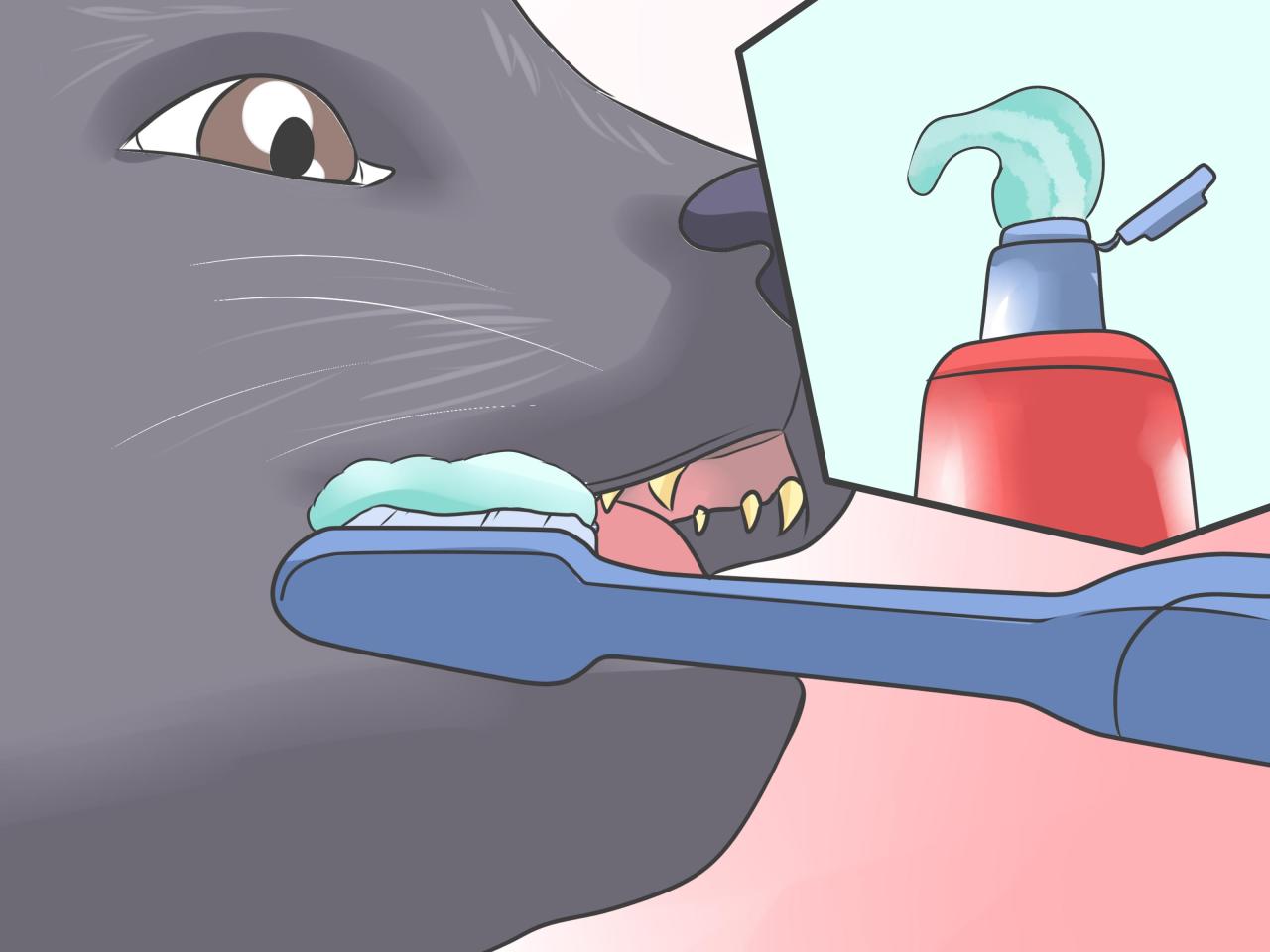
- Begin brushing: Place a small amount of toothpaste on the toothbrush, then gently lift your cat’s lips and carefully brush the outer surfaces of the teeth and along the gum line using a gentle circular motion. Focus on the back teeth where plaque tends to accumulate.
- Keep sessions brief and positive: Start with short, 30-second sessions and gradually increase duration as your cat becomes more comfortable. Use a calm voice and gentle handling to reassure your pet.
- Reward and praise: After each session, offer treats, petting, or playtime to reinforce positive associations with the process.
Safe and Effective Toothbrushes and Toothpaste for Cats
Choosing the right dental care products is crucial to ensure safety and effectiveness in maintaining your cat’s oral health. Not all human dental products are suitable for feline use, so selecting veterinary-approved items is essential:
| Toothbrush Types | Description and Benefits |
|---|---|
| Finger Brushes | Made of soft silicone or rubber, these fit over your finger, allowing gentle brushing and better control. Ideal for cats new to dental care or sensitive mouths. |
| Small, Soft-Bristled Cat Toothbrushes | Designed specifically for feline teeth, these toothbrushes have tiny heads and soft bristles that reach confined spaces comfortably. |
Important: Always select toothbrushes with soft bristles to prevent gum irritation and ensure gentle cleaning.
- Vet-Recommended Toothpaste for Cats:
| Product Name | Features |
|---|---|
| Virbac CET Enzymatic Toothpaste | Contains enzymes that help break down plaque; available in flavors appealing to cats, such as poultry or seafood. |
| Petsmile Professional Cat Toothpaste | Veterinary-certified, approved by the Veterinary Oral Health Council (VOHC), and safe for daily use without rinsing. |
| Virbac CET Enzymatic Toothpaste | Formulated specifically for cats, free from foaming agents, and safe to swallow during brushing. |
Tips for Acclimating Cats to Dental Care Practices and Establishing Routines
Introducing your cat gradually to dental care routines fosters cooperation and reduces stress. Consistency and positive reinforcement are key elements in creating successful habits:
- Start early: Initiate dental routines when your cat is still a kitten, as young animals tend to adapt more easily to new experiences.
- Use positive reinforcement: Reward your cat with treats, praise, or play after each session to create a positive association with dental care.
- Maintain a regular schedule: Perform brushing at the same time each day, such as after meals or playtime, to establish predictability and routine.
- Be patient and gentle: Gradually introduce your cat to the toothbrush over multiple sessions, respecting their comfort level and avoiding force.
- Associate handling with affection: Spend time gently touching your cat’s face, lips, and mouth during relaxed moments to build trust and ease future dental care procedures.
- Monitor your cat’s response: If your cat shows signs of distress or aggression, take a break and try again later, or consult your veterinarian for additional guidance.
By integrating these practices into your daily routine, you promote not only healthy teeth and gums but also strengthen the bond with your feline friend through gentle, caring interactions.
Use of Dental Products and Supplements
Proper dental care in cats extends beyond regular brushing and professional check-ups. Incorporating approved dental products and supplements can significantly enhance oral health by reducing plaque and tartar buildup. These products are designed to be safe, effective, and easy to integrate into your cat’s daily routine, providing an added layer of protection against dental diseases.Dental products such as chews, gels, and water additives are formulated with ingredients that target the formation of plaque and tartar, which are primary contributors to periodontal issues.
When selecting these products, it is essential to choose options specifically approved for feline use to ensure safety and efficacy. Administering dental supplements should always follow proper procedures to prevent any accidental ingestion issues or discomfort.
Comparison of Dental Chews, Gels, and Water Additives Approved for Cats
| Product Type | Examples | Key Benefits | Administration |
|---|---|---|---|
| Dental Chews | Greenies Feline Dental Treats, OraVet Dental Chews | Help mechanically reduce plaque, promotejaw exercise, contain enzymes that inhibit plaque formation | Given as a treat, typically once daily or as recommended by the veterinarian |
| Dental Gels | Vet’s Best Enzymatic Toothpaste, Petrodex Enzymatic Gel | Reduce plaque through enzymatic action, freshen breath, easy to apply with a finger or brush | Apply directly to gums and teeth with a finger or soft applicator, usually once or twice daily |
| Water Additives | Tropiclean Fresh Breath Oral Care Water Additive, Vet’s Best Breath Freshener | Reduce bacteria in the mouth, freshen breath, simple to use as part of daily hydration routine | Mixed into daily drinking water according to manufacturer instructions |
Ingredients in Dental Products that Help Prevent Plaque and Tartar
Key ingredients in dental products for cats are carefully selected for their ability to inhibit plaque formation, break down existing tartar, and promote overall oral health. These include enzymes, antimicrobial agents, and mechanical cleaners.
- Enzymes: Such as glucose oxidase and lactoperoxidase, which break down biofilms and inhibit bacteria growth that lead to plaque.
- Polymers: Help to form a protective film over teeth, reducing the adhesion of plaque-causing bacteria.
- Antimicrobial agents: Such as chlorhexidine, which reduce oral bacteria populations that contribute to dental disease.
- Mechanical cleaners: Like abrasive particles in chews that physically remove plaque during mastication.
Procedures for Administering Dental Supplements Safely
Introducing dental supplements requires a gentle and consistent approach to ensure your cat receives the benefits without stress or risk. Always follow the manufacturer’s instructions and consult your veterinarian before beginning supplementation.
- Start gradually by introducing the supplement in small amounts, mixed with food or water, to gauge your cat’s acceptance.
- If using gels or pastes, apply a small amount directly to your cat’s gums or teeth using a soft finger or applicator, aiming to avoid discomfort.
- Ensure your cat is calm and comfortable during administration, perhaps after playtime or feeding, to reduce resistance.
- Monitor for any adverse reactions such as salivation, vomiting, or behavioral changes, and discontinue use if necessary.
- Maintain a consistent routine, administering supplements at the same time each day to promote habituation and compliance.
Regular veterinary check-ups can help assess the effectiveness of supplements and make adjustments as needed, ensuring your feline friend maintains optimal oral health safely and effectively.
Professional Dental Care for Cats
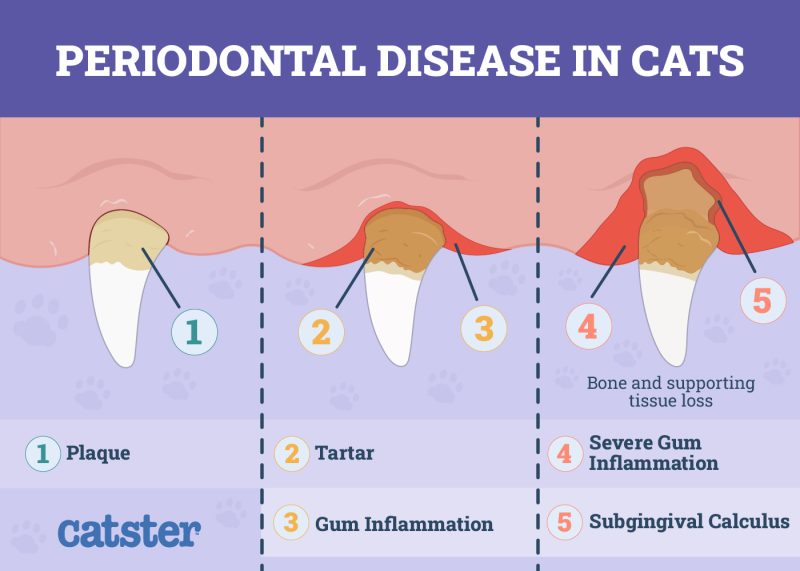
Providing professional dental care is a crucial component in maintaining your cat’s overall oral health and preventing more serious dental problems. While daily at-home routines are essential, periodic veterinary examinations and professional cleanings ensure comprehensive care and early detection of potential issues. Regular professional dental care complements daily routines and helps keep your cat’s teeth and gums in optimal condition, especially as they age or if they have existing health concerns.Professional dental procedures are performed by a licensed veterinarian trained in feline dental health.
These procedures often involve cleaning, examination, and potentially treatment of dental diseases such as periodontal disease, fractured teeth, or oral infections. During a visit, the veterinarian will thoroughly examine your cat’s mouth, often utilizing dental X-rays to assess the roots and jawbone, which cannot be seen during a visual examination alone. Professional cleanings typically involve scaling and polishing to remove plaque and tartar buildup that regular brushing may not fully eliminate.
If necessary, the veterinarian may also extract severely damaged or diseased teeth to prevent pain and further infection.
Scheduling Veterinary Dental Examinations and Cleanings
The frequency of professional dental care depends on your cat’s age, breed, diet, and overall health status. In general, routine checkups are recommended at least once a year for healthy adult cats. However, senior cats or those with pre-existing dental conditions may require more frequent visits, such as every six months. Early detection through regular exams is vital to prevent the progression of dental disease, which can lead to more severe health issues like heart, liver, or kidney infections.For cats with known dental problems or high risk factors, your veterinarian may recommend a tailored dental care schedule, which could include more frequent cleanings or specific interventions.
The veterinarian will assess the oral cavity during each visit, checking for signs of inflammation, bleeding, loose teeth, or abnormal growths. If your cat shows symptoms like bad breath, difficulty eating, or drooling, a dental check should be scheduled promptly, regardless of the routine interval.
Regular veterinary dental examinations and cleanings are essential for maintaining your cat’s health and preventing painful, costly dental diseases.
Dietary Strategies to Promote Dental Health

Implementing the right dietary strategies is a crucial aspect of maintaining your cat’s oral health. Proper nutrition not only supports overall well-being but also plays a significant role in reducing plaque buildup, preventing tartar formation, and strengthening teeth and gums over time. Choosing appropriate foods and treats designed for dental health can significantly contribute to your cat’s fight against dental problems.
By carefully selecting the right diet, cat owners can complement daily oral hygiene routines and professional dental care, creating a comprehensive approach to preventing dental diseases. This section explores various dietary options, their benefits, and how to select the most suitable diets to promote long-term oral health for your feline companion.
Types of Cat Foods Formulated for Dental Health
There are several specialized food options available that are designed to support dental health in cats. These foods often incorporate ingredients or textures that help reduce plaque and tartar accumulation while providing essential nutrients for overall health.
- Dental-specific dry kibble: Formulated with larger, tougher kibble pieces that require more chewing, which mechanically helps to scrub teeth and remove plaque.
- Dental treats: Specially designed treats with abrasive textures that aid in cleaning teeth during chewing, often infused with ingredients that inhibit plaque formation.
- Wet foods with dental benefits: Some wet foods are enriched with ingredients that promote oral health, although they are less effective at mechanical cleaning compared to dry options.
Methods for Selecting Diets That Reduce Plaque Formation
Choosing the appropriate diet involves considering the texture, ingredients, and nutritional profile that best support dental health. Key factors include the size and hardness of the kibble, the inclusion of plaque-inhibiting ingredients, and the overall nutritional balance to ensure your cat’s health is supported.
- Opt for foods with a texture that encourages vigorous chewing, which naturally cleans teeth.
- Look for formulations containing enzymes or ingredients like chlorhexidine that have antibacterial properties to reduce bacterial plaque.
- Choose diets that meet the nutritional standards set by reputable organizations such as AAFCO to ensure comprehensive health benefits.
- Consult with your veterinarian to select a diet tailored to your cat’s specific needs, especially if they have existing dental issues or health conditions.
Comparison Table of Dietary Options with Benefits and Limitations
| Dietary Option | Benefits | Limitations |
|---|---|---|
| Dental-specific dry kibble |
|
|
| Dental treats |
|
|
| Wet foods with dental benefits |
|
|
Choosing the right dietary strategy involves balancing these options based on your cat’s preferences, health status, and lifestyle. Combining specialized foods with daily dental care routines offers the best approach to maintaining optimal dental health and preventing future problems.
Environmental and Behavioral Factors
Understanding how a cat’s environment and behaviors influence dental health is essential for comprehensive prevention. Factors such as stress levels, environmental enrichment, and behavioral cues can significantly impact a cat’s oral hygiene and overall well-being. Proper management of these aspects can help mitigate the risk of dental problems and support a healthier, more comfortable life for your feline companion.
Addressing environmental and behavioral factors involves creating a stress-free setting, implementing enrichment activities that promote natural behaviors, and closely observing behavioral cues that may indicate oral discomfort. These strategies not only contribute to better oral health but also enhance the quality of life for your cat by reducing anxiety and encouraging positive habits.
Minimizing Stress During Dental Care
Stress during dental routines can lead to resistance, anxiety, or even injury, making it crucial to establish procedures that promote cooperation and comfort. Gentle handling, gradual desensitization, and establishing positive associations with dental care are effective approaches:
- Start by familiarizing your cat with handling their mouth using gentle touch and praise, gradually progressing to more invasive procedures.
- Use treats and soothing words to create a positive environment during dental sessions, avoiding force or punishment.
- Perform dental care in a quiet, calm area, ensuring there are minimal distractions or loud noises that could increase anxiety.
- Keep sessions short and consistent, gradually increasing duration as your cat becomes more comfortable.
- Monitor your cat’s body language—such as tense muscles, flattened ears, or growling—and adjust procedures accordingly to prevent undue stress.
Environmental Enrichment Supporting Oral Health
An enriched environment encourages natural behaviors like chewing, pouncing, and exploring, which can positively influence oral health by promoting salivation and reducing plaque buildup. Enrichment strategies include providing suitable toys and activities tailored to your cat’s preferences:
- Offer a variety of chew toys made from safe materials that stimulate biting and gnawing, aiding in mechanical plaque removal.
- Incorporate puzzle feeders and interactive toys that encourage activity and mental stimulation, reducing boredom-related stress.
- Create cozy resting spots and safe hiding places to make your cat feel secure, decreasing anxiety levels that may impact oral health negatively.
- Maintain a clean, stimulating environment with opportunities for exploration and play to foster overall well-being.
Monitoring Behavioral Signs of Dental Problems
Cats often hide discomfort, making behavioral cues vital indicators of dental issues. Recognizing these signs early can lead to prompt veterinary intervention and prevent progression:
| Behavioral Cues | Indicative of Dental Problems |
|---|---|
| Grooming Changes | Over-grooming of the face or mouth area, or decreased grooming frequency |
| Altered Eating Habits | Pawing at the mouth, dropping food, reluctance to eat, or favoring one side of the mouth |
| Vocalization and Aggression | Increased vocalization or irritability when approached or touched around the mouth |
| Postural Changes | Head shaking, scratching the face, or avoiding social interaction |
| Signs of Pain | Drooling, bad breath, bleeding gums, or swelling around the mouth |
“Close observation of your cat’s behavioral cues is a key component in early detection of dental issues, often before physical symptoms become apparent.”
Recognizing Signs of Dental Problems
Maintaining your cat’s dental health involves more than routine brushing and professional check-ups. Being able to identify early signs of dental issues allows for prompt intervention, preventing discomfort and more severe health complications. Recognizing the subtle and overt indicators of dental problems enables pet owners to seek timely veterinary care and implement appropriate home care strategies.Dental problems in cats often develop gradually, and owners may not immediately notice the signs.
However, certain symptoms and visual cues can reveal underlying issues such as gingivitis, periodontal disease, or tooth decay. Awareness of these signs ensures that dental health concerns are addressed early, enhancing your cat’s overall well-being and comfort.
Symptoms Indicating Dental Issues
Symptoms such as foul odor from the mouth, excessive drooling, or pawing at the face are common early warning signs of dental discomfort. Bad breath, medically known as halitosis, often results from bacterial buildup or infection within the oral cavity. Drooling, especially when accompanied by difficulty eating or reluctance to eat, suggests oral pain or irritations. Cats may also paw at their mouths or face to alleviate discomfort, indicating potential dental or oral problems.
Visual Indicators of Dental Problems
It is essential to regularly examine your cat’s mouth for visible signs of dental issues. These visual indicators include:
- Swollen or red gums: Inflammation or bleeding indicates gingivitis or periodontal disease.
- Tartar buildup: Yellow or brown deposits on the teeth surface, especially near the gum line, often signify plaque accumulation.
- Broken or loose teeth: Fractured teeth can cause pain and may lead to infection if left untreated.
- Discolored teeth: Teeth that appear darkened or stained could be signs of decay or trauma.
- Ulcers or sores: Open lesions in the mouth or on the gums are indicative of infection or other oral health issues.
Procedures to Monitor Dental Health at Home
Regular at-home inspection complements professional veterinary examinations and helps detect early warning signs of dental problems. The following procedures are recommended to monitor your cat’s dental health effectively:
- Observe your cat’s mouth during calm moments for any visible changes in gum color, teeth condition, or presence of debris.
- Check for bad breath that persists beyond typical grooming odors, as this can signal underlying infections.
- Look for signs of discomfort such as reluctance to eat hard kibble, dropping food, or chewing on one side of the mouth.
- Feel the gums gently with your finger to detect swelling, tenderness, or bleeding upon touch.
- Monitor your cat’s overall behavior, including increased pawing at the face, drooling, or changes in eating habits, which may indicate oral pain.
Common Mistakes to Avoid in Preventing Dental Problems
Maintaining your cat’s dental health requires careful attention to proper techniques and the selection of appropriate products. Mistakes made during dental care routines can inadvertently cause discomfort or even damage, undermining efforts to keep their teeth and gums healthy. Recognizing these common pitfalls is essential for effective and safe dental care practices that promote long-term oral health.Improper dental care methods can lead to trauma, infections, and resistance to treatment.
Cats are sensitive creatures, and techniques that are too forceful or inconsistent can cause pain, bleeding, or behavioral issues associated with dental procedures. Avoiding these mistakes ensures that your feline companion remains comfortable and receptive to dental health routines.
Incorrect Brushing Techniques That Can Harm Cats
Effective brushing is foundational to preventing dental problems, but incorrect methods can harm your cat’s delicate oral tissues. Many pet owners inadvertently apply excessive pressure, use the wrong brush, or brush at an improper angle, leading to negative outcomes.
- Applying Excessive Force: Pressing too hard with a toothbrush can cause gum trauma, bleeding, or pain. Cats have sensitive gums, and aggressive brushing may result in discomfort, making future care more difficult.
- Using the Wrong Type of Toothbrush or Toothpaste: Human toothbrushes or toothpastes often contain ingredients harmful to cats, such as fluoride or xylitol. Additionally, brushes too large or stiff can be uncomfortable or ineffective for feline mouths.
- Brushing at an Incorrect Angle: Brushing too vertically or at an improper angle may miss plaque buildup and can irritate or injure the gums. The correct technique involves gentle, circular motions along the gum line, ensuring thorough cleaning without harm.
- Neglecting Consistency: Inconsistent or infrequent brushing reduces effectiveness and may cause cats to resist future care efforts. Establishing a routine is crucial for maintaining oral health and avoiding plaque accumulation.
Proper brushing involves gentle, circular motions with a suitable feline toothbrush and toothpaste, applied at a 45-degree angle along the gum line to effectively remove plaque without causing trauma.
Pitfalls of Using Inappropriate Dental Products
Selecting the wrong dental products can compromise your cat’s health and make dental hygiene routines ineffective or unsafe. Some products may contain ingredients unsuitable for feline use or may not address the specific needs of your pet’s oral health.
- Using Human Dental Products: Toothpastes formulated for humans often contain ingredients that are toxic to cats, such as fluoride or detergents. Swallowing these substances can lead to poisoning or gastrointestinal issues.
- Inappropriate Dental Chews or Treats: Some dental treats contain artificial additives or are too hard, risking chipped teeth or gum injuries. Ensure treats are specifically designed for feline dental health and are of appropriate texture and size.
- Unsuitable Dental Gels or Sprays: Products not approved for cats may not be effective or safe. Always choose veterinarian-recommended dental products formulated for feline use.
Always consult with a veterinarian before introducing new dental products to your cat’s routine to ensure safety and effectiveness tailored to their specific needs.
Procedures to Ensure Safe and Effective Dental Care Practices
Implementing proper procedures can significantly reduce the risk of injury and improve the efficacy of dental care routines. Adopting gentle, consistent, and informed practices helps protect your cat’s oral health while minimizing stress.
- Introduce the Process Gradually: Start by familiarizing your cat with the toothbrush and dental products. Use positive reinforcement, such as treats or praise, to associate the experience with comfort.
- Use Appropriate Equipment: Select a soft-bristled toothbrush designed for cats and a veterinarian-approved, enzymatic toothpaste formulated for feline use.
- Practice Gentle Techniques: Employ gentle, circular motions along the gum line, avoiding excessive pressure. Focus on calm, soothing movements to reduce stress for your cat.
- Establish a Routine: Aim to brush your cat’s teeth daily or at least several times a week. Consistency reinforces positive behavior and maintains oral health.
- Monitor for Signs of Discomfort: Watch for signs of pain, bleeding, or resistance during brushing. Cease the activity if your cat shows distress, and consult a veterinarian for guidance.
- Combine with Other Dental Care Measures: Supplement brushing with approved dental products, dietary strategies, and regular veterinary checkups for comprehensive care.
Ensuring safety and effectiveness in dental routines involves patience, gentle handling, and using the right tools, coupled with positive reinforcement to foster cooperation and maintain your cat’s oral health.
Closing Summary
In conclusion, proactive dental care is vital for your cat’s health and happiness. Consistent routines, appropriate products, and regular veterinary checkups can significantly reduce the risk of dental issues, ensuring your feline friend remains comfortable and healthy for years to come. Prioritizing dental health is a valuable investment in your pet’s overall well-being.