Learning how to leash train a cat opens up new opportunities for safe outdoor adventures and enhances your bond with your feline companion. This process requires patience, understanding, and the right approach to ensure a positive experience for both you and your pet. Proper training not only provides mental and physical stimulation but also promotes safety during outdoor activities.
This guide offers comprehensive steps on selecting appropriate equipment, gradually introducing your cat to harness training, and implementing effective techniques to ensure successful leash walks. By following these methods, you can transform your indoor feline into a confident and well-behaved outdoor explorer.
Introduction to Leash Training a Cat
Leash training offers a safe and enriching way for cats to explore the outdoors and satisfy their natural curiosity while maintaining control. Unlike dogs, cats are often perceived as independent animals, but with proper training, they can adapt to wearing a harness and walking calmly on a leash, enhancing their overall well-being and strengthening the bond with their owner.
Engaging in leash training can significantly reduce a cat’s stress levels by providing controlled outdoor experiences, which contribute to mental stimulation and exercise. Additionally, it allows owners to monitor their feline’s environment, preventing them from ingesting harmful plants or encountering dangerous situations. Proper training also lays the foundation for a trusting relationship, built on positive experiences and consistent routines.
Basic Equipment for Leash Training
To successfully initiate leash training, selecting appropriate equipment is essential. The right gear ensures both safety and comfort for the cat, facilitating a smoother training process. The primary items needed include:
- Harness: A well-fitting, adjustable harness designed specifically for cats is crucial. It should be snug enough to prevent slipping but not so tight as to cause discomfort.
- Leash: A lightweight, durable leash, typically 4 to 6 feet in length, allows freedom of movement while maintaining control. Retractable leashes are generally discouraged during initial training because they can be unpredictable and difficult to manage.
- Additional accessories: Consider using a treat pouch to reward your cat and a few tasty, aromatic treats to reinforce positive behavior during training sessions.
Common Misconceptions about Leash Training Cats
Many pet owners harbor misconceptions regarding leash training, which can hinder progress or create unnecessary concerns. Clarifying these misunderstandings helps set realistic expectations and promotes effective training strategies.
“Leash training a cat is impossible”This is a common myth. While cats may not be as eager to walk on a leash as dogs, with patience and proper techniques, many cats can be successfully trained to walk calmly outdoors.
“All cats dislike wearing harnesses”
The truth is that cats vary in personality; some may tolerate harnesses from the start, while others require gradual introduction and positive reinforcement to accept wearing one.”
“Leash training stresses out cats”When approached correctly, leash training can be a positive, enriching experience. It’s vital to introduce the equipment gradually and associate it with rewards to minimize stress.”
Understanding these facts dispels common myths and encourages a more compassionate, patient approach to leash training, making outdoor adventures enjoyable for both cats and their owners.
Preparing Your Cat for Leash Training
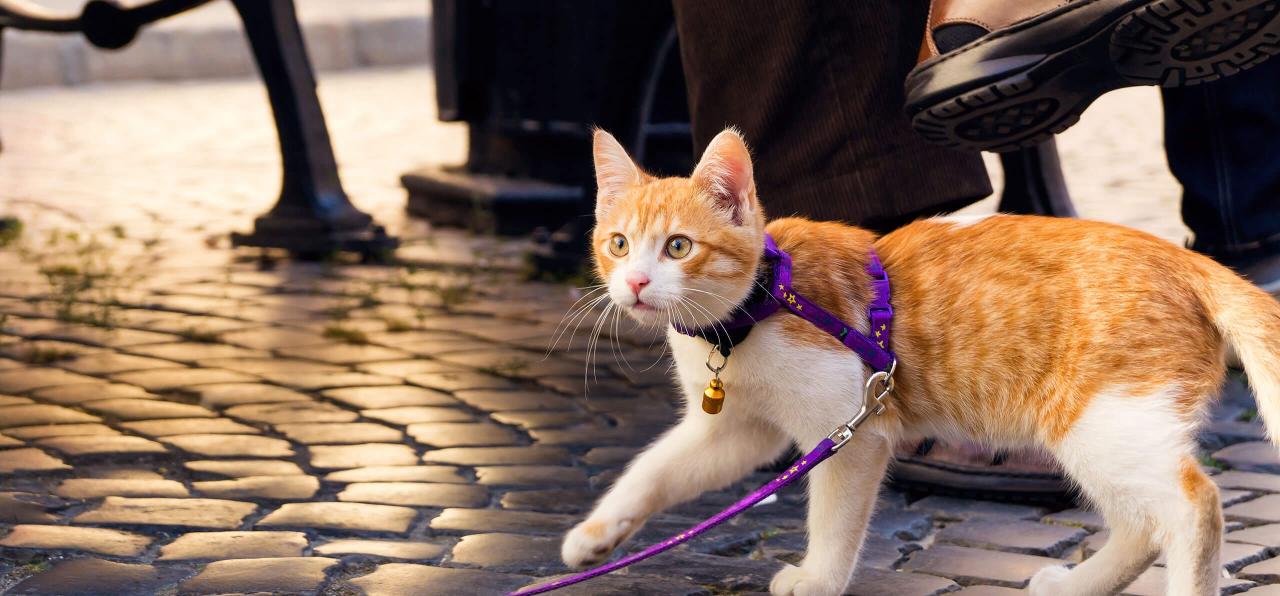
Getting your feline friend comfortable with leash training begins with proper preparation. Selecting the right harness and leash, gradually introducing these tools, and creating positive associations are essential steps that lay the foundation for successful training. Patience and consistency during this phase will ensure your cat feels safe and confident as they adapt to wearing a harness and exploring with a leash.
Proper preparation minimizes stress and encourages a cooperative attitude, making leash training a rewarding experience for both you and your cat. The following steps provide a comprehensive guide to setting up your pet for a safe and enjoyable outdoor adventure.
Selecting the Appropriate Harness and Leash
Choosing the right harness and leash is critical to your cat’s comfort and safety during leash training. The harness should be specifically designed for cats, offering a secure fit without restricting movement or causing discomfort. The leash should be durable yet lightweight, providing enough length to allow exploration while maintaining control.
When selecting these items, consider the following:
- Harness Material: Opt for soft, breathable fabric or padded nylon to prevent chafing and irritation, especially for long-haired breeds or sensitive skin.
- Harness Style: Step-in harnesses or vest-style harnesses distribute pressure evenly, reducing the risk of injury and making it easier to secure properly.
- Size and Fit: Measure your cat’s girth (around the widest part of the chest) and neck, then choose a harness that fits snugly without being tight. Ensure adjustable straps for a customizable fit.
- Leash Length: Start with a 4-6 foot leash, providing enough freedom for exploration while maintaining control. Consider a retractable leash only after your cat is accustomed to walking on a fixed leash.
Introducing the Harness Gradually
Gradual introduction to the harness allows your cat to become familiar with this new accessory without feeling overwhelmed. This process should be patient, allowing your feline to associate the harness with positive experiences and comfort.
Follow these steps for a successful introduction:
- Allow Exploration: Place the harness in your cat’s favorite resting area, encouraging curiosity. Let your cat sniff, investigate, and get accustomed to its presence without any pressure.
- Familiarization with Wearing: Gently drape the harness over your cat’s back for a few seconds, then remove it, offering treats and praise immediately. Repeat this process, gradually increasing the duration over several sessions.
- Partial Wearing: Attach the harness loosely and let your cat wear it for short periods indoors. Reward with treats, gentle petting, and praise to reinforce positive associations.
- Adjusting the Fit: Ensure the harness fits snugly but comfortably, allowing your cat to move freely. Never force the harness onto your cat, as this can cause stress and mistrust.
Creating a Positive Association with Treats and Praise
Building positive associations is key to helping your cat accept the harness and leash with confidence. Using treats and praise during each step reinforces the idea that the harness is a good and safe object, encouraging your cat to look forward to wearing it.
Implement these techniques to foster a positive experience:
- Use High-Value Treats: Offer small, tasty treats that your cat particularly enjoys whenever they interact with the harness, wear it, or remain calm during adjustments.
- Verbal Praise: Speak softly and reassuringly, praising your cat with gentle words like “Good job” or “Well done” every time they tolerate or accept the harness.
- Gentle Handling: During introductions, pet your cat calmly and provide treats to associate your touch with comfort and reward.
- Consistent Routine: Incorporate harness-related activities into daily routines, such as feeding or playtime, to reinforce positive feelings over time.
Remember that patience and consistency are crucial. Each cat is unique, and some may take longer to feel comfortable with a harness. Never force your cat, and always prioritize their comfort and emotional well-being throughout the preparation process.
Step-by-Step Guide to Leash Training
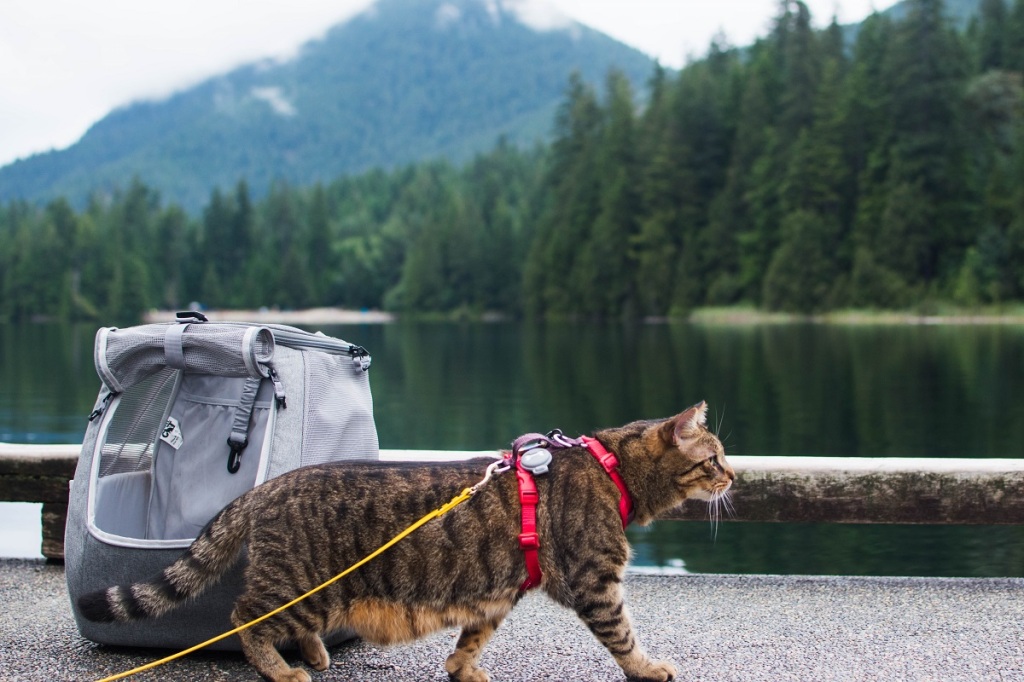
Leash training a cat requires patience, consistency, and a structured approach to ensure a positive experience for both the pet and owner. Developing a step-by-step plan helps facilitate gradual familiarization with the harness and the outdoor environment, ultimately leading to confident and comfortable leash walks. This section Artikels a comprehensive training method to achieve successful leash training for your feline companion.
Implementing a progressive training plan involves initial harness fitting and indoor acclimatization, followed by supervised indoor walks, and then cautious outdoor exploration. Reinforcing calm and relaxed behavior with rewards reinforces positive associations and enhances the likelihood of successful outdoor adventures.
Designing a Progressive Training Plan
Creating a gradual training plan ensures your cat adapts comfortably to each stage of leash training without feeling overwhelmed or stressed. The plan begins with harness introduction and indoor familiarization, then advances to indoor leash walking, and finally progresses to outdoor exploration. Consistency and positive reinforcement are key components throughout each stage.
- Introduce the Harness Indoors: Allow your cat to become accustomed to the harness by placing it in their favorite resting area. Let the cat sniff and explore the harness at their own pace, offering treats and praise to create positive associations. Gradually increase the duration they wear the harness for short periods indoors, ensuring comfort and security.
- Fit the Harness Properly: Ensure the harness fits snugly but comfortably, without restricting movement or breathing. Use a harness specifically designed for cats, with adjustable straps. Watch for signs of discomfort, such as scratching or attempting to remove it, and adjust accordingly.
- Attach the Leash Indoors: Once your cat is comfortable with the harness, clip on the leash while indoors and let your cat drag it around under supervision. This helps them get used to the feel of the leash without feeling restrained.
- Practice Indoor Walks: Hold the leash gently, encouraging your cat to walk alongside you. Use treats or toys to guide and motivate movement. Keep sessions short and positive, gradually increasing the duration as your cat becomes more confident.
- Transition to Outdoor Exploration: When your cat is comfortable indoors, select a secure outdoor space such as a backyard. Begin with brief supervised outdoor sessions, maintaining a calm environment to prevent startling your cat.
Teaching Your Cat to Walk on a Leash Indoors
Indoor leash walks are essential to establish control and confidence before venturing outside. These sessions help your cat learn to follow commands, respond to cues, and enjoy the experience without the added stress of outdoor stimuli.
Start by encouraging your cat to walk on a loose leash, avoiding tension or pulling. Use a clicker or verbal praise to mark desired behavior, such as walking beside you or stopping when commanded. Incorporate treats to reinforce the behavior, gradually shaping your cat’s understanding of acceptable walking manners.
- Practice Short Walks: Begin with brief indoor sessions confined to a safe area. Keep the leash loose and let your cat explore at their own pace, rewarding calm and curious behavior.
- Use Treats and Rewards: Offer small, tasty treats whenever your cat walks beside you or responds to your cues. This positive reinforcement conditions your cat to associate leash walking with pleasant experiences.
- Introduce Commands and Cues: Use consistent verbal cues such as “walk” or “come” along with gentle leash guidance. Over time, your cat will recognize these cues as signals to follow your lead.
- Maintain a Calm Environment: Keep indoor sessions relaxed, avoiding loud noises or sudden movements that could startle your cat. This fosters a sense of safety and encourages calm behavior during walks.
Reinforcing Calm Behavior During Leash Walks
Maintaining a calm demeanor during leash walks is crucial for your cat’s comfort and safety. Reinforcement techniques help your cat associate calmness with positive outcomes, making outdoor walks more enjoyable and less stressful.
Consistent use of reward systems encourages your cat to remain relaxed during walks and helps manage any initial anxiety or excitement. Recognizing and rewarding calm behavior fosters confidence and ensures that leash walks remain a positive experience for your feline friend.
Effective reinforcement strategies include: Using high-value treats, gentle praise, and petting to reward calm behavior. Avoid punishing or restraining your cat, as it can lead to fear and resistance, hindering progress.
- Use High-Value Rewards: Offer treats that your cat finds irresistible, especially when exhibiting calm and relaxed behavior.
- Avoid Overstimulation: Keep walks at a gentle pace, allowing your cat to explore without feeling pressured or overwhelmed.
- Observe and Respond: Notice signs of stress such as dilated pupils, tense body, or tail flicking. If these occur, calmly redirect and reward your cat for calming down.
- Consistency in Reward Timing: Reward immediately after calm behavior to reinforce the connection between the behavior and the positive outcome.
Techniques for Safe and Effective Outdoor Walks
Outdoor walks offer cats a valuable opportunity to explore their environment, exercise, and satisfy their curiosity while ensuring their safety. Implementing proper techniques during these excursions is essential to prevent accidents and promote positive outdoor experiences for your feline companion. By understanding how to select suitable environments, maintain safety protocols, and manage potential distractions, you can help your cat enjoy outdoor walks confidently and securely.
Ensuring a safe outdoor experience involves a combination of choosing appropriate locations, keeping a vigilant eye on your cat, and employing effective management strategies. These measures not only protect your pet from potential hazards but also foster a calm and enjoyable outdoor routine that strengthens your bond and enhances your cat’s well-being.
Choosing Secure Outdoor Environments for Leash Walks
It is crucial to select outdoor spaces that are safe, secure, and minimally exposed to hazards. Ideal locations are enclosed yards, parks with designated pet areas, or quiet neighborhoods with low traffic. These environments reduce the risk of your cat wandering into dangerous zones such as busy roads, areas with aggressive animals, or places with toxic plants.
When choosing a location, observe the surroundings for potential dangers such as sharp objects, poisonous plants, or other animals that could pose a threat. Opt for areas with natural barriers like fences or hedges that can prevent accidental escapes. Always familiarize yourself with the rules and regulations of public parks or outdoor spaces to ensure leashed cats are permitted and their presence does not disturb other visitors.
Methods to Keep the Cat Safe Outdoors
Maintaining safety during outdoor walks involves multiple layers of precaution, starting with proper identification and supervision. Ensuring your cat wears a well-fitted collar with identification tags, including your contact information, can be invaluable in case of accidental escape. Microchipping your cat further enhances their chances of being returned if they become lost.
Supervision is paramount; never leave your cat unattended or out of your sight. Using a harness that fits securely and comfortably will prevent escape and reduce the risk of injury. Conduct regular checks during walks to ensure the harness remains in place and that your cat is comfortable. Additionally, bringing essential items such as water, a small first-aid kit, and a cell phone can prepare you for unexpected situations.
Tips for Managing Distractions and Preventing Escape
Outdoor environments are full of stimuli that can distract or alarm your cat, increasing the likelihood of escape. Managing these distractions involves gradual exposure and positive reinforcement techniques. Introduce your cat to new outdoor sights, sounds, and smells in a controlled manner, rewarding calm behavior with treats or affection.
Preventing escape requires careful harness fitting, distraction management, and a keen awareness of your surroundings. Keep your cat close by using a short leash, especially in unfamiliar or high-traffic areas. Be vigilant for sudden movements or noises that could startle your cat, causing them to attempt to flee. If your cat shows signs of stress or fear, calmly return to a safe, enclosed space and allow them to recover before trying again.
Training your cat to respond reliably to commands such as “come” or “stay” enhances safety and control during outdoor walks.
Troubleshooting Common Challenges

Leash training a cat can sometimes present unexpected hurdles as your feline adjusts to new equipment and outdoor experiences. Understanding common issues and effective strategies to address them is essential for fostering a positive training environment and ensuring your cat’s safety and comfort. This section will explore typical challenges faced during leash training, such as resistance to the harness, pulling, or displaying fear, along with practical solutions to overcome these behaviors.
Identifying and addressing these challenges early can prevent frustration and setbacks, making the leash training process smoother and more enjoyable for both you and your cat. Each cat’s temperament and previous experiences influence how they respond to training, so tailored adjustments are often necessary to achieve success.
Resisting the Harness or Leash
Cats may resist wearing a harness or leash due to discomfort, unfamiliarity, or anxiety. This resistance often manifests as scratching, biting, trying to escape, or refusing to move with the harness on.
To address harness resistance, it is crucial to introduce the harness gradually and positively. Begin by placing the harness near your cat’s resting area, allowing them to investigate it at their own pace without any pressure. Use treats and praise to create a positive association. Once your cat is comfortable with the harness being around, gently place it on their body for short periods, gradually increasing duration as they become more relaxed.
Avoid forcing the harness onto your cat, as this can heighten anxiety and resistance.
If your cat continues to resist, consider adjusting the harness type. Some cats prefer lightweight, padded harnesses, or ones with adjustable straps for a more secure but comfortable fit. Consistency in training sessions, patience, and positive reinforcement are key to overcoming this challenge.
Pulling on the Leash
Pulling is a common issue where cats attempt to rush ahead or drag their owner, which can be stressful and unsafe during outdoor walks. It often results from overexcitement or lack of familiarity with outdoor stimuli.
Addressing pulling involves teaching your cat to walk calmly beside you. Use short, frequent training sessions in a controlled environment initially. When your cat begins to pull, gently stop walking and call them back to you, rewarding them when they return and walk beside you without pulling. Consistent use of treats and praise helps reinforce desired behavior. Additionally, employing a loose-leash training technique, where the leash is kept slack, encourages your cat to stay close and reduces the temptation to pull.
Incorporating a distraction, like a favorite toy or treat, can also redirect your cat’s focus, helping them learn to walk alongside you rather than ahead. Patience and repetition are essential, as pulling often diminishes over time with consistent practice.
Fear or Anxiety During Outdoor Walks
Some cats may exhibit fear or anxiety when introduced to outdoor environments, leading to hiding, trembling, or refusing to move.
Creating a sense of security and gradually exposing your cat to outdoor stimuli is vital. Start with short, calm outdoor sessions where your cat can observe from a safe distance, such as behind a window or while seated on a balcony. Use soothing voice tones, familiar scents, and treats to reassure your cat. As they become more comfortable, slowly increase the duration and proximity to outdoor sights and sounds.
Using calming pheromone sprays or diffusers in your outdoor harness and collar can also help reduce anxiety. Should your cat show signs of distress, it is best to pause the session and allow them to retreat to a familiar, safe space. Never force a cat to confront stressful situations, as this can lead to long-term fear and reluctance. Instead, proceed at your cat’s pace, consistently rewarding calm behavior and gradually building confidence.
Patience, positive reinforcement, and gradual exposure are fundamental principles when troubleshooting common leash training challenges. Adapting routines to meet your cat’s individual needs fosters trust and makes outdoor adventures a rewarding experience.
Tips for Maintaining and Improving Leash Skills
Maintaining and enhancing your cat’s leash skills is an ongoing process that benefits both the pet and owner. Consistent reinforcement and thoughtful progression help ensure your feline companion remains comfortable, confident, and eager for outdoor adventures. Establishing routines and gradually increasing the complexity of walks not only solidifies training but also nurtures a deeper bond between you and your cat.
Integrating leash walks into your regular schedule encourages a positive association with outdoor activities, making outings enjoyable and stress-free.To effectively sustain and improve your cat’s leash skills, it is essential to implement a structured approach that emphasizes routine, gradual challenge, and regular socialization. These strategies help your cat adapt to different environments and scenarios, reducing anxiety and promoting good behavior during outdoor excursions.
Reinforcing Leash Training Through Consistent Routines
Establishing predictable routines is fundamental to reinforcing leash skills. Consistent timing helps your cat anticipate outdoor walks, reducing uncertainty and anxiety. For example, choosing specific times each day or week for walks creates a sense of familiarity and stability. Always begin sessions with a calm environment, allowing your cat to associate the activity with positive feelings. Using treats, praise, or favorite toys during and after walks reinforces good behavior and builds confidence.
Creating a designated area for leash practice within your home or yard also supports reinforcement. Short daily sessions that focus on familiar routines develop muscle memory and comfort. Over time, your cat begins to see leash walks as a positive, regular part of their day rather than an unfamiliar or stressful event.
Gradually Increasing Walk Duration and Complexity
Progressing your cat’s leash skills involves systematically extending the duration and introducing varied challenges. This approach prevents boredom, builds endurance, and enhances adaptability to different environments. Start by increasing walk times in small increments—adding just a few extra minutes each week—while monitoring your cat’s comfort and enthusiasm.As your cat becomes more confident, introduce diverse terrains, such as grassy fields, paved paths, or uneven ground.
These variations stimulate your cat’s senses and improve balance. Incorporate gentle obstacles, such as stepping over small logs or navigating around garden furniture, to develop agility and confidence. Monitoring your cat for signs of fatigue or stress ensures that increases in walk complexity are appropriate. Always maintain a relaxed pace and be ready to return to familiar routes if your cat shows signs of discomfort.
Using positive reinforcement throughout these stages encourages your cat to embrace longer and more challenging walks.
Integrating Leash Walks into Regular Activity Schedules
To maximize the benefits of leash training, embed outdoor walks into your daily or weekly routine. Consistent scheduling establishes a predictable pattern that your cat can look forward to, promoting a sense of security and stability. Incorporate leash walks as part of your morning or evening activities, aligning with your existing routines to make them a natural part of your lifestyle.Diversifying the timing and locations of walks can also prevent habituation and maintain your cat’s interest.
For example, alternating between nearby parks, quiet streets, and backyard explorations keeps outings engaging. This variety exposes your cat to different sights, sounds, and smells, enriching their outdoor experience and enhancing their socialization skills.Additionally, scheduling regular leash walks encourages physical activity, mental stimulation, and bonding. Keep sessions consistent but flexible enough to accommodate your cat’s mood and health. Over time, these walks become an enjoyable and anticipated part of your pet’s weekly schedule, contributing to their overall well-being and development as a confident, leash-trained cat.
Visual and Demonstrative Elements for Better Understanding
Effective leashing training for cats benefits greatly from clear visual aids and demonstrative elements. These tools help pet owners grasp essential techniques more easily, ensuring that training sessions are both safe and enjoyable for the feline and the trainer. Well-designed illustrations and images can bridge gaps in understanding, especially for complex tasks like harness fitting and leash walking, thereby reducing frustration and increasing success rates.Creating detailed step-by-step illustrations of harness fitting ensures that owners can accurately follow each stage, minimizing discomfort or improper fit that could cause the cat to resist training.
Clear diagrams showing the correct placement of the harness, how to adjust straps for a snug yet comfortable fit, and how to secure buckles are invaluable. These visuals should include close-up views of key areas such as the chest strap, the adjustable neck area, and how the harness sits on the cat’s body. Using different colors or labels to highlight each part can enhance comprehension, especially for first-time harness users.Diagrams demonstrating leash walking techniques are essential for teaching cats proper behavior during outdoor walks.
These should depict the correct way to hold the leash, with a gentle but firm grip, and illustrate the appropriate distance to maintain from the cat to avoid pulling or choking. Visual cues such as arrows indicating direction, or symbols showing when to encourage the cat to move forward or stop, can make these concepts clearer. Including images of common scenarios—like approaching distractions or navigating narrow spaces—helps owners visualize how to respond calmly and effectively.Images illustrating positive interactions during training sessions reinforce the importance of rewarding and encouraging cats.
These visuals can depict owners offering treats, gentle petting, or using toys as reinforcements. Showing cats looking relaxed and engaged, with body language indicating comfort and trust, underscores the value of patience and kindness. Such images should capture moments of successful communication, including a cat calmly walking beside its owner or accepting treats, to motivate owners to maintain a positive and stress-free training environment.By integrating these visual and demonstrative elements, trainers can provide a comprehensive learning experience that caters to various learning styles.
Clear, detailed illustrations and images foster better understanding, promote consistency, and ultimately support the successful leash training of cats.
Concluding Remarks
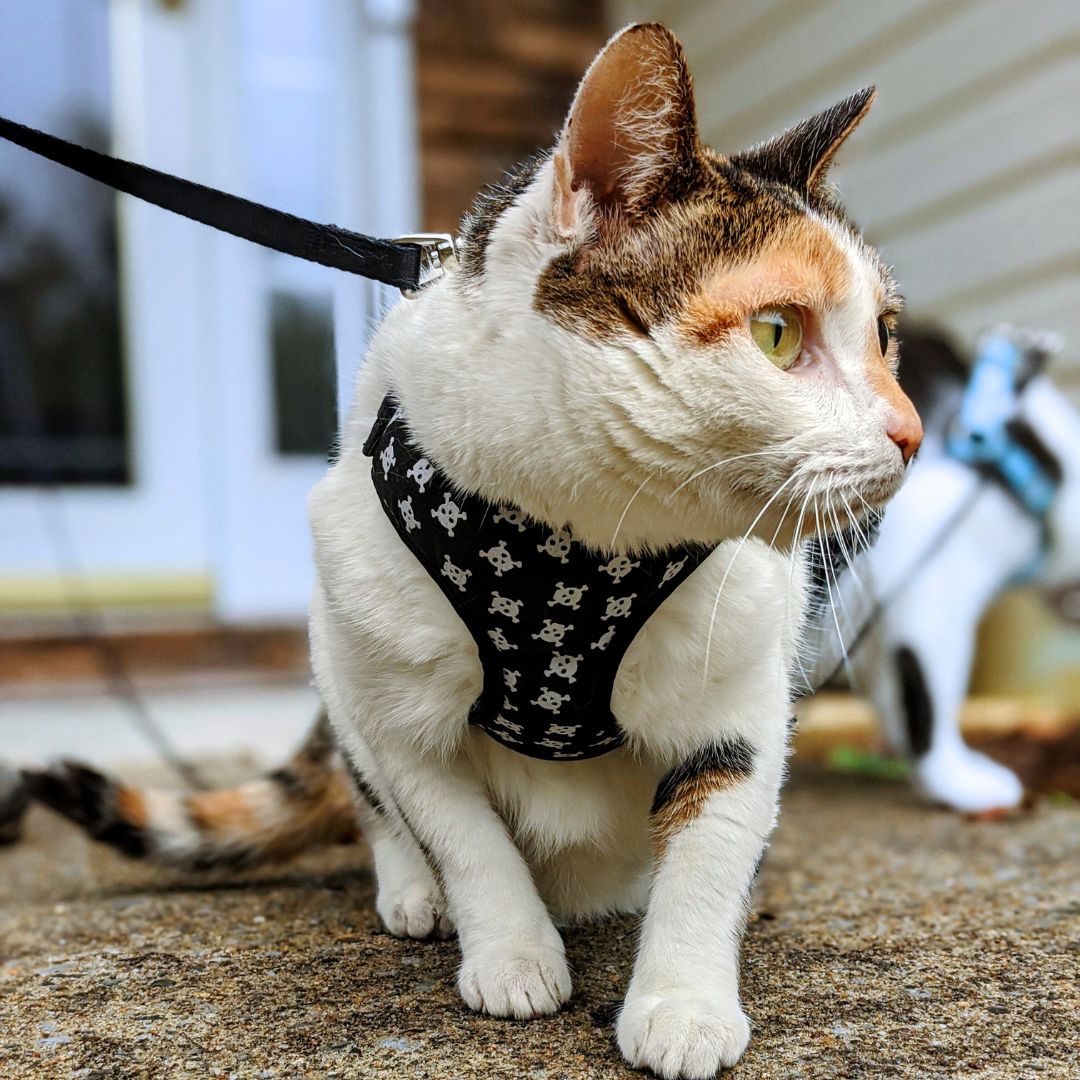
In conclusion, mastering how to leash train a cat is a rewarding journey that enhances safety and enriches your cat’s life. Consistency, patience, and positive reinforcement are key to building trust and ensuring enjoyable outdoor excursions. With diligent practice and the right approach, your feline friend will soon look forward to their leash walks as a delightful part of your daily routine.