Understanding how to stop cat aggression is essential for creating a harmonious environment for both feline companions and their owners. Addressing aggressive behavior requires knowledge of underlying causes, recognition of warning signs, and the implementation of effective strategies. By fostering a calm and enriching setting, pet owners can significantly reduce aggressive tendencies and promote healthier interactions.
This comprehensive guide explores the key aspects of identifying, managing, and preventing feline aggression through immediate techniques, long-term behavioral modifications, environmental adjustments, and professional interventions when necessary. Equipped with this knowledge, cat owners can ensure a safer and more joyful living experience for their pets.
Understanding Cat Aggression

Feline aggression can be a distressing behavior for pet owners, but understanding its underlying causes is essential for effective management. Recognizing the triggers and variations in aggressive behavior allows for better intervention strategies and promotes a harmonious relationship between cats and their human companions.
Cat aggression typically stems from a combination of biological, environmental, and emotional factors. It is important to distinguish between different types of aggression to address them appropriately. By examining common causes such as territoriality, fear, and pain, along with environmental influences, pet owners can develop more targeted approaches to reduce aggressive incidents and improve their cat’s well-being.
Common Causes of Feline Aggression
Several internal and external factors contribute to aggressive behavior in cats. These causes often interplay, resulting in complex behavioral patterns that may vary from one feline to another. Understanding these causes is crucial for establishing effective behavioral management and, when necessary, seeking veterinary assistance.
- Territoriality: Cats are naturally territorial animals. They may become aggressive when they perceive a threat to their territory, such as the introduction of new pets, unfamiliar visitors, or changes in their environment. This behavior is often characterized by hissing, swatting, or blocking access to certain areas.
- Fear: Fear-induced aggression is a common response when a cat feels threatened or cornered. For instance, loud noises, sudden movements, or unfamiliar stimuli can trigger defensive reactions, including growling, arching, or biting.
- Pain or Discomfort: Physical pain or illness can cause a cat to become irritable and aggressive. Conditions such as dental problems, arthritis, or injuries may not be immediately visible but can significantly influence behavior, especially if the cat is touched in sensitive areas.
Environmental Factors Influencing Aggressive Behavior
The environment in which a cat lives plays a pivotal role in shaping its behavior. Stressful or unpredictable surroundings can heighten aggression, while a stable, enriching environment can promote calmer conduct. Recognizing and modifying environmental factors can greatly reduce aggressive episodes.
- Limited Space: In cramped living conditions, cats may feel confined, leading to frustration and territorial disputes. Overcrowding can also increase competition for resources like food, water, and resting areas.
- Inadequate Enrichment: Boredom and lack of stimulation can cause frustration, which may manifest as aggression. Providing toys, scratching posts, and opportunities for climbing can help alleviate these issues.
- Stressful Changes: Moving to a new home, introducing new pets, or changes in routine can induce stress, often resulting in defensive or offensive aggression as a coping mechanism.
Defensive vs. Offensive Aggression
Understanding the distinction between defensive and offensive aggression is key to addressing feline behavior appropriately. Each type reflects different emotional states and requires tailored intervention strategies.
Defensive aggression occurs when a cat perceives itself as threatened or cornered. It is a protective response aimed at warding off perceived danger and often involves hissing, growling, puffing up, and swatting.
Offensive aggression is initiated by the cat without an immediate threat, often to establish dominance or express frustration. This type of aggression might include biting, scratching, or lunging towards other animals or humans.
For example, a cat that hisses and swats when a visitor approaches its favorite resting spot exhibits defensive aggression. Conversely, a cat that suddenly lunges and bites during a play session to assert dominance demonstrates offensive behavior. Recognizing these responses enables owners to respond appropriately—either by avoiding provoking cues or by providing environmental enrichment and behavior modification techniques.
Identifying Signs of Aggression in Cats

Recognizing early warning signs of aggression in cats is essential for preventing escalation and ensuring safety for both the animal and its environment. Cats often communicate their feelings through subtle body language cues that, if misunderstood, can lead to sudden aggressive outbursts. Understanding these signals allows pet owners and caregivers to intervene proactively and modify interactions accordingly.
By carefully observing behavioral patterns and physical cues, it becomes possible to identify when a cat is beginning to feel threatened, irritated, or overwhelmed. This awareness helps in implementing calming strategies or adjusting the environment to de-escalate potential conflicts before they escalate into biting, scratching, or other aggressive behaviors.
Signs of Escalating Aggression
The following list highlights common body language cues that indicate a cat is becoming increasingly aggressive or agitated. Recognizing these signs early can facilitate timely intervention and help prevent serious confrontations.
- Flattened ears: Ears pinned back against the head signal fear or irritation.
- Stiff body posture: A tense, rigid stance indicates heightened arousal or readiness to attack.
- Raised fur (piloerection): The fur along the back and tail fluffs out as a sign of defensiveness or agitation.
- Intense stare: Fixed, unblinking gazes suggest focus on a perceived threat and potential escalation.
- Blazing or dilated pupils: Enlarged pupils may reflect excitement, fear, or aggression.
- Swatting or pawing: Rapid, aggressive swipes with claws extended indicate the cat feels threatened or annoyed.
- Hissing or growling: Vocal cues that accompany physical signs signal the cat is warning of imminent aggression.
- Tail thrashing or puffed tail: Rapid tail movements or a puffed tail denote agitation and readiness to defend.
Understanding the progression of these signals allows caregivers to anticipate aggressive behavior. Typically, these cues appear in a sequence, starting with subtle signs like ear flattening or pupils dilation, progressing to more overt behaviors such as growling or swatting. Recognizing this pattern provides an opportunity to calmly disengage or redirect the cat’s attention before aggression occurs.
Behavioral Patterns Leading Up to Aggression
Monitoring behavioral sequences helps identify when a cat is approaching a threshold of aggression. These patterns often follow a series of escalating cues that, if observed early, can be addressed effectively.
- Initial signs of unease: The cat may avert its gaze, twitch its tail lightly, or shift position frequently.
- Increased alertness: The cat’s pupils may dilate, ears flatten, and body stiffen, indicating heightened arousal.
- Vocal warnings: Hissing, growling, or yowling may accompany physical cues, signaling the cat’s discomfort.
- Physical posturing: The cat may arch its back, puff up fur, or adopt a crouched stance, preparing for defensive action.
- Active aggression: Swatting, lunging, biting, or scratching occur if the cat perceives no other way to escape or communicate.
By observing these behavioral patterns, owners can identify the precise moment when a cat transitions from normal curiosity or playfulness to potential aggression. Intervening at early stages—such as removing the cat from the situation or providing a safe retreat—can significantly reduce the likelihood of an aggressive outburst.
Visual Descriptions of Aggressive Versus Normal Behavior
| Behavior | Body Language | Possible Triggers |
|---|---|---|
| Normal Behavior |
|
|
| Aggressive Posture |
|
|
Immediate Strategies to Calm an Aggressive Cat
Managing an aggressive feline in the moment requires quick, calm, and safe actions to prevent escalation and ensure the safety of both the cat and those nearby. Recognizing the urgency of such situations, it’s essential to understand effective procedures to redirect your cat’s attention and create a calming environment promptly. These immediate strategies can help de-escalate aggressive behaviors and prevent injury or stress from worsening.Aggressive behavior in cats can often be triggered by sudden stimuli, fear, or territorial disputes.
Responding swiftly and appropriately can prevent the aggression from intensifying and help your cat feel secure, reducing the likelihood of future episodes. Employing a combination of distraction techniques, environmental adjustments, and safe retreat options forms the cornerstone of immediate intervention.
Procedures for Safely Redirecting a Cat’s Attention During Aggression
During moments of feline aggression, maintaining safety for both the animal and humans is paramount. To do so effectively, it is important to utilize distraction and redirection techniques that do not provoke further aggression. The following procedures are recommended:
- Maintain Personal Safety: Avoid direct physical contact or attempts to restrain the cat, as this may provoke bites or scratches. Instead, use a barrier such as a thick towel or a piece of furniture to gently block the cat’s line of sight or to create distance.
- Use Distraction with Sound or Movement: Clang a metal object, clap loudly away from the cat, or use a gentle, sudden noise to divert its attention. Alternatively, tossing a soft toy or a crumpled piece of paper in the opposite direction can redirect focus without confrontation.
- Introduce Aromatic or Visual Distractions: Use items with calming scents like lavender or valerian, or introduce a visual distraction such as a moving toy or a laser pointer directed away from the cat to divert its attention.
- Employ Gentle Physical Guidance if Necessary: If the cat is on the verge of lashing out, gently guiding it away using a broom or long stick, without touching the cat directly, can be effective. Be cautious to avoid provoking further agitation.
Quick Calming Techniques and Environmental Adjustments
In an aggressive episode, rapid environmental modifications can help soothe the cat and reduce stimuli that may intensify aggression. These techniques focus on minimizing stress factors and promoting calmness through strategic adjustments:
Implementing calming modifications swiftly can make a significant difference in de-escalating aggression. These adjustments include reducing visual stimuli, lowering noise levels, and creating a sense of security within the environment.
- Reduce Visual Triggers: Cover windows or close blinds to eliminate external stimuli, such as passing animals or people, that might trigger territorial or defensive behavior.
- Lower Noise Levels: Turn off loud appliances, music, or other noise sources, and speak softly to avoid startling the cat further.
- Create a Calm Atmosphere: Use a diffused essential oil diffuser with calming scents, such as lavender, or play soft classical music designed for feline relaxation.
- Use Pheromone Diffusers: Plug-in products emitting synthetic feline facial pheromones can quickly help reduce stress and aggression in the environment.
Safe Spaces and Retreat Areas for De-Escalation
Providing a designated retreat area is vital for a cat experiencing aggression, offering an environment where it can recover and regain composure without feeling threatened. These spaces should be easily accessible and designed to promote safety and comfort.
Ensuring your cat has a designated safe zone can significantly reduce stress levels during and after aggressive episodes. These areas should be quiet, secluded, and equipped with familiar bedding and toys to encourage relaxation.
- Quiet Retreats: A small, enclosed room such as a bathroom or a corner with soft bedding where the cat can hide and feel secure. Ensure this space is free from loud noises or sudden movements.
- Accessible Elevated Spaces: Cat trees or shelves that allow the feline to observe from a height can help it feel safe and in control, reducing the likelihood of aggressive outbursts.
- Consistency and Familiarity: Keep the retreat area stocked with familiar objects, such as the cat’s bed, favorite blanket, or toys, to foster a sense of security and familiarity.
- Monitoring and Respecting Boundaries: Allow the cat to access the safe space without forcing it and respect its need for solitude until it signals readiness to re-engage.
Long-term Behavior Modification Techniques
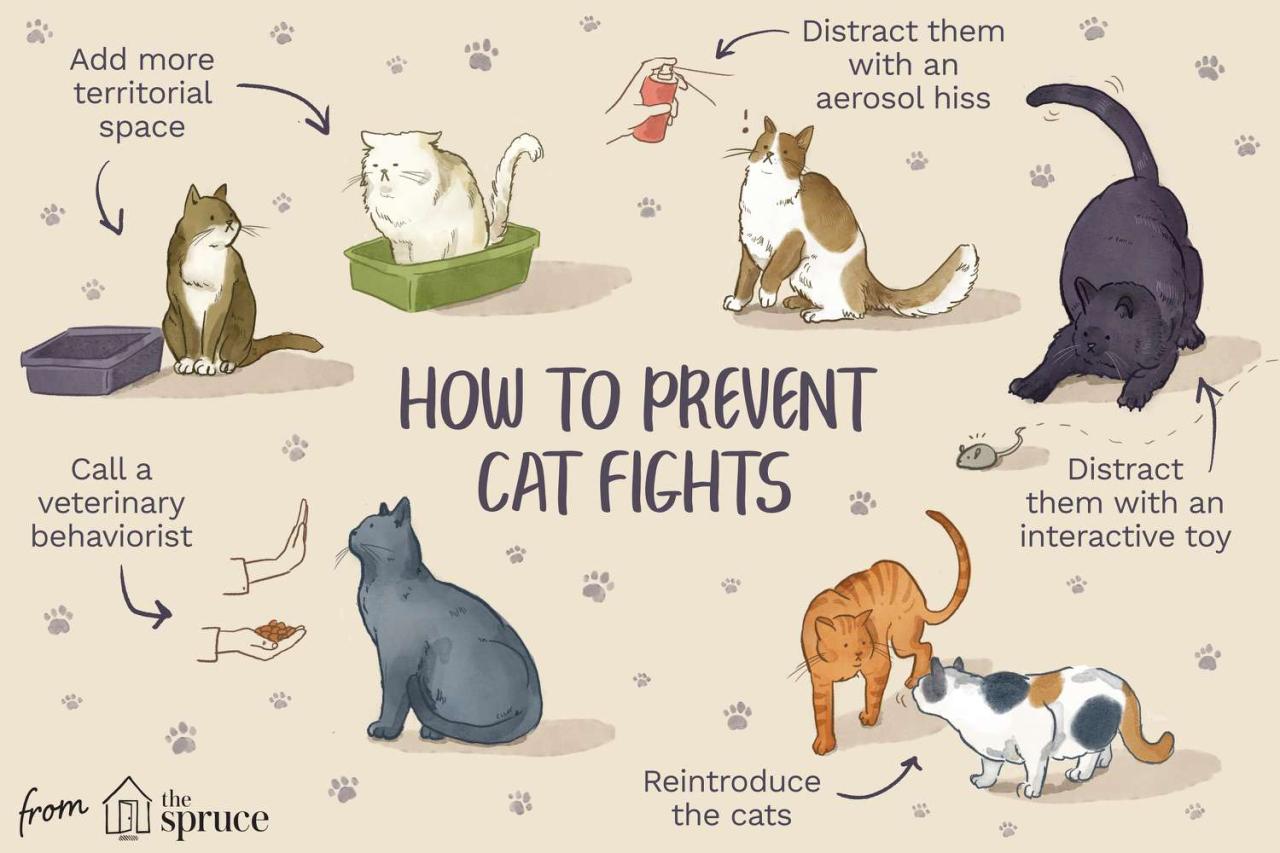
Achieving lasting reductions in feline aggression often requires strategic, consistent efforts that reinforce positive behaviors and modify underlying patterns. Implementing effective long-term techniques can significantly improve the harmony between cats and their owners, fostering a more peaceful and enriching environment.
These techniques focus on shaping the cat’s behavior over time through positive reinforcement, routine establishment, and environmental adjustments. By consistently applying these methods, pet owners can influence their cats’ responses, minimize triggers for aggression, and encourage desirable behaviors that persist beyond immediate reactions.
Positive Reinforcement Training
Positive reinforcement is a proven method for encouraging good behavior in cats by rewarding them when they act appropriately, thereby increasing the likelihood of recurrence. This approach requires patience, consistency, and an understanding of what the cat finds rewarding.
Steps for effective positive reinforcement include identifying desirable behaviors, selecting suitable rewards, timing the reward immediately after the behavior, and gradually reducing dependence on treats as the behavior becomes habitual. For example, if a cat exhibits calm behavior during interactions, rewarding it with a treat or gentle praise reinforces that calm response. Over time, this encourages the cat to repeat the behavior in similar contexts, gradually reducing aggressive tendencies.
Consistent training sessions paired with positive reinforcement can help reshape aggressive responses into calm, non-threatening behaviors. It is essential to maintain patience and avoid punishment, which can exacerbate aggression and distrust.
Rewards and Their Use in Reducing Aggression
The effectiveness of positive reinforcement hinges on selecting appropriate rewards based on what motivates the individual cat. Different rewards serve distinct purposes and should be used thoughtfully to support behavior modification efforts.
| Reward Type | Use Case | Timing | Tips |
|---|---|---|---|
| Treats | Encouraging specific behaviors like calmness or gentle interactions | Immediately after the desired behavior | Use small, healthy treats to maintain interest without overfeeding |
| Verbal Praise | Reinforcing non-physical behaviors such as observing calmly from a distance | Right after the behavior occurs | Use a gentle, positive tone to associate praise with calm behavior |
| Playtime | Redirecting energy away from aggression during tense moments | Following the display of positive behavior | Use favorite toys to reward calmness and provide mental stimulation |
| Environmental Rewards | Creating a safe space that reduces triggers for aggression | Consistently maintained | Ensure the environment remains enriching and free from stressors |
Importance of Routine and Environmental Enrichment
Consistency in daily routines and the provision of a stimulating environment are crucial in preventing the development or escalation of aggressive behaviors. Cats thrive on predictability, which reduces anxiety and stress-related triggers that often lead to aggression.
Maintaining regular feeding, play, and resting schedules helps create a sense of security. Additionally, environmental enrichment, such as providing scratching posts, elevated spaces, hiding spots, and interactive toys, keeps a cat mentally and physically stimulated. An enriched environment minimizes boredom and frustration, which are common catalysts for aggression.
Adjustments to the environment should also include safe zones where the cat can retreat when feeling threatened, reducing the likelihood of aggressive encounters. Consistent routines and enriched surroundings foster a sense of control and security, ultimately contributing to a more balanced and less aggressive feline behavior.
Environmental and Lifestyle Adjustments
Modifying the home environment and daily routines can significantly reduce triggers that lead to feline aggression. A calm, predictable, and enriching setting helps promote relaxation and minimizes stress-induced behaviors. Tailoring the environment to meet a cat’s specific needs is a proactive approach that complements behavioral training and management strategies.
Implementing these adjustments requires careful observation of the cat’s responses and a commitment to creating a safe, stimulating space. When done thoughtfully, these changes can foster a sense of security, prevent escalation of aggressive tendencies, and enhance the overall well-being of your feline companion.
Modifying the Home Environment to Reduce Triggers
Creating a tranquil and predictable home environment involves identifying common stressors and systematically reducing or eliminating them. This includes managing noise levels, providing quiet resting places, and establishing consistent routines. It also involves designing spaces that allow your cat to withdraw from potentially overwhelming stimuli, such as busy household areas or loud appliances.
Positioning furniture to create secluded spots where your cat can retreat provides a safe haven during stressful moments. Using visual barriers or placing furniture in a way that minimizes sudden exposure to unfamiliar visitors or loud sounds can prevent triggering defensive behaviors. Additionally, maintaining a predictable daily schedule for feeding, play, and rest helps reduce anxiety and promotes a sense of stability.
Enrichment Activities for Calmness and Behavior Reduction
Enrichment activities not only stimulate a cat’s natural instincts but also serve as outlets for energy, reducing frustration that may lead to aggression. Incorporating varied and engaging stimuli into daily routines can promote calmness and improve overall behavior. Here are some effective enrichment options:
- Interactive Toys: Use puzzle feeders or toys that require problem-solving to engage your cat mentally and physically.
- Vertical Spaces: Install cat trees, shelves, or window perches to allow climbing and observation, satisfying natural climbing instincts.
- Regular Play Sessions: Schedule daily active play with wand toys or laser pointers to burn excess energy constructively.
- Quiet Hideouts: Provide cozy beds or covered spaces where your cat can retreat and feel secure, especially during stressful times.
- Environmental Scents and Sounds: Use calming pheromone diffusers or play soft background music to soothe nerves and create a relaxing atmosphere.
Checklist for Creating a Safe, Stimulating Environment
Establishing an environment that minimizes triggers and encourages positive behaviors is essential for cats prone to aggression. The following checklist ensures a comprehensive approach to environmental and lifestyle modifications:
| Item | Details |
|---|---|
| Safe Retreat Areas | Designate quiet, accessible spots where your cat can escape stress or overstimulation. |
| Vertical Climbing Spaces | Install shelves, perches, or trees to satisfy climbing urges and provide vantage points. |
| Consistent Routine | Maintain regular feeding, play, and rest schedules to reduce anxiety. |
| Enrichment Toys | Offer puzzle feeders, interactive toys, and activities that stimulate natural hunting and playing instincts. |
| Environmental Control | Limit exposure to loud noises, sudden movements, or unfamiliar visitors during sensitive periods. |
| Pheromone Diffusers | Use calming pheromones in areas where your cat spends most of their time to promote relaxation. |
| Visual Barriers | Utilize furniture or screens to block views of outdoor animals or noisy surroundings that may trigger aggression. |
| Play and Exercise | Schedule daily sessions of active play to help burn off excess energy and reduce aggression triggers. |
Creating an environment that fosters safety, predictability, and enrichment significantly contributes to reducing feline aggression and supporting a harmonious household.
When to Seek Professional Help
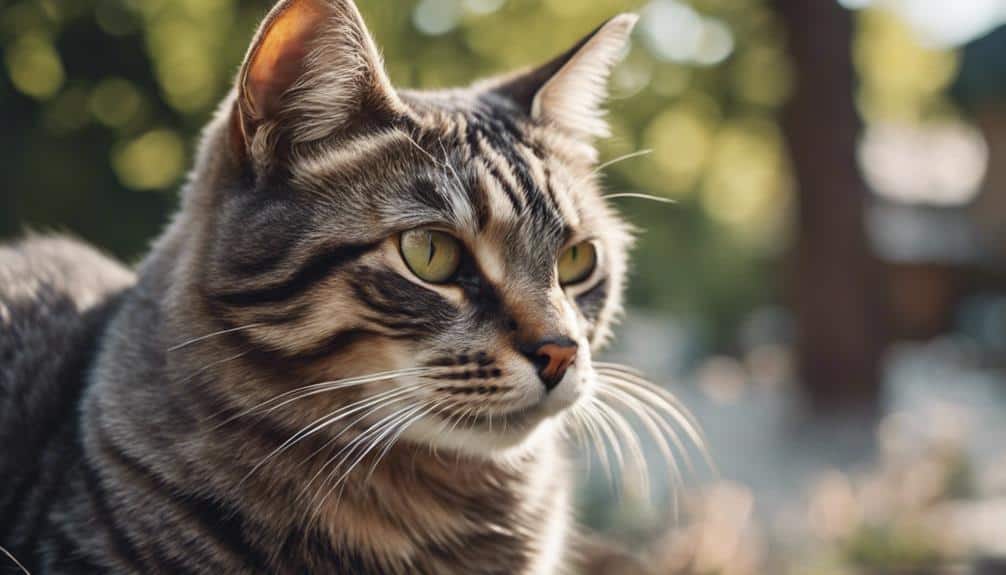
Recognizing the appropriate moments to consult veterinary or animal behavior specialists is crucial for effectively addressing persistent or severe cat aggression. While many aggressive behaviors can be managed through environmental modifications and behavioral techniques, there are situations where professional intervention becomes necessary to ensure the safety and well-being of both the cat and those around it.
Professional help is particularly important when aggressive behaviors escalate or fail to improve despite consistent application of behavioral strategies. Early consultation can prevent potential injuries, reduce stress for the cat, and facilitate tailored treatment plans that address underlying issues often invisible to the owner.
Signs Indicating the Need for Veterinary or Behavioral Intervention
Owners should be attentive to specific signs that suggest aggressive behaviors may require expert assessment and treatment. These indicators include:
- Persistent or increasing aggression that does not respond to environmental or behavioral modifications.
- Aggression that results in injuries to humans or other pets.
- Unusual or sudden shifts in behavior, such as aggression emerging without apparent cause or after a stressful event.
- Signs of pain or discomfort accompanying aggressive acts, such as vocalizing, guarding certain areas, or avoiding contact.
- Aggressive behavior that is accompanied by other concerning symptoms like lethargy, loss of appetite, or changes in litter box habits, which may indicate underlying health issues.
Engaging with a professional becomes especially vital if the aggression appears to stem from or lead to fear, anxiety, or other emotional disturbances, which can be complex and require specialized intervention to resolve effectively.
Step-by-Step Guide for Consulting a Professional
To ensure a productive consultation, owners should prepare thoroughly. The following steps can facilitate effective communication with veterinary or behaviorist professionals:
- Document Behavior Patterns: Keep a detailed record of aggressive incidents, including times, triggers, and the cat’s responses. Note any changes in environment, health, or routine that occurred prior to escalation.
- Gather Medical History: Collect previous veterinary records, vaccination status, and any recent health concerns or treatments.
- Identify Potential Triggers: Observe and note specific stimuli or situations that precede aggression, such as unfamiliar visitors, loud noises, or certain interactions.
- Prepare Questions: List questions about potential underlying causes, treatment options, and management strategies tailored to your cat’s needs.
- Be Open to Evaluation: Understand that the professional may conduct a thorough physical examination and behavioral assessment to diagnose the issue accurately.
Types of Treatments and Therapies Recommended for Aggressive Cats
Depending on the underlying cause and severity of aggression, professionals may suggest a variety of interventions. These methods aim to modify behavior, address medical issues, or both:
| Treatment or Therapy | Description |
|---|---|
| Behavioral Therapy | Structured behavior modification plans that may include positive reinforcement, desensitization, and counter-conditioning techniques to alter aggressive responses. |
| Medication | Prescription drugs such as anti-anxiety medications, antidepressants, or sedatives may be recommended to reduce anxiety or agitation contributing to aggression. |
| Environmental Enrichment | Enhancing the cat’s environment with stimulating toys, hiding spots, and safe spaces to reduce stress and prevent triggers. |
| Medical Treatment | Addressing underlying health issues through veterinary care, pain management, or dental treatment that could be causing irritability or aggression. |
| Consultation with a Certified Animal Behaviorist | Engaging specialists with advanced training in feline behavior to develop customized intervention plans and guide owners through complex cases. |
End of Discussion
In summary, effectively managing and stopping cat aggression involves understanding its roots, observing behavioral cues, applying immediate calming methods, and making thoughtful environmental changes. Consistent training and seeking professional help when needed are vital steps towards fostering a peaceful relationship with your feline friend. With patience and proper strategies, a more harmonious and stress-free coexistence is well within reach.