Learning how to crate train a cat can significantly enhance both pet safety and household harmony. This process, when approached correctly, fosters a secure environment for your feline friend while helping manage their behavior effectively. Understanding the benefits and common misconceptions about crate training is essential for a successful experience, making it a valuable skill for cat owners seeking a well-adjusted companion.
This guide offers detailed steps on selecting appropriate crates, creating inviting environments, introducing your cat gradually, and establishing positive routines. With patience and consistency, crate training can become a rewarding journey that strengthens your bond and ensures your cat’s well-being.
Introduction to crate training for cats
Crate training is a valuable process that involves introducing your cat to a designated confined space, typically a crate or carrier, to foster their sense of security and facilitate various aspects of care. While often associated with dogs, crate training for cats offers numerous benefits that contribute to a safer, calmer, and more manageable environment for both the feline and their owner.
Many misconceptions surround crate training for cats, primarily the belief that it is inhumane or that it causes distress. However, when implemented thoughtfully and gradually, crate training can be a positive experience that enhances your cat’s well-being. It provides a safe retreat during stressful events such as visits to the veterinarian, travel, or home renovations, reducing anxiety and promoting calm behavior.
Benefits of crate training for cats and their owners
Understanding the advantages of crate training can help owners appreciate its importance. Properly crate-trained cats tend to experience less stress during travel or veterinary visits, as they are already familiar with a secure space. This familiarity can reduce fear and aggression, making handling and transportation safer and more comfortable.
For owners, crate training simplifies caregiving routines including administering medication, grooming, or cleaning. It also minimizes the risk of cats escaping or getting injured during emergencies or household chaos. Additionally, crate training can help manage behavioral issues, such as destructive scratching or inappropriate urination, by providing a designated space where the cat feels safe and can learn boundaries.
Common misconceptions about crate training cats
Some individuals believe that crate training is cruel or that it confines cats for excessive periods, leading to emotional distress. This misconception ignores the importance of gradual acclimation and the need for the cat’s comfort and choice. Crate training, when done properly, should be a positive association rather than a punishment.
Another misconception is that cats naturally dislike enclosed spaces; however, many cats find comfort in confined areas, similar to how they seek out cozy hiding spots. Proper introduction and positive reinforcement are essential to dispel these myths and ensure the training process is humane and effective.
Essential tools and materials needed for crate training
Preparing the appropriate tools and materials sets the foundation for successful crate training. The right equipment ensures your cat’s safety, comfort, and willingness to accept the crate as a familiar space.
- Appropriate crate or carrier: Choose a size that allows your cat to stand, turn around, and lie down comfortably, ideally with ventilation on all sides.
- Soft bedding or blanket: Provide a cozy layer inside the crate to make it inviting and comfortable for resting.
- Toys and treats: Use familiar toys and tasty treats to encourage positive associations with the crate.
- Feliway or calming sprays: Consider pheromone diffusers or sprays designed to reduce anxiety in cats during the training process.
- Patience and consistency: While not physical tools, these qualities are crucial to ensure gradual and stress-free training, fostering a trusting relationship between owner and cat.
By gathering these essential items and understanding their roles, owners can create an environment conducive to successful crate training, making the process smoother and more enjoyable for their feline companions.
Preparing the crate environment

Establishing an appropriate crate environment is a fundamental step in the crate training process for cats. An optimally prepared crate can serve as a safe haven, encouraging your feline to enter voluntarily and feel secure during training and in daily life. Proper preparation involves selecting a suitable crate, making it inviting and comfortable, and positioning it thoughtfully within your home to promote positive associations and ease of access.
Attention to these details ensures that your cat perceives the crate as a comfortable, safe space rather than a confinement, thereby facilitating smoother training and reducing stress during transitions or travel.
Selecting an appropriate crate for a cat
Choosing the right crate is crucial to support your cat’s comfort and safety. A suitable crate should be spacious enough for the cat to stand, turn around, and lie down comfortably, while also being well-ventilated. The material of the crate can vary; options include wire, plastic, or fabric, each with advantages depending on the use case. Wire crates, for example, provide excellent airflow and visibility, which can help reduce anxiety, whereas plastic crates offer a more enclosed environment that some cats prefer.
The crate should have a secure door or closure mechanism that prevents accidental escapes but is easy for you to open.
Tip: Measure your cat’s length, height, and width to select a crate that offers at least 2-3 inches of extra space on all sides, ensuring comfort without excess room that might increase anxiety or movement during travel.
Making the crate inviting and comfortable
Creating an inviting crate environment involves adding elements that appeal to a cat’s senses and provide comfort. Start by lining the crate with soft bedding that is washable and appropriately sized. Including familiar items, such as a blanket or garment with your scent, can help your cat associate the space with comfort and safety. Providing toys, especially those that are safe for enclosed spaces, can also encourage exploration and positive feelings towards the crate.
Ensure the bedding and toys are clean and free from any sharp edges or small parts that could be ingested. Incorporating a scratching pad or a favorite plush toy can further make the crate feel like a cozy retreat. Consistent use of these comforting items fosters a positive attitude toward the crate, turning it into a secure sanctuary rather than a place of confinement.
Positioning the crate in a safe, quiet location within the home
The placement of the crate significantly influences your cat’s willingness to enter and remain comfortable. Position the crate in a quiet, low-traffic area away from loud noises and direct sunlight. It is beneficial to situate the crate in a space where your cat can observe household activity without feeling overwhelmed, such as a corner of a living room or a bedroom.
Proper positioning promotes a sense of security and reduces stress during training sessions.
| Factor | Description | Examples |
|---|---|---|
| Safety | The crate should be placed in an area free from hazards such as cords or toxic plants. It should be stable and secure to prevent tipping or movement that might scare your cat. | Corner of a living room, away from heavy foot traffic, on a non-slip mat. |
| Quietness | Positioning in a low-noise environment helps prevent stress and encourages voluntary entry. Avoid locations near loud appliances or busy kitchens. | Near a window with minimal street noise, in a cozy corner of a bedroom. |
| Visibility | The crate should be placed where your cat can see household activity but still feel secure. Avoid completely secluded spots where your cat might feel isolated. | Adjacent to a common area but tucked into a corner for privacy. |
Introducing the Cat to the Crate
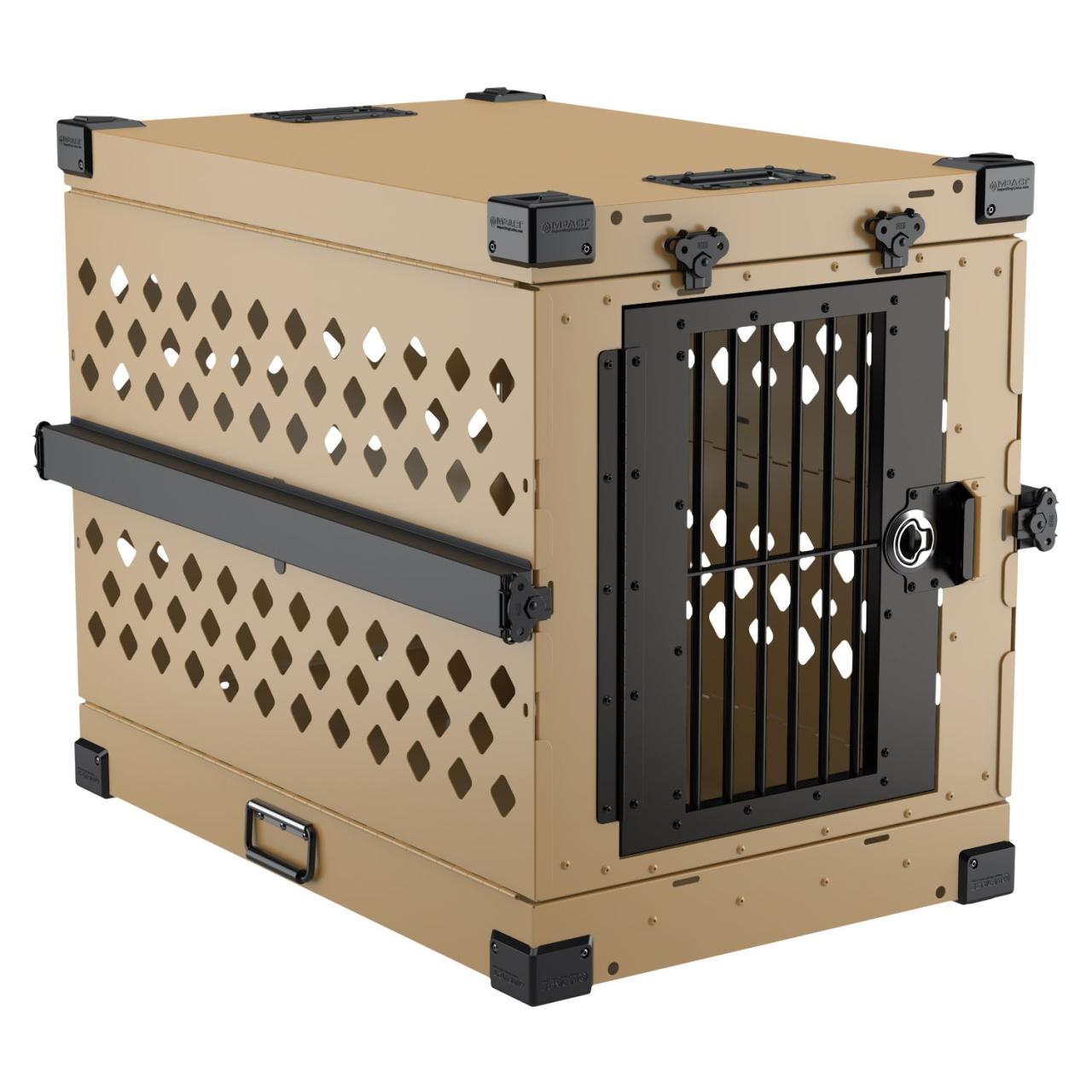
Introducing a cat to its crate is a crucial step that sets the foundation for successful crate training. This process requires patience, consistency, and a gentle approach to ensure the cat perceives the crate as a safe and positive space. Proper introduction minimizes stress and encourages voluntary entry, making future use of the crate smoother and more comfortable for both pet and owner.
Encouraging a cat to enter the crate voluntarily involves a combination of environmental cues, positive reinforcement, and careful timing. Cats are naturally curious creatures, but they can also be cautious or wary of new objects. Therefore, creating an inviting environment and using motivating techniques are essential to foster a positive association with the crate, ultimately leading to cooperative behavior and reduced anxiety during training sessions.
Techniques for Encouraging Voluntary Entry
Employing gentle, reward-based techniques helps motivate a cat to explore and enter the crate on its own. Starting by placing the crate in a familiar area or a space where the cat already feels comfortable can significantly reduce apprehension. Gradually, the cat can be encouraged to approach the crate, with the door open and accessible, to explore at its own pace.
Using a calm voice and slow movements during introduction prevents adding to the cat’s apprehension. Placing familiar bedding or toys inside the crate can also make it more inviting. The goal is to create a positive, non-threatening environment where the cat feels safe to investigate and eventually enter the crate voluntarily.
Using Treats, Praise, and Clicker Training
Positive reinforcement methods are highly effective in crate training. Treats serve as immediate rewards for entering or investigating the crate, reinforcing the desired behavior. Small, tasty treats such as bits of cooked chicken or commercial cat treats work well. When the cat approaches or steps inside the crate, offering praise and gentle petting adds to the positive experience.
Clicker training can also be incorporated to mark the exact moment the cat enters the crate. The clicker provides a consistent auditory cue that signifies a correct behavior, followed by a treat or affection. Over time, the cat learns to associate the clicker sound with positive outcomes, making the process of entering the crate more predictable and encouraging.
Common Challenges During Introduction and Their Solutions
While introducing a cat to the crate, certain challenges may arise that require strategic solutions to maintain progress and reduce stress:
- Reluctance or fear of the crate: Gradually acclimate the cat by leaving the crate door open and placing treats or toys inside without forcing entry. Patience and positive reinforcement are key to overcoming fear.
- Hiding or avoiding the crate: Use familiar bedding and place the crate in a frequently visited area. Encourage exploration by leaving the door open initially, allowing the cat to feel in control.
- Aggression or defensive behavior: Give the cat space and avoid sudden movements. Use calm verbal cues and treats to coax the cat to approach voluntarily, ensuring the experience remains positive.
- Resistance to entering during training sessions: Keep sessions short and positive, ending on a good note. Use high-value treats and praise to motivate the cat to repeat the behavior.
Consistency, patience, and positive reinforcement are the cornerstones of successful crate introduction, transforming the crate from a source of stress into a safe haven for your cat.
Establishing a Positive Association with the Crate
Creating a positive perception of the crate is essential for successful training, as it encourages your cat to view the space as a safe and comfortable environment rather than a place of confinement. When a cat associates the crate with positive experiences, such as meal times or restful naps, it reduces stress and resistance during future use. This process involves consistency, patience, and understanding your cat’s preferences to foster a trusting relationship with the crate.A well-established positive association can significantly influence the ease with which your cat adapts to crate training, making the process smoother and less stressful for both pet and owner.
It transforms the crate from a potential source of anxiety into a secure haven your feline may voluntarily seek out.
Feeding Meals Inside the Crate Regularly
Feeding your cat inside the crate is one of the most effective ways to build positive associations. When the cat finds meals enjoyable and rewarding within the confined space, it begins to link the crate with good things. Consistency is key; feeding at regular times helps your cat anticipate positive experiences in the crate.Begin by placing the food bowl just inside the crate door, gradually moving it further inside over successive days.
This slow progression helps your cat become comfortable with the crate environment without feeling forced. Use high-value treats or favorite foods, such as canned wet food or special treats, to increase the appeal. Always ensure the feeding process remains calm and unhurried, allowing your cat to explore and eat at their own pace.
Gradually Increasing Crate Confinement Time Without Stress
As your cat begins to accept the crate during meal times, gradually extending the duration of confinement is the next step. It is vital to increase the time slowly, observing your cat’s behavior to prevent stress or anxiety. Start with short periods—perhaps five to ten minutes—and gradually add a few minutes each day.Use a consistent routine to reinforce positive feelings associated with the crate.
If your cat shows signs of stress, such as vocalization or scratching, reduce the confinement time and return to shorter intervals. Patience is crucial during this stage; never force your cat into the crate or rush the process. Employ calming techniques, such as speaking softly or providing a favorite blanket, to help your cat remain relaxed. Over time, as your cat becomes more comfortable, they will willingly spend longer periods in the crate without distress.
Using Visual or Auditory Cues to Build Familiarity
Incorporating consistent cues associated with the crate can enhance your cat’s comfort and familiarity. Visual cues, such as a specific blanket or toy placed inside the crate, create a recognizable environment that signals safety. Auditory cues like a gentle sound, a particular word, or a soft click can also serve as signals of positive experiences.Repeatedly pairing these cues with pleasant activities, such as feeding or treats, helps your cat associate the sound or visual element with comfort.
For example, saying a specific word before opening the crate or playing a calming sound during confinement can reinforce positive feelings. Over time, your cat will recognize these cues as signs of good things happening, promoting a sense of security and reducing anxiety related to crate use.
Training Sessions and Routines
Establishing consistent training sessions and routines is crucial to ensure your cat becomes comfortable with crate training and views it as a safe, positive space. Regular and structured sessions help reinforce good behavior, reduce stress, and facilitate progress over time. Incorporating routine into daily activities ensures the training process is predictable for your feline companion, promoting trust and easing any potential anxiety.
Effective crate training involves carefully planned sessions that gradually increase in duration while maintaining a positive atmosphere. Handling separation anxiety during crate confinement requires patience, understanding, and specific strategies to help your cat feel secure even when alone. Consistency and a calm approach are fundamental to achieving successful crate training outcomes.
Structured Daily Crate Training Sessions
Implementing a step-by-step daily routine helps your cat adapt to the crate gradually, reducing stress and fostering positive associations. Below is a recommended guide to structuring these sessions:
| Activity | Duration | Purpose |
|---|---|---|
| Short Introduction | 2-5 minutes | Familiarize the cat with the crate in a relaxed setting, using treats or toys to create positive feelings. |
| Encouraged Entry | 5-10 minutes | Encourage the cat to voluntarily enter the crate, rewarding calm behavior, to build trust and comfort. |
| Incremental Confinement | 10-15 minutes initially, gradually increasing to hours | Practice leaving the cat in the crate with minimal stress, gradually extending the duration to simulate real scenarios. |
| Return and Reward | Immediately after each session | Reassure the cat with treats and praise to associate crate time with positive outcomes. |
| Rest and Routine | Throughout the day | Maintain consistent feeding, play, and rest times to reinforce routine and reduce anxiety. |
Adhering to this routine daily, at consistent times, helps your cat develop a sense of security and predictability in their environment. Consistency is key to successful crate training, making it easier for your feline friend to accept confinement without undue stress.
Handling Separation Anxiety During Crate Confinement
Separation anxiety can pose a significant challenge during crate training, especially for cats that are highly social or have experienced abrupt changes in their environment. Recognizing signs such as excessive vocalization, destructive behavior, or attempts to escape can help you address the issue proactively. A gentle, systematic approach is essential to help your cat feel safe and confident when left alone in the crate.
Strategies to mitigate separation anxiety include gradually increasing the duration of crate confinement, ensuring that your cat’s environment is enriched with comfortable bedding, toys, and familiar scents. Incorporating calming aids, such as pheromone diffusers, can also reduce stress. During initial training, staying nearby and providing reassurance without direct interaction helps your cat associate the crate with safety. Over time, by maintaining a predictable routine and offering positive reinforcement, your cat learns to relax during periods of separation.
“Patience and consistency are crucial when addressing separation anxiety, allowing your cat to adjust gradually without feeling overwhelmed.”
Troubleshooting Common Issues

Navigating the process of crate training a cat can sometimes present unexpected challenges. Cats are individuals with unique temperaments and experiences, which means that some may initially resist entering or remaining comfortable in their crate. Addressing these common issues with patience and strategic approaches is essential for ensuring a successful and stress-free training experience for both the cat and owner.To overcome refusals to enter the crate, it is important to identify potential causes such as fear, discomfort, or negative associations.
Cats that perceive the crate as a punishment or confinement may resist even the most gentle introductions. Implementing gradual desensitization techniques, where the crate is introduced as a safe and inviting space, can significantly improve cooperation. Additionally, using enticing rewards and positive reinforcement when the cat approaches or enters the crate can motivate voluntary participation.Reducing stress and preventing accidents outside the crate are priorities that contribute to a smooth training journey.
Sudden changes in routine or environment can unsettle a cat, leading to inappropriate elimination or anxiety. Establishing a consistent routine, providing familiar bedding and toys, and maintaining a calm environment help promote relaxation. If accidents occur, it is vital to clean the area thoroughly with enzymatic cleaners to eliminate odors and discourage repeat incidents. Creating a designated, quiet spot for the cat to retreat can also serve as an anchor of comfort, reducing overall anxiety outside the crate.Maintaining consistency and patience are fundamental components throughout the crate training process.
Cats often need time to adjust, and irregular routines or inconsistent responses can hinder progress. Setting a regular schedule for crate visits, combined with gentle and positive interactions, reinforces the training. Celebrating small successes and avoiding punishment for setbacks encourages a trusting and cooperative attitude from the cat. Remember that each cat progresses at their own pace, and demonstrating ongoing patience fosters a safe environment for learning and adaptation.
Safety considerations during crate training
Ensuring a safe environment during crate training is essential to prevent injuries and promote a positive experience for your cat. Proper safety precautions help safeguard against accidents, escape attempts, and health issues that can arise from inappropriate crate use. By paying close attention to the crate’s setup and your cat’s responses, you can create an atmosphere that fosters trust and comfort while minimizing potential hazards.Creating a safe crate environment involves selecting appropriate materials and ensuring the crate’s design accommodates your cat’s needs.
It is vital to consider ventilation, size, and material suitability to prevent discomfort, injury, or health problems. Observing your cat for signs of distress during training allows you to make timely adjustments, ensuring their well-being and safety.
Crate ventilation, size, and material suitability
Providing adequate ventilation, appropriate sizing, and choosing the right materials are fundamental aspects of safety during crate training. Proper ventilation ensures fresh air circulation, reducing the risk of overheating and respiratory issues. The crate should have multiple openings or mesh panels that allow airflow while maintaining security.The size of the crate must allow your cat to stand, turn around, and lie down comfortably without feeling confined or overstretched.
An overly small crate can cause stress and physical discomfort, while a very large one might not provide the cozy environment cats prefer. Materials used in the crate should be durable, non-toxic, and easy to clean, preventing injury and ensuring hygiene.
| Crate Feature | Safety Consideration |
|---|---|
| Ventilation | Ensure ample airflow through mesh panels or multiple openings to prevent overheating and respiratory issues. |
| Size | The crate should comfortably accommodate your cat with space to stand, turn, and lie down without restriction; typically, about 1.5 times the size of your cat. |
| Material | Choose sturdy, non-toxic, and chew-proof materials such as high-quality plastic or metal to prevent escape and injury; avoid sharp edges or toxic paints. |
Injury and escape prevention guidelines
Preventing injury and escape is critical during crate training. Cats can sometimes attempt to scratch, chew, or push their way out, risking injuries or the crate breaking, especially if the materials are weak or poorly assembled. Properly securing the crate and monitoring your cat helps mitigate these risks.It is advisable to place the crate in a safe, quiet, and secure area away from household hazards such as cords, sharp objects, or other pets that might cause stress or injury.
Regularly inspect the crate for damage, loose parts, or sharp edges that could harm your cat. Avoid locking your cat in the crate for prolonged periods and always supervise during initial training sessions to intervene if necessary.
Regular safety checks and correct crate placement are vital to ensure your cat’s safety and comfort throughout the training process.
Signs of discomfort or distress in the crate
Monitoring your cat’s behavior during crate training allows you to identify signs that they are uncomfortable or distressed, prompting necessary adjustments. Recognizing these signs early can prevent negative associations and potential health issues.Common indicators include:
- Persistent vocalization such as crying or yowling
- Attempting to escape, scratching, or biting at the crate door or sides
- Excessive drooling or panting, especially if accompanied by signs of overheating
- Refusal to enter the crate or extreme agitation upon approach
- Hiding or reluctance to come out after being placed inside
- Loss of appetite or lethargy following crate confinement
If any of these signs are observed, it is important to reassess the crate environment, ensure adequate ventilation and size, and proceed with training at a slower pace to reduce stress and maintain safety.
Transitioning from crate training to regular confinement
Successfully transitioning your cat from initial crate training to more flexible confinement within your home is a crucial step in ensuring their comfort, safety, and well-being. This phase involves gradually increasing the cat’s independence and comfort outside the crate while maintaining effective routines that promote calm behavior and positive habits. Properly managing this transition helps your cat adapt smoothly from structured crate environments to everyday living spaces, reducing stress and reinforcing a sense of security.
Implementing a thoughtful approach during this transition not only fosters your cat’s confidence but also strengthens your bond through consistent, positive interactions. It is essential to balance increasing freedom with ongoing routines that keep your cat feeling safe and engaged, ultimately promoting a well-adjusted and content feline companion.
Integrating crate training into daily routines
Embedding crate-based activities within everyday schedules ensures that the training remains effective and your cat continues to associate the crate and confinement with positive experiences. Consistent routines help your cat understand boundaries while feeling secure and supported throughout their day.
- Designate specific times for crate use, such as meal times or designated rest periods, maintaining regularity to foster familiarity.
- Use the crate as a safe space for short periods, encouraging your cat to retreat there voluntarily, which reinforces positive associations.
- Combine crate time with interactive play and feeding routines outside of the crate to balance confinement with stimulation.
Gradually increasing the time spent outside the crate
To enhance your cat’s comfort with being outside the crate, it is vital to extend the duration gradually. Rapid or excessive increases can cause anxiety, so patience and consistency are key. Each step should be accompanied by positive reinforcement to encourage calm, relaxed behavior.
- Begin by allowing your cat to spend short periods outside the crate, perhaps in a quiet, enclosed space like a small room with familiar furniture and toys.
- Observe your cat’s response, and once they appear relaxed, extend this period incrementally, adding a few minutes each day.
- Maintain a calm environment, minimizing loud noises or sudden movements that could provoke stress during these transitions.
- Use treats, praise, or gentle petting to reward calm behaviors, reinforcing that being outside the crate is a positive experience.
Rewarding calm behavior and reinforcing positive habits
Positive reinforcement is essential in affirming desirable behaviors and encouraging your cat to feel secure outside their crate. Recognizing and rewarding calmness and independence helps establish routines that your cat will follow comfortably over time.
“Consistency and positive reinforcement form the foundation of successful behavioral training in cats, especially during transitional phases.”
- Offer treats or affection immediately when your cat remains calm and relaxed outside the crate, strengthening the association between good behavior and rewards.
- Maintain a consistent schedule for feeding, play, and rest to build predictable routines that your cat can anticipate and enjoy.
- Use gentle verbal praise to communicate approval, making your cat aware of the behaviors you value.
- Be patient and avoid punishing or scolding, as this can undermine trust and increase stress during the transition.
Last Point
In conclusion, mastering how to crate train a cat involves patience, proper planning, and positive reinforcement. When executed thoughtfully, it not only facilitates safe confinement but also promotes a sense of security and trust for your feline friend. By following these guidelines, you can enjoy a harmonious living environment and a happier, healthier cat.