Managing cat shedding is a vital aspect of maintaining a healthy and clean environment for both pets and owners. Understanding the reasons behind shedding and implementing effective strategies can significantly reduce fur around the house while ensuring your feline companion remains comfortable and healthy. This guide offers comprehensive insights into controlling shedding through grooming, diet, environment, and professional advice.
By exploring various techniques such as proper grooming methods, nutritional support, environmental adjustments, and appropriate product use, pet owners can proactively manage shedding. Recognizing signs of abnormal shedding and knowing when to consult a veterinarian are crucial steps in safeguarding your cat’s well-being while maintaining a tidy living space.
Understanding Cat Shedding
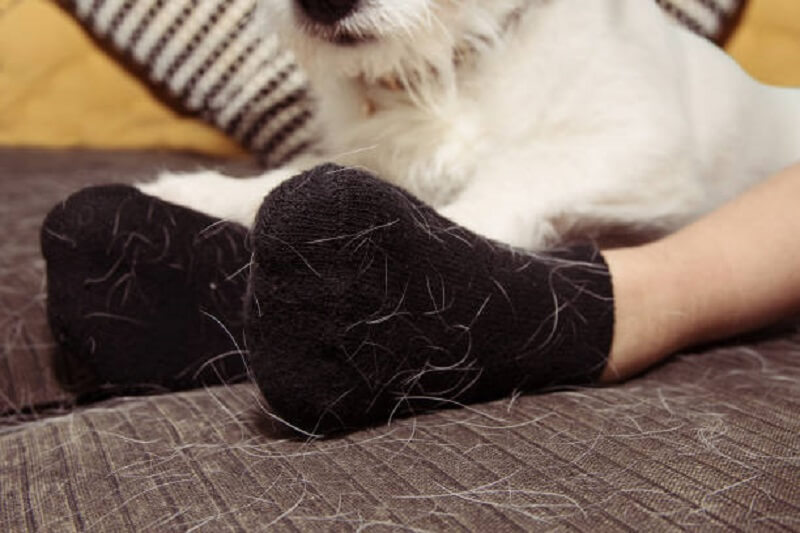
Cat shedding is a natural process vital to their health and coat maintenance. As responsible pet owners, recognizing the biological and environmental factors influencing shedding helps in managing it effectively. Gaining insight into shedding patterns and behaviors enables early detection of potential health issues, ensuring your feline companion remains comfortable and healthy.
Shedding in cats varies significantly based on their breed, age, health, and seasonal changes. While some breeds are known for their minimal shedding, others shed profusely, requiring diligent grooming routines. Seasonal variations cause cats to shed more heavily during certain times of the year, particularly in spring and fall, as they adapt to temperature fluctuations. Understanding these factors is essential for establishing appropriate grooming and health monitoring routines.
Biological Reasons Behind Cat Shedding
Shedding is primarily driven by the cat’s hair growth cycle, which includes three phases: anagen (growth), catagen (transition), and telogen (resting). During the telogen phase, old hair is shed to make way for new growth. This process is influenced by several biological factors:
- Genetics: Some breeds are genetically predisposed to shed more or less. For example, Maine Coons and Ragdolls tend to shed heavily, whereas Sphynx cats shed minimally or not at all.
- Hormonal Changes: Hormonal fluctuations, such as those during pregnancy or thyroid imbalances, can lead to abnormal shedding patterns.
- Health Status: Skin conditions, parasites, or nutritional deficiencies can increase shedding or cause patchy hair loss.
Variations in Shedding Across Breeds and Seasons
Different breeds exhibit varying shedding behaviors based on their coat types and genetic traits. For instance, long-haired breeds like Persians shed more constantly, requiring regular grooming, while short-haired breeds such as Siamese shed less frequently. Seasonal shedding is also common, with cats typically losing more fur during the spring and fall to adapt to changing temperatures. During spring, cats shed their winter coat, and in fall, they develop a thicker layer for winter.
Understanding these seasonal patterns allows pet owners to adjust grooming routines accordingly, reducing loose fur around the home and preventing matting or hairballs. It also helps identify abnormal shedding, such as excessive hair loss or bald patches, which may indicate underlying health problems.
Signs of Increased or Abnormal Shedding
Monitoring your cat’s shedding behavior is crucial for early diagnosis of health issues. While increased shedding during seasonal changes is normal, certain signs may indicate problems:
- Unusual Hair Loss: Bald patches, thinning fur, or patchy areas that do not regrow over time.
- Excessive Hair in the Environment: Large amounts of fur on furniture or bedding outside of typical shedding periods.
- Skin Changes: Redness, inflammation, flakiness, or sores associated with shedding.
- Behavioral Changes: Excessive scratching, biting, or grooming that leads to hair loss.
Regular observation of shedding behaviors helps in detecting early signs of dermatological or systemic health issues, facilitating timely veterinary intervention.
Effective Grooming Techniques
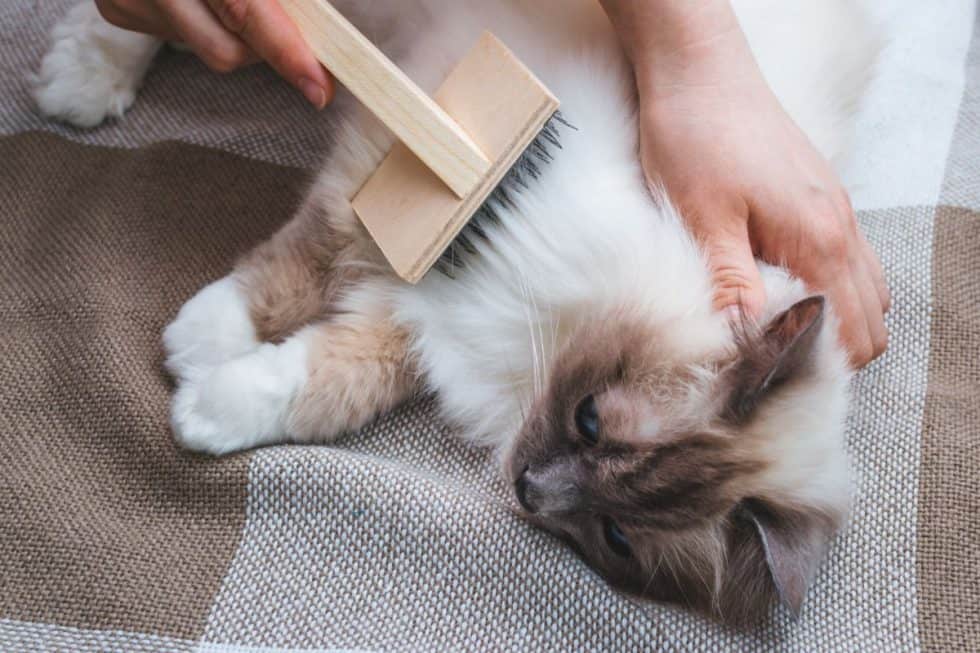
Regular grooming is essential for managing cat shedding effectively. Proper grooming not only reduces the amount of loose fur around your home but also promotes healthier skin and coat for your feline companion. Establishing a consistent grooming routine tailored to your cat’s specific needs can significantly minimize hairballs and prevent matting, especially for long-haired breeds.
Implementing effective grooming techniques involves understanding the appropriate tools and methods that suit your cat’s fur type and temperament. Gentle handling during grooming sessions helps reduce stress and fosters a positive experience for your pet, making routine care easier and more enjoyable for both of you.
Step-by-Step Grooming Procedures
To maintain a clean coat and minimize shedding, follow these step-by-step grooming procedures:
- Prepare the environment and tools: Choose a comfortable, quiet space free of distractions. Gather your grooming tools and ensure they are clean and in good condition.
- Calm your cat: Gently pet and reassure your cat before beginning. Use soothing tones and slow movements to reduce anxiety.
- Start with brushing: Begin with soft strokes along the coat, gradually increasing pressure as tolerated. Focus on areas prone to matting, such as behind the ears, under the chin, and along the back.
- Use the right tools: Select appropriate brushes or combs based on fur type (see table below). Be gentle and avoid pulling or causing discomfort.
- Remove loose fur: Regularly pick up loose fur and debris. For longer-haired breeds, detangle mats carefully with a wide-tooth comb.
- Finish with praise and treats: Reward your cat for cooperation to create a positive grooming experience.
Choosing Appropriate Grooming Tools
Using the right grooming tools tailored to your cat’s fur type and length ensures effective and comfortable grooming sessions. The following table Artikels common tools, their suitable fur types, usage scenarios, and benefits:
| Tool | Fur Type | Usage | Benefits |
|---|---|---|---|
| Fine-tooth Comb | Short-haired cats | Detangling and removing loose fur | Prevents hairball formation, promotes healthy skin |
| Bristle Brush | Short to medium-haired cats | General grooming, smoothing coat | Distributes natural oils, enhances shine |
| Slicker Brush | Long-haired cats or breeds prone to matting | Removing loose fur, detangling | Prevents mats, reduces shedding significantly |
| Dematting Comb | Long-haired or matted fur | Carefully detangling knots | Minimizes discomfort during mat removal |
Handling Grooming Sessions to Reduce Stress
Maintaining a calm and gentle approach during grooming is crucial for reducing stress and encouraging cooperation from your cat. Start grooming sessions gradually, especially if your feline is new to routine care. Allow your cat to sniff and inspect tools before using them, and use positive reinforcement such as treats and praise to create a pleasant association.
Pay attention to your cat’s body language; if signs of discomfort or agitation appear, pause and give them a break. Short, frequent grooming sessions are often more effective than long, infrequent ones. Consistency and patience help your cat become accustomed to grooming, transforming it into a bonding activity rather than a stressful chore.
Managing Shedding Through Diet and Nutrition
Proper nutrition plays a crucial role in maintaining a healthy cat coat and minimizing excessive shedding. A balanced diet not only supports overall health but also directly influences the integrity and moisture retention of your feline’s fur. By focusing on specific nutrients and dietary practices, pet owners can effectively reduce shedding and promote a lush, resilient coat that withstands seasonal changes and environmental stressors.
Incorporating the right nutrients into your cat’s daily meals can strengthen hair follicles, improve skin health, and reduce hair breakage. Understanding which foods and supplements are most beneficial allows for a targeted approach to managing shedding, ensuring your feline companion remains comfortable and vibrant throughout the year.
Influence of a Balanced Diet on Coat Health and Shedding
A well-rounded diet provides essential vitamins, minerals, and fatty acids that are fundamental to maintaining healthy fur. Nutritional deficiencies can lead to dull, brittle hair that sheds excessively, while a diet rich in specific nutrients promotes coat shine, elasticity, and reduced hair loss. Proper nutrition also supports skin health, preventing dryness and irritation that often contribute to shedding. Consistent, high-quality feeding habits are the foundation of a coat that is less prone to shedding excessively and more resistant to environmental factors.
Key Nutrients and Supplements for Healthy Fur Retention
Optimal coat health hinges on a variety of vital nutrients that foster hair growth, improve skin condition, and reduce shedding. Incorporating these into your cat’s diet can have a noticeable impact:
| Nutrient/Supplement | Role and Benefits |
|---|---|
| Omega-3 and Omega-6 Fatty Acids | Essential for maintaining skin moisture, reducing inflammation, and promoting a shiny, thick coat. Sources include fish oil supplements or fatty fish like salmon and mackerel. |
| Biotin (Vitamin B7) | Supports keratin production, strengthening hair and nails, and improving coat texture. Often found in specialized supplements or added to foods. |
| Vitamin E | Acts as an antioxidant, protecting skin cells from oxidative stress and supporting overall skin health. |
| Zinc | Vital for tissue repair and immune function, zinc deficiency can lead to dull coat and increased shedding. |
| Protein | Fundamental for hair growth; high-quality animal proteins from meat or specialized cat food formulas ensure nutrient availability for coat maintenance. |
Ensuring your cat receives a diet enriched with these key nutrients can significantly reduce shedding and promote a healthier, more resilient coat.
Recommended Foods and Dietary Practices for Reducing Shedding
Implementing specific dietary choices and practices can markedly influence shedding levels. The following recommendations help optimize your cat’s nutritional intake for coat health:
- High-Quality Commercial Cat Food: Choose formulas that list real meat, fish, or poultry as the primary ingredient. Look for products fortified with omega fatty acids, biotin, and vitamin E.
- Inclusion of Fatty Fish: Incorporate cooked salmon or mackerel into meals a few times per week, providing natural sources of omega-3 and omega-6 fatty acids.
- Supplementation: Use vet-approved supplements like fish oil capsules or biotin powders to augment dietary intake, especially during seasonal shedding periods.
- Balanced Homemade Meals: If preparing homemade diets, consult with a veterinarian or pet nutritionist to ensure meals contain all essential nutrients without excess or deficiency.
- Consistent Feeding Schedule: Maintain regular feeding times and avoid sudden dietary changes, which can induce stress and impact coat health.
- Hydration: Ensure your cat has constant access to fresh water, as hydration supports skin health and nutrient transport.
By prioritizing these dietary practices and selecting nutrient-rich foods, pet owners can significantly influence their feline’s shedding cycle, leading to a healthier coat that sheds less and retains its natural luster throughout the seasons.
Environmental Control Strategies

Effective management of your indoor environment plays a vital role in controlling cat shedding and maintaining a clean, comfortable living space. Creating a strategic approach to cleaning routines, climate control, and environmental modifications can significantly reduce loose fur accumulation and promote your cat’s well-being. These measures not only help in keeping your home tidy but also contribute to your cat’s comfort and reduced stress levels, which can indirectly influence shedding patterns.Maintaining an environment that minimizes stress, reduces allergens, and encourages healthy grooming behaviors is essential.
Incorporating specific cleaning practices, climate adjustments, and specialized tools can create an environment that supports your cat’s health while managing shedding effectively.
Cleaning Routine for Loose Fur Removal
Regular cleaning routines are crucial for controlling loose fur and preventing it from settling on furniture, carpets, and bedding. Implementing frequent and targeted cleaning practices will help keep your home fur-free and reduce the amount of shedding-related debris.To effectively remove loose fur from your living environment, consider the following methods:
- Vacuum carpets, rugs, and upholstery using HEPA-filter vacuum cleaners designed to trap fine fur and dander, ideally at least twice a week.
- Use lint rollers or adhesive tape on furniture, curtains, and clothing to swiftly pick up shed fur, especially in high-traffic areas.
- Wash bedding, curtains, and removable furniture covers weekly in hot water to eliminate accumulated fur and allergens.
- Employ rubber gloves or damp microfiber cloths when cleaning furniture and fabric surfaces; the static charge helps lift fur more effectively.
- Implement robotic vacuums equipped with specialized fur-collection brushes for daily maintenance, particularly in multi-cat households.
Maintaining a Comfortable Indoor Climate
A stable and stress-free indoor climate reduces the likelihood of stress-induced shedding and enhances your cat’s overall health. Temperature fluctuations, drafts, and dry air can contribute to discomfort and increase shedding rates.To create a suitable environment:
- Maintain indoor temperatures between 68°F (20°C) and 75°F (24°C), avoiding extremes that may cause stress or discomfort.
- Use humidifiers during dry seasons to keep air moisture levels around 40-50%, which helps prevent dry skin and excessive shedding.
- Avoid exposing your cat to drafts or sudden temperature changes that could cause stress and promote shedding episodes.
- Ensure proper ventilation to reduce indoor allergens and dander accumulation, which can exacerbate shedding and respiratory issues.
- Position your cat’s resting areas in quiet, low-traffic zones where they can relax without disturbances, supporting stress reduction.
Creating a Shedding-Friendly Environment
Designing an environment that accommodates your cat’s shedding tendencies involves strategic placement of tools and features that facilitate fur management and maintain comfort.Key tips include:
Using air purifiers with HEPA filters can significantly reduce airborne fur and dander, creating a healthier indoor atmosphere for both cats and humans.
- Place specialized fur-collecting mats or grooming stations in common areas to encourage regular brushing and fur collection.
- Utilize air purifiers in frequently used rooms to capture airborne fur, dander, and allergens, especially in homes with multiple cats.
- Install washable, fur-resistant furniture covers or slipcovers that can be easily removed and cleaned, reducing fur buildup.
- Provide scratching posts and grooming tools within reach to promote natural shedding and grooming behaviors, minimizing loose fur around the house.
- Consider the use of specialized pet-friendly air filters and ionizers that neutralize fur particles and improve overall air quality.
Using Products and Tools to Minimize Shedding
Managing cat shedding effectively often involves using specialized grooming products and tools designed to reduce loose fur and promote healthier coat maintenance. Proper selection and consistent usage of these products can significantly decrease the amount of fur around your home and improve your cat’s comfort. Additionally, incorporating supplements like omega fatty acids can support a shiny, healthy coat, further aiding in shedding control.Grooming tools and products are essential in the daily maintenance of your cat’s fur.
They not only help remove loose hair before it sheds into your environment but also stimulate the skin and hair follicles, encouraging a more resilient coat. When choosing shedding control products, it’s important to consider your cat’s coat type, skin sensitivity, and overall health to select the most suitable options.
Grooming Products and Their Functions
Using the right grooming products can make a significant difference in managing shedding. Below is a selection of commonly used items and their specific functions:
| Product | Function |
|---|---|
| De-shedding brushes | Designed with specialized blades or rubber deshedding edges, these brushes effectively grasp loose fur close to the skin, reducing shedding and hair accumulation around the house. They are particularly useful for long-haired breeds such as Maine Coons or Persians. |
| Grooming wipes | Pre-moistened with gentle cleansers and conditioners, these wipes help remove surface fur and dirt, while also moisturizing the skin. They are convenient for quick touch-ups and reducing loose hair between baths or brushing sessions. |
| Shedding sprays | Applied directly to the coat, these sprays typically contain conditioning agents and natural de-shedding ingredients, helping to loosen loose fur and improve coat health. They are particularly helpful in sensitive or thin-skinned cats. |
Selecting and Using Shedding Control Products Effectively
Proper selection and consistent application of grooming tools are vital for optimal results. When choosing products, consider the following:
- Coat Type: Long-haired cats benefit from slicker brushes and undercoat rakes, while short-haired cats may respond well to rubber grooming gloves and bristle brushes.
- Skin Sensitivity: For cats with sensitive skin, opt for gentle brushes and hypoallergenic grooming wipes to prevent irritation.
- Frequency of Use: Regular grooming—at least several times a week—helps prevent fur from accumulating and reduces shedding around your home.
“Gradually introduce grooming tools to your cat, using treats and praise to create a positive association with the process.”
When applying shedding sprays or conditioners, follow the manufacturer’s instructions carefully. Test a small area first to ensure your cat has no adverse reactions. Consistent grooming, combined with appropriate product use, can lead to a noticeable reduction in shedding and promote a healthier coat.
Role of Supplements in Managing Fur Loss
Dietary supplements, particularly those rich in omega fatty acids, play a crucial role in maintaining a glossy coat and reducing excessive shedding. Omega-3 and omega-6 fatty acids are essential for healthy skin and fur, supporting the regeneration of hair follicles and reducing inflammation that can contribute to fur loss.
In practice, many pet owners supplement their cats’ diets with high-quality fish oil or specially formulated feline supplements. These supplements can improve coat texture, reduce dryness and itching, and promote more resilient fur that sheds less excessively. It is recommended to consult with a veterinarian before introducing new supplements to ensure appropriate dosage and suitability for your cat’s specific health needs.
When to Seek Veterinary Advice
Monitoring your cat’s shedding patterns is essential for maintaining their health and well-being. While some shedding is natural, excessive or abnormal shedding can signal underlying health issues that require professional assessment. Recognizing the signs early can lead to prompt diagnosis and effective treatment, ensuring your feline friend remains comfortable and healthy.
Veterinary consultation becomes necessary when changes in shedding are accompanied by other symptoms or persist beyond normal seasonal variations. Understanding the indicators of potential health problems allows owners to take timely action, preventing more serious conditions and promoting overall feline health.
Signs of Excessive or Abnormal Shedding Requiring Professional Evaluation
While shedding varies between individual cats and breeds, certain signs indicate that shedding may be abnormal or excessive, warranting veterinary attention. Awareness of these signs helps owners differentiate between typical seasonal shedding and underlying health concerns.
- The shedding is persistent, substantial, or continues beyond seasonal expectations.
- Patchy bald spots or thinning areas appear on the coat, suggesting alopecia or skin conditions.
- Associated skin abnormalities such as redness, inflammation, scaling, or sores accompany the shedding.
- The cat exhibits excessive scratching, licking, or grooming, leading to hair loss or skin irritation.
- Changes in the texture or color of the coat, including dullness or greasiness.
- Presence of bald patches, scaly skin, or crusting that does not resolve with routine grooming.
- Signs of discomfort or behavioral changes, such as irritability or lethargy, alongside abnormal shedding.
- Shedding accompanied by other systemic symptoms like weight loss, vomiting, or diarrhea.
Persistent or severe shedding, especially when combined with skin abnormalities or behavioral changes, should prompt a veterinary examination to identify potential underlying causes such as allergies, parasitic infestations, hormonal imbalances, or dermatological conditions.
Procedures for Veterinary Examination and Diagnosis
Veterinary assessment is crucial in diagnosing the root causes of abnormal shedding. The examination process involves a comprehensive approach to identify underlying health issues contributing to excessive hair loss or skin problems.
- Physical Examination: The veterinarian performs a thorough inspection of the skin and coat, checking for signs of parasites, skin infections, or abnormalities.
- Skin Scrapings and Cytology: Samples of skin or hair may be taken to identify parasites like fleas or mites, or bacterial and fungal infections.
- Blood Tests: Blood work can reveal hormonal imbalances, nutritional deficiencies, or systemic illnesses impacting coat health.
- Allergy Testing: For cats suspected of having allergic reactions, specific tests can identify environmental or food allergies contributing to skin issues.
- Biopsy: In some cases, a skin biopsy may be necessary to diagnose autoimmune diseases or neoplastic conditions.
This comprehensive diagnostic approach ensures that underlying causes are accurately identified, guiding targeted treatment strategies for severe or persistent shedding issues.
Veterinary Treatments and Therapies for Severe Shedding
Once an underlying cause has been diagnosed, veterinarians may recommend various treatments and therapies tailored to the specific condition responsible for abnormal shedding. These interventions aim to manage symptoms, treat infections or allergies, and restore healthy coat growth.
- Medications: Prescription medications such as antiparasitic agents, antibiotics, antifungals, or corticosteroids may be prescribed to treat infections, parasites, or inflammatory skin conditions.
- Allergy Management: For allergy-related shedding, vets may recommend hypoallergenic diets, antihistamines, or immunotherapy to reduce allergic responses.
- Dietary Supplements: Omega-3 and omega-6 fatty acids supplements can improve skin health and promote a shiny, healthy coat, especially in cases of nutritional deficiencies.
- Topical Treatments: Medicated shampoos, conditioners, or topical ointments can soothe irritated skin and reduce inflammation, aiding in the recovery of the coat.
- Environmental Adjustments: Improving indoor air quality, controlling allergens, and maintaining optimal humidity levels can help alleviate skin irritation and reduce shedding caused by environmental factors.
Severe shedding often requires a multimodal approach to treatment, combining medical therapies with environmental management. Regular follow-up with the veterinarian ensures that the condition is monitored and that the therapeutic plan remains effective, ultimately supporting your cat’s overall health and quality of life.
Ending Remarks
In summary, managing cat shedding involves a combination of consistent grooming, proper nutrition, environmental control, and awareness of health indicators. Implementing these strategies can lead to a reduction in loose fur and contribute to your cat’s overall health. Staying attentive to your pet’s shedding patterns and seeking veterinary guidance when necessary ensures a happy, healthy life for your feline friend and a cleaner home environment for everyone.