Understanding how to know cat body language is essential for fostering a harmonious relationship with your feline companion. Recognizing their signals allows you to interpret their feelings accurately, whether they are relaxed, curious, or distressed. By paying attention to subtle cues, you can respond appropriately and ensure their comfort and safety.
This guide offers a comprehensive overview of common feline body language signs, including posture, tail movements, ear orientation, facial expressions, and vocalizations. Learning these cues will help you better understand your cat’s emotional state and promote positive interactions.
Introduction to understanding cat body language
Interpreting feline signals and behavior cues is essential for fostering a harmonious relationship between cats and their human companions. Cats communicate their feelings, intentions, and comfort levels primarily through their body language, which often manifests in subtle and nuanced ways. Recognizing these signals allows owners to respond appropriately, ensuring the well-being and happiness of their feline friends.
Understanding common body language signs can help identify when a cat is feeling relaxed, anxious, or threatened. This knowledge not only enhances safety but also deepens the bond by enabling more empathetic interactions. Over time, familiarity with these cues develops an intuitive understanding of your cat’s emotional state, reducing misunderstandings and improving caregiving practices.
Typical cat postures and their emotional meanings
Feline body language comprises a variety of postures that convey their current mood or intentions. Familiarity with these typical postures can serve as a quick reference to interpret your cat’s emotional state accurately. Below is a descriptive table summarizing common postures alongside their associated emotions or signals:
| Posture | Description | Associated Emotion or Signal |
|---|---|---|
| Relaxed, Sitting or Lying | Cat is comfortably settled on a surface, paws tucked or stretched, tail relaxed. | Relaxation, contentment, trust |
| Arched Back with Puffed Fur | Back arched, fur bristling, often with fur standing on end, tail puffed. | Defensive stance, fear, or aggression |
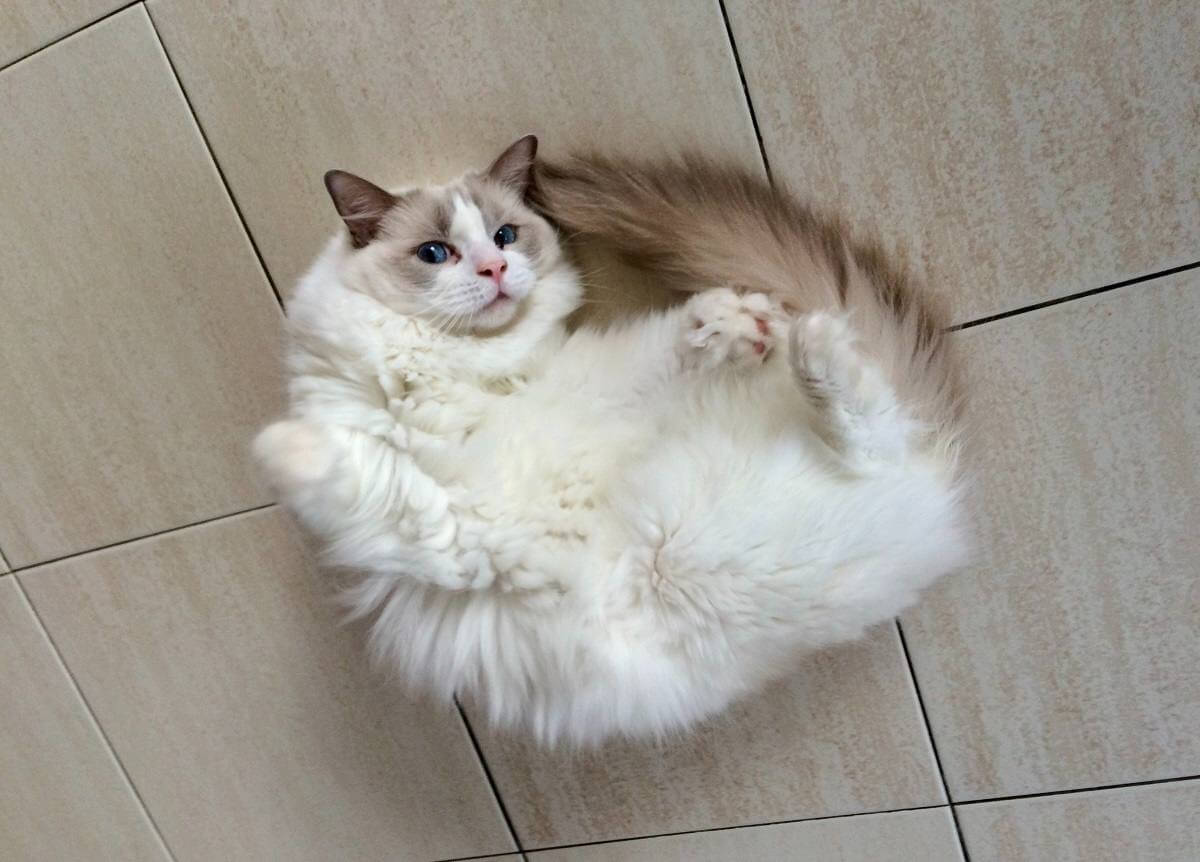
| Rolling onto Side or Back | Cat exposes belly, lying on its side or back. | Trust, comfort, or submissiveness; may also be a defensive posture if the cat feels threatened |
| Stiff, Tense Posture with Erect Ears | Standing stiff, ears pointed forward or sideways, body appears alert. | Alertness, curiosity, or mild agitation |
| Hunched or Crouched | Body lowered close to the ground, tail wrapped around paws, ears flattened. | Fear, discomfort, or readiness to flee or defend |
| Slow Blinking or Gentle Blink | Soft, slow closing and opening of the eyes. | Sign of trust, affection, and relaxation |
| Staring Intently with Dilated Pupils | Unblinking gaze with pupils enlarged, often accompanied by a stiff body. | Focus, curiosity, or potential threat; can also indicate excitement or agitation |
Recognizing these postures and their underlying signals can help owners respond appropriately—whether by providing comfort, giving space, or engaging playfully. Each posture provides valuable insight into the cat’s emotional state, fostering a more empathetic and responsive environment for your feline companion.
Recognizing Signs of a Relaxed and Happy Cat
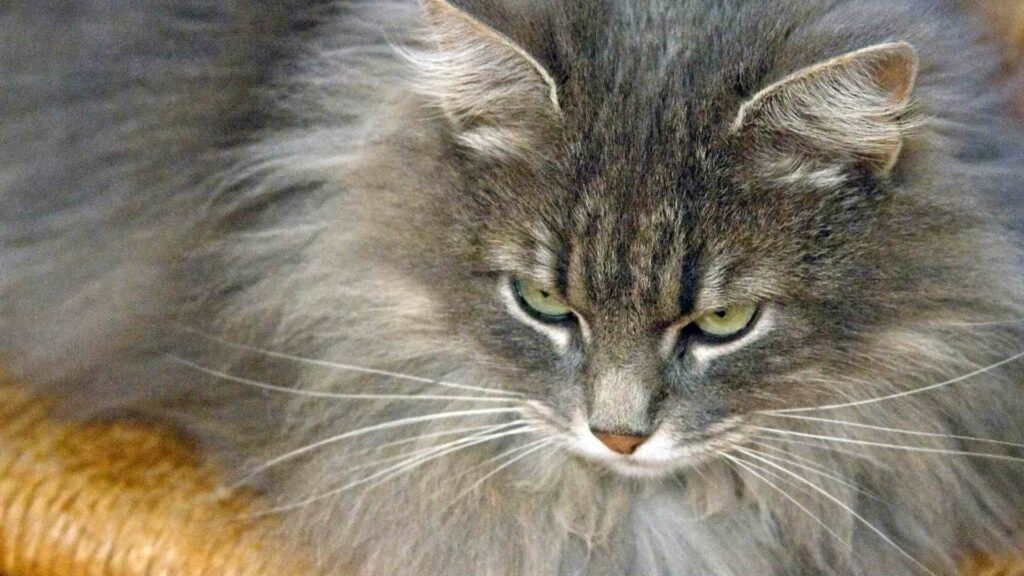
Understanding when a cat is content and at ease is essential for building a trusting relationship and ensuring their well-being. Cats communicate their comfort through subtle cues in their body language, which, when correctly identified, can deepen your connection and help you respond appropriately to their needs. Recognizing these signs not only enhances your ability to interpret your feline friend’s mood but also ensures a harmonious living environment.
A relaxed and happy cat displays specific physical indicators and behaviors that reflect their positive state of mind. These signals are often gentle and can be observed in their posture, movements, and facial expressions. Being attentive to these cues allows owners and caregivers to confirm their cat’s comfort level and respond with affection or gentle reassurance. This awareness promotes mutual trust and a sense of security for your feline companion.
Physical Indicators of a Relaxed and Happy Cat
Body language is a primary method cats use to communicate their emotional state. When a cat feels relaxed and happy, their body exhibits certain distinctive features:
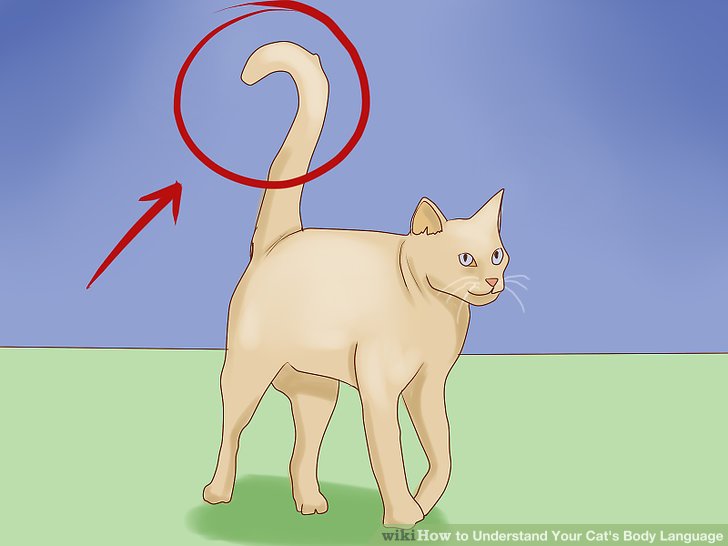
- Tail Position: A relaxed cat often holds its tail in a gentle, upright position with a slight curve at the tip. Sometimes, the tail may be softly flicking or resting comfortably on the ground, indicating contentment. A tail carried high and still signals confidence and ease.
- Ear Orientation: Ears facing forward or slightly to the side are signs of curiosity and relaxation. Cats with ears pointed backward or flattened against their head may be anxious or agitated, so a forward-facing, alert position reflects a calm demeanor.
- Eye Expression: Slow, deliberate blinking and half-closed eyes are clear signs of trust and relaxation. Widened or dilated pupils accompanied by wide-eyed staring can sometimes indicate excitement or stress, whereas soft, half-closed eyes reveal comfort and ease.
Behaviors Demonstrating Contentment in Cats
In addition to physical cues, specific behaviors are reliable indicators of a happy and relaxed cat. These actions often serve as affectionate or self-soothing gestures that reinforce their positive emotional state:
- Purring: The gentle, rhythmic vibrational sound is a universal sign of contentment. Cats purr when they feel safe and comfortable, often during petting sessions or when resting peacefully.
- Kneading: Also called “making biscuits,” this behavior involves pressing their paws alternately against a soft surface, such as a blanket or your lap. Kneading releases endorphins, signaling happiness and relaxation.
- Slow Blinking: When a cat slowly closes and opens their eyes, it is a sign of trust and affection. This gesture resembles a “cat kiss” and indicates they feel secure in their environment.
- Lounging and Stretching: Cats that stretch out comfortably, often lying on their side or back with relaxed limbs, are showing they feel safe and at ease. They may also enjoy sprawling in sunny spots or on favorite furniture.
- Grooming: Continuous grooming or self-cleaning, especially when leisurely, reflects a stress-free state. It also signals that the cat is relaxed enough to attend to their hygiene without concern.
Recognizing these signs allows owners to better understand their cat’s emotional well-being, fostering a trusting and harmonious relationship grounded in mutual comfort.
Identifying Signs of Stress, Fear, or Aggression
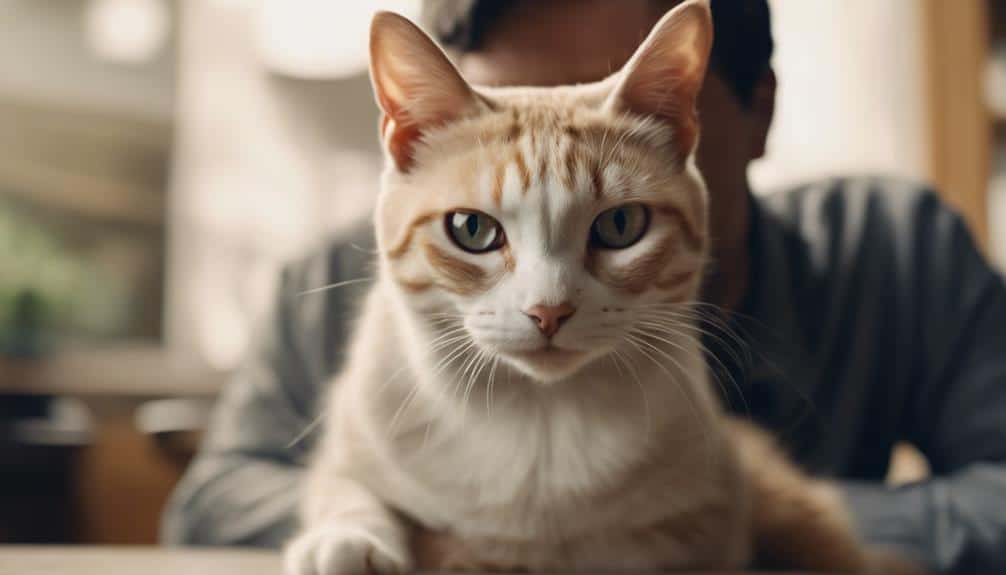
Understanding when a cat is experiencing stress, fear, or aggression is vital for ensuring safe interactions and promoting their well-being. Recognizing these signals allows owners and caregivers to respond appropriately, reducing the risk of escalation and helping the cat feel secure.
Feline body language can clearly indicate discomfort or distress through specific physical cues. Being attentive to these signs can prevent potential conflicts and enhance the bond between humans and cats by fostering a respectful understanding of their emotional states.
Physical Indicators of Stress and Aggression
Stress, fear, and aggression in cats often manifest through more pronounced and sometimes alarming body language cues. These signals serve as warning signs that the cat is feeling threatened or overwhelmed, prompting a need for gentle intervention.
- Puffed fur: When a cat feels threatened or startled, it may puff up its fur, especially along its back and tail, creating a larger appearance to ward off perceived threats.
- Arched back: An arched back, combined with a tense body, indicates heightened agitation or readiness to defend itself. This posture is often paired with an erect tail and fluffed hair.
- Hissing and growling: Vocalizations such as hissing or growling are direct warnings that the cat is feeling aggressive or scared, signaling the need for distance.
- Swatting or scratching: When a cat swats or scratches, it is asserting dominance or attempting to defend itself, often in response to perceived threats or invasion of personal space.
Subtle Body Language Cues Indicating Discomfort
In addition to overt behaviors, more subtle signs can reveal that a cat is uncomfortable or anxious. Recognizing these signals early can prevent escalation to more aggressive behaviors.
- Tail flicking: Rapid flicking or lashing of the tail often signifies irritation or agitation. Persistent tail movement can indicate the cat is stressed or annoyed.
- Ear flattening: When a cat presses its ears back against its head, it typically signifies fear, anxiety, or aggression. This posture is a defensive response to a perceived threat.
- Pupil dilation: Wide or dilated pupils are a common sign of heightened arousal, fear, or aggression, indicating the cat is on high alert and may react defensively.
Warning Signs vs. Normal Behaviors
It is essential to distinguish between normal, relaxed behaviors and those indicative of distress. Below is a table highlighting key differences to aid in quick assessment:
| Warning Signs of Stress/Threat | Normal or Relaxed Behaviors |
|---|---|
| Puffed fur | Smooth fur, lying comfortably |
| Arched back | Relaxed posture, lying with belly exposed |
| Hissing or growling | Quiet, soft purring or playful chirping |
| Swatting or scratching | Gentle grooming or playing |
| Tail flicking or lashing | Steady tail held calmly or gently swaying |
| Ear flattening | Forward-facing or relaxed ears |
| Pupil dilation | Narrow pupils during resting or calm states |
Note: Consistently observing your cat’s body language across different contexts helps build an intuitive understanding of their comfort levels and triggers for stress or aggression, facilitating safer and more positive interactions.
Deciphering Tail Movements and Positions
Understanding a cat’s tail language is a vital aspect of interpreting their emotional state. The tail serves as a highly expressive appendage that can reveal feelings ranging from contentment to agitation. Recognizing these signals allows pet owners and enthusiasts to respond appropriately, ensuring a harmonious and safe interaction with their feline companions. Observing tail movements during interaction provides real-time insights into the cat’s mood, helping to prevent misunderstandings or unwanted behaviors.The significance of different tail positions and movements lies in their ability to communicate a cat’s internal emotional landscape.
Tail gestures are often subtle but meaningful, and a keen eye can detect shifts that indicate relaxation, curiosity, or distress. Paying close attention to these cues enhances the bond between humans and cats, fostering a more empathetic understanding of feline behavior.
Tail Positions and Their Emotional Implications
Below is a comparative table illustrating common tail postures and the emotional states they typically signify. Recognizing these positions can guide interactions, ensuring they are appropriate to the cat’s current mood.
| Tail Position | Emotional Implication | Description of Behavior |
|---|---|---|
| Upright Tail | Friendly, Confident, Approachable | The tail stands tall, often with a slight curve or flourish at the tip, indicating the cat is relaxed and open to interaction. |
| Lowered or Busily Flicking Tail | Annoyance, Mild agitation, Focused | The tail is close to the body or flicks rapidly, signaling irritation or intense concentration, often seen during hunting or when feeling territorial. |
| Puffed or Bristled Tail | Fear, Threat, Defensive | The tail appears puffed out, with fur flared along its length, coupled with a fluffed-up body, indicating the cat perceives a threat and is preparing to defend itself. |
| Curled or Tucked Tail | Fear, Submission, Anxiety | Held close or tucked between legs, the tail signals submission or fear, often accompanied by crouched body posture and dilated pupils. |
| Horizontal or Low Tail | Uncertainty, Cautiousness | The tail is held low or horizontally, indicating the cat is cautious, assessing its environment before proceeding. |
To effectively interpret tail language during interaction, observe the tail’s movement and position in context. A relaxed tail that gently sways may indicate curiosity or contentment, whereas a rapidly flicking tail can signify irritation. Noticing these subtle shifts helps refine your understanding of the cat’s emotional state, especially during play or unfamiliar situations.
Consistent observation of tail movements provides clearer insights into a cat’s feelings and can prevent misinterpretation, fostering a more respectful and trusting relationship.
Interpreting Ear Orientation and Facial Expressions
Understanding a cat’s ear positions and facial cues is essential to accurately assess their emotional state. These subtle signals can reveal whether a cat is curious, alert, content, or displaying signs of aggression or distress. Recognizing these indicators helps foster better communication and ensures the safety and well-being of both the feline and their human companions.Ears are highly expressive and can shift rapidly in response to environmental stimuli or internal feelings.
Similarly, facial expressions, including eye behavior, pupil size, and whisker placement, provide vital clues about a cat’s mood. By observing these features together, one gains a comprehensive understanding of what a cat is communicating instinctively.
Ear Positions Indicating Curiosity, Alertness, or Aggression
The orientation of a cat’s ears offers key insights into their emotional state. Different angles and movements can signal curiosity, focus, anxiety, or hostility.
- Forward-facing ears: Ears pointed directly ahead or slightly angled forward typically indicate curiosity or interest. The cat is attentive to a specific stimulus, such as a new object or sound, and is generally in a relaxed state.
- Neutral or slightly outward ears: Ears held in a natural, relaxed position, slightly to the sides, suggest contentment and calmness. The cat feels safe and unthreatened in its environment.
- Ears flattened backward or sideways: Ears pressed flat against the head or turned sideways often signal fear, agitation, or discomfort. This pose can also precede defensive or aggressive actions if the situation escalates.
- Swiveling or twitching ears: Rapid movements or twitching of ears indicate heightened alertness or irritation. The cat is actively scanning its surroundings, possibly feeling threatened or curious.
Facial Cues: Eye Narrowing, Pupil Size, and Whisker Position
Facial expressions encompass more than just ear positioning; the eyes and whiskers are equally expressive. These cues provide a nuanced understanding of the cat’s emotional landscape.
Eyes are central to interpreting a cat’s mood. Narrowing of the eyes often suggests relaxation or trust, whereas wide, dilated pupils indicate excitement, fear, or aggression. The size of the pupils can change rapidly based on lighting, but persistent dilation alongside other signs can signal heightened arousal or stress.
Whisker positioning also plays a significant role. Relaxed cats typically have whiskers that are slightly fanned forward, indicating interest or curiosity. In contrast, whiskers pulled back tightly against the face may denote fear or aggression. When a cat is feeling threatened, whiskers are often directed sideways or pulled backward.
Subtle facial signals are crucial for understanding feline emotions: A slight narrowing of the eyes coupled with relaxed whiskers suggests contentment, while quick eye blinking may indicate trust. Conversely, wide-open eyes with dilated pupils and tense whiskers can signal a warning or an impending defensive response.
Understanding Vocalizations in Relation to Body Language
Effective interpretation of a cat’s emotional state involves analyzing both their vocalizations and physical cues simultaneously. Cats communicate a complex array of feelings through sounds that, when paired with body language, provide a clearer picture of their overall mood and intentions. Recognizing these combinations helps owners and enthusiasts respond appropriately, fostering a safer and more trusting relationship with their feline companions.
Vocalizations serve as vital signals that complement physical behaviors, offering insight into a cat’s comfort level, needs, or distress. Different sounds are associated with specific contexts and emotional states, and understanding these nuances can prevent misunderstandings and unwanted reactions. Proper interpretation requires awareness of the conditions under which certain sounds are made and the accompanying body language cues.
Vocal Signs and Corresponding Body Language Cues
Below is a structured overview of common feline vocalizations and their typical physical accompaniments, along with the emotional context they usually indicate:
| Vocal Sign | Physical Cues | Emotional Context |
|---|---|---|
| Meow | Relaxed body, ears facing forward, eyes soft | Seeking attention, greeting, or mild curiosity |
| Purring | Body relaxed or slightly kneading, eyes half-closed, slow blinking | Contentment, comfort, or reassurance |
| Hiss | Arched back, fur puffed up, ears flattened, pupils dilated | Fear, defensive warning, discomfort |
| Growl | Stiff body, ears slightly back, tail twitching or puffed, pupils dilated | Aggression, warning of potential attack, frustration |
| Chatter or Chirrups | Body leaning forward, ears attentive, eyes fixed | Excitement, anticipation, hunting instinct activation, especially near prey or toys |
| Yowl or Howl | Stretched out body, arched back, fur standing on end, vocalizing loudly | Distress, pain, territorial disputes, or mating calls |
Understanding these vocal cues in conjunction with physical signals enables a more nuanced interpretation of a cat’s emotional state. For instance, a soft meow accompanied by relaxed body language generally indicates friendliness, whereas a loud yowl with an arched back often signals distress or discomfort. Recognizing these patterns empowers caretakers to respond appropriately to their feline’s needs and prevent escalation of stress or conflict.
Approaching and Interacting Based on Body Language Signals
Understanding a cat’s body language before approaching or engaging is essential to ensure a safe and respectful interaction. Recognizing whether a cat feels receptive or defensive allows you to adjust your behavior accordingly, fostering trust and minimizing stress for the animal. This approach ensures that both the cat and the handler have a positive experience and reduces the risk of unwanted bites or scratches.
By attentively observing a cat’s body cues, you can determine the appropriate way to approach, pet, or communicate with them. This proactive strategy not only enhances safety but also builds a foundation of mutual respect and understanding. The following steps Artikel the procedures to assess a cat’s receptiveness and provide best practices for engaging with them empathetically.
Procedures to Determine Receptiveness or Defensiveness
Evaluating a cat’s mood before interaction involves a few simple but crucial observations. These cues reveal the cat’s comfort level and readiness to engage, allowing you to proceed respectfully or to hold back if necessary.
- Observe the cat’s overall body posture: a relaxed, loose body indicates receptiveness, while a tense or arched back suggests defensiveness or stress.
- Assess tail position: a gently swaying or upright tail generally signals friendliness, whereas a puffed or thrashing tail indicates agitation or fear.
- Look at ear orientation: ears pointed forward or sideways denote interest, whereas flattened ears signal irritation or fear.
- Note facial expressions: soft eyes and a relaxed face suggest openness; dilated pupils or a tense jaw may reflect discomfort.
- Listen to vocalizations: purring can indicate contentment, while hissing or growling signifies warning or aggression.
When multiple cues point towards a relaxed and approachable state, the cat is likely receptive to interaction. Conversely, signs of tension or aggression should prompt a cautious or non-engagement approach to avoid escalating stress.
Steps to Read Body Cues and Adjust Behavior
Interacting with a cat based on their body language requires continuous observation and flexibility. Adjusting your behavior in real-time ensures respectful engagement and helps foster positive associations.
- Approach slowly and from the side, avoiding direct eye contact initially, to prevent startling the cat.
- Watch for signs of relaxation, such as a gently swaying tail, relaxed posture, and soft facial features.
- If signs of discomfort emerge, such as flattened ears, hissing, or puffed fur, cease the approach immediately and give the cat space.
- Maintain a non-threatening posture: keep your hands relaxed and avoid sudden movements.
- Offer your hand at a lower level for sniffing, allowing the cat to initiate contact when comfortable.
- Respect the cat’s signals, withdrawing if they show signs of stress or defensiveness, and try again later under calmer circumstances.
The key to successful interaction lies in patience and attentiveness, adjusting your approach based on the cat’s responses to build trust gradually.
Best Practices for Safe and Respectful Interaction
Engaging with cats in a manner that respects their boundaries and communicates kindness is crucial for positive relationships. Here are some best practices to ensure interactions are safe, respectful, and enjoyable for both parties:
- Always observe the cat’s body language carefully before initiating contact.
- Use slow, deliberate movements to avoid startling the cat.
- Allow the cat to approach you first, rather than reaching out aggressively.
- Support the cat’s comfort by offering a hand for sniffing rather than immediate petting.
- Respect the cat’s personal space and do not force physical contact if they show signs of hesitation.
- When petting, focus on areas most cats enjoy, such as behind the ears or under the chin, and avoid sensitive areas like the belly unless the cat shows clear acceptance.
- Be attentive to the cat’s responses during interaction, and back off if they exhibit signs of discomfort or stress.
- Provide positive reinforcement, such as gentle praise or treats, to encourage trust and a positive association with interaction.
- Recognize when a cat needs time alone and honor their desire for solitude without taking it personally.
Respectful interaction is built on patience, observation, and understanding, creating a foundation for a trusting and safe relationship with your feline companion.
Practical Tips for Training and Socializing through Body Language Awareness
Enhancing your understanding of feline body language plays a vital role in effective training and socialization. Recognizing positive and negative cues allows for a more harmonious relationship with your cat, fostering trust and encouraging desirable behaviors. Implementing strategic techniques based on body language signals can significantly improve your interactions and help your cat feel safe and understood.
By focusing on body language cues, owners can create a training environment that reinforces trust and minimizes stress. This approach promotes more natural learning, encourages cooperation, and helps prevent behavioral issues stemming from miscommunication or fear. The following methods provide practical ways to utilize body language awareness for successful training and socialization.
Designing Methods to Reinforce Positive Signals and Discourage Negative Cues
Creating a training framework that emphasizes positive reinforcement while discouraging undesirable behaviors relies heavily on understanding and responding to your cat’s body language. Recognizing subtle signs of contentment or discomfort enables you to adjust your approach accordingly.
- Reinforce positive cues: When your cat displays relaxed body language such as purring, slow blinking, or a gentle tail position, reward these signals with treats, gentle petting, or calm praise. This encourages your cat to repeat these behaviors and associate them with positive experiences.
- Redirect negative cues: If your cat shows signs of stress or aggression, such as hissing, arched back, or puffed tail, avoid forced interactions. Instead, calmly give space and use distraction techniques like toys or treats to redirect attention away from stressful stimuli.
- Consistent feedback: Use a consistent tone and body language when giving commands or praise. A calm and steady demeanor reassures your cat and helps them learn the connection between cues and responses.
Using Body Language to Build Trust with Cats
Building trust hinges on your ability to communicate non-verbally through body language. Gentle, predictable movements and appropriate responses to your cat’s signals create a safe environment that nurtures confidence and bonding.
- Approach slowly: Approach your cat with relaxed posture, avoiding direct stare or sudden movements, which can be perceived as threatening. Offer your hand at a distance and allow the cat to initiate contact.
- Use soft, calming signals: Maintain a relaxed posture, slow blinking, and a gentle voice when interacting. These signals convey non-threatening intentions and help your cat feel secure.
- Respect boundaries: Pay attention to signs of discomfort, such as flattened ears or a twitching tail, and give your cat space. Respecting their signals builds trust over time.
Training Techniques Aligned with Observed Behaviors
Implementing specific training techniques based on observed body language ensures that your approach is effective and respectful of your cat’s emotional state. The following table Artikels common behaviors and corresponding training responses.
| Observed Behavior | Training Technique | Notes |
|---|---|---|
| Relaxed body, slow blinking, tail at ease | Reward with treats or gentle petting to reinforce calmness | Encourages relaxation and positive associations |
| Arched back, puffed tail, flattened ears | Give space and avoid forcing interactions | Prevents escalation of stress or aggression |
| Hissing, swatting, or flattened ears during training | Pause the session, offer water or a quiet space, and resume later | Respects boundaries and prevents fear-based resistance |
| Tail upright with a slight curve, relaxed posture | Use this signal to initiate or reinforce positive training moments | Signals receptiveness and willingness to engage |
“Consistent, positive interactions based on body language cues foster trust and facilitate effective training.” — Feline Behavior Expert
Last Point
Mastering how to know cat body language empowers you to build a trusting and respectful bond with your feline friend. By observing and interpreting their signals carefully, you can create a safe environment that encourages their well-being and happiness. Remember, attentive communication is key to nurturing a loving relationship with your cat.