Knowing how to give a cat injection is an essential skill for pet owners managing medication or treatments at home. Proper technique ensures the safety and comfort of your feline friend while making the process efficient and stress-free. Whether administering insulin, vaccines, or other medications, understanding the correct procedures can help you perform this task confidently and effectively.
This guide will walk you through the necessary preparations, handling techniques, site selection, injection procedures, and post-injection care. By following these steps carefully, you can ensure your cat receives the necessary treatment with minimal discomfort and risk, fostering a safer environment for both of you.
Preparing to give a cat injection
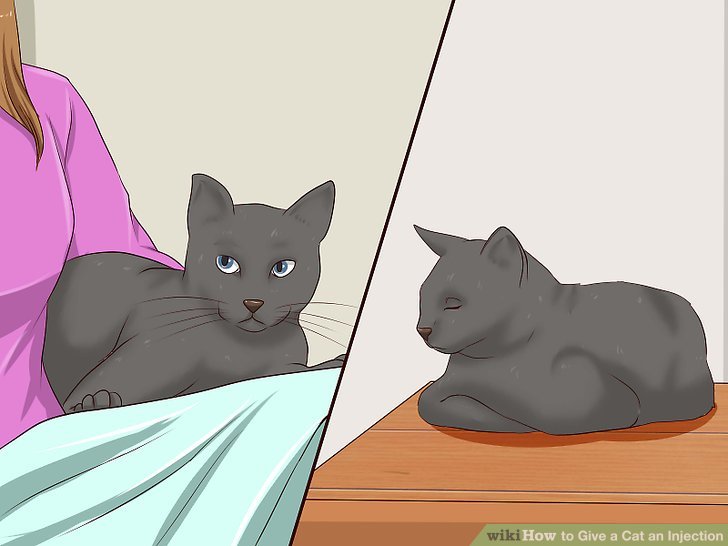
Proper preparation is essential to ensure the safety and comfort of both the cat and the handler during an injection procedure. Adequate preparation minimizes stress for the animal, ensures accurate medication delivery, and reduces the risk of accidents or injuries. Understanding the necessary supplies, setting up an appropriate environment, and maintaining hygiene are fundamental steps in this process.
By systematically organizing supplies and creating a calm, clean environment, caregivers can perform injections efficiently and confidently. Attention to detail during the preparation phase helps in achieving successful outcomes and promotes the well-being of the feline patient.
Necessary supplies and tools
Having the right supplies organized before administering an injection is crucial for a smooth procedure. The following items are typically required:
| Item | Description |
|---|---|
| Syringe | A sterile device used to draw up and administer the medication. The size depends on the volume of medication, commonly 1ml to 5ml for cats. |
| Needle | Attached to the syringe for injection; gauge size usually ranges from 25 to 23, with shorter length for subcutaneous injections. |
| Medication | The specific drug prescribed by the veterinarian, prepared in the correct dosage and form (liquid, injection vial). |
| Antiseptic solution | Alcohol swabs or chlorhexidine solution to disinfect the injection site, reducing infection risk. |
| Gloves | Disposable sterile gloves to maintain hygiene and protect against contamination. |
| Towels or bedding | Soft material to create a comfortable environment or secure the cat during the procedure. |
| Sharps container | A puncture-proof container for safe disposal of used needles and syringes. |
It is advisable to organize all tools within reach before beginning to minimize movement and stress during the injection process. Using a clean, well-lit area ensures visibility and safety throughout the procedure.
Environment setup for safety and comfort
Creating a suitable environment involves selecting a quiet, secure space that minimizes stress for the cat and provides adequate space for handling. The environment should be free of distractions, loud noises, or sudden movements that could startle the animal.
Preparing a comfortable surface, such as a soft towel or blanket, helps in keeping the cat calm and prevents slipping. Ensuring good lighting enables precise handling of the syringe and medication. If necessary, enlisting the help of another person can facilitate restraint and reduce handling time, especially for anxious or uncooperative cats.
Tip: Always handle the cat gently, speaking softly and using familiar words to reassure the animal during preparation and administration.
Having all supplies ready and environment well-organized contributes to a smoother, less stressful injection experience for both the cat and the caregiver. Proper setup also enhances safety by ensuring quick access to necessary tools and reducing the risk of accidental needle sticks or medication errors.
Sanitizing hands thoroughly before handling supplies and cleaning the injection site with an antiseptic are critical steps in maintaining hygiene and preventing infection. Using gloves can provide an extra layer of protection and further support a sterile environment.
Proper Handling and Restraint Techniques
Giving a cat an injection requires not only knowledge of the procedure but also the ability to handle and restrain the animal safely and compassionately. Proper handling minimizes stress for the cat and ensures the safety of both the pet and the handler. Gentle yet secure restraint helps prevent sudden movements that could lead to injury or accidental needle sticks, making the process smoother and less traumatic for everyone involved.Effective restraint begins with understanding the cat’s size, temperament, and comfort level.
Cats that are calm and accustomed to handling may require minimal restraint, whereas more anxious or aggressive cats benefit from gentle but firm support. Using appropriate techniques can reduce the likelihood of injury and facilitate accurate medication administration. Always prioritize the animal’s well-being by handling with patience and care.
Positioning the Cat for Injection
Achieving the correct position is crucial for a safe and efficient injection process. The approach varies depending on the size and temperament of the cat, but the fundamental goal remains consistent: secure the cat comfortably while exposing the injection site.For small or anxious cats, placing them on a stable surface such as a table or countertop, covered with a soft towel, can provide a secure area.
It’s helpful to sit at the cat’s level to avoid looming over the animal, which might increase their stress. Gently wrapping the cat in a towel (commonly called a ‘pouch’ or ‘muzzle’) can prevent scratching and provide control, especially for fractious cats. The towel should be snug enough to prevent escape but not so tight as to cause discomfort or breathing issues.For larger, more docile cats, a sitting position in your lap with one arm wrapped around the body can suffice.
Support the chest with your hand and gently hold the head to prevent sudden movements. In cases where the cat is particularly aggressive or fearful, it is advisable to use a restraint device such as a feline restraint bag or a towel wrap to ensure safety. Always avoid excessive force; the aim is to have gentle control that minimizes panic or injury.
Techniques for Proper Restraint
Securing the cat with care involves specific techniques that balance control with comfort. The following step-by-step process provides guidance on how to hold and restrain a cat effectively:
- Position the cat on a stable, non-slip surface, ensuring the area is quiet and free of sudden stimuli.
- For small or anxious cats, place a soft towel or blanket around the body, wrapping snugly but gently, leaving the head exposed for visual reassurance.
- Gently grasp the cat’s shoulders or scruff with one hand, supporting the weight of the animal, while keeping the head steady with your other hand. Many cats find scruffing soothing if done correctly, but this should be used sparingly and with proper technique.
- For cats that tend to struggle or scratch, consider using a restraint bag or a towel wrap that covers the body securely without restricting breathing.
- Ensure the hind legs are supported, either by holding them manually or by gently pressing the cat’s body against your arm or lap, preventing kicking or sudden movements.
- Maintain a calm and reassuring demeanor throughout the process, speaking softly to the cat to reduce anxiety.
Safety Precautions During Restraint
Safety is paramount during restraint to prevent injury to both the cat and handler. Adhering to these precautions helps achieve a secure yet compassionate restraint:
- Always handle the cat gently to avoid causing pain or distress. Use firm but not forceful grip techniques.
- Be mindful of the cat’s claws and teeth. Consider using protective gloves if necessary, especially with aggressive animals.
- Stay aware of the cat’s body language; signs of extreme stress or aggression—such as flattened ears, hissing, or trying to escape—indicate the need to pause and reassess the restraint method.
- Keep the injection area exposed and accessible while maintaining control over the rest of the body to prevent sudden movements.
- If the cat becomes overly stressed or aggressive, allow it to rest and regain composure before proceeding. Do not attempt to force the injection if the animal is highly distressed; consult a veterinarian for alternative approaches.
- Ensure your own safety by keeping your fingers clear of the needle’s path and avoiding sudden jerky movements that could startle the animal.
By applying these handling and restraint techniques, you can help make the process of giving your cat an injection as smooth and stress-free as possible, ensuring a safer experience for both pet and caregiver.
Selecting the correct injection site

Choosing the appropriate injection site is essential to ensure the effectiveness of the medication while minimizing discomfort and potential complications for your cat. Different sites offer various advantages and considerations, making it important to understand their specific characteristics and proper preparation techniques. Proper selection not only enhances the accuracy of the injection but also contributes to the overall well-being of your feline patient.The selection process involves assessing the cat’s anatomy, comfort, and the type of medication being administered.
Accurate identification of these sites allows for easier administration, reduces stress for both the cat and handler, and promotes better absorption of the medication. This section details common injection sites, how to inspect and prepare these areas, and a comparison table highlighting their respective benefits and limitations.
Common injection sites for cats
Understanding the typical injection sites for cats involves recognizing specific anatomical areas that are safe and effective for subcutaneous or intramuscular injections. The most frequently used sites include the scruff, thigh, and flank, each with distinct features.The scruff is located at the back of the neck, where the loose skin can be gently lifted for injection. This area is ideal for subcutaneous injections due to the thin layer of skin and minimal muscle tissue.
It is also convenient for quick injections, especially in stressed or difficult cats, as many cats tolerate handling of this area well.The thigh refers to the quadriceps muscle located on the front of the hind leg. This site is suitable for intramuscular injections, as it offers a substantial muscle mass and easier access for some handlers. It is important to identify the femur and surrounding muscles, ensuring the injection avoids bones and major blood vessels.The flank area is located on the side of the cat, just behind the ribs and above the hind leg.
This site provides a relatively large, accessible area for both subcutaneous and intramuscular injections, especially when other sites are challenging due to the cat’s temperament or physical condition.Before administering an injection, inspecting the skin involves checking for any abnormalities, such as lesions, swellings, or hair mats that could interfere with proper needle placement. Ensuring the skin is clean and free of debris minimizes infection risk and facilitates smooth injection.
If necessary, gently clip the fur over the injection site, taking care to avoid causing undue stress or discomfort.
Comparison table of common injection sites
To assist in selecting the most appropriate site, the following table summarizes the advantages and disadvantages of each location:
| Injection Site | Advantages | Disadvantages |
|---|---|---|
| Scruff |
|
|
| Thigh |
|
|
| Flank |
|
|
Proper selection of the injection site, combined with careful skin inspection and preparation, ensures safe and effective medication administration. Understanding the unique benefits and limitations of each site helps handlers make informed decisions tailored to each individual cat’s needs and temperament.
Administering the injection

Properly administering an injection to a cat is crucial to ensure effective medication delivery while minimizing discomfort and stress for the animal. This process requires attentiveness to detail, precision, and patience. By following a systematic approach, pet owners and veterinary professionals can confidently give injections that are safe and efficient, enhancing the overall treatment experience for the cat.Administering an injection involves drawing the correct medication volume into the syringe, inserting the needle at the proper angle and depth depending on the injection type, and smoothly delivering the medication into the selected site.
Addressing potential issues such as resistance or hesitation during injection is also vital to ensure the process remains safe and stress-free. Mastery of these steps contributes to successful treatment outcomes and a positive experience for both the cat and caregiver.
Drawing medication into the syringe
Drawing medication into the syringe accurately and safely is the first step in administering an injection. This process involves preparing the medication, handling the syringe and needle with care, and ensuring the correct dosage. Proper technique reduces the risk of contamination and ensures the medication is administered effectively.Begin by thoroughly washing your hands and assembling all necessary supplies, including the medication vial, syringe, and needle.
If the medication is in a vial with a rubber stopper, disinfect the stopper with an alcohol swab before inserting the needle. Attach the needle securely to the syringe or insert the needle into the vial’s rubber stopper, depending on the type of syringe used.Draw air into the syringe equal to the volume of medication needed. Insert the needle into the vial’s rubber stopper and gently push the air into the vial.
Then, invert the vial, keeping the needle tip submerged in the liquid, and slowly pull back on the plunger to draw the required dose. Remove any air bubbles by tapping the syringe gently and pushing the plunger slightly to expel trapped air. Ensure the medication volume is correct and the syringe is ready for injection.
Safety tip: Always handle needles with care to prevent accidental sticks. Use a needle cap or safety device after drawing medication, and never recap a needle after injection.
Correct angle and depth for needle insertion
The angle and depth of needle insertion depend on the type of injection—subcutaneous, intramuscular, or intravenous—and influence the effectiveness of medication delivery. Proper technique minimizes pain and tissue trauma while maximizing absorption.For subcutaneous injections, insert the needle at a 45- to 60-degree angle to the skin surface, ensuring the needle tip is just beneath the skin into the subcutaneous tissue.
Penetration depth typically ranges from 2 to 3 millimeters, depending on the cat’s size and skin thickness. Using a quick, smooth motion helps reduce discomfort.Intramuscular injections generally require a 90-degree angle, inserting the needle directly into the muscle tissue. The depth varies based on muscle size but often ranges from 5 to 15 millimeters. It’s essential to avoid hitting bones or blood vessels.Intravenous injections involve inserting the needle at a shallow angle, around 25 to 30 degrees, directly into a vein.
The needle should be advanced carefully until blood appears in the hub, indicating proper placement within the vein. The depth varies according to the vein’s size and location.Troubleshooting common issues such as resistance during insertion involves gently repositioning the needle, ensuring the correct angle, and verifying the tissue that the needle is passing through. Hesitation may be reduced by calming the cat, using gentle restraint, and practicing confidence and steadiness in your technique.
Step-by-step procedure for smooth and safe injection
Executing an injection smoothly requires a well-coordinated sequence of actions that prioritizes safety, comfort, and accuracy. The following steps Artikel a reliable procedure:
- Confirm the correct medication, dosage, and injection site. Double-check the medication label and your calculations.
- Prepare the syringe and medication as described previously, ensuring the syringe contains the correct amount with no air bubbles.
- Securely restrain the cat, using gentle but firm handling to prevent sudden movements. Position the cat comfortably, with the selected site exposed.
- Disinfect the injection site with an alcohol swab to minimize infection risk.
- Hold the syringe like a pen, with your dominant hand, and use your other hand to gently stretch or stabilize the skin at the injection site.
- Insert the needle at the proper angle and depth swiftly and confidently, minimizing tissue trauma. If resistance is felt, slightly adjust the angle or reposition the needle.
- Slowly depress the plunger to administer the medication, observing for any signs of hesitation or resistance.
- Once the medication is fully delivered, swiftly but carefully withdraw the needle at the same angle it was inserted, minimizing tissue damage.
- Immediately dispose of the needle into a sharps container to prevent needlestick injuries and contamination.
- Apply gentle pressure to the injection site with a clean cotton ball or gauze if bleeding occurs. Monitor the cat for any adverse reactions or discomfort.
Troubleshooting common issues during injection
Despite careful preparation, challenges may arise such as resistance during needle insertion or hesitation from the cat. Recognizing and addressing these issues promptly ensures safety and comfort.Resistance during needle insertion can be caused by incorrect angle, puncturing through the tissue or hitting a dense area such as fascia or a blood vessel. To overcome this, gently reposition the needle, slightly adjusting the angle or depth until smooth passage is achieved.
Applying steady, confident pressure helps reduce tissue resistance.Hesitation or movement from the cat during injection can be mitigated by calming techniques such as soft talking, gentle petting, or wrapping the cat snugly in a towel. Using distraction techniques or offering treats after the procedure can also help reduce anxiety for future injections.If resistance or hesitation persists, consider consulting with a veterinarian to review technique or explore alternative injection sites.
Ensuring proper restraint and patient comfort is key to minimizing issues and achieving a successful injection.
Post-injection care and observation
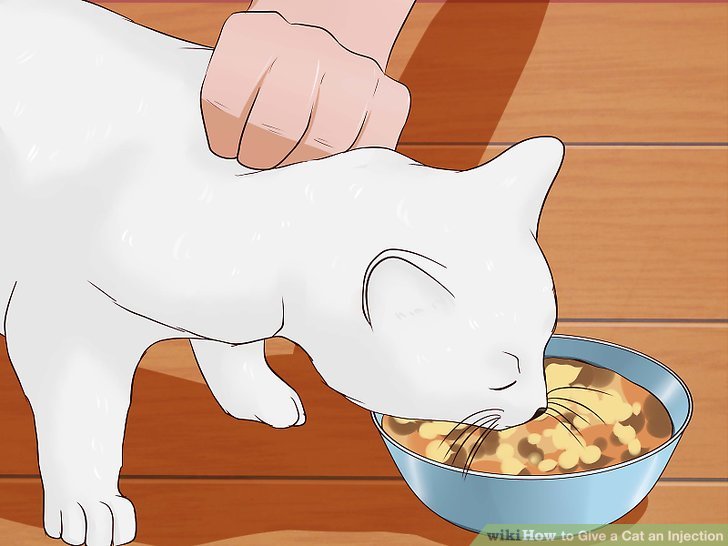
After administering a cat injection, diligent post-injection care is essential to ensure the safety and well-being of your feline companion. Proper monitoring helps detect any immediate reactions or adverse effects, allowing for prompt intervention if necessary. Additionally, careful disposal of used needles and syringes maintains safety standards and environmental responsibility. Managing any discomfort or side effects in your cat promotes a smooth recovery process and minimizes stress for both pet and owner.Monitoring your cat closely during the first few hours following an injection is crucial.
Common immediate reactions may include swelling, redness, or tenderness at the injection site, along with signs of discomfort such as scratching or licking excessively. More serious, though less common, adverse effects could involve allergic reactions like swelling around the face or neck, difficulty breathing, vomiting, or lethargy. Observing your cat’s behavior, appetite, and activity levels in this period helps identify any unusual symptoms early.
If any concerning signs are observed, consulting your veterinarian promptly is recommended to ensure appropriate care.Proper disposal of needles and syringes not only protects you and others from accidental needle sticks but also prevents environmental contamination. Always follow local regulations for disposal, typically involving puncture-proof sharps containers specifically designed for medical waste. Never dispose of needles casually in household trash, as this poses significant safety risks.
After disposal, wash your hands thoroughly with soap and water to eliminate any residual contaminants. Maintaining a clean and organized workspace during and after injection procedures minimizes infection risks and ensures safe handling practices.Managing discomfort or side effects in your cat involves several supportive measures. If mild swelling or soreness occurs at the injection site, applying a cool, damp cloth can help reduce inflammation and provide soothing relief.
For behavioral signs of pain or distress, such as vocalization, hiding, or decreased activity, offering a calm environment and gentle reassurance can alleviate anxiety. In cases where your cat shows persistent or severe reactions—such as vomiting, diarrhea, or respiratory distress—immediate veterinary consultation is essential. Your veterinarian may recommend medications to alleviate side effects or suggest additional supportive care, ensuring your cat’s swift recovery and comfort.
Troubleshooting Common Challenges in Administering Cat Injections
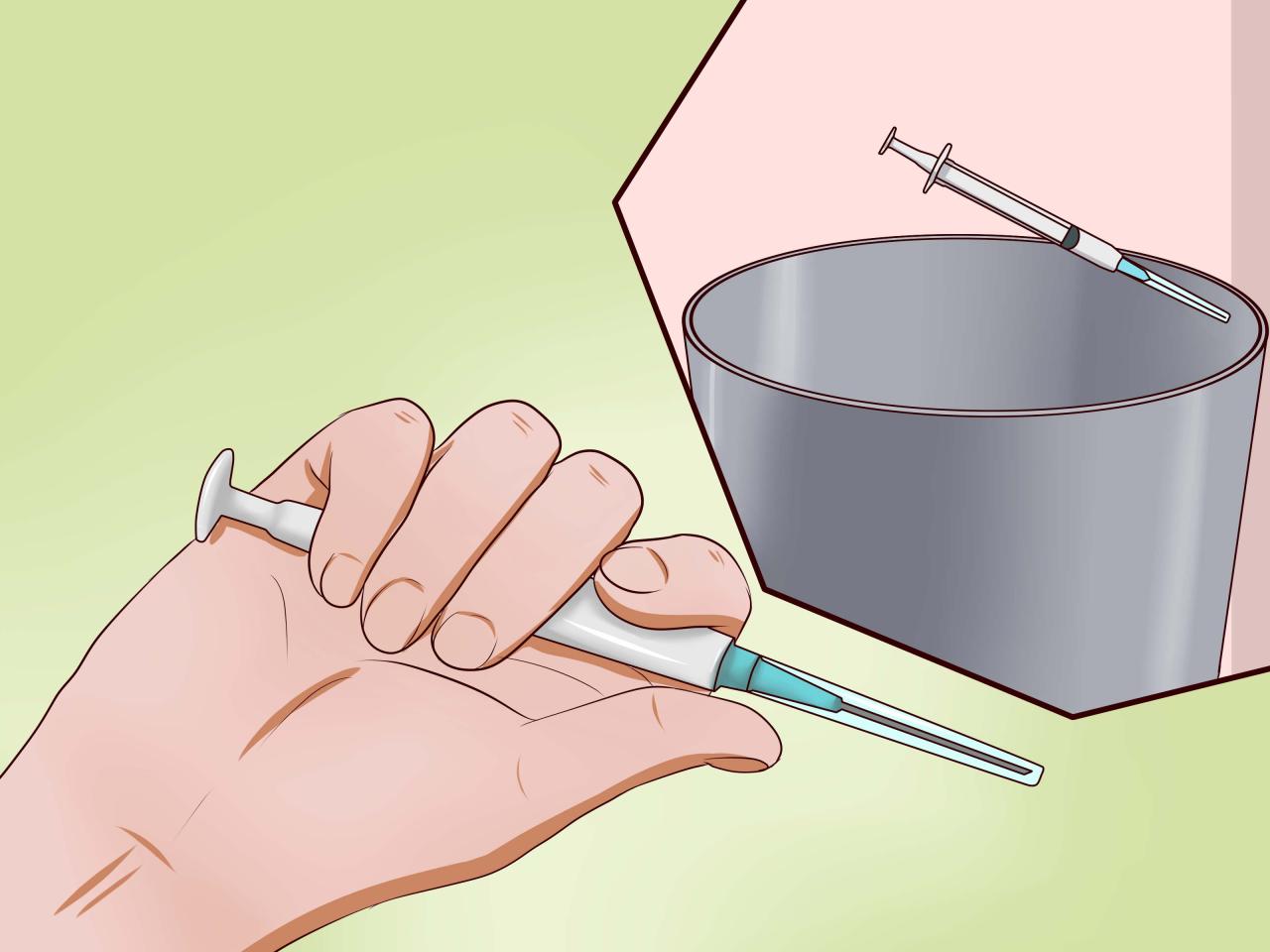
Administering injections to cats can sometimes present unexpected challenges, especially when dealing with uncooperative animals or unexpected reactions. Understanding how to troubleshoot these common issues is essential for ensuring the safety and comfort of both the cat and the handler. Properly addressing difficulties as they arise can prevent injury, reduce stress, and make the process more efficient and less traumatic for the animal.During injection procedures, veterinarians and pet owners may encounter obstacles such as movement, aggression, or physical discomfort from the cat.
Recognizing these challenges early and applying effective solutions can significantly improve the outcome and overall experience. This section provides practical strategies for handling typical problems faced during feline injections, as well as guidance on when to seek professional help for complicated situations.
Handling Uncooperative and Aggressive Cats Safely
Cats that resist injections often do so due to fear, pain, or previous negative experiences. Addressing these behaviors requires patience, gentle techniques, and sometimes, the assistance of additional personnel or tools.
- Use calming techniques: Speaking softly, using pheromone sprays (like Feliway), or offering treats can help reduce anxiety. Ensuring the environment is quiet and familiar can also ease tension.
- Proper restraint: Employing gentle but firm restraint techniques minimizes movement. Towel wrapping (muzzle or burrito method) can secure the cat while preventing scratching or biting.
- Employ distraction methods: Gentle massaging or offering a favorite toy during the injection can divert the cat’s attention and reduce resistance.
- Seek assistance when needed: For highly aggressive or fractious cats, involving a second person experienced in feline handling can make the process safer and smoother.
Secure handling and patience are crucial. For cats displaying aggressive behavior that cannot be safely managed at home, professional veterinary intervention is recommended to prevent injury and ensure proper treatment.
Managing Unexpected Reactions During Injection
Even with careful preparation, cats may have adverse reactions during or immediately after an injection, such as swelling, bleeding, or allergic responses. Prompt recognition and appropriate action are vital.
- Monitor for signs of distress: Watch for sudden swelling, difficulty breathing, vomiting, or excessive bleeding. Immediate assessment is necessary if these occur.
- Control bleeding: Apply gentle pressure with sterile gauze if bleeding is present. If bleeding persists or is severe, seek veterinary assistance promptly.
- Address allergic reactions: Mild reactions may include swelling at the injection site or hives. Severe reactions, such as difficulty breathing or collapse, require emergency veterinary care. Administer antihistamines only under veterinary guidance.
- Document and report: Record details of the reaction, including the time, symptoms, and possible causes, to inform future treatments and discussions with your veterinarian.
When to Seek Professional Assistance
While many challenges can be managed at home with proper techniques, certain situations necessitate professional veterinary intervention to ensure safety and proper treatment.
- Severe adverse reactions: Immediate professional care is required if the cat experiences difficulty breathing, collapse, or anaphylaxis after injection.
- Persistent injury or bleeding: If bleeding continues beyond a few minutes or if there is swelling that worsens, consult a veterinarian.
- Unmanageable aggression: Cats that become extremely aggressive or fearful despite gentle handling may need sedation or specialized handling by a veterinary professional.
- Uncertain about method or site: If there is doubt about the correct injection technique or site, it is safer to seek veterinary assistance rather than risk improper administration.
Recognizing limitations and knowing when to involve professionals can prevent complications and ensure that your cat receives safe and effective treatment, fostering trust and welfare for future procedures.
Last Word
Mastering the process of giving a cat injection is a valuable skill that promotes your pet’s health and well-being. With proper preparation, gentle handling, and attention to detail, you can make this routine a smooth and stress-free experience. Remember to monitor your cat afterward and seek professional assistance if any issues arise, ensuring your feline friend stays healthy and comfortable.