Understanding how to prevent cat parasites is essential for maintaining your feline’s health and well-being. Parasites such as fleas, ticks, mites, and intestinal worms are common issues that can affect cats at any age, leading to discomfort, illness, and even more severe health complications if left untreated. Implementing effective prevention strategies can help keep your cat parasite-free and ensure a happy, healthy life.
This comprehensive guide explores various methods to prevent cat parasites, including routine care, environmental control, medication options, natural remedies, and the importance of veterinary consultations. By staying informed and proactive, you can significantly reduce the risk of infestations and safeguard your pet’s health.
Understanding Cat Parasites

Parasites pose a significant health threat to cats, affecting their well-being and comfort. Recognizing the common types of parasites and understanding how they impact feline health is essential for effective prevention and treatment. This knowledge enables pet owners to identify potential issues early and seek appropriate veterinary care, ensuring their cats lead healthier, more comfortable lives.
Cat parasites are diverse, ranging from external nuisances like fleas and ticks to internal invaders such as intestinal worms. Each type of parasite affects cats differently, often causing discomfort, illness, or more severe health complications if left untreated. A comprehensive understanding of these parasites helps in implementing targeted preventive measures and maintaining optimal feline health.
Types of Common Cat Parasites
The following table delineates the primary parasitic threats affecting cats, outlining their symptoms and associated health risks. Recognizing these indicators early can facilitate prompt intervention and improve prognosis.
| Parasite Type | Symptoms | Health Risks |
|---|---|---|
| Fleas |
|
|
| Ticks |
|
|
| Mites |
|
|
| Intestinal Worms |
|
|
Prevention Strategies for Cat Parasites
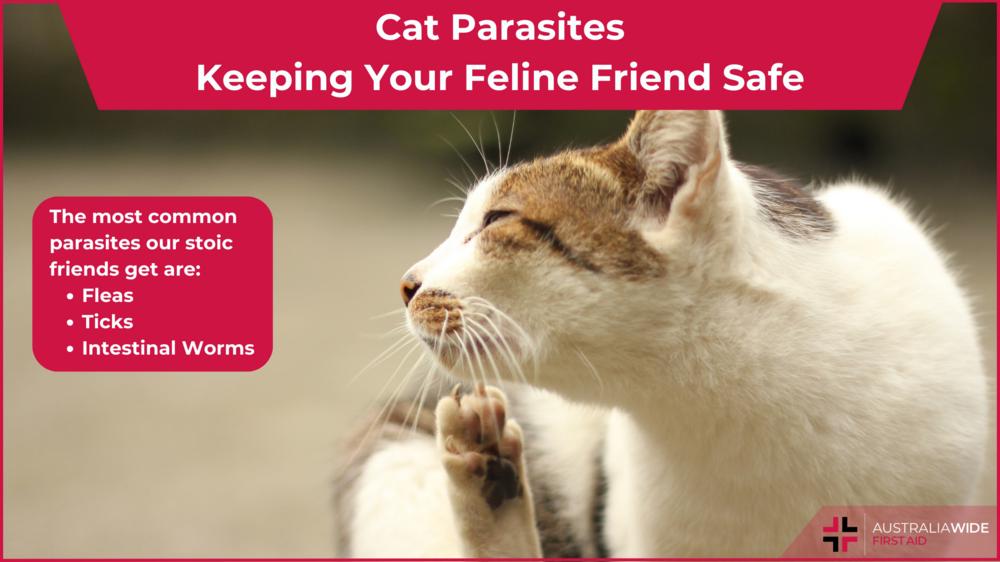
Implementing effective prevention strategies is essential to safeguard your feline companion from the risks associated with parasite infections. A proactive approach combines medical, environmental, and personal care measures to minimize exposure and reduce the likelihood of infestation.
Adopting a comprehensive prevention routine not only protects your cat’s health but also contributes to a cleaner and safer home environment. Consistency and diligence are key factors in establishing a successful parasite control program.
Vaccination and Medical Preventive Measures
Vaccinations and regular medicinal treatments serve as the frontline defense against several common cat parasites, particularly those with the potential to cause serious health issues or zoonotic transmission. Proper veterinary consultation ensures tailored preventive care based on your cat’s lifestyle and region.
- Administering core vaccines: Vaccines against feline roundworms and tapeworms can significantly reduce infection risks. Additionally, vaccines for parasites like feline leukemia virus (FeLV) can indirectly bolster immune defenses against parasitic complications.
- Regular deworming schedules: Implementing a routine deworming protocol, typically every 3 to 6 months, helps eliminate existing parasites and prevents new infestations. Use veterinarian-recommended medications, such as praziquantel for tapeworms and fenbendazole for roundworms.
- Preventive topical treatments: Monthly topical applications containing active ingredients like selamectin or moxidectin can deter fleas, ticks, and certain internal parasites from establishing themselves.
Regular Grooming and Physical Inspection
Routine grooming practices are vital for early detection and removal of parasites. They also contribute to overall hygiene, reducing the parasite load in your environment.
- Brushing your cat regularly: Brushing helps remove fleas, ticks, and loose fur that may harbor eggs or larvae. Use fine-toothed combs for thorough inspection in areas like the neck, ears, and tail.
- Physical examinations: Periodically check your cat’s skin, ears, and around the anus for signs of parasites such as ticks, fleas, or visible worms. Early detection facilitates prompt treatment and minimizes health risks.
Environmental Control and Hygiene Practices
Maintaining a clean living environment plays a crucial role in reducing parasite exposure. Proper sanitation disrupts the life cycle of many parasites and limits their ability to reproduce and spread.
- Cleaning bedding and resting areas: Wash your cat’s bedding, blankets, and plush toys regularly in hot water to eliminate eggs and larvae.
- Vacuuming and house cleaning: Frequently vacuum carpets, furniture, and cracks in flooring to remove eggs and larvae of fleas and other parasites. Discard vacuum bags or contents promptly.
- Controlling outdoor access: Limit unsupervised outdoor activities, especially in areas known for high parasite prevalence. Use enclosed patios or supervised outdoor time to reduce exposure to infected animals or contaminated soil.
- Managing other pets: Regularly treat all household pets for parasites to prevent cross-infestation and maintain a parasite-free environment.
Establishing a Routine for Parasite Prevention
Creating an organized and consistent routine ensures ongoing protection and early intervention when necessary. The following step-by-step procedure provides a structured approach to maintaining effective parasite prevention at home:
- Schedule veterinary visits: Arrange annual or bi-annual health check-ups to update vaccinations and evaluate parasite control measures.
- Implement a medication calendar: Mark deworming and topical treatment dates on a calendar aligned with veterinarian recommendations.
- Daily inspection: Dedicate a few minutes each day to visually inspect your cat for signs of parasites, such as fleas or skin irritations.
- Maintain cleanliness: Establish weekly schedules for washing bedding, vacuuming, and cleaning living spaces to disrupt parasite life cycles.
- Limit outdoor exposure: Control your cat’s outdoor activities, choosing safe, parasite-managed environments.
- Monitor and record: Keep a log of treatments, inspections, and any health changes to track the effectiveness of your prevention plan and make adjustments as recommended by your veterinarian.
Use of Preventive Medications

Implementing the appropriate preventive medications is a crucial step in maintaining your cat’s health and preventing parasitic infestations. These medications are designed to target a range of common parasites, including fleas, ticks, intestinal worms, and ear mites, thereby reducing the risk of associated health issues and enhancing your feline friend’s overall well-being.
Choosing the right form and schedule of medication depends on your cat’s lifestyle, health status, and the parasites prevalent in your region. Proper administration not only ensures effective prevention but also minimizes potential side effects and maximizes convenience for pet owners.
Types of Anti-Parasitic Medications Suitable for Cats
There is a variety of anti-parasitic medications available on the market tailored to meet different needs and preferences. Each type offers specific benefits and considerations, making it important to select the most appropriate option for your cat’s health management plan.
Topical treatments are applied directly to the skin, usually on the back of the neck, and provide a convenient way to administer medication without needing to handle your cat extensively. They often offer quick absorption and a broad spectrum of activity against fleas and ticks. However, they may be less effective in cats with certain skin conditions or those prone to grooming excessively shortly after application.
Oral tablets and chewables are ingested, offering a discreet and often long-lasting solution. These are especially effective for intestinal parasites like worms, as they directly target parasites within the gastrointestinal tract. Some cats may resist pills, requiring owner patience or special administration techniques. Side effects are generally mild, but compliance depends on the cat’s willingness to swallow pills.
Collars infused with antiparasitic agents provide continuous protection as long as the collar remains in place. They are particularly useful for flea and tick prevention and are easy to use, making them popular among pet owners. Nevertheless, some cats may find collars uncomfortable or may develop skin irritation, and collars may be less effective against internal parasites.
Comparison of Medication Forms
Understanding the advantages and disadvantages of each medication form can assist in selecting the most suitable option for your cat’s needs.
| Medication Type | Application Frequency | Effectiveness |
|---|---|---|
| Topical treatments | Monthly or as prescribed | High efficacy against fleas and ticks; limited internal parasite activity |
| Oral tablets/chewables | Monthly, bi-monthly, or as directed | Effective for internal and external parasites; quick action against worms and emerging fleas |
| Collars | 6 months to 1 year, depending on collar type | Long-term protection mainly against external parasites; variable internal parasite coverage |
Identifying Parasite Infestation
Detecting parasite infestations early is crucial for maintaining your cat’s health and preventing the spread of parasites within your household. Recognizing the signs and symptoms associated with different parasites allows for prompt action, ensuring your feline companion remains comfortable and disease-free.
Parasite infestations can manifest through a variety of physical and behavioral changes. Some signs are subtle, while others are more obvious. Regular inspection and awareness of common symptoms can help catch problems before they become severe.
Signs and Symptoms of Parasite Infestation
Understanding the typical signs and symptoms associated with parasite infestations enables pet owners to identify potential issues promptly. These signs often vary depending on the type of parasite involved but generally include changes in behavior, physical appearance, or health status.
- Excessive scratching, biting, or licking, especially around the ears, neck, or tail, indicating skin irritation from external parasites like fleas or mites.
- Visible parasites or eggs in the fur, especially near the neck, back, or tail base, which can be seen with close inspection.
- Presence of fleas or flea dirt, which appears as small black specks that turn reddish-brown when crushed, signaling flea activity.
- Frequent hair loss or bald patches resulting from intense scratching or biting at itchy areas.
- Unexplained weight loss or poor coat condition, often associated with internal parasites such as worms.
- Vomiting or diarrhea, particularly if worms or protozoa are involved, sometimes accompanied by visible worms in stool.
- Swollen or irritated skin, indicating allergic reactions to parasite bites or burrowing mites.
- Respiratory issues or coughing if lungworms or other internal parasites are present.
Inspection Techniques and Warning Signs
Effective parasite detection involves thorough inspection of your cat’s body and environment. Regular checks can help identify early infestations, minimizing health risks and discomfort for your pet.
When inspecting your cat and its surroundings, focus on areas prone to parasite accumulation and observe for visual or behavioral clues of infestation. Consistency in these inspections is key to early detection.
- Examine the fur closely, especially around the neck, ears, armpits, and tail base, for the presence of fleas, eggs, or ticks. Use your fingers to part the fur and look for tiny moving insects or dark specks.
- Check the skin for redness, irritation, or sores that may indicate scratching or biting caused by external parasites.
- Inspect bedding, carpets, and furniture for flea dirt, shed fur, or cast-off eggs, which serve as signs of ongoing infestation.
- Look for tiny moving specks or eggs in areas where your cat sleeps or spends time, as these are common infestation hotspots.
- Monitor your cat’s grooming habits; excessive grooming or licking often suggests discomfort caused by parasites.
- Observe behavioral changes such as increased restlessness, irritability, or reluctance to be touched, which can be signs of parasitic discomfort.
Important: Regularly inspecting your cat and its environment can help catch infestations early, making treatment more effective and reducing long-term health issues.
Natural and Alternative Preventive Methods
In addition to conventional medications, many pet owners explore natural and herbal approaches to prevent or minimize parasitic infestations in cats. These methods can serve as supplementary strategies to traditional treatments, potentially reducing reliance on chemical products and promoting overall feline health. Understanding the role of natural remedies is essential for those seeking holistic care and aiming to integrate gentle, plant-based options into their pet’s parasite prevention program.
While natural methods often appeal due to their perceived safety and environmental friendliness, their efficacy varies depending on the type of parasite, the strength of the remedy, and individual cat sensitivities. It is important to recognize that natural treatments may not provide complete protection in all cases but can be valuable as part of an integrated parasite control plan, especially when combined with good hygiene and regular veterinary check-ups.
Herbal and Natural Remedies for Parasite Prevention
Natural remedies and herbal treatments have been used traditionally across various cultures for their antiparasitic properties. These substances often possess mild repellent or inhibitory effects on parasites, helping to reduce the risk of infestations when used appropriately. It is advisable to consult with a veterinarian before introducing any herbal treatments to ensure safety and proper dosing, especially for cats with pre-existing health conditions or sensitivities.
- Garlic: Known for its natural antimicrobial and antiparasitic properties, garlic can be integrated into a cat’s diet in very small quantities. However, excessive amounts are toxic to cats, so caution is essential.
- Pumpkin Seeds: Rich in cucurbitacin, pumpkin seeds have been traditionally used to expel intestinal parasites like worms. They can be ground into a powder and added to food.
- Wormwood: A herb with potent antiparasitic effects, often used in herbal tinctures or teas. It is highly concentrated and should only be used under veterinary supervision due to potential toxicity.
- Fennel: Known for its ability to repel intestinal parasites and soothe digestive issues, fennel can be incorporated as a supplement or in herbal teas for cats.
- Neem: Extracts from neem trees have shown antiparasitic activity against fleas and intestinal worms. Neem oil or leaves can be used topically or in diluted form.
Incorporating these natural agents may contribute to a holistic parasite prevention approach, but their effectiveness should be viewed as supportive rather than standalone solutions. They are best used in conjunction with proper hygiene, environmental control, and regular veterinary care.
Comparison of Natural Methods Versus Conventional Products
Natural preventive methods are often favored for being perceived as safer, environmentally friendly, and less likely to cause adverse reactions. They are generally suitable for mild infestations or as preventive measures in healthy cats. Nonetheless, their efficacy can be inconsistent, partly because natural remedies may not have undergone rigorous scientific testing or standardization.
Conventional products, such as topical treatments and oral medications, are formulated based on extensive research to target specific parasites effectively. These medications typically provide more predictable and immediate results, especially in cases of established infestations. However, they may carry risks of side effects, resistance development, or allergic reactions in some cats.
“The choice between natural and conventional methods should be guided by veterinary advice, considering the severity of infestation, the health status of the cat, and lifestyle factors.”
Ultimately, an integrated approach that combines the safety of natural remedies with the proven efficacy of conventional medications often offers the most comprehensive parasite prevention strategy. Regular monitoring, environmental hygiene, and veterinary consultation remain key components of effective parasite control in cats.
Consulting Veterinary Professionals
Engaging with veterinary professionals is a fundamental aspect of effective parasite prevention in cats. Regular veterinary visits ensure that your feline companion receives tailored advice, up-to-date treatments, and early detection of potential infestations. Building a collaborative relationship with your veterinarian enhances the effectiveness of your parasite control strategies and ensures your cat’s ongoing health and comfort.
Veterinarians possess specialized knowledge about the lifecycle of various parasites, regional risks, and the most current preventative measures. Their guidance helps in creating a comprehensive plan that considers your cat’s age, lifestyle, environment, and health status. Additionally, vet visits provide an opportunity to perform diagnostic tests, administer preventive medications, and address any concerns related to parasite infestations promptly and effectively.
Questions to Ask Veterinarians Regarding Parasite Control Plans
When consulting your veterinarian about parasite prevention, it is essential to ask targeted questions to ensure a thorough understanding and effective management plan. These inquiries should cover different aspects of parasite risks, preventive measures, and treatment options to tailor a strategy suitable for your cat’s specific needs. Here are some vital questions:
- What types of parasites are most prevalent in our geographic location and environment?
- What are the recommended preventive medications or treatments for my cat’s age and health condition?
- How often should my cat undergo parasite screening and testing?
- Are there any natural or alternative prevention methods that complement medication?
- What signs should I watch for to detect a parasite infestation early?
- Are there specific environmental or behavioral factors that increase my cat’s risk of infestation?
- What are the potential side effects or interactions of the recommended preventive medications?
- How can I effectively integrate parasite prevention into my regular pet care routine?
Best Practices for Working with Veterinary Professionals
Establishing a strong partnership with your veterinarian is crucial for successful parasite prevention. Adopting best practices ensures clear communication, adherence to recommended protocols, and timely intervention if issues arise. The following guidelines can help you maximize your interactions with veterinary professionals:
- Schedule regular checkups at intervals recommended by your veterinarian, typically every 3 to 6 months, depending on your cat’s risk factors.
- Keep a detailed record of all treatments, medications, and vaccinations administered to your cat for easy reference during visits.
- Follow the veterinarian’s advice precisely regarding medication dosages, application schedules, and environmental management.
- Discuss any changes in your cat’s health, behavior, or environment that could influence parasite risk or treatment efficacy.
- Ask for educational resources, including brochures or online links, to better understand parasite life cycles and prevention methods.
- Seek clarification on any instructions or recommendations that are unclear to ensure proper implementation at home.
- Report any adverse reactions or side effects observed after administering preventive treatments immediately to your veterinarian.
- Maintain open communication and be proactive in seeking advice if you notice symptoms or suspect an infestation, rather than waiting until issues worsen.
Last Recap
In conclusion, preventing cat parasites requires a combination of proper hygiene, regular veterinary checkups, appropriate medication, and environmental management. Staying vigilant for signs of infestation and consulting professionals when needed are key to maintaining your cat’s optimal health. With consistent efforts, you can ensure your feline companion remains comfortable, safe, and parasite-free for years to come.