Allowing your cat to explore outdoors can enrich their life and provide mental stimulation, but ensuring their safety is paramount. Learning how to let a cat outside safely involves careful planning, environmental assessment, and proper training to prevent potential hazards. By implementing effective precautions and supervision, you can create a secure outdoor experience that benefits both you and your feline friend.
This guide covers essential steps such as preparing your home, choosing appropriate times for outdoor activity, using harnesses and leashes correctly, and recognizing outdoor dangers. With these strategies, you can confidently facilitate your cat’s outdoor adventures while minimizing risks and ensuring their well-being.
Preparing Your Home for Safe Outdoor Access

Allowing your cat outdoor access can enrich their life and provide necessary mental and physical stimulation. However, ensuring their safety requires thorough preparation of your home environment. Proper planning minimizes risks of escape, injury, or exposure to hazards, creating a secure outdoor space for your feline friend.
Preparation involves identifying all potential escape routes, reinforcing vulnerabilities in your fencing and entry points, and designing an outdoor enclosure that balances freedom with security. Implementing these measures ensures your cat can enjoy outdoor activities safely and confidently.
Identifying and Securing Potential Escape Routes
Understanding your home’s layout is essential to prevent your cat from escaping through unnoticed gaps or weak points. Conduct a detailed assessment of your property, focusing on entrances, fences, and surrounding structures. Look for areas where your cat could squeeze through, climb over, or dig under. Addressing these vulnerabilities proactively can significantly reduce escape risks.
When evaluating your property, consider the following:
- Inspect all fences for holes, loose panels, or weak points that a cat could exploit. Pay special attention to corners, gates, and at the base of fences where digging might occur.
- Examine all entry points, including doors and windows, to ensure they latch securely and cannot be accidentally left open or pushed open by a curious feline.
- Check for gaps around utility openings, vents, and air conditioning units. These often serve as hidden escape routes.
- Identify any climbable features such as trees, sheds, or furniture that could help your cat reach higher points over fences.
Securing these areas can involve installing extra hardware or barriers, such as reinforcing fences with hardware cloth, adding mesh around gates, or sealing gaps with weatherproof caulk. Regular inspections are recommended to maintain security, especially after severe weather or changes in your landscape.
Creating a Safe Outdoor Enclosure or ‘Catio’
Designing a dedicated outdoor enclosure, or ‘catio,’ provides your feline with a secure environment where they can enjoy fresh air without the risks associated with free roaming. Proper design and construction of a catio can vary from simple window extensions to elaborate free-standing structures, depending on your space and budget.
When planning a catio, consider these design options:
- Window Box Catios: Small enclosures attached directly to windows, allowing your cat to step outside safely while remaining within the confines of your home. These are ideal for apartment dwellers with limited outdoor space.
- Freestanding Structures: Larger, standalone enclosures that can be built on your yard. These can incorporate multi-level platforms, climbing trees, and shaded resting areas to mimic a natural environment.
- Convertible Designs: Structures that can be expanded or modified over time, such as modular panels that connect multiple sections or adapt to your landscape changes.
To ensure maximum safety, incorporate features like secure locking mechanisms, predator-proof fencing, and weather-resistant materials. Use durable, non-toxic materials such as galvanized steel mesh or heavy-duty hardware cloth. Ensure all entry points are lockable and that the enclosure is tall enough to prevent jumping over, typically at least six feet high.
Consider integrating observation perches, hiding spots, and enrichment toys to promote a stimulating environment. Proper ventilation and shade are also vital to prevent overheating and ensure your cat’s comfort during outdoor outings.
Reinforcing Windows, Doors, and Fences
Reinforcing entry points is critical in preventing escape and unauthorized access. Windows, doors, and fences are common vulnerabilities that require specific materials and installation strategies to bolster security.
The following approaches can enhance safety effectively:
| Material/Method | Description and Application |
|---|---|
| Hardware Cloth | Heavy-gauge, galvanized steel mesh that can be attached to existing fences or structures to eliminate gaps and prevent climbing or squeezing through. Ideal for reinforcing lower fence sections or creating an additional barrier. |
| Secure Locks and Latches | Use child-proof, self-locking latches on gates and doors. Ensure all locks are high enough to be out of your cat’s reach and resistant to tampering. |
| Window Screens and Guards | Install sturdy, escape-proof screens that are firmly attached to window frames. For additional security, consider installing window guards made of metal bars or mesh that prevent your cat from pushing through. |
| Fence Extensions and Toppers | Attach angled or outward-leaning extensions, such as rolling or overhang barriers, to existing fences to make climbing or jumping over more difficult. |
| Sealant and Weatherproofing | Apply weatherproof sealant around gaps and cracks in walls, around utility openings, and at the base of fences to prevent digging or squeezing through small openings. |
Ensuring these reinforcements are installed by professionals or following manufacturer guidelines guarantees durability and effectiveness. Regular maintenance, including checking for loose fittings or damages, maintains the integrity of your safeguards over time.
Choosing the Right Time and Environment for Outdoor Exploration
Ensuring your cat’s outdoor adventures are safe and enjoyable begins with selecting appropriate times and environments. Proper timing minimizes risks associated with weather and activity levels, while a well-prepared environment reduces exposure to hazards. Making informed choices about when and where your cat explores outdoors is fundamental to fostering a positive outdoor experience that promotes your feline’s well-being and safety.Selecting suitable times for outdoor exploration involves considering both natural and environmental factors.
Cats are naturally crepuscular animals, most active during dawn and dusk, making these periods ideal for outdoor activity. During these times, lighting conditions are softer, and many pests and aggressive animals are less active. Conversely, midday presents intense sunlight and higher temperatures, which can cause overheating, dehydration, or sunburn, especially in short-haired or light-colored cats. Nighttime outings should be approached cautiously, as reduced visibility increases the risk of accidents and encounters with nocturnal predators or aggressive animals.Weather conditions significantly influence outdoor safety.
Pleasant, mild weather with moderate temperatures typically offers the best environment for exploration. Avoid outings during heavy rain, thunderstorms, snow, or extreme heat, as these conditions can impair your cat’s movement, cause discomfort, or lead to health issues. Windy days may also carry risks, such as falling branches or increased exposure to outdoor hazards. Monitoring weather forecasts and choosing days with stable, mild conditions ensures a safer experience for your feline friend.Assessing and preparing the local environment is crucial for outdoor safety.
Before allowing your cat to explore, conduct a thorough inspection of the immediate area. Look for potential hazards such as:
- Sharp objects like broken glass or metal scraps.
- Poisonous plants or toxic substances.
- Presence of aggressive animals or stray dogs.
- Unsecured trash or compost that could attract pests or contain hazardous materials.
- Unfenced water bodies that pose drowning risks.
Establish safe zones within the environment, such as shaded areas with access to water and shelter. Designate particular parts of your yard or outdoor space where your cat can play freely, away from high-risk zones. Regularly update and reevaluate the environment to maintain safety standards, especially after weather events or changes in the landscape.Implementing a checklist for monitoring outdoor conditions and your cat’s behavior enhances safety during outdoor excursions.
This proactive approach helps identify and respond to potential risks promptly. The checklist should include:
Checking weather conditions
temperature, wind, precipitation, and visibility.
– Ensuring all hazards are removed or secured before the outing.
– Monitoring your cat’s reactions and behavior: signs of stress, fatigue, or discomfort.
– Keeping an eye on your cat’s location and ensuring they remain within a designated safe zone.
– Having essential items on hand, such as water, a collar with ID, and a mobile phone for emergencies.
By adhering to these criteria and maintaining vigilant supervision, you can create a controlled and safe outdoor environment that enriches your cat’s life while minimizing potential dangers.
Using Leashes and Harnesses Effectively
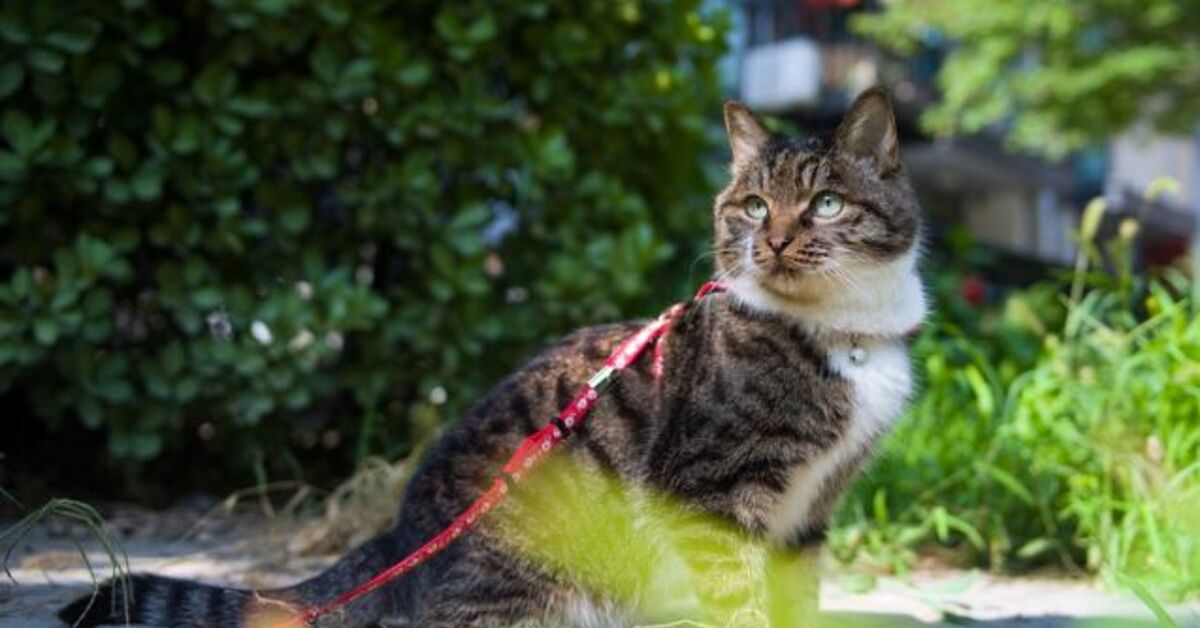
Ensuring your cat’s safety and comfort while exploring outdoors requires the proper use of a leash and harness. Selecting the right equipment, introducing it gradually, and training your cat to enjoy leash walks are essential steps to facilitate a positive outdoor experience. Proper technique and patience can help your feline companion become confident and controlled during outdoor adventures.
The effectiveness of leash training depends on choosing suitable gear and applying techniques that prioritize your cat’s well-being and sense of security. This section provides guidance on selecting appropriate harnesses and leashes, introducing them safely, and training your cat to walk comfortably on a leash, ensuring both safety and enjoyment for your pet.
Selecting a Proper Harness and Leash
Choosing the correct harness and leash involves understanding your cat’s size, behavior, and the environment in which they will be exploring. The right equipment minimizes discomfort and maximizes control, reducing the risk of escapes or injury.
- Size considerations: The harness should fit snugly without being tight, allowing for two fingers to comfortably slide between the harness and your cat’s body. Measure your cat’s girth behind the front legs and around the chest to select the appropriate size. Adjustable harnesses are recommended to ensure a proper fit as your cat grows or if they have a particular body shape.
- Material considerations: Opt for lightweight, breathable materials such as padded nylon or padded mesh, which prevent chafing and overheating. Avoid heavy or non-breathable fabrics that could cause discomfort or restrict movement.
- Leash selection: Use a leash length of about 4 to 6 feet, providing your cat freedom to explore while maintaining control. Leashes made of nylon or leather are durable and reliable, with a secure clip to attach to the harness.
Introducing the Harness Safely
A gradual, positive approach helps your cat associate the harness with comfort and reassurance, reducing anxiety and resistance during outdoor walks. Following a step-by-step process ensures your cat adapts comfortably to the new gear.
- Familiarization: Allow your cat to see and sniff the harness in a familiar environment. Reward calm behavior with treats or gentle praise, associating the harness with positive experiences.
- Comfort introduction: Place the harness loosely around your cat’s neck or body for short periods, gradually increasing the duration over several days. Observe your cat for signs of stress or discomfort, removing the harness if necessary and reintroducing it later.
- Controlled fitting: When your cat tolerates the harness, gently secure it in place, ensuring it fits correctly. Use treats and soothing words to encourage calmness during this process.
- Supervised wearing: Initially, keep your cat supervised while wearing the harness indoors. Monitor for any signs of distress or escape attempts, and gradually increase the duration as your cat becomes more comfortable.
Leash Training for Control and Comfort
Proper leash training involves teaching your cat to walk calmly on a leash without pulling or resisting. Patience and positive reinforcement are key to success, fostering trust and confidence in your pet.
- Start indoors: Attach the leash to the harness and allow your cat to walk freely inside, encouraging exploration with treats and praise. Practice gentle guidance by gently guiding your cat with the leash, avoiding sudden pulls or jerks.
- Establish a safe zone: Designate a quiet, secure space for initial outdoor walks. Keep sessions short and gradually increase duration as your cat gains confidence.
- Use positive reinforcement: Reward your cat for walking beside you or staying close. Use treats, petting, or verbal praise to reinforce desirable behavior.
- Practice steady control: Keep the leash slack during walks to prevent tension and discomfort. If your cat starts to pull, calmly stop walking and wait for your cat to return to a relaxed position before proceeding.
- Monitor body language: Watch for signs of stress or fatigue, such as tail flicking, ears laid back, or rapid breathing. Take breaks or end the walk if your cat shows signs of discomfort.
Patience, consistency, and positive reinforcement are the cornerstones of successful leash training, fostering trust and ensuring your cat’s outdoor safety and enjoyment.
Implementing Supervised Outdoor Time Safely

Allowing your cat outdoor access under supervision is a vital step toward enriching their environment while ensuring their safety. Proper supervision helps prevent accidents, prevents your cat from wandering into hazardous areas, and fosters a positive outdoor experience. Establishing a structured approach ensures your pet’s outdoor exploration is both enjoyable and secure.
Effective supervision involves careful planning of outdoor sessions, attentive observation during exploration, and awareness of the environment. This guide provides essential procedures and safety tips to help you supervise your cat’s outdoor time responsibly, emphasizing the importance of choosing suitable environments and remaining vigilant throughout the process.
Procedural Guide for Supervising Outdoor Sessions
Implementing a consistent routine for outdoor supervision enhances your cat’s safety and comfort. Follow these steps to structure each outdoor session effectively:
- Determine Duration: Start with short supervised periods, such as 10-15 minutes, especially for new outdoor explorers. Gradually extend the duration as your cat becomes more accustomed to outdoor environments. Typical sessions should not exceed 30-45 minutes unless your cat is highly experienced and the environment is safe.
- Observe for Signs of Stress or Curiosity: During the session, monitor your cat’s behavior closely. Signs of stress include rapid eye movement, tense body posture, or attempts to retreat. Curiosity should be encouraged, but if your cat shows signs of discomfort, gently return indoors.
- Maintain Visual Contact: Always keep your cat within your line of sight. Use a harness and leash if necessary, especially in unfamiliar or potentially dangerous environments, to ensure control without restricting natural exploration.
- Identify Observation Points: Regularly check your cat’s position, behavior, and physical state. Look for signs of fatigue, overheating, or injury. Use a timer or alarm to remind yourself to check on your cat periodically, such as every 5 minutes during initial outings.
- Conclude Supervision Before Fatigue: End the outdoor session once your cat shows signs of tiredness or curiosity wanes. Gradually increasing outdoor exposure builds confidence and safety.
Examples of Safe Outdoor Environments
Choosing the right environment for supervised outdoor access is crucial. Safe environments minimize risks like traffic, predators, or hazardous plants, while providing interesting natural features that stimulate your cat’s senses.
- Enclosed Gardens or Yards: Securely fenced areas with no gaps or access points for escape, ensuring your cat cannot wander onto streets or into dangerous zones.
- Quiet Parks or Green Spaces: Areas away from busy roads, loud noises, and aggressive animals. Look for parks with well-maintained paths, open grassy areas, and minimal human traffic.
- Balconies with Safety Measures: If supervised outdoors on a balcony, ensure sturdy railings, no gaps, and a secure harness to prevent falls.
Unsafe environments include busy streets, areas with toxic plants or chemicals, and locations with roaming dogs or other predators. Always assess an outdoor space thoroughly before allowing your cat to explore freely.
Safety Tips During Outdoor Supervision
| Scenario | Recommended Action | Precautions |
|---|---|---|
| Approaching unfamiliar animals or humans | Maintain distance and hold your cat securely with a harness | Avoid areas with aggressive or stray animals; keep your cat close and calm |
| Encountering toxic plants or chemicals | Monitor your cat’s behavior and prevent contact with suspicious plants | Identify and avoid plants like lilies, azaleas, or chemicals like fertilizers and pesticides |
| Hearing loud noises or sudden disturbances | Gently call your cat back to you and return indoors if necessary | Stay vigilant for fireworks, construction noise, or sirens that may startle your cat |
| Straying towards busy roads or hazardous areas | Use a harness and leash to guide your cat away from danger | Supervise closely and avoid letting your cat roam near traffic or unknown terrains |
| Signs of fatigue or stress in your cat | End the outdoor session promptly and bring your cat indoors to rest | Provide water and a comfortable space for recovery after outdoor exploration |
By adhering to these procedures, observing your cat diligently, and choosing safe outdoor environments, you create a secure and enriching outdoor experience. Continuous supervision and proactive safety measures help prevent accidents and ensure your feline friend enjoys outdoor time responsibly.
Recognizing and Avoiding Outdoor Hazards

Ensuring your cat’s safety during outdoor excursions involves a keen awareness of potential hazards present in their environment. Cats are naturally curious creatures, but this curiosity can sometimes lead them into dangerous situations if not properly monitored and prepared for. Understanding common outdoor dangers and how to identify them can significantly reduce risks, enabling your feline companion to enjoy outdoor exploration safely and confidently.Outdoor hazards vary widely depending on location, surroundings, and neighborhood conditions.
These dangers can include traffic, toxic plants, aggressive animals, and environmental elements that pose health risks. Being proactive in recognizing these threats is essential for preventing accidents and ensuring your cat’s well-being while they enjoy supervised outdoor time.
Identifying Common Outdoor Dangers
To protect your cat effectively, it is vital to familiarize yourself with the most prevalent outdoor hazards and learn how to spot them within your environment. Here are some of the major dangers to be aware of:
- Traffic and Vehicles: Roads and driveways are among the most lethal hazards. Vehicles often move quickly and silently, especially in residential areas or areas with frequent activity. Cats attempting to cross or linger near roads are at high risk of being hit.
- Toxic Plants and Substances: Certain plants, such as lilies, azaleas, and daffodils, are highly toxic if ingested. Pesticides, fertilizers, and chemicals used in gardening or lawn maintenance can also be harmful. Recognizing these plants and substances helps prevent accidental poisoning.
- Aggressive or Predatory Animals: Encounters with dogs, raccoons, foxes, or even other cats can lead to fights, injuries, or disease transmission. Aggressive animals may display warning signs such as growling, hissing, or charging.
- Environmental Hazards: Elements like sharp objects, broken glass, or metal debris can cause injuries. Additionally, extreme weather conditions—such as heat, cold, or storms—pose health risks.
Assessing Your Environment for Risks
Conducting regular assessments of your yard or neighborhood is crucial to identify potential hazards. This proactive approach involves a systematic inspection and observation, which can be broken down into clear steps:
- Survey the Area: Walk through your yard and nearby spaces, noting any dangerous items like sharp tools, exposed wires, or unsecured trash that could attract or harm your cat.
- Identify Toxic Plants and Chemicals: Familiarize yourself with local flora and verify if any are toxic to cats. Remove or fence off these plants and store chemicals securely away from your pet’s reach.
- Check for Traffic Hazards: Observe traffic patterns and identify areas where cars frequently pass. Consider installing barriers or fencing to prevent your cat from wandering onto roads.
- Monitor Wildlife and Neighboring Animals: Note the presence of any aggressive or potentially dangerous animals in your vicinity. Observe their behavior and establish safe boundaries.
- Assess Environmental Safety: Remove debris, secure fencing, and create shaded or sheltered areas to protect against weather-related dangers. Ensure the environment is free of hazards that could injure or stress your cat.
Teaching Cats to Avoid Hazards Using Positive Reinforcement
Training your cat to recognize and steer clear of hazards enhances their safety during outdoor exploration. Positive reinforcement strategies are effective in encouraging safe behaviors and deterring risky actions:
- Use Reward-Based Training: When your cat stays away from a hazard or responds to your commands, immediately reward them with treats, praise, or play. This reinforces the association that avoiding dangers leads to positive outcomes.
- Establish Boundaries: Consistently guide your cat away from hazardous areas using a leash or verbal cues, rewarding their compliance. Over time, they will learn to associate these cues with safety.
- Introduce Hazard Cues Gradually: Familiarize your cat with potential dangers by pairing visual or scent cues with positive experiences. For example, expose them to the scent of a toxic plant in a controlled manner, rewarding calm behavior.
- Discourage Dangerous Behavior: When your cat approaches a hazard, gently redirect their attention to safer activities and reward successful redirection. Avoid punishment, which can cause fear or confusion.
- Monitor and Adjust: Regularly observe your cat’s responses to training and hazards. Adjust your methods to improve understanding and ensure they associate safety cues effectively.
Consistent awareness of outdoor hazards and positive reinforcement training are essential components to keeping your feline safe during outdoor adventures. Regular evaluations and patient guidance cultivate a secure environment where your cat can explore confidently.
Training Your Cat to Respond to Outside Cues
Ensuring your cat responds reliably to commands outside enhances safety and reinforces positive outdoor experiences. Proper training involves consistent cues, positive reinforcement, and patience, creating a foundation for safe outdoor exploration. When your cat learns to come when called, you can enjoy outdoor moments with peace of mind, knowing your feline friend will respond promptly to your commands.Training a cat to respond effectively outside requires establishing clear cues and consistently reinforcing desired behaviors.
Cats are intelligent animals capable of learning associations, especially when training is reinforced with rewards and patience. The key is to begin training in a controlled environment before gradually introducing outdoor settings, ensuring your cat recognizes the cues and responds reliably regardless of distractions or stimuli present outdoors.
Establishing a Safe Recall with Detailed Steps and Examples
Creating a dependable recall system involves specific steps that foster trust and clarity between you and your cat. Follow these steps to develop an effective response:
- Choose a Consistent Cue: Select a distinct and simple word or sound, such as “Come” or a specific clicker sound. Use this cue exclusively for recall to avoid confusion.
- Associate the Cue with Positive Experiences: Begin training indoors or in a secure outdoor space. Call your cat using the chosen cue and immediately offer a high-value treat, affection, or play. Repeat this process multiple times daily, gradually increasing the distance.
- Use Reinforcement Regularly: Always reward your cat for responding correctly, ensuring they associate the cue with positive outcomes. Over time, your cat will recognize that responding to the cue leads to rewards.
- Gradually Introduce Outdoors: Once your cat reliably responds indoors, practice in enclosed outdoor areas. Keep the environment familiar and free of hazards. Continue rewarding responses to reinforce the behavior.
- Increase Distractions Gradually: As your cat becomes consistent, introduce mild distractions, such as other animals or outdoor noises, maintaining the cue response with rewards.
“Consistency and positive reinforcement are the cornerstones of effective recall training for outdoor cats. Patience and gradual exposure build reliable response behaviors.”
Using Rewards and Visual Aids to Reinforce Outdoor Behavior
Effective reinforcement encourages your cat to behave appropriately outside and strengthens their response to cues. Visual aids and reward systems can enhance training by providing clear signals and motivation.
- High-Value Treats: Use particularly appealing treats, such as small pieces of cooked chicken or commercial cat treats, to motivate your cat during training sessions. Reserve these treats specifically for outdoor recall training to increase their effectiveness.
- Clicker Training: Incorporate a clicker to mark the exact moment your cat responds correctly. The distinct sound helps your cat associate the response with the reward quickly, improving learning speed.
- Visual Signals: Use consistent hand signals or body language alongside verbal cues. For example, extending your arm or making a specific gesture can become a visual cue that complements your verbal command.
- Reward Systems: Maintain a regular schedule of reinforcement, gradually reducing treats as your cat becomes more reliable but always providing praise and affection to maintain motivation.
“Visual cues combined with tangible rewards create a multi-sensory learning experience, making recall behaviors more intuitive and reliable for outdoor cats.”
Emergency Preparedness and First Aid
Ensuring the safety of your cat during outdoor excursions involves not only preventing accidents but also being prepared to respond effectively if emergencies occur. Proper planning and knowledge can make the difference between a minor incident and a life-threatening situation. Equipping yourself with the right skills, tools, and information enables you to act swiftly and confidently when your feline companion faces an unforeseen challenge outdoors.Emergency situations can arise unexpectedly, from a minor scratch turning into an infection to a more serious injury or escape attempt.
Being ready to handle these incidents minimizes risks and supports your cat’s quick recovery. This section covers essential procedures, assembling a portable first aid kit tailored for outdoor use, and creating a quick-reference guide for emergency contacts and veterinary services.
Handling Outdoor Emergencies and Injuries
When your cat encounters an outdoor emergency, calmness and swift action are critical. Recognizing common injuries and knowing the appropriate response can prevent complications. In the case of minor cuts or scratches, thoroughly inspect the wound, gently clean it with sterilized saline or clean water, and apply an antiseptic suitable for feline use. For more severe injuries, such as broken bones, bleeding, or deep lacerations, immediate professional veterinary assistance is essential.If your cat shows signs of shock—pale gums, rapid breathing, or weakness—keep them warm and quiet while transporting them to the veterinarian.
In cases of bleeding, apply direct pressure with a clean cloth or bandage to slow blood loss, and elevate the injured area if possible. If a cat attempts to escape during an emergency, secure them gently but firmly, avoiding excessive restraint that could cause additional distress.
Assembling a Portable First Aid Kit
Having a well-stocked first aid kit tailored for outdoor use ensures prompt attention to injuries when professional help is not immediately available. The kit should be lightweight, durable, and easy to carry, containing essential items to address common emergencies.Items to include are:
- Sterile gauze pads and adhesive bandages suitable for small wounds
- Antiseptic solution or wipes designed for feline skin
- Antibiotic ointment for topical application
- Tweezers for removing debris or splinters
- Disposable gloves to maintain hygiene during first aid
- Scissors for cutting bandages or clothing
- Thermometer for monitoring body temperature
- Saline solution or sterile water for cleaning wounds
- Styptic powder or pencil to control bleeding from minor cuts
- Soft cloth or blanket for comfort and restraint
- Pet-specific pain relief medication as prescribed by a veterinarian
To maximize safety, regularly check and replenish the kit, ensuring all items are within their expiry dates and in good condition.
Creating a Quick-Reference Emergency Guide
A quick-reference guide serves as a vital resource during stressful situations. It should be kept in an easily accessible location, such as your home, car, or outdoor kit, and contain critical contact information and step-by-step instructions for common emergencies.Key components include:
- Contact details for your veterinarian, including after-hours emergency services
- Local animal hospitals and emergency clinics with directions and operating hours
- Poison control centers specializing in pet toxins
- Your veterinarian’s address and phone number
- A list of common outdoor hazards and symptoms to watch for, such as signs of poisoning or trauma
- Basic first aid steps for specific injuries, such as bleeding, burns, or choking
Consider including a laminated sheet with this information for durability. Regularly review and update the guide to ensure accuracy and familiarity, so you can act swiftly when emergencies occur. Practicing emergency response procedures in advance can significantly improve your confidence and effectiveness in real situations, ultimately safeguarding your cat’s health and well-being outdoors.
Ending Remarks

In conclusion, letting your cat outside safely requires diligent preparation, vigilant supervision, and consistent training. By creating a secure environment and understanding potential hazards, you can foster a positive outdoor experience that enhances your cat’s quality of life. Remember, safety and enjoyment go hand in hand when taking the right precautions.