Learning how to litter train a cat is a fundamental step in ensuring a harmonious living environment for both pet and owner. Mastering this process not only promotes cleanliness but also strengthens the bond between you and your feline companion. With patience and the right techniques, guiding your cat to develop proper litter habits can become a rewarding experience filled with valuable insights and minor surprises along the way.
This guide explores essential strategies for selecting suitable litter and boxes, setting up an effective litter area, establishing training routines, troubleshooting common issues, and maintaining long-term success. By understanding your cat’s instincts and needs, you can create a comfortable and clean environment that encourages consistent litter box use, making pet ownership more enjoyable and stress-free.
Understanding the Basics of Litter Training for Cats
Litter training is an essential aspect of responsible pet ownership that ensures a clean and harmonious environment for both cats and their owners. Recognizing the natural instincts of cats related to elimination habits forms the foundation for effective training. By understanding these innate behaviors, owners can create suitable setups that encourage proper litter box use and make the process smoother for their feline companions.
Cats are instinctively inclined to bury their waste as a natural means of hiding their scent from predators and maintaining cleanliness. This behavior stems from their survival instincts and grooming routines. Facilitating this natural tendency through an appropriate litter box environment can significantly increase the likelihood of successful litter training. Proper setup, gradual introduction, and patience are key elements in guiding a cat to use the litter box consistently.
Natural Instincts of Cats Related to Using Litter
Cats have an innate drive to locate a private, clean area to eliminate. This behavior is rooted in their survival instincts, where hiding waste reduces scent traces that predators or rival cats might detect. The natural inclination to bury waste is also linked to their grooming habits, as cats prefer to keep their environment tidy. Understanding these instincts empowers owners to select and maintain a litter area that aligns with their cat’s biological behaviors.
Essential Components of a Suitable Litter Box Setup
A well-designed litter box environment plays a crucial role in encouraging consistent use by the cat. Several factors should be considered to optimize comfort and hygiene:
- Size and Accessibility: The litter box should be spacious enough for the cat to turn around comfortably, typically at least one and a half times the length of the cat from nose to tail. Ensure the sides are low enough for easy entry, especially for kittens or older cats.
- Type of Litter: Choose an unscented, clumping litter that mimics natural substrates like soil or sand. Clumping litter helps in maintaining cleanliness by allowing easy removal of waste, which keeps the environment hygienic and odor-free.
- Location: Place the litter box in a quiet, private area away from the cat’s food and water sources. Avoid high-traffic or noisy spots to reduce stress and encourage use.
- Number of Litter Boxes: A general rule is to have one more litter box than the number of cats in the household, providing ample opportunity for the cat to find a clean spot at all times.
- Maintenance Routine: Regularly scoop out waste at least once daily and change the litter frequently to prevent odors and discourage accidents outside the box.
Step-by-Step Guide on Introducing a Cat to Litter Training
Introducing a cat to proper litter box habits requires a structured approach that respects their natural behaviors and comfort levels. The following steps facilitate a positive transition and foster consistent use:
- Initial Placement: Position the litter box in a quiet, accessible location shortly after bringing the cat home or starting training. Ensure the area is free from disturbances.
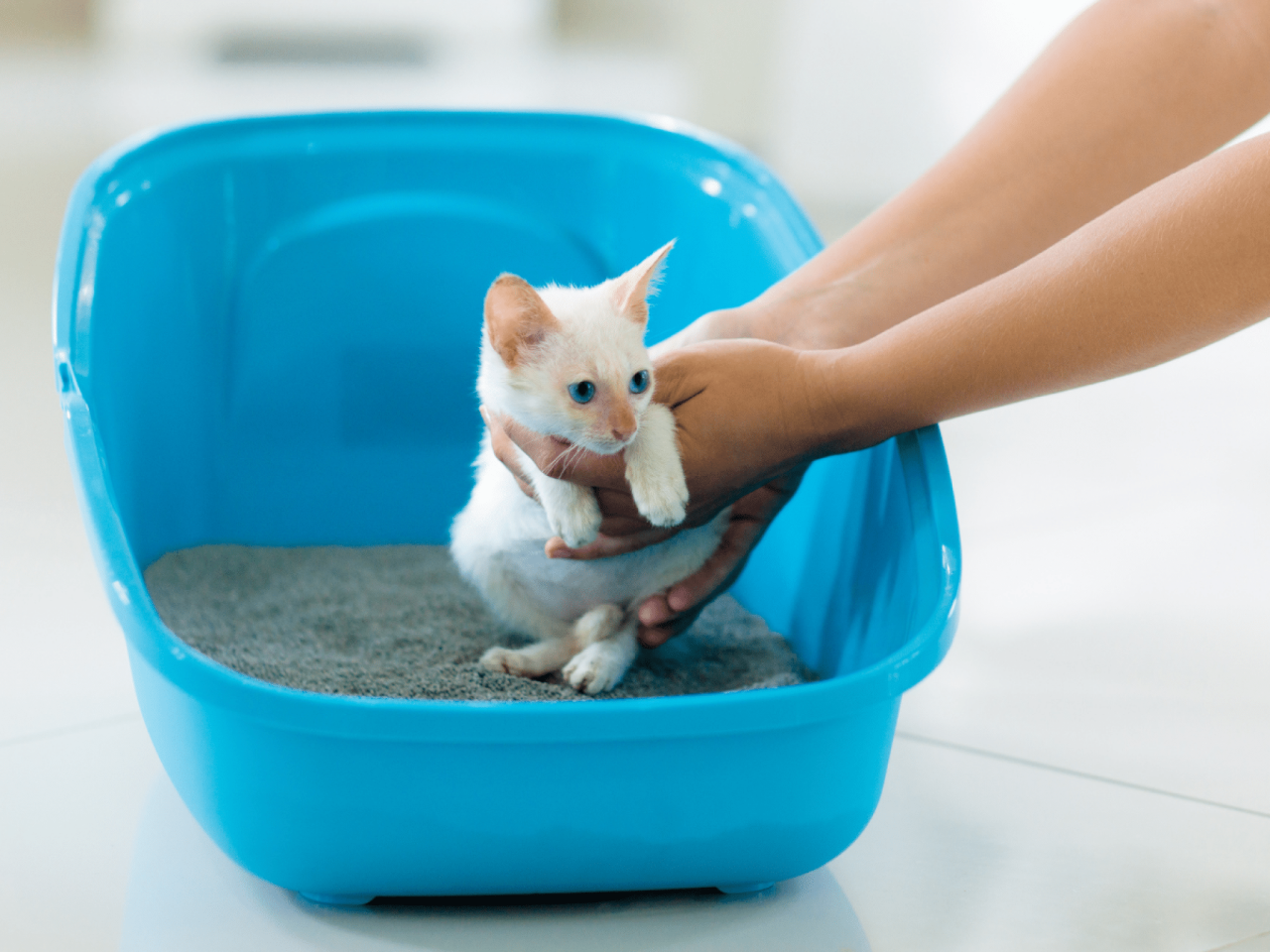
- Introducing the Cat: Gently place the cat inside the litter box after meals, naps, or play sessions, encouraging exploration. Use a soft voice and gentle gestures to create a calm environment.
- Reinforcement: Praise the cat verbally or with treats when it uses the litter box correctly. Positive reinforcement helps reinforce the desired behavior.
- Consistency: Maintain a routine by scooping the litter daily and keeping the box in the same location. Consistency minimizes confusion and builds habits.
- Monitoring Behavior: Observe the cat’s habits and address any accidents or reluctance promptly. Clean soiled areas thoroughly with enzymatic cleaners to remove odors that might attract the cat back to the same spot.
- Adjustments: If the cat resists the litter box, consider changing the type of litter, adjusting the box’s location, or adding more boxes. Patience and flexibility are vital for successful training.
Selecting the Right Litter and Litter Box
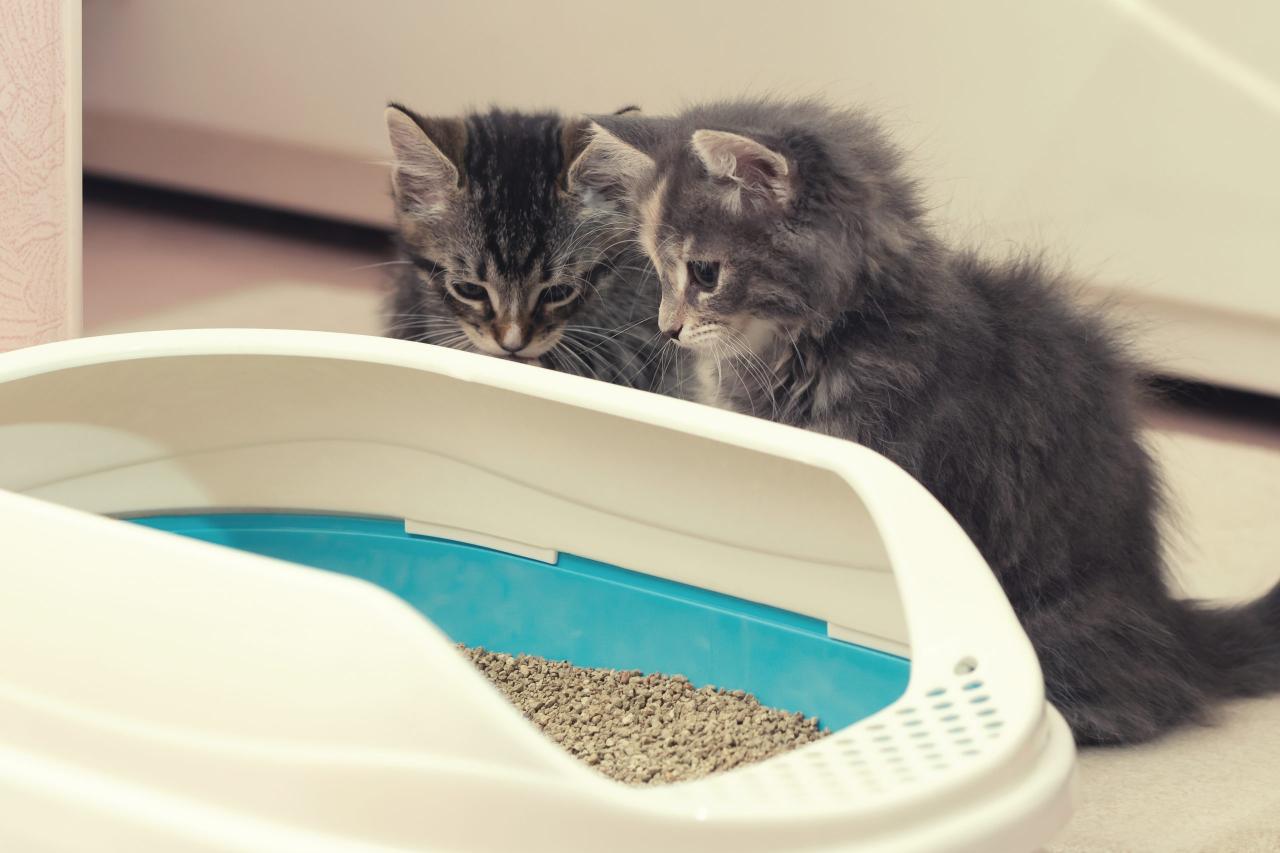
Choosing appropriate litter and a suitable litter box is fundamental to successfully training your cat and ensuring their comfort and hygiene. The right combination can encourage consistent use and reduce messes, making the process smoother for both pet and owner.
With a variety of options available, understanding the differences between types of cat litter and identifying the ideal litter box features will help you create an optimal environment that promotes good habits and minimizes potential issues such as odor, dust, and accessibility concerns.
Types of Cat Litter: Pros and Cons
The selection of cat litter depends on factors such as odor control, dust production, ease of cleaning, and cost. Each type has unique characteristics that may suit different cats and owners’ preferences.
| Litter Type | Odor Control | Dust Level | Cost |
|---|---|---|---|
| Clay-Based Litter | Excellent odor absorption, especially clumping varieties. | Moderate to high dust, which can irritate respiratory issues in some cats and owners. | Affordable, widely available, often economical in bulk. |
| Silica Gel Litter | Superior odor control due to moisture-absorbing properties. | Low dust, making it suitable for sensitive cats and owners. | Higher initial cost but lasts longer, reducing ongoing expenses. |
| Biodegradable Litter | Variable; some have excellent odor control, others less so. | Generally low dust levels, especially plant-based options. | Moderate to high; often more expensive than traditional clay litters. |
| Recycled Paper Litter | Moderate odor control, often used with additional deodorants. | Very low dust; hypoallergenic. | Typically affordable, with good absorption capacity. |
| Pellet/Lump Litter | Good odor containment, especially when combined with deodorizing agents. | Low dust; minimal tracking. | Cost varies; often comparable to clay litters. |
When selecting litter, prioritize odor control and dust levels to maintain a clean and healthy environment for your cat and household.
Ideal Litter Box Features
Choosing the appropriate litter box involves considering size, design, and accessibility to accommodate your cat’s preferences and physical needs. A well-chosen box can significantly influence their willingness to use it consistently.
- Size: The litter box should be large enough for your cat to turn around comfortably. A good rule is that the box should be at least 1.5 times the length of the cat from nose to tail tip.
- Cover Options: Covered litter boxes help contain odors and reduce messes, but some cats prefer open boxes for easier access. Observing your cat’s behavior can guide this choice.
- Accessibility: For senior cats, kittens, or those with mobility issues, ensure the box has low sides or a step for easy entry. Avoid boxes with high walls that could discourage use.
- Material and Ventilation: Durable, non-porous materials like plastic are common. Adequate ventilation prevents stale odors and maintains a fresh environment.
- Placement: Position the litter box in a quiet, accessible location away from food and water bowls to encourage consistent use.
Considering these features when selecting a litter box will promote positive litter habits and contribute to your cat’s overall comfort and hygiene. Regular cleaning and maintenance of the box are equally vital in supporting successful litter training.
Setting Up an Effective Litter Area
Establishing a proper litter area is fundamental to successful cat litter training and ensuring your feline companion remains comfortable and hygienic. A well-designed litter space minimizes accidents, promotes natural behaviors, and simplifies cleaning routines. Thoughtful planning and consistent maintenance are key to creating an environment that encourages your cat to use the litter area reliably while maintaining cleanliness for your household.
A strategically set-up litter area not only facilitates your cat’s litter habits but also reduces potential issues such as odors, messes, or reluctance to use the designated spot. By choosing suitable locations, arranging multiple boxes if necessary, and adhering to strict hygiene standards, you support your cat’s health and well-being while making maintenance manageable for yourself.
Choosing a Quiet, Accessible Location
Selecting the right location for the litter area plays a crucial role in encouraging consistent use by your cat. The ideal spot should be quiet, private, and free from disturbances, allowing your feline to feel secure when using the litter box. Avoid areas with high foot traffic or noisy appliances, such as laundry rooms or near the dishwasher, which can cause discomfort or stress.
Accessibility is equally important; ensure the litter area is easy for your cat to reach at all times, especially if your cat is older or has mobility issues. Avoid placing the box behind furniture or in hard-to-access corners. The proximity of the litter area to your cat’s resting and feeding zones should be considered to prevent accidental marking or reluctance to use the box due to inconvenience.
Designing a Layout Plan for Multiple Litter Boxes
Several cats or larger households may require more than one litter box to prevent territorial disputes and promote proper hygiene. A thoughtful layout plan can significantly enhance cleanliness and reduce accidents. The general guideline recommends having at least one litter box per cat, plus one extra, to prevent overcrowding and reduce stress.
When designing a multi-box layout, consider placing each box in different, easily accessible locations around the house, ensuring they are not clustered together. This distribution helps prevent territorial behavior and provides options in case one box becomes soiled or inaccessible. Each box should be placed on a different level if your home has multiple stories, accommodating varying mobility and preferences.
Maintaining Cleanliness and Hygiene Standards
Regular cleaning and maintenance of the litter area are vital for your cat’s health and your household’s hygiene. Proper upkeep minimizes unpleasant odors, prevents the spread of bacteria, and encourages consistent usage of the litter box. Establishing a routine for cleaning is essential, especially in homes with multiple cats or frequent use.
The following practices are recommended for maintaining cleanliness:
- Remove soiled litter daily to prevent odor buildup and discourage cats from avoiding the box.
- Wash litter boxes with mild soap and hot water weekly, avoiding harsh chemicals that may deter your cat from using the box.
- Replenish with fresh litter, maintaining an appropriate depth—generally 2-3 inches—to allow natural digging behavior.
- Inspect for any damage or wear, replacing boxes as needed to ensure stability and cleanliness.
- Ensure proper ventilation in the litter area to reduce odors and maintain air quality.
“Consistent cleaning and strategic placement create a hygienic environment that encourages your cat to use the litter box reliably, supporting both their health and your household cleanliness.”
Training Procedures and Techniques
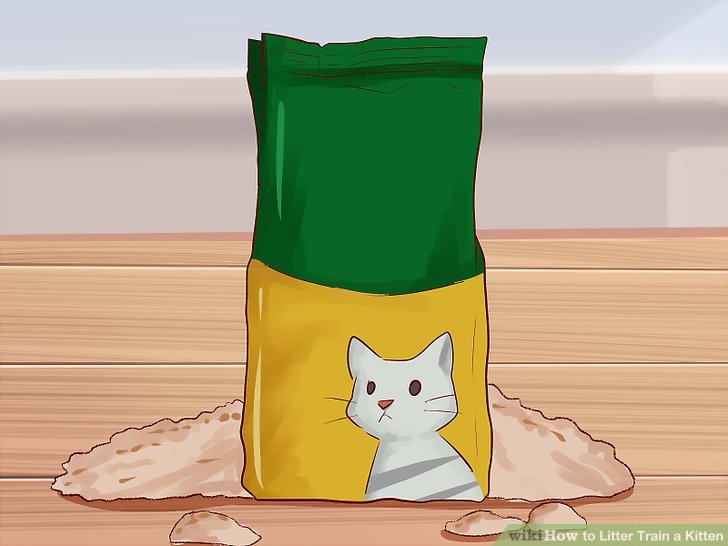
Effective litter training requires consistent procedures and positive reinforcement to help your cat develop good habits. Establishing a structured routine, employing encouraging methods, and appropriately addressing accidents are essential steps to ensure your feline’s success in using the litter box reliably. Patience and reinforcement are key elements in guiding your cat towards independent and consistent litter box use, creating a harmonious environment for both pet and owner.Training your cat involves creating predictability and comfort around the litter box.
Cats are creatures of habit, and a predictable routine helps them understand that the litter box is a safe and preferred place for elimination. Techniques such as rewarding your cat immediately after successful use and gently redirecting them when they do not use the litter box are fundamental. Consistency, along with positive reinforcement, fosters good habits and reduces accidents.
Establishing and Maintaining a Routine Schedule
A well-structured schedule is crucial in reinforcing the habit of using the litter box regularly. Cats tend to eliminate after waking, eating, and playing, so aligning the litter box visits with these natural behaviors increases the likelihood of success. Develop specific times during the day to gently place your cat in the litter box, especially during these key periods. Create a daily routine that includes:
- Feeding your cat at consistent times to regulate their digestion and elimination schedule.
- Placing your cat in the litter box immediately after waking up from naps or before bedtime.
- Gently observing your cat’s behavior to identify signs that they need to eliminate, and guiding them to the litter box accordingly.
Maintaining this routine helps your cat associate specific times with the act of elimination, leading to increased consistency over time. Remember to clean the litter box regularly so that it remains inviting and odor-free, encouraging your cat to use it consistently.
Encouraging Consistent Use of the Litter Box
Encouragement plays a significant role in reinforcing your cat’s litter box habits. Positive reinforcement, such as praise, gentle petting, or offering treats immediately after successful use, helps your cat associate the behavior with rewarding experiences. It’s equally important to minimize any stress or fear related to the litter box, as negative associations can lead to avoidance.Some effective methods include:
- Using treats or favorite snacks to reward your cat when they use the litter box correctly, especially during the initial training period.
- Offering gentle verbal praise or petting immediately after a successful elimination to reinforce positive behavior.
- Ensuring the litter box environment remains calm and quiet, avoiding loud noises or sudden disturbances nearby.
Consistency in rewarding behavior helps reinforce the habit and builds a positive association with the litter box. Over time, your cat will begin to use the litter box instinctively, without needing frequent prompts.
Addressing Accidents and Reinforcing Correct Behavior
Despite best efforts, accidents may occur during training. It is essential to handle these situations calmly and constructively to prevent reinforcing undesirable habits. The primary goal is to identify the underlying cause of accidents—whether it’s stress, a medical issue, or a dislike of the litter or litter box location—and address it appropriately.Best practices include:
- Gently cleaning the accident area with enzymatic cleaners to eliminate odors that might attract your cat back to the same spot.
- Avoid punishing or scolding your cat, as this can increase anxiety and worsen the problem. Instead, focus on positive reinforcement for correct behavior.
- Monitoring your cat for signs of discomfort or health issues if accidents become frequent, and consulting a veterinarian if needed.
- Reinforcing the use of the litter box by returning your cat to it after accidents and rewarding successful use afterward.
Implementing a calm and supportive approach ensures your cat remains confident and motivated to use the litter box appropriately. Consistent reinforcement and understanding will help your cat develop lifelong good habits, minimizing the occurrence of accidents and fostering a positive litter training experience.
Troubleshooting Common Litter Training Issues
While most cats adapt well to litter training, some may encounter challenges that hinder their successful use of the litter box. Understanding and addressing these issues promptly is essential to maintain a clean environment for your feline friend and ensure their comfort and health. Identifying the root causes of litter training problems allows for targeted solutions, making the process smoother for both pet and owner.
Common problems include refusal to use the litter box, excessive digging or scattering litter, urinating outside the box, and litter box aversion. Each issue can stem from various causes such as health concerns, litter or box preferences, environmental factors, or behavioral tendencies. Implementing appropriate strategies for each problem helps promote consistent use of the litter box and prevents setbacks in training.
Refusal to Use the Litter Box
This is one of the most common issues faced during litter training, often leading to urine or feces being deposited in inappropriate places around the home. The refusal can result from discomfort, health problems, or dissatisfaction with the litter box setup. It is crucial to investigate and address these underlying causes to re-establish effective litter habits.
| Issue | Possible Causes | Recommended Solutions |
|---|---|---|
| Cat refuses to enter or use the box | Health issues like urinary tract infections, pain or discomfort, or stress and anxiety | Visit a veterinarian for health assessment; ensure the box is accessible, private, and inviting; reduce environmental stressors |
| Dislike of litter type or box | Preference for certain textures or an aversion to covered boxes | Experiment with different litter textures (clumping, non-clumping, fine, or chunky); try open boxes if covered ones are used |
| Dirty or unclean box | Litter not changed frequently or insufficient cleaning | Clean the box regularly, ideally daily; replace litter completely at least once a week |
| Inconvenient location | Placement in noisy, busy, or inaccessible areas | Relocate the box to a quiet, easily accessible area away from loud appliances or high-traffic zones |
Excessive Digging or Litter Scattering
Some cats have a natural tendency to dig and cover their waste, but when this behavior becomes excessive or results in litter being scattered outside the box, it can create mess and frustration. Addressing this behavior involves understanding the reasons behind it and modifying the environment accordingly.
- Ensure the litter box has sufficient depth—at least 2-3 inches of litter—to allow natural digging without overflowing.
- Use a box with high sides or a hood if scattering is a concern, as these features help contain the litter inside.
- Choose litter that clumps well and minimizes dust, encouraging cleaner digging behavior.
- Encourage good habits by praising your cat when they dig appropriately, and avoid harshly punishing the behavior.
Urinating Outside the Litter Box
This issue can be caused by medical problems, territorial marking, or dissatisfaction with the current litter box conditions. Understanding the cause is key to resolving the problem effectively.
| Issue | Possible Causes | Recommended Solutions |
|---|---|---|
| Urination outside the designated box | Medical issues such as urinary infections, bladder stones, or kidney problems | Consult a veterinarian for diagnosis and treatment; rule out health issues before behavioral interventions |
| Marking behavior | Territorial disputes, stress, or changes in household dynamics | Provide additional litter boxes in different areas; use calming products; reduce stressors; consider pheromone diffusers |
| Uncomfortable or inaccessible litter box | Difficulty entering/exit, noisy location, or uncleanliness | Ensure easy access, place the box in a quiet and private area, and maintain cleanliness |
Litter Scattering and Mess
Frequent scattering of litter can be frustrating and may indicate preference issues or environmental factors. Addressing litter scattering involves selecting suitable litter and modifying the box environment.
- Opt for larger or covered litter boxes to contain the litter better.
- Use low-dust, non-tracking litter options that adhere less to paws and reduce scattering.
- Place mats around the litter box to catch stray litter and facilitate cleaning.
- Train your cat to use the box calmly, encouraging gentle digging behaviors and discouraging vigorous kicking or scattering.
Tips for Successful Long-term Litter Training
Maintaining consistent litter box habits over the lifespan of a cat is essential for their health, comfort, and behavior. Long-term litter training requires ongoing attention, adaptation as your cat grows, and routine maintenance to keep the environment inviting and hygienic. Properly supporting these habits ensures that your cat continues to use the litter box reliably and minimizes the risk of accidents or behavioral issues.Sustaining effective litter habits involves a combination of environmental management, regular cleaning routines, and positive reinforcement.
As cats age, their preferences and needs may change, necessitating adjustments to their litter training environment. Establishing a well-structured maintenance schedule helps prevent odor buildup, reduces the likelihood of litter box aversion, and promotes overall well-being.
Techniques for Maintaining Ongoing Litter Box Habits
Ensuring your cat continues to use the litter box consistently requires reinforcement of positive habits and environmental consistency. Establish a routine where the litter box is checked at least once daily to observe usage patterns and identify any issues early. Providing a clean, inviting space encourages habitual use; cats are often deterred by dirty or unpleasant litter boxes.Positive reinforcement plays a vital role in long-term success.
When your cat uses the litter box appropriately, reward them with praise, treats, or gentle petting. Avoid punishing accidents, as this can create anxiety and lead to further avoidance. Consistent placement of the litter box in a quiet, accessible location and ensuring that the type of litter remains familiar help reinforce established habits.
Adapting the Litter Training Environment as the Cat Ages
Cats’ preferences and physical capabilities can change with age, influencing their litter box habits. Senior cats might have mobility issues or arthritis, making high-sided or hard-to-access litter boxes unsuitable. In such cases, transitioning to lower-sided or ramp-equipped litter boxes facilitates easier access.Additionally, as cats mature, their scent sensitivities may become more pronounced. Using unscented, dust-free litter reduces irritation and encourages consistent use.
Adjusting the size and placement of the litter box to suit your cat’s evolving needs promotes long-term comfort and prevents accidents.Regularly observing your cat’s behavior and consulting with a veterinarian can guide suitable modifications to their litter environment. Replacing or upgrading the litter box and changing the type of litter can be beneficial as their needs change, ensuring ongoing compliance with litter training routines.
Designing a Maintenance Schedule for Cleaning and Replacing Litter
A structured maintenance schedule is essential for maintaining a hygienic and appealing litter environment, which directly impacts a cat’s willingness to use the box consistently. Consistent cleaning and litter replacement prevent odor buildup, reduce bacterial growth, and diminish the risk of the cat developing aversions.A recommended schedule includes:
- Daily removal of waste and clumps from the litter box to keep it clean and odor-free.
- Complete replacement of the litter and thorough cleaning of the box with mild, unscented soap at least once a week.
- Monitoring the amount of litter; refilling as necessary to maintain a depth of approximately 2-3 inches, which provides sufficient absorbency and comfort.
Blockquote>Maintaining a clean and well-supplied litter area fosters positive associations and encourages consistent use, contributing to long-term success in litter training.
Regularly inspecting the litter box for any damage or signs of wear ensures it remains in good condition. Using high-quality, dust-free litter and replacing it promptly helps prevent matting or caking, which can impede the cat’s natural digging and covering behaviors.By adhering to these practices, owners can provide a stable and hygienic environment that supports their cat’s long-term litter training success, ensuring a happy, healthy, and well-adjusted feline companion.
Special Considerations and Additional Advice
Litter training cats involves understanding that each feline has unique needs and circumstances that may influence the process. Whether working with a young kitten or an adult cat, or managing cats with health issues or mobility challenges, tailored approaches can greatly enhance success. Additionally, transitioning cats to new litter types or boxes requires careful planning to minimize stress and maintain proper habits.
Recognizing these special considerations ensures a more effective and compassionate litter training experience.When addressing different age groups and health conditions, it is essential to adapt training methods and environmental setups to support the cat’s comfort and well-being. This section provides guidance on these important nuances, offering practical advice for pet owners to navigate complex situations with patience and understanding.
Litter Training for Kittens Versus Adult Cats
Kittens and adult cats differ significantly in their developmental stages, learning capacities, and behavioral tendencies, which influence their litter training needs. Kittens, typically between 4 to 8 weeks old, are in a crucial learning phase, and their training should be gentle and encouraging. They often instinctively use litter boxes but require supervision and guidance to develop consistent habits.In contrast, adult cats may have established habits, and introducing them to a new litter box or changing their routine can pose challenges.
Adult cats with no prior training may need extra patience and positive reinforcement. They might also have learned incorrect habits, such as eliminating outside the box, which requires retraining efforts. Ensuring that the litter box is accessible, comfortable, and appealing is essential for both kittens and adult cats, but the approach should be adjusted based on age and experience.
Precautions for Cats with Health Issues or Mobility Challenges
Cats with health problems or mobility impairments require special consideration during litter training to prevent discomfort or injury. Conditions such as arthritis, obesity, or neurological disorders can make accessing standard litter boxes difficult or painful.For these cats, selecting accessible litter boxes with low sides or ramps can facilitate easier entry and exit. Placing the box in a quiet, easily reachable location helps reduce anxiety and encourages use.
Additionally, using lightweight, non-dusty litter minimizes respiratory irritation and makes cleaning easier for owners.It is also vital to monitor these cats closely for signs of discomfort or reluctance to use the litter box, and to consult a veterinarian for tailored advice. Regular health check-ups and maintaining a clean, accessible environment support ongoing litter training success and overall well-being.
Guidance on Transitioning to New Litter Types or Boxes
Transitioning a cat to a new litter type or a different litter box setup can sometimes be met with resistance or confusion. Proper planning and gradual transitions are key to minimizing stress and avoiding accidents.Begin by introducing the new litter alongside the current litter, mixing small amounts initially and gradually increasing the proportion over several days. Observe the cat’s response and ensure that the new litter’s texture, scent, and clumping properties are acceptable.
Cats are often sensitive to changes and may need time to adjust.When switching to a different litter box style, such as from a covered to an uncovered box, or vice versa, introduce the new setup in a familiar environment. Place it near the existing box initially, so the cat can explore and become comfortable with the new arrangement without feeling displaced.
Consistency and patience are crucial, and positive reinforcement helps reinforce the transition.Careful attention to these special considerations ensures that cats remain comfortable and confident in their litter habits, supporting their health and happiness throughout their lives.
Last Word
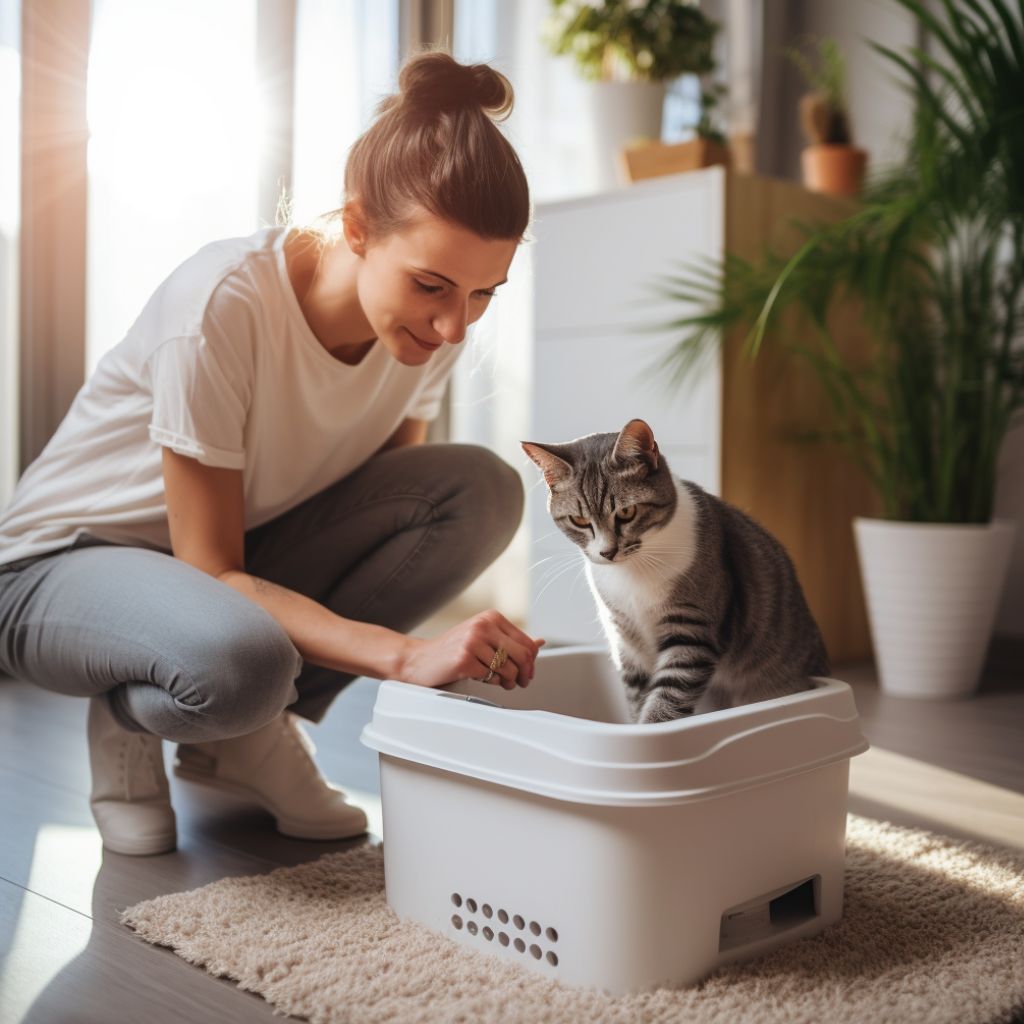
In conclusion, successfully training your cat to use the litter box involves understanding their natural instincts, choosing the right setup, and implementing consistent routines. Overcoming challenges along the way ensures the habit becomes a part of your cat’s daily life, leading to a cleaner home and a happier pet. With dedication and patience, you can make litter training a smooth and rewarding journey for both of you.