Understanding how to clean cat ears is vital for maintaining your feline friend’s health and comfort. Proper ear hygiene can prevent a range of issues, from infections to discomfort, ensuring your cat remains happy and healthy. Regular ear care is a simple yet essential aspect of responsible pet ownership that can significantly enhance your pet’s quality of life.
This guide provides comprehensive steps on how to properly and safely clean your cat’s ears, recognize signs of ear problems, prepare the necessary tools, and know when to seek veterinary assistance. With proper knowledge and gentle techniques, you can effectively care for your cat’s ears and promote their overall well-being.
Importance of Cleaning Cat Ears
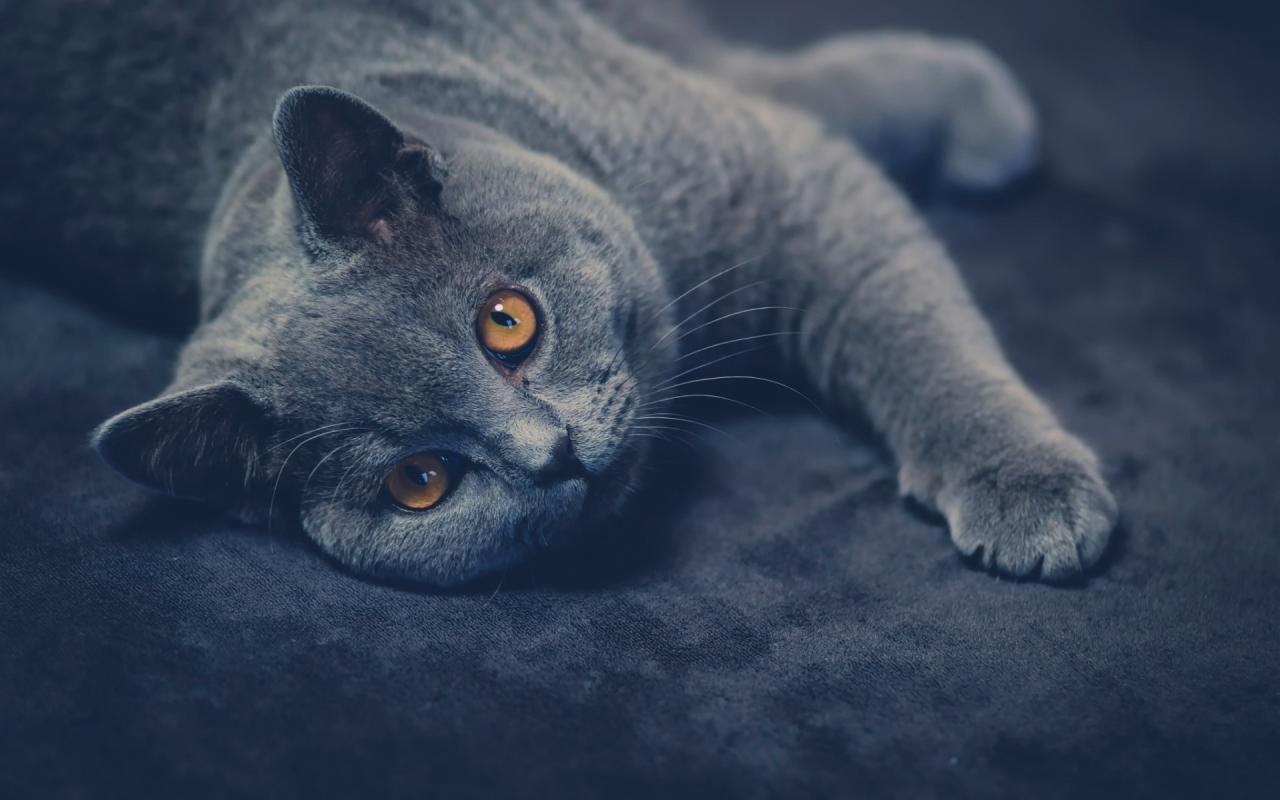
Maintaining a regular ear cleaning routine for cats is a vital aspect of their overall health and well-being. Unlike humans, cats often do not show obvious signs when their ears are uncomfortable or infected, making proactive care essential. Proper ear hygiene helps prevent the development of infections, irritations, and other health issues that could compromise your feline friend’s quality of life.
Neglecting ear hygiene can lead to a range of health problems, some of which may require veterinary intervention. Ear infections in cats can cause discomfort, persistent scratching, head shaking, and even balance issues. In severe cases, untreated infections can lead to more serious conditions such as abscesses or hearing loss. Regular ear checks and cleaning routines are, therefore, crucial in early detection and prevention.
Statistics and Facts on Ear Care in Cats
Research indicates that approximately 20-30% of cats experience ear problems at some point in their lives. Studies show that cats with ongoing exposure to outdoor environments or those with certain breeds predisposed to ear issues are at higher risk. For instance, breeds like Ragdolls and Persians tend to have denser ear hair or folds that trap debris, increasing the likelihood of infections.
Regular ear maintenance significantly reduces the incidence of infections, with veterinary reports noting a 35% decrease in ear-related health issues in cats with consistent ear hygiene routines.
Furthermore, a survey by feline veterinary specialists emphasizes that early detection of ear abnormalities through routine cleaning can lead to prompt treatment, ultimately saving pet owners from costly and stressful medical procedures.
Signs That Indicate Your Cat Needs Ear Cleaning
Monitoring your feline’s behavior and physical condition is crucial for maintaining their ear health. Recognizing early signs of ear problems can prevent discomfort and more serious health issues. Being attentive to subtle changes allows for timely intervention and appropriate care.
Animals often communicate discomfort through specific behaviors or physical cues. Observing these signs at home can help determine if your cat requires an ear examination or professional cleaning. Understanding the common symptoms ensures you can act promptly to maintain your pet’s well-being.
Observable Behaviors Signaling Ear Issues
Cats may exhibit various behaviors that indicate discomfort or irritation in their ears. These actions often serve as the first clues for pet owners to consider ear health concerns.
- Frequent Scratching or Pawing: Repeatedly scratching around the ears or pawing at their head can suggest itching or irritation caused by infections, mites, or excess wax buildup.
- Head Shaking or Tilting: Persistent shaking of the head or tilting to one side may indicate discomfort or an imbalance caused by ear infections, debris, or foreign objects.
- Loss of Balance or Coordination: Unsteady movement or difficulty walking may be linked to inner ear issues affecting equilibrium.
- Disinterest or Avoidance: If your cat avoids touching their ears or seems unusually sensitive when you try to examine them, it could be a sign of pain or sensitivity.
Physical Signs of Ear Problems
Physical symptoms are often more apparent and can indicate underlying issues that require attention. Recognizing these signs helps in determining the necessity for cleaning or veterinary evaluation.
- Odor from the Ear: A foul or musty smell emanating from the ears suggests bacterial or yeast infections that need to be addressed promptly.
- Discharge or Excess Wax: Visible discharge, whether clear, yellow, brown, or bloody, along with an accumulation of wax, signals potential infection or inflammation.
- Redness or Swelling: Inflamed or swollen ear tissues are common indicators of infection, allergy, or irritation.
- Scratches or Scabs around Ears: Excessive scratching can lead to skin damage and is often associated with dermatitis or mites.
- Hair Loss or Skin Damage: Persistent scratching or rubbing can cause hair loss or skin abrasions around the ears.
Assessing Your Cat’s Ears Safely at Home
Regular, gentle examination of your cat’s ears can help you detect problems early. Proper technique and a calm environment are essential to prevent causing stress or injury.
- Use a Gentle Approach: Ensure your cat is calm and comfortable. Sit in a quiet space, and gently hold the head to examine the ears without forcing or startling your pet.
- Visual Inspection: Part the fur carefully and look for redness, swelling, debris, or discharge. Use a flashlight if necessary to get a clearer view inside the ear canal.
- Touch and Feel: Gently palpate the ears and surrounding tissues for warmth, swelling, or pain. If your cat reacts with sensitivity or pain, avoid inserting anything into the ear canal and consult a veterinarian.
- Monitor Changes Over Time: Keep a record of your observations, noting any recurring symptoms or new developments. This information can be valuable for veterinary consultations.
Remember, if you notice persistent signs of discomfort, unusual odor, or discharge, it is advisable to seek professional veterinary advice. Proper diagnosis and treatment ensure your cat’s ear health and overall comfort.
Preparing for Ear Cleaning
Proper preparation is essential to ensure a safe, effective, and stress-free ear cleaning process for your cat. Gathering the right tools, understanding safety precautions, and adopting calming techniques can greatly improve the experience for both pet and owner. Being well-prepared minimizes risks and helps in handling any unexpected reactions from your feline friend.
Prior to starting, taking time to organize supplies, reviewing safety measures, and creating a tranquil environment will make the procedure smoother and more comfortable. This careful planning not only protects your cat’s well-being but also fosters trust and reduces anxiety during the process.
Gathering Necessary Tools and Supplies
Having all required items ready before beginning the ear cleaning process ensures efficiency and minimizes stress. The following table provides a comprehensive list of essential tools and supplies, along with their recommended quantities and descriptions:
| Tools | Quantities | Descriptions |
|---|---|---|
| Soft Cotton Balls or Gauze | 2-3 | Gentle material for wiping and absorbing excess cleaning solution or debris |
| Ear Cleaner Solution | 1 bottle (preferably veterinarian-approved) | Specifically formulated for cats, helps dissolve wax and debris, and soothe irritation |
| Tweezers or Forceps | Optional, 1 pair | For removing visible debris with caution, only if necessary and with proper technique |
| Small Towel or Cloth | 1 | To gently restrain or stabilize the cat, and protect surrounding area |
| Gloves | 1 pair | Optional, to maintain hygiene and protect against potential bacteria |
| Treats | Several | For positive reinforcement post-cleaning, helping your cat associate the process with rewards |
Ensure all supplies are clean and within reach before starting to prevent unnecessary delays or stress during the procedure.
Safety Precautions Before Ear Cleaning
Implementing safety measures is crucial to prevent injury or discomfort. Knowledge of potential risks and proper handling techniques safeguards your cat’s health and ensures a smooth cleaning process.
- Verify that your cat is healthy and free of ear infections or injuries. If any signs of pain, swelling, or bleeding are present, consult a veterinarian before proceeding.
- Use only veterinarian-recommended ear cleaning solutions. Avoid using Q-tips, which can push debris further into the ear canal or cause damage.
- Wash your hands thoroughly to prevent transferring bacteria or dirt to your cat’s ears.
- Handle your cat gently and securely to prevent sudden movements that could lead to injury. Support the head and body appropriately.
Observe your cat’s behavior closely, and if they show excessive distress or aggression, consider seeking guidance from a professional vet or trained animal handler. Never force the cleaning process if your cat resists strongly, as this can cause stress or injury.
Tips for Calming a Nervous or Aggressive Cat
Many cats may feel anxious or defensive about ear cleaning, especially if they have had prior negative experiences or are naturally anxious. Utilizing calming techniques can make the process safer and more comfortable.
- Choose a quiet, familiar environment free from loud noises or distractions to help your cat feel secure.
- Engage in gentle petting and speak softly to reassure your cat throughout the process.
- Use pheromone sprays or diffusers designed for cats, which release calming scents that reduce anxiety.
- Introduce the cleaning tools gradually, allowing your cat to sniff and become accustomed to them before beginning.
- Offer treats and praise before, during, and after cleaning to create positive associations with the process.
- Break the process into smaller steps if your cat is particularly nervous, gradually increasing their comfort level over time.
Patience is key—taking your time and respecting your cat’s cues will foster trust and cooperation, making future ear cleaning sessions easier and less stressful.
How to Properly Clean Cat Ears
Proper ear cleaning is essential to maintain your cat’s overall health and prevent infections. When performed correctly, it can help remove dirt, wax buildup, and debris while minimizing discomfort for your feline friend. Knowing the proper technique ensures the process is safe, effective, and stress-free for both you and your cat.
By following a structured approach, you can clean your cat’s ears efficiently and safely, reducing the risk of injury or infection. It is important to approach ear cleaning with patience and gentle handling, using appropriate tools and solutions designed specifically for feline ears.
Applying Cleaning Solution into the Ear Canal
Applying the cleaning solution correctly is crucial for loosening wax and debris inside the ear canal. Start by holding your cat calmly in your lap or on a secure surface. Gently lift the ear flap to expose the ear canal, using one hand to stabilize the head and the other to handle the cleaning process.
Fill the ear canal with a few drops of the cleaning solution, avoiding direct contact with the tip of the bottle to prevent contamination. Gently massage the base of the ear for about 20-30 seconds to allow the solution to soften the wax and debris. This massage helps distribute the solution evenly and encourages loose material to loosen from the ear canal walls.
Ensure that the solution is applied gently and avoid inserting the nozzle or applicator deep into the ear canal, which can cause injury or discomfort. For cats with sensitive ears, consult your veterinarian for recommended solutions and proper techniques.
Gently Wiping the Ear with a Soft Cloth or Cotton Ball
After the cleaning solution has been massaged into the ear, it is essential to remove the softened wax and debris carefully. Use a soft, damp cloth or a cotton ball to gently wipe the visible part of the ear flap and the entrance of the ear canal. Avoid inserting anything deep into the ear canal, as this can cause damage or push debris further inside.
Use gentle, circular motions to clean away any excess wax or discharge. If there is a significant buildup, repeat the process with fresh cotton balls or cloths until the area appears clean. It’s important to be gentle to prevent causing pain or injury, especially if your cat shows signs of sensitivity or discomfort.
Always ensure that your tools are clean and free of bacteria to prevent any chance of infection, and never use cotton swabs inside the ear canal.
Visual Breakdown of the Ear Cleaning Process
| Step | Description |
|---|---|
| 1. Preparation | Gather cleaning solution, soft cloth or cotton balls, and ensure your cat is calm and secure. |
| 2. Ear Inspection | Lift the ear flap and examine the ear for redness, swelling, or excessive wax, noting any abnormalities. |
| 3. Application of Solution | Hold the ear upright, gently insert a few drops of cleaning solution into the ear canal, and massage the base of the ear. |
| 4. Letting the Solution Work | Allow the solution to loosen debris for about 20-30 seconds with gentle massaging. |
| 5. Wiping Excess | Use a soft cloth or cotton ball to wipe away softened wax and debris from the outer ear. |
| 6. Final Inspection and Comfort | Check the ear for cleanliness, comfort your cat, and repeat the process if necessary, avoiding deep insertion. |
Common Cleaning Solutions and Homemade Remedies
There are various solutions available for cleaning your cat’s ears, ranging from commercial products to natural remedies. It is important to choose solutions that are safe and appropriate for feline use, and to be aware of potential cautions associated with homemade remedies.
- Commercial Ear Cleaners: Usually formulated specifically for cats, these solutions are pH-balanced and contain gentle ingredients that effectively break down wax. They often include soothing agents like aloe or vitamin E. Always follow the manufacturer’s instructions and consult your veterinarian for recommendations.
- Saline Solution: A simple, homemade option that can help flush out dirt and debris. Mix 1 teaspoon of salt in a cup of warm water, ensuring the solution is not too salty or cold. Use only for routine cleaning and avoid prolonged exposure.
- Vinegar and Water Mixture: A diluted vinegar solution (equal parts white vinegar and water) can help control bacteria and yeast in the ear. Caution is advised, as vinegar can irritate sensitive ears or worsen existing infections. Do not use if your cat has open wounds or ulcers inside the ear.
- Beneficial Aspects: Homemade solutions like saline and diluted vinegar are cost-effective and readily available. They also avoid synthetic chemicals, making them suitable for sensitive cats when used appropriately.
- Cautions: Always test any homemade remedy on a small area first. Never use hydrogen peroxide or alcohol, as these can cause pain and damage delicate ear tissues. If your cat shows signs of pain, discomfort, or worsening symptoms, seek veterinary advice promptly.
Using the correct cleaning solutions and following proper techniques will ensure your cat’s ears are kept clean and healthy, reducing the risk of infections and promoting overall well-being.
Common Mistakes to Avoid During Ear Cleaning
Proper ear cleaning is essential for maintaining your cat’s health, but it must be done carefully to prevent discomfort or injury. Many pet owners inadvertently make mistakes that compromise the safety of their feline friends. Recognizing these errors and understanding how to avoid them ensures a safe and effective cleaning process.Incorrect techniques or using improper tools during ear cleaning can lead to serious complications.
Mistakes such as inserting objects too deeply into the ear canal or using inappropriate cleaning solutions can cause pain, injury, or infection. Being aware of these pitfalls helps prevent unintended harm and promotes healthier ear hygiene for your cat.
Inserting Objects Too Deeply into the Ear Canal
One of the most common errors during ear cleaning is inserting objects, such as cotton swabs, too far into the ear canal. While it may seem harmless to reach into the ear, doing so can damage sensitive structures or push debris further inward, making removal more difficult and risking injury.
- Cotton swabs should only be used externally to wipe the visible parts of the ear.
- Never insert any object, including cotton swabs, pencils, or fingers, deep into the ear canal.
- If debris or wax is firmly lodged, consult a veterinarian rather than attempting aggressive removal on your own.
- Deep insertion may puncture the eardrum, which can cause pain, dizziness, or hearing loss, and may necessitate urgent medical intervention.
Using Inappropriate Cleaning Solutions
Another frequent mistake involves selecting or applying unsuitable solutions for ear cleaning. Some pet owners use human ear products or home remedies that can be too harsh or irritating for cats.
- Always use veterinarian-recommended ear cleaning solutions formulated specifically for cats.
- Avoid solutions containing alcohol, hydrogen peroxide, or other irritants unless advised by a veterinarian.
- Using inappropriate solutions can strip the ear’s natural protective oils, cause dryness, or lead to allergic reactions.
- Over-the-counter products that are not designed for feline ears may contain ingredients that are toxic or cause adverse reactions.
Risks and Prevention Strategies
Injuries or infections can result from improper ear cleaning techniques. Common risks include rupturing the eardrum, introducing bacteria, or causing inflammation.
- To prevent injury, approach the process gently and calmly, avoiding any sudden movements.
- Maintain a steady hand and use minimal force when cleaning.
- Ensure your cat is comfortable and restrained properly to prevent sudden struggles.
- Regularly inspect the ear for signs of irritation, redness, or swelling, and seek veterinary advice if abnormalities are observed.
- Recognize signs of discomfort or distress, such as scratching the ears excessively, crying, or attempting to flee, and pause the cleaning if these occur.
Recognizing Signs of Discomfort or Distress
Cats may not always vocalize their discomfort clearly during ear cleaning, but they often display subtle signs indicating stress or pain.
- Excessive head shaking or scratching at the ears during or after cleaning.
- Puttering or vocalization when you touch or manipulate the ears.
- Visible signs of redness, swelling, or bleeding inside the ear.
- Reluctance to be handled or aggressive behavior following cleaning sessions.
Being attentive to these signs allows you to modify your approach or seek professional help to ensure your cat’s comfort and safety during ear maintenance.
When to Seek Veterinary Assistance

Proper ear health is essential for your cat’s overall well-being, and knowing when to consult a veterinarian is crucial for addressing persistent problems or injuries. While routine cleaning can often be managed at home, certain scenarios require professional evaluation to ensure your pet’s ears remain healthy and free from complications.Professional veterinary evaluation is necessary when your cat displays signs of ongoing discomfort, persistent infections, or injuries that do not improve with standard at-home care.
Recognizing these indicators early can prevent more severe health issues and ensure appropriate treatment.
Indicators of Persistent Infection or Injury Requiring Veterinary Care
It is important to be vigilant for specific signs that suggest your cat needs professional assessment and treatment. These include:
Persistent or worsening symptoms despite routine cleaning and care can indicate an underlying issue that requires veterinary intervention. The following signs are particularly noteworthy:
- Continuous scratching, head shaking, or pawing at the ears, indicating ongoing discomfort.
- Unpleasant or foul odor emanating from the ear, often associated with infection.
- Discharge that is thick, pus-like, or bloody, which may suggest inflammation or injury.
- Redness, swelling, or visible sores within or around the ear canal, indicating possible trauma or infection.
- Excessive wax buildup that cannot be removed with routine cleaning efforts.
- Loss of balance, head tilt, or uncoordinated movements, which can point to neurological involvement related to ear issues.
- Signs of pain during touch or movement of the ear, signaling potential injury or severe inflammation.
Guidelines for Veterinary Consultation
In addition to recognizing concerning symptoms, pet owners should consider consulting a veterinarian in the following situations:
If your cat exhibits any of the above signs or if you notice any new or unusual behaviors associated with ear health, a prompt veterinary visit is recommended. Early diagnosis and treatment can prevent the progression of infections or injuries.
When visiting your veterinarian, it is helpful to prepare a list of questions to ensure comprehensive care. These might include inquiries about:
- The specific cause of your cat’s ear issues and appropriate treatment options.
- Recommended cleaning routines and products suitable for ongoing ear maintenance.
- Signs to watch for that may indicate worsening conditions requiring urgent attention.
- Preventative measures to minimize future ear problems, especially if your cat is prone to infections or injuries.
- Follow-up schedules and the frequency of professional evaluations needed based on your cat’s history.
Being informed and proactive with your veterinarian helps ensure your feline friend maintains healthy ears and avoids complications associated with untreated conditions.
Tips for Maintaining Ear Hygiene Between Cleanings
Maintaining your cat’s ear health is an ongoing process that extends beyond routine cleaning sessions. Implementing daily or weekly habits can significantly reduce the risk of infections, buildup, and discomfort. Consistent care not only keeps your cat comfortable but also helps you detect potential issues early, ensuring a healthier, happier feline companion.Proper ear hygiene involves a combination of environmental management, grooming routines, and dietary considerations.
By staying vigilant and proactive, you can support your cat’s overall well-being and prevent common ear problems.
Establishing a Regular Ear Care Routine
Regular maintenance starts with simple habits that can be easily incorporated into your daily or weekly schedule. Consistency is key to preventing wax accumulation, dirt, and debris that may lead to infections or irritation.
- Perform gentle weekly inspections of your cat’s ears to check for redness, swelling, or unusual discharge. Use a soft, damp cloth or a veterinarian-approved ear wipe to gently clean the outer ear if necessary.
- Incorporate brief, positive interactions with your cat during these inspections to build trust and make ear care a stress-free experience.
- Use veterinarian-recommended ear cleaning solutions during scheduled cleaning times, avoiding overuse which can cause dryness or irritation.
Grooming and Environmental Factors
Environmental and grooming factors play a crucial role in maintaining ear health. Dust, allergens, and outdoor exposure can contribute to ear issues, especially for outdoor or semi-outdoor cats.
Proper grooming to keep the fur around the ears tidy helps prevent dirt and debris from migrating into the ear canal. Regular brushing also reduces shedding and allergen buildup that could impact ear health.
- Keep your cat’s living environment clean and free of excessive dust, mold, or pollen that might irritate the ears.
- Trim excess hair around the ears, particularly for long-haired breeds, to improve air circulation and reduce dirt accumulation.
- Ensure your cat has a clean, dry resting area, as moisture trapped in the environment can promote bacterial growth and ear infections.
Diet and Supplementation for Ear Health
A balanced diet supports overall immune function, which is vital for preventing ear infections and maintaining healthy skin and fur.
- Provide high-quality, nutrient-rich cat food that contains omega-3 and omega-6 fatty acids, known to promote healthy skin and reduce inflammation.
- Consider supplements such as fish oil, after consulting with your veterinarian, to support skin and ear health.
- Ensure your cat remains well-hydrated, as dehydration can lead to dryness and increased susceptibility to infections.
Quick-Reference Checklist for Ongoing Ear Care Practices
To simplify ongoing ear health management, keep this checklist handy:
- Weekly visual inspection of ears for signs of redness, swelling, or discharge.
- Regular gentle cleaning of the outer ear as recommended by your veterinarian.
- Maintain a clean environment, free of dust and allergens.
- Groom fur around ears to prevent debris buildup.
- Feed a balanced diet rich in omega fatty acids and ensure proper hydration.
- Monitor your cat’s behavior for signs of discomfort or scratching.
- Schedule regular veterinary check-ups to assess ear health and address concerns early.
Summary
In conclusion, knowing how to clean cat ears effectively is a crucial part of your pet’s health routine. Regular inspections, proper cleaning methods, and timely veterinary consultations can prevent complications and keep your feline companion comfortable. By following these guidelines, you ensure your cat’s ears stay healthy, contributing to their happiness and longevity.